
Understanding the USDA Plant Hardiness Zones is essential for any gardening enthusiast or horticultural professional looking to cultivate greenery in New York. These zones, which are based on the average annual minimum winter temperature, provide a scientific framework for determining which plants, flowers, and trees are most likely to thrive in specific regions. When we look at the expansive geography of this state, from the maritime influence of Long Island to the rugged, cold climates of the Adirondack Mountains, we find a surprisingly diverse range of zones.
Mapping the Zones Across the Empire State
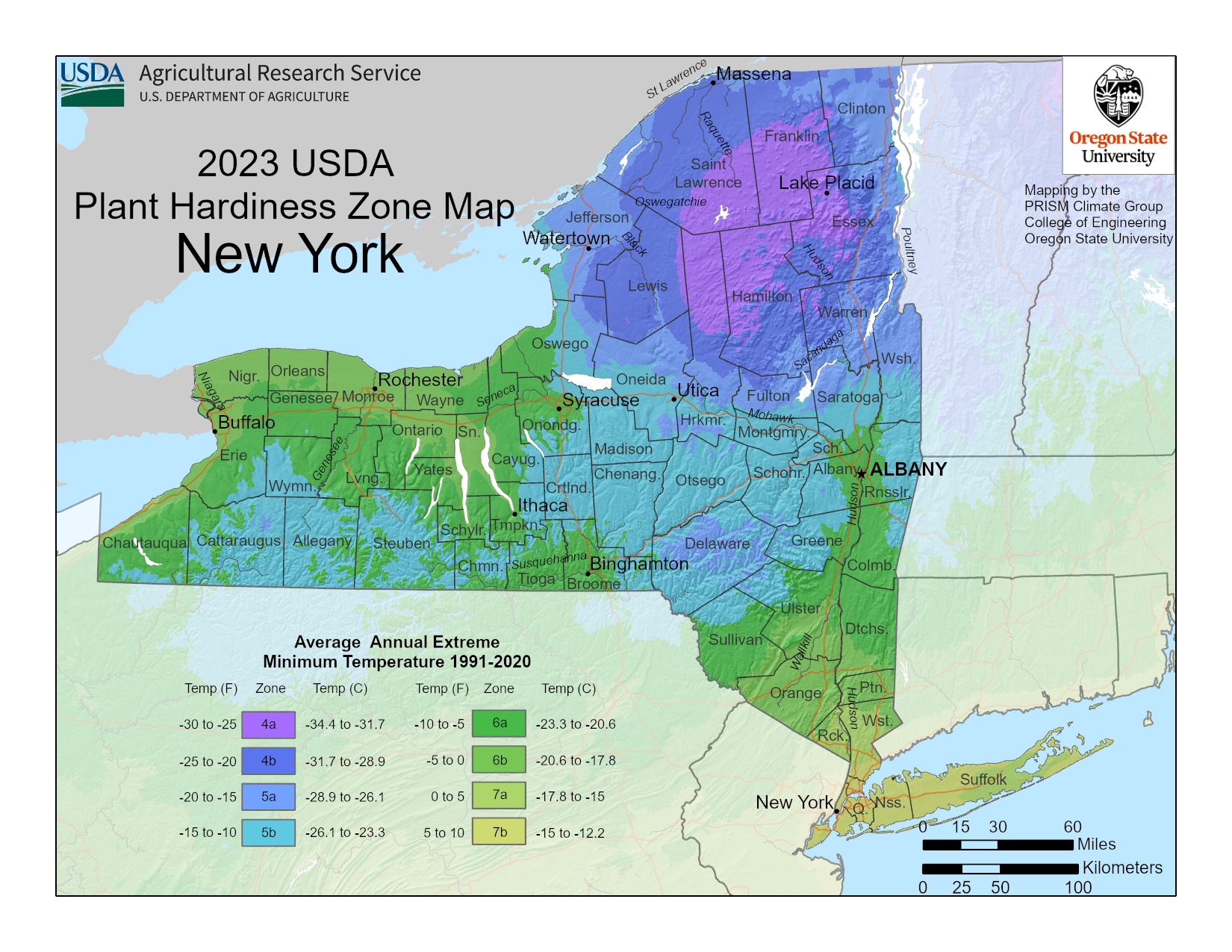
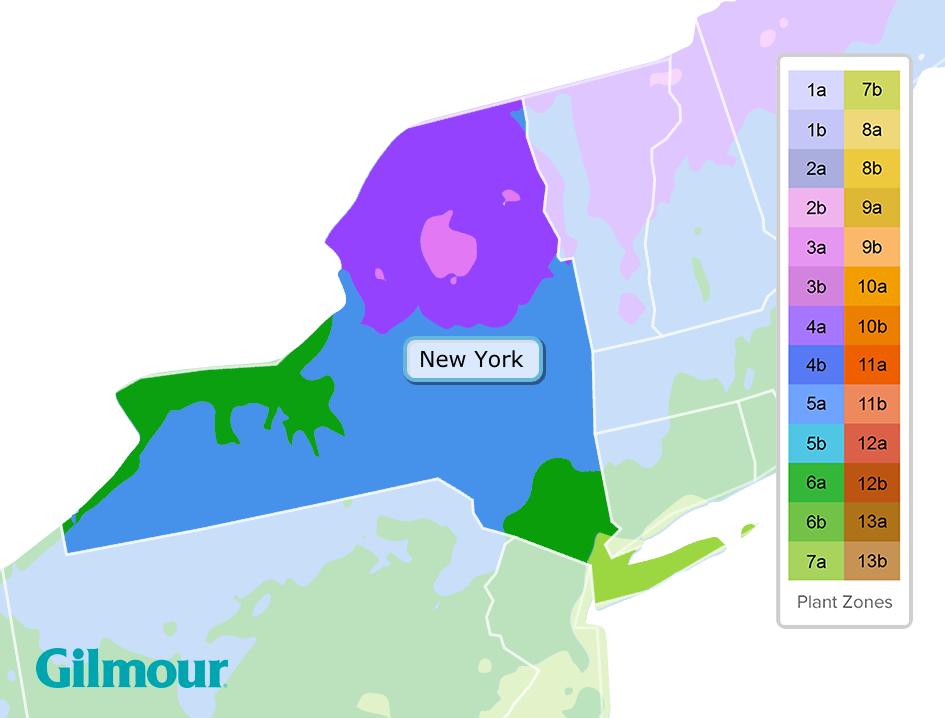
New York is not defined by a single hardiness zone. Instead, the state spans a significant gradient, typically ranging from Zone 3 in the highest, coldest peaks to Zone 7 along the southern coast. Understanding this distribution is the first step in successful gardening.
The Warmth of the Coast and City
In the southernmost reaches, including New York City and its surrounding suburbs, gardeners operate primarily within Zone 7. The urban heat island effect, combined with the moderating influence of the Atlantic Ocean, keeps winter temperatures relatively mild. Here, homeowners can experiment with a broader variety of ornamentals, such as Japanese maples, various hydrangeas, and even some hardy camellias that might perish further north.
The Diverse Landscape of the Hudson Valley
Moving north into the Hudson Valley, the climate begins to shift into Zone 6. This transition represents a vital threshold in horticulture. It is the boundary where the selection of perennials changes significantly. Gardeners here must be more diligent about selecting native plants that can handle intermittent sub-zero temperatures. The valley floor often traps cold air, creating microclimates that can vary even within a few miles, emphasizing the importance of site-specific observation.
The Arctic Extremes of the Adirondacks
At the opposite end of the spectrum, the Adirondack Park and the higher elevations of the Catskill Mountains sit firmly in Zone 3 and Zone 4. These regions experience harsh, prolonged winters where temperatures can plummet well below -30°F. Gardening in these areas requires a focus on extreme cold-hardy species. Native conifers, resilient perennial wildflowers, and mountain-adapted shrubs are the primary staples for maintaining a sustainable landscape in these high-altitude environments.
The Role of Microclimates in New York Gardening
While the USDA map provides a macro-view of the state, it does not account for the fascinating nuances of microclimates. A microclimate is a small, localized area where the climate differs from the surrounding area. In a state as topographically varied as New York, these are crucial.
Proximity to Water Bodies
The Finger Lakes region is a prime example of how water affects hardiness. The deep, massive bodies of water act as thermal reservoirs, absorbing heat throughout the summer and releasing it slowly during the fall and winter. This phenomenon prevents the surrounding air from dropping to the extreme lows found just a few miles away from the lake shores. Consequently, this region has become a legendary hub for viticulture, where the hardiness zones are effectively “pushed” higher, allowing for the cultivation of sensitive grape varieties that would otherwise struggle in the interior of the state.
Topography and Slope Orientation
In the hilly terrains of Upstate New York, the orientation of a plot of land—its aspect—dictates the local hardiness. South-facing slopes receive more direct solar radiation throughout the winter, which can keep soil temperatures warmer and encourage earlier spring growth. Conversely, north-facing slopes remain shaded and frozen for longer periods, effectively creating a colder microclimate. Smart gardeners often look for “frost pockets,” which are low-lying areas where cold air settles; avoiding these areas is key to protecting tender perennials during the critical shoulder seasons of late autumn and early spring.
Selecting Plants for Your Specific Zone
Choosing the right plant for your zone is the cornerstone of sustainable gardening. A common mistake among novice gardeners is purchasing plants based on aesthetic appeal without verifying their winter survival threshold.
Identifying Your Zone
Before visiting a local nursery, it is advisable to check the most recent USDA hardiness map. Because climate patterns are shifting, even within North America, some regions have been reclassified into warmer zones over the last decade. Always verify the zone of your specific county or zip code.
The Importance of Native Species
Regardless of which zone you fall into, incorporating native plants is the most reliable path to success. Native species have evolved over thousands of years to withstand the specific temperature fluctuations, rainfall patterns, and soil conditions of their local regions. For instance, plants native to the Great Lakes basin are already adapted to the lake-effect snows and seasonal cycles of Western New York. By choosing natives, you reduce the need for excessive fertilization, chemical pesticides, and supplemental watering, creating a landscape that works in harmony with the environment rather than against it.
Hardiness vs. Heat Tolerance
It is important to remember that hardiness zones only measure cold tolerance. They do not account for heat or humidity. A plant may be listed as “Zone 5 hardy,” meaning it can survive the winters of Buffalo, but it might fail during a sweltering July if it cannot tolerate the heat. Always look for the American Horticultural Society (AHS) Heat Zone maps in conjunction with USDA hardiness zones to get a complete picture of a plant’s environmental requirements.
Sustainable Practices for New York Landscapes
Gardening in New York presents unique challenges and rewards. Whether you are managing a small patio garden in Brooklyn or a sprawling estate near Saratoga Springs, the goal is to create a resilient ecosystem.
Soil Health and Mulching
Regardless of the zone, soil health is the great equalizer. In colder regions, insulating the root systems of plants is vital. Applying a thick layer of organic mulch, such as shredded bark or compost, can stabilize soil temperatures, preventing the “heave-thaw” cycle that often damages plant roots in early spring. This practice is especially critical for young trees and perennials that are at the edge of their hardiness limit.
Winter Protection Strategies
For gardeners operating in cooler zones, strategic winter protection can extend the life of marginally hardy plants. Utilizing burlap wraps for sensitive evergreens, installing windbreaks to protect against the biting northern gusts, and using frost blankets during unexpected late-season freezes are all effective methods for protecting your horticultural investment.

Long-term Planning
Gardening in New York is an exercise in patience and observation. By documenting your garden’s performance over several seasons, you can refine your plant choices and better understand your specific microclimate. As you engage with the land, you will find that the hardiness zones are more than just numbers on a map; they are a guide to understanding the rhythmic, seasonal pulse of the Northeast United States. Embrace the unique requirements of your region, and your landscape will thrive, mirroring the beauty and resilience of the state’s natural wilderness.
LifeOutOfTheBox is a participant in the Amazon Services LLC Associates Program, an affiliate advertising program designed to provide a means for sites to earn advertising fees by advertising and linking to Amazon.com. Amazon, the Amazon logo, AmazonSupply, and the AmazonSupply logo are trademarks of Amazon.com, Inc. or its affiliates. As an Amazon Associate we earn affiliate commissions from qualifying purchases.