
Understanding the USDA Plant Hardiness Zone Map is crucial for anyone looking to garden, landscape, or even just appreciate the diverse plant life across the Lone Star State. These zones, based on average annual minimum winter temperatures, provide a fundamental guide to what plants can survive and thrive in a particular region. Texas, with its vast geographical expanse and varied climate, spans a significant range of these zones, offering a rich tapestry of horticultural possibilities and challenges.
Decoding the Hardiness Zones of Texas
The United States Department of Agriculture (USDA) divides the country into ten main hardiness zones, with further subdivisions into ‘a’ and ‘b’ for more precise temperature ranges. These zones are essential for gardeners and landscapers, informing decisions about perennial plant selection. A plant rated for Zone 7, for instance, is expected to survive typical winter temperatures in that zone, while a plant rated for Zone 9 might struggle in colder climates. For Texas, this map reveals a remarkable spectrum, from the cooler, more temperate north to the subtropical south.
Zone 6: The Cooler Panhandle and Northern Plains
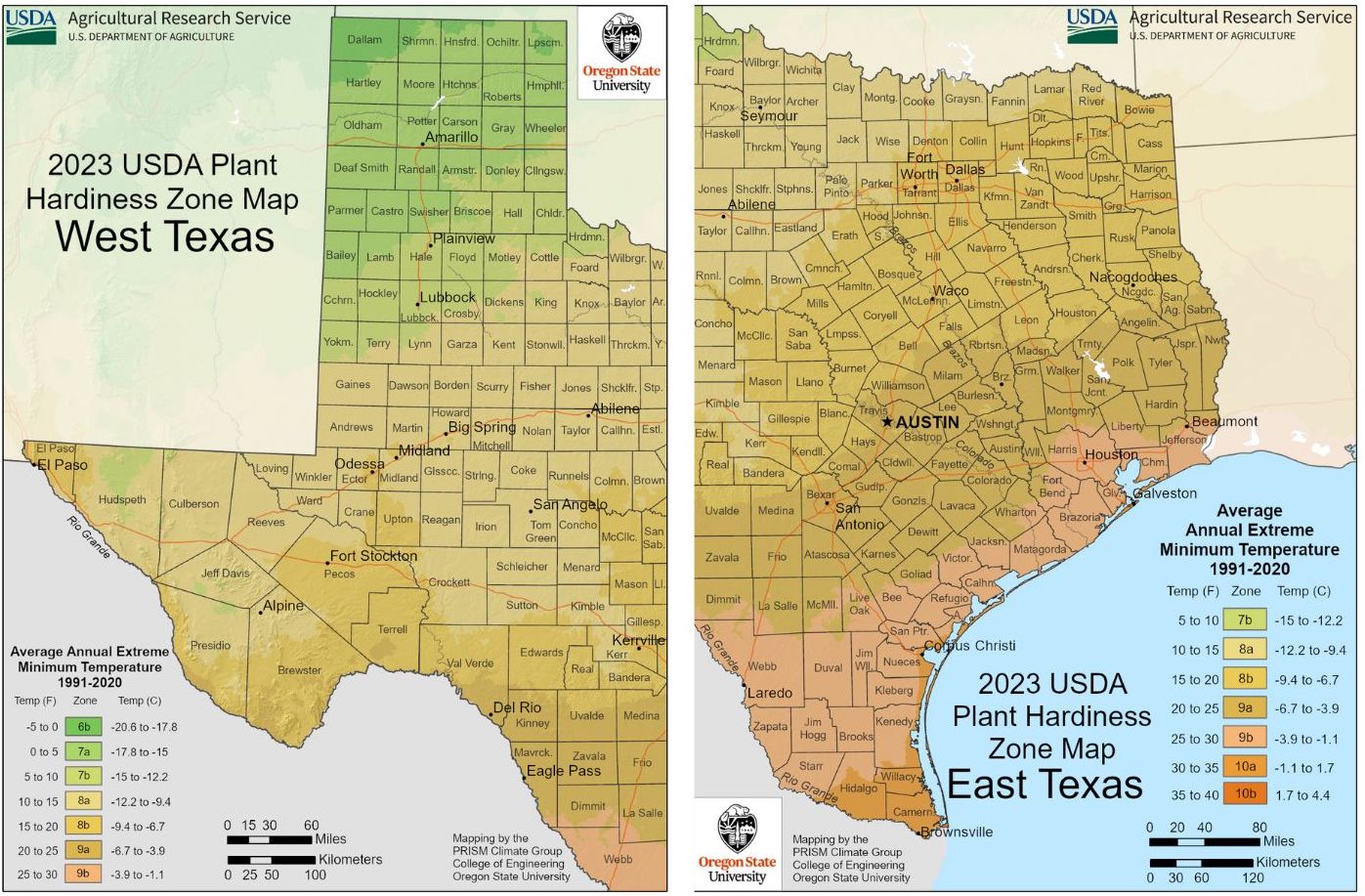
The northernmost reaches of Texas, specifically the Texas Panhandle and parts of the northern plains, fall into Zone 6. This includes areas around cities like Amarillo and Lubbock. Here, average annual minimum winter temperatures can dip as low as -10°F to 0°F. This zone is characterized by colder winters with occasional significant freezes, requiring plants that can withstand harsher conditions.
- Planting Considerations for Zone 6: Hardy perennials, many deciduous trees, and certain shrubs can flourish here. Gardeners in this zone might find success with plants like red maple, flowering dogwood, and hardy roses. Vegetables that tolerate frost, such as broccoli, kale, and peas, are also well-suited for this climate. The key is selecting species with proven cold tolerance.
- Challenges in Zone 6: The primary challenge is the severity of winter freezes. Drought and high winds can also be significant factors, especially in the plains regions. Careful selection of drought-tolerant and wind-resistant plants is a necessity for successful gardening and landscaping.
Zone 7: North and Central Texas’s Transitional Climate
A substantial portion of Texas, including Dallas, Fort Worth, and much of the north-central region, resides in Zone 7. This zone experiences average annual minimum winter temperatures ranging from 0°F to 10°F. It represents a transitional climate, experiencing colder winters than the southern parts of the state but generally milder than the Panhandle.
- Gardening in Zone 7: This zone offers a broader range of plant choices. Many popular landscape plants thrive here, including various fruit trees like apples and pears, ornamental trees like crape myrtles, and a wide array of flowering shrubs and perennials. Spring and fall gardens are particularly productive, with opportunities to grow a variety of vegetables and flowers.
- Regional Variations within Zone 7: Even within Zone 7, there can be microclimates. Urban areas like Dallas may experience a slight warming effect due to the heat island phenomenon, while more rural or elevated areas might experience colder snaps. Understanding these nuances is key for optimal plant selection.
Zone 8: East, South, and West Texas Embrace Milder Winters
Zone 8 covers a significant portion of Texas, encompassing areas such as Houston, San Antonio, Austin, and parts of West Texas around El Paso. The average annual minimum winter temperatures here range from 10°F to 20°F. This is a much milder winter climate, allowing for a longer growing season and the cultivation of a wider variety of plants, including those that might be considered tender in more northern zones.
- Subtropical Influences in Zone 8: The eastern and southern parts of Zone 8 in Texas begin to feel subtropical influences. This means plants that might not survive in colder climates can often overwinter successfully. This includes many varieties of citrus, palms, and more tender flowering plants.
- Diversity of Flora: Zone 8 supports a remarkable diversity of flora. From the piney woods of East Texas to the Hill Country and the Edwards Plateau, the landscape allows for a mix of native and introduced species. This zone is ideal for growing a wide array of roses, azaleas, camellias, and numerous flowering annuals and perennials that extend bloom times well into the fall and early spring.
- Water Management: While winters are milder, summers in Zone 8 can be intensely hot and dry, especially in the western parts. Therefore, selecting drought-tolerant plants and implementing efficient water management strategies are crucial for landscape success.
Zone 9: The Subtropical South Coast and Rio Grande Valley
The southernmost tip of Texas, including the Rio Grande Valley and the immediate Gulf Coast region around Corpus Christi and Brownsville, falls into Zone 9. This zone experiences the mildest winters in the state, with average annual minimum temperatures ranging from 20°F to 30°F. Some areas might even approach Zone 10.
- Tropical and Subtropical Paradises: Zone 9 is where Texas truly embraces its subtropical character. It is the prime region for growing citrus fruits commercially, including oranges, grapefruits, and lemons. Many varieties of palms, bougainvillea, and other heat-loving, frost-sensitive plants thrive here year-round.
- Extended Growing Seasons: The extended frost-free period allows for multiple growing seasons for vegetables and herbs. Home gardeners can enjoy a continuous harvest of tomatoes, peppers, and other warm-weather crops.
- Humidity and Coastal Factors: While winters are mild, Zone 9 is characterized by high humidity, especially along the coast. This can influence plant choices, favoring species that tolerate moist conditions. Salt spray from the Gulf of Mexico is another factor to consider for coastal landscaping.
The Nuances of Texas Microclimates
It is essential to recognize that the USDA Hardiness Zones are a generalization. Texas is a geographically diverse state, and numerous microclimates exist within and between these zones. Factors such as elevation, proximity to large bodies of water (like the Gulf of Mexico or Brazos River), urban heat island effects, and even the presence of large trees or buildings can influence local temperatures and thus plant survival.
Urban Heat Islands
Major metropolitan areas like Houston, Dallas, and San Antonio often experience a “heat island” effect. Paved surfaces, buildings, and human activity trap heat, leading to slightly warmer average temperatures compared to surrounding rural areas. This can effectively shift an area into a slightly higher hardiness zone, allowing for a wider variety of plants to survive. For example, a garden within the city limits of Dallas might behave more like Zone 8 than the surrounding Zone 7 countryside.
Elevation and Topography
The Texas Hill Country, for instance, with its rolling hills and varying elevations, can exhibit significant temperature differences between valley floors and higher ridges. Similarly, the mountainous or high-desert regions of West Texas might experience colder nights than might be expected based solely on latitude. These topographical variations create pockets where certain plants might struggle or thrive contrary to the broader zone designation.
Coastal Influence
The Texas Gulf Coast experiences the moderating influence of the Gulf of Mexico. This generally leads to milder winters and cooler summers than inland areas at similar latitudes. This maritime effect can push coastal regions into slightly warmer hardiness zones, benefiting plant species that appreciate less extreme temperatures. However, it also brings increased humidity and the potential for salt spray.
Practical Applications for Gardeners and Travelers
Understanding Texas’s hardiness zones is not just an academic exercise; it has direct practical implications for a variety of activities, from planning a garden to choosing destinations for outdoor pursuits.
Gardening and Landscaping
For anyone planting a garden, whether in their backyard in Austin or a community plot in Houston, consulting the hardiness zone map is the first step. It helps determine which perennial plants are most likely to survive the winter and return year after year. It also informs decisions about planting times for annuals and vegetables, maximizing the growing season and yield. Choosing plants native to Texas or well-adapted to its specific zone and microclimate is often the key to success and helps conserve water.
Planning Outdoor Activities and Tourism
For travelers interested in exploring Texas’s diverse landscapes, understanding the hardiness zones can offer insights into regional vegetation. For example, a spring visit to the Rio Grande Valley (Zone 9) might reveal blooming citrus groves and abundant flowering tropical plants, a stark contrast to the more resilient flora found in the Panhandle (Zone 6). Knowing the zones can also inform expectations about when certain natural attractions will be at their peak, such as wildflower displays in Central Texas or the changing colors of deciduous trees in North Texas.

Agricultural Considerations
Beyond home gardening, hardiness zones are fundamental to Texas agriculture. Farmers and ranchers rely on this information to select crops and livestock breeds that are suited to the climate. The viability of growing pecans in North Texas, cotton in West Texas, or citrus in the Rio Grande Valley is directly tied to the long-term temperature patterns indicated by the hardiness zones. Understanding these zones helps ensure sustainable agricultural practices and economic success across the state’s diverse agricultural regions.
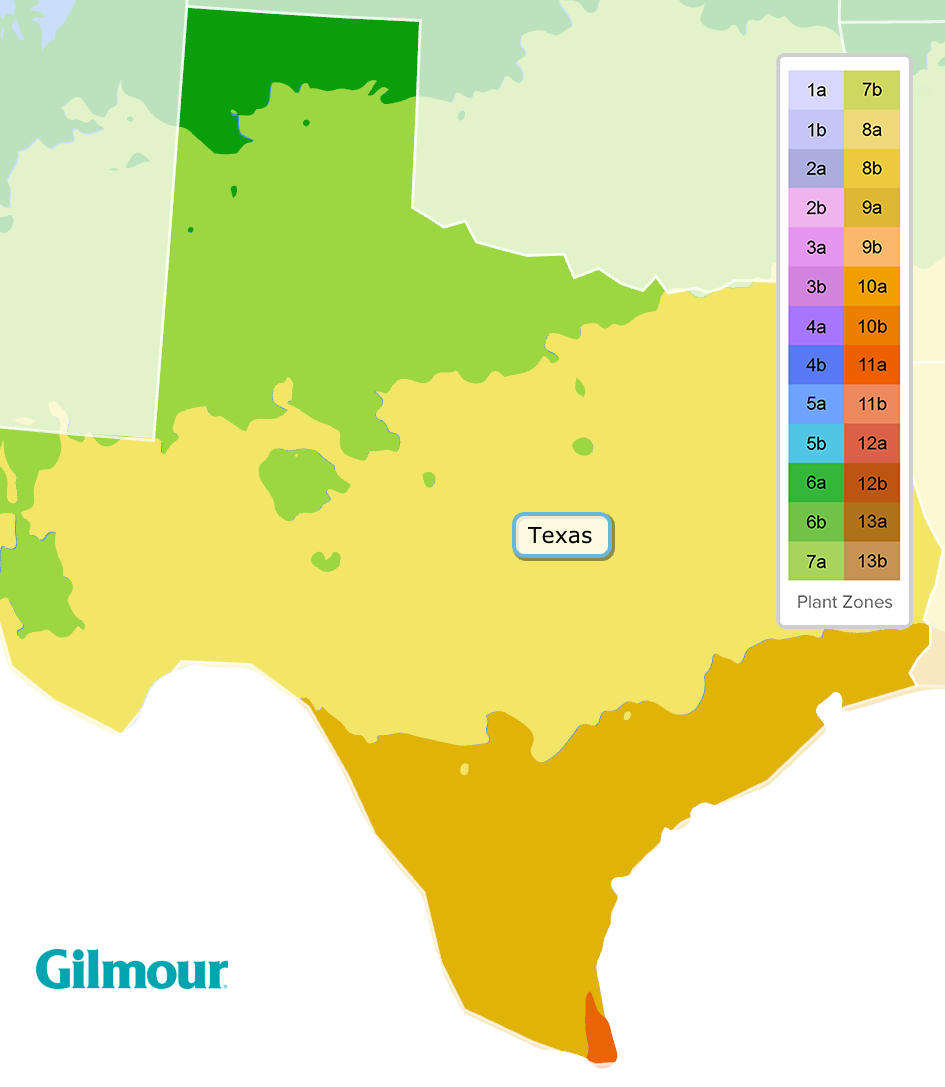
In conclusion, Texas is a mosaic of USDA Plant Hardiness Zones, ranging from Zone 6 in the north to Zone 9 in the south, with significant variations due to its vast size and varied topography. This diversity creates a rich horticultural landscape, offering opportunities for a wide array of plant life and making Texas a fascinating destination for gardeners, nature enthusiasts, and travelers alike.
LifeOutOfTheBox is a participant in the Amazon Services LLC Associates Program, an affiliate advertising program designed to provide a means for sites to earn advertising fees by advertising and linking to Amazon.com. Amazon, the Amazon logo, AmazonSupply, and the AmazonSupply logo are trademarks of Amazon.com, Inc. or its affiliates. As an Amazon Associate we earn affiliate commissions from qualifying purchases.