
California, often envisioned as a land of sunshine and opportunity, presents a complex tapestry of policies that govern homeownership, rental agreements, and housing development. For residents and prospective inhabitants alike, understanding these policies is crucial for navigating the Golden State’s unique housing landscape. This exploration delves into the various regulatory frameworks and initiatives shaping the Californian home experience, focusing on aspects most relevant to individuals and families seeking secure and comfortable living arrangements.
Tenant Protections and Rental Regulations
California has established a robust set of laws designed to protect renters from unfair practices and ensure a baseline standard of living. These regulations address a wide array of issues, from rent control and eviction procedures to habitability standards and security deposits.
Rent Control and Stabilization
Several cities across California have implemented rent control ordinances, often referred to as rent stabilization measures. These policies aim to prevent exorbitant rent increases and provide tenants with greater predictability in their housing costs.
Local Ordinances and Their Impact
Cities like Los Angeles, San Francisco, and Oakland have some of the most well-known rent control laws. These ordinances typically cap the percentage by which rent can be increased annually, often tied to inflation rates. For instance, the Ellis Act in California allows landlords to exit the rental business, but its application is subject to specific notice requirements and tenant protections. Understanding the specific provisions of a city’s rent control ordinance is paramount, as they can vary significantly in scope and application, particularly concerning the types of properties covered and the exemptions available to landlords.
Statewide Tenant Protections
In addition to local measures, the Tenant Protection Act of 2019 (AB 1482) introduced statewide rent caps and “just cause” eviction protections for many renters across California. This landmark legislation limits annual rent increases to 5% plus the local inflation rate, capped at a total of 10%, and requires landlords to have a valid reason to evict a tenant. Exemptions typically apply to newer buildings, single-family homes not owned by corporations, and duplexes where the owner occupies one of the units.
Eviction Protections and Procedures
California law outlines specific procedures that landlords must follow before evicting a tenant. These protections are designed to prevent arbitrary evictions and give tenants adequate time to address issues or find alternative housing.
Notice Requirements
Before initiating an eviction, landlords must serve tenants with proper written notice. The type of notice required depends on the reason for the eviction. For example, a three-day notice to pay rent or quit is required if a tenant has failed to pay rent. For other reasons, such as lease violations or the landlord’s desire to move into the property, longer notice periods may be mandated. The Foreclosure Transformation Act may also influence eviction processes in certain circumstances.
Just Cause Evictions
Under AB 1482, landlords must have one of the enumerated “just causes” to terminate a tenancy for most properties. These causes generally fall into two categories: “at-fault” just cause (e.g., non-payment of rent, lease violations) and “no-fault” just cause (e.g., owner move-in, substantial remodeling, withdrawal from the rental market). No-fault evictions often require landlords to pay relocation assistance to the tenant.
Habitability Standards and Landlord Responsibilities
California law mandates that rental properties must meet certain habitability standards. Landlords are responsible for maintaining their properties in a safe and livable condition.
Maintaining Safe and Sanitary Conditions
Landlords must ensure that rental units are free from hazards and provide essential services such as working plumbing, heating, and electricity. This includes addressing issues like pest infestations, mold, and structural defects. Tenants have recourse if a landlord fails to maintain these standards, which can include withholding rent under specific circumstances or pursuing legal action. The Selma Act is an example of legislation that can impact these landlord responsibilities.
Repairs and Maintenance
Tenants are generally required to notify their landlords of any needed repairs. Once notified, landlords have a reasonable amount of time to make the repairs. If a landlord fails to do so, tenants may have options such as making the repairs themselves and deducting the cost from the rent (under strict guidelines) or breaking the lease without penalty.
Security Deposits
The rules governing security deposits in California are designed to protect both tenants and landlords.
Limits and Permissible Deductions
Landlords can collect a security deposit, but the amount is limited to two months’ rent for unfurnished units and three months’ rent for furnished units. Landlords can only deduct from the security deposit for unpaid rent, damage to the property beyond normal wear and tear, and cleaning costs necessary to return the unit to its condition at the start of the tenancy.
Return of Deposits
Landlords must return the security deposit, or provide an itemized statement of any deductions, within 21 days after the tenant vacates the property. Failure to comply can result in penalties.
Homeownership Policies and Property Rights
For those looking to own a home in California, a different set of policies governs the process, from financing and property taxes to homeowners’ insurance and homeowner association (HOA) regulations.
Property Taxes and Assessment
California’s property tax system is primarily governed by Proposition 13, which significantly impacts the assessment and taxation of real property.
Proposition 13 and Its Revisions
Enacted in 1978, Proposition 13 limits property tax rates to 1% of a property’s assessed value and restricts annual increases in assessed value to no more than 2% unless the property is sold or newly constructed. While this measure has provided tax stability for existing homeowners, it has also led to disparities in tax burdens, with long-time owners often paying significantly less than new buyers for comparable properties. Subsequent legislation, such as Proposition 19, has introduced changes to property tax rules, particularly concerning intergenerational transfers and the ability of seniors and disabled individuals to transfer their property tax bases to replacement homes.

Homeowners’ Insurance Requirements
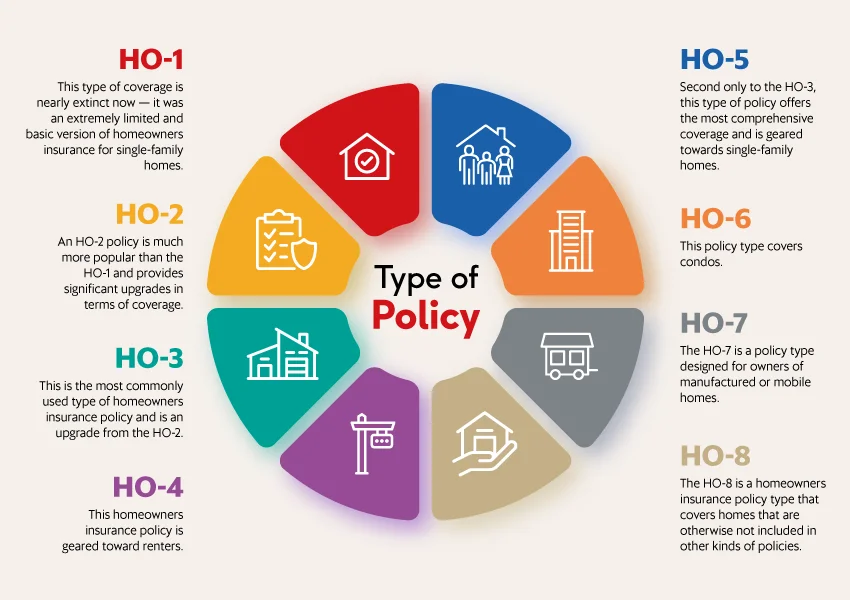
Homeowners’ insurance is a critical component of homeownership, providing protection against a variety of perils. California has specific regulations and market conditions that influence the availability and cost of this insurance.
Market Challenges and Availability
In recent years, certain regions of California, particularly those prone to wildfires and earthquakes, have faced challenges with homeowners’ insurance availability and affordability. Insurers have increased premiums or non-renewed policies in high-risk areas, leading some homeowners to rely on the California FAIR Plan, a state-sponsored insurer of last resort. Efforts are underway to address these market dynamics, including reforms aimed at making insurance more accessible.
Policy Coverage and Legal Protections
California law outlines minimum standards for homeowners’ insurance policies, including protections against fire damage. Understanding what your policy covers, including specific perils like earthquakes and floods (which are often excluded and require separate coverage), is crucial.
Homeowner Associations (HOAs) and Community Living
Many residential communities in California are governed by Homeowner Associations (HOAs). These organizations have the authority to set rules and regulations for residents, impacting everything from architectural changes to pet ownership.
Governing Documents and Resident Rights
HOAs operate under a set of governing documents, typically including the CC&Rs (Covenants, Conditions & Restrictions), bylaws, and rules and regulations. Residents have rights and responsibilities under these documents. The Davis-Stirling Common Interest Development Act provides the legal framework for HOAs in California, outlining requirements for governance, elections, and dispute resolution.
Fees, Assessments, and Enforcement
HOA members are typically required to pay regular dues and may be subject to special assessments for large projects or unexpected expenses. HOAs have the power to enforce their rules, which can include levying fines or taking legal action against homeowners who violate the CC&Rs.
Housing Development and Affordability Initiatives
California faces significant challenges with housing affordability, and the state has implemented various policies aimed at increasing housing supply and creating more affordable options.
Zoning Laws and Land Use Regulations
Local zoning ordinances play a significant role in determining where and what type of housing can be built. The state has been increasingly pushing for reforms to streamline development and encourage denser housing.
State Efforts to Streamline Development
Recent legislation, such as SB 9 and SB 10, seeks to address housing shortages by making it easier to build duplexes on single-family lots and to allow for increased density in transit-rich areas. These laws aim to overcome restrictive zoning that has limited housing production in many communities.
Affordable Housing Programs and Subsidies
Various state and local programs offer assistance to low- and moderate-income individuals and families seeking affordable housing.
Rental Assistance and Homeownership Programs
These programs can include rental subsidies, down payment assistance for first-time homebuyers, and the development of dedicated affordable housing projects. The California Department of Housing and Community Development (HCD) oversees many of these initiatives, working to increase the supply of affordable housing across the state.
Inclusionary Zoning
Some cities have implemented inclusionary zoning policies, which require developers of new market-rate housing projects to set aside a certain percentage of units as affordable housing or to contribute to an affordable housing fund.
Specialized Housing Policies
Beyond general rental and ownership regulations, California also addresses specific housing needs through specialized policies.
Manufactured Housing and Mobilehomes
California has a substantial population living in manufactured homes and mobilehomes, and specific laws govern this sector.
Tenant Rights and Park Regulations
Laws protect the rights of mobilehome park residents, addressing issues like rent increases, eviction protections, and the sale of mobilehomes. The Mobilehome Residency Law is a key piece of legislation in this area.
Short-Term Rentals
The proliferation of short-term rental platforms like Airbnb has led many cities to implement regulations.

Local Ordinances and Compliance
Cities are increasingly enacting ordinances to regulate short-term rentals, often focusing on issues like licensing, occupancy limits, and the duration for which properties can be rented on a short-term basis. Compliance with these evolving local rules is crucial for property owners.
In conclusion, California’s home policies are a dynamic and multifaceted system. Whether one is a renter seeking stability and protection, a homeowner navigating taxes and insurance, or an aspiring resident looking for affordability, a thorough understanding of these regulations is essential for a successful and secure housing experience in the Golden State.
LifeOutOfTheBox is a participant in the Amazon Services LLC Associates Program, an affiliate advertising program designed to provide a means for sites to earn advertising fees by advertising and linking to Amazon.com. Amazon, the Amazon logo, AmazonSupply, and the AmazonSupply logo are trademarks of Amazon.com, Inc. or its affiliates. As an Amazon Associate we earn affiliate commissions from qualifying purchases.