
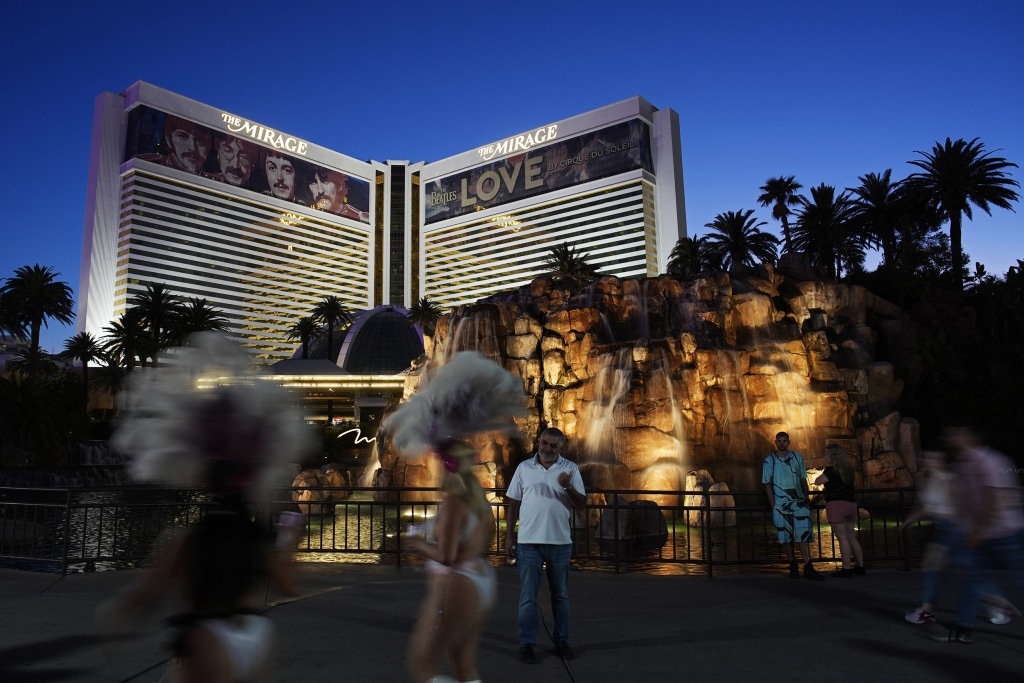
The skyline of Las Vegas is one of the most recognizable in the United States, characterized by its constant state of reinvention. For decades, the Las Vegas Strip has served as a playground for architects and hospitality moguls, where old legends are often cleared away to make room for the next generation of luxury resorts. If you are asking which hotel is closing in Vegas, the answer is a significant one that marks the end of a legendary era: the Tropicana Las Vegas. Additionally, the city is witnessing the temporary closure and total rebranding of the Mirage Hotel and Casino, which is set to emerge as a new flagship property.
The hospitality industry in Nevada operates on the principle of evolution. While the closure of a historic property can be bittersweet for frequent travelers and history enthusiasts, it usually signals a massive infusion of capital and the introduction of modern amenities that redefine the guest experience. Understanding these closures requires a look at both the legacy of the properties being lost and the ambitious visions replacing them.
The End of an Era: The Tropicana Las Vegas Closure
The most high-profile closure to hit the Las Vegas Strip recently is the Tropicana Las Vegas. After nearly seven decades of operation, this iconic resort officially closed its doors in April 2024. For those who appreciate the classic charm of “Old Vegas,” the Tropicana Las Vegas was one of the last remaining links to the 1950s and 1960s, an era when the city was synonymous with the Rat Pack and glamorous showgirls.
The Legacy of the Rat Pack Era
When the Tropicana Las Vegas opened in 1957, it was the most expensive hotel built in the city at that time. Known as the “Tiffany of the Strip,” it offered a level of luxury that was previously unseen in Las Vegas. Over the years, the hotel became famous for its lush tropical landscaping, its stunning stained-glass ceiling in the casino, and the long-running Folies Bergere show. Unlike the massive mega-resorts that would follow, the Tropicana Las Vegas maintained a sense of approachable mid-century elegance. Its closure marks the removal of a cornerstone of the city’s hospitality history.
Making Way for the Oakland Athletics Stadium
The closure of the Tropicana Las Vegas is not just about the age of the building; it is about a strategic shift in how the land is utilized. The Ballys Corporation, which owned the property, reached an agreement to demolish the resort to make room for a new state-of-the-art stadium for the Oakland Athletics. As Major League Baseball prepares to enter the Las Vegas market, the site where the hotel once stood will be transformed into a 33,000-seat ballpark. This move highlights the growing trend of Las Vegas becoming a global sports destination, even if it means sacrificing some of its most famous hotel rooms and suites.
Transforming the Skyline: The Mirage Hotel and Casino Transition
While the Tropicana Las Vegas is being demolished, another giant of the Las Vegas Strip is undergoing a total metamorphosis. The Mirage Hotel and Casino, the property that single-handedly launched the modern mega-resort era in 1989, officially closed its doors in July 2024. However, unlike the Tropicana Las Vegas, the site will remain a hotel, albeit under a completely different brand and aesthetic.
From Tropical Oasis to Hard Rock Identity
The Mirage Hotel and Casino was the brainchild of developer Steve Wynn. It was the first resort to feature a massive free attraction—the famous volcano—and it set the standard for high-end amenities, including an indoor tropical atrium and the Siegfried and Roy Secret Garden. The property was recently acquired by Hard Rock International. The closure is necessary to facilitate a multi-year renovation that will see the entire resort rebranded as the Hard Rock Hotel and Casino Las Vegas.

The Impact on Volcano Shows and Strip Amenities
The most visual change for the Mirage Hotel and Casino site will be the removal of the volcano. In its place, Hard Rock International plans to build a massive, 600-foot-tall guitar-shaped hotel tower. This new structure will mirror the design of their successful property in Florida. For guests who enjoyed the tropical theme of the Mirage Hotel and Casino, the transition represents a shift toward a high-energy, music-centric hospitality experience. The new Hard Rock Hotel and Casino Las Vegas will offer modernized suites, expanded casino floors, and a revitalized pool area designed to compete with the newest giants on the Las Vegas Strip.
The Evolution of Las Vegas Hospitality and Resorts
The closure of these hotels is a symptom of a much larger trend within the Las Vegas hospitality sector. As consumer expectations rise, older properties often find that the cost of maintaining aging infrastructure exceeds the profit potential. In a city where Wynn Las Vegas, The Venetian Las Vegas, and Bellagio Hotel and Casino set an incredibly high bar for luxury, mid-tier and older resorts must either adapt or clear the way.
Luxury Suites and High-Rise Amenities
Modern travelers to Las Vegas are increasingly seeking “experiential” luxury. This means that hotel rooms are no longer just places to sleep between casino sessions; they are destinations in themselves. New developments and major renovations are focusing on sprawling luxury suites with floor-to-ceiling windows, smart-room technology, and personalized concierge services. Properties like the Fontainebleau Las Vegas and Resorts World Las Vegas have raised the stakes, offering multiple hotel brands within a single complex, high-end shopping, and Michelin-starred dining.
Integrated Resorts and Modern Guest Experiences
The shift from the Tropicana Las Vegas to a sports-integrated complex reflects the “Integrated Resort” model. This model ensures that the hotel is just one part of a massive entertainment ecosystem. When Hard Rock International reopens the Mirage Hotel and Casino site as the Hard Rock Hotel and Casino Las Vegas, it will focus heavily on live music venues and digital entertainment integrations. The goal is to keep guests on the property for their entire stay by providing a seamless transition between the gaming floor, the spa, the theater, and their luxury accommodations.
Why Major Las Vegas Hotels Close and Rebrand
The decision to close a hotel in Las Vegas is never made lightly, given the millions of dollars in revenue these properties generate. However, several economic and market factors drive these transformations.
Market Competition and Technological Upgrades
Many older hotels on the Las Vegas Strip were built with layouts that do not accommodate modern technological needs. Upgrading a building like the Tropicana Las Vegas to include modern high-speed internet, energy-efficient HVAC systems, and the plumbing required for modern luxury bathrooms is often more expensive than starting from scratch. Furthermore, the competition from neighboring properties like Caesars Palace and Encore Las Vegas forces owners to constantly rethink their brand identity.

The Shift Toward Sports and Entertainment Tourism
The entry of the Oakland Athletics and the previous success of the Vegas Golden Knights and the Las Vegas Raiders have changed the fundamental makeup of the city. Las Vegas is no longer just a gambling town; it is the sports capital of the world. This shift necessitates a different type of hospitality infrastructure. Hotels are now being built or renovated to cater to large influxes of fans, featuring larger communal spaces, sports-themed bars, and proximity to major stadiums and arenas like the Allegiant Stadium and the T-Mobile Arena.
As the Tropicana Las Vegas fades into history and the Mirage Hotel and Casino prepares for its rock-and-roll rebirth, the Las Vegas Strip continues to be a living laboratory for the hotel industry. While the loss of these historic sites is significant, the new developments promise to offer a level of sophistication and entertainment that will draw visitors to Nevada for many more decades to come. Whether it is through the demolition of the old or the rebranding of the iconic, Las Vegas remains the world leader in resort innovation.
LifeOutOfTheBox is a participant in the Amazon Services LLC Associates Program, an affiliate advertising program designed to provide a means for sites to earn advertising fees by advertising and linking to Amazon.com. Amazon, the Amazon logo, AmazonSupply, and the AmazonSupply logo are trademarks of Amazon.com, Inc. or its affiliates. As an Amazon Associate we earn affiliate commissions from qualifying purchases.