
Stanley Kubrick’s chilling masterpiece, The Shining, has etched itself into cinematic history, and with it, the unforgettable, albeit terrifying, setting of the Overlook Hotel. This isolated, snowbound mountain resort, a character in its own right, looms large in the psyche of film enthusiasts and horror aficionados alike. While the film masterfully conjures an atmosphere of dread and psychological decay within its fictional walls, the question of its real-world inspiration and filming locations has long intrigued audiences. This exploration delves into the genesis of the Overlook Hotel, examining the real-life establishments that contributed to its haunting image, and separating cinematic myth from tangible reality.

The Real-World Inspiration: A Tale of Two Hotels
The genesis of the Overlook Hotel is not rooted in a single, monolithic entity but rather in a fascinating confluence of real-life establishments that sparked author Stephen King’s imagination and influenced Kubrick’s visual interpretation. While King famously based his novel on a stay at the Stanley Hotel in Estes Park, Colorado, the cinematic adaptation took a different, albeit related, path in its primary filming location.
The Stanley Hotel: The Author’s Muse
Stephen King and his wife, Tabitha King, stayed at the Stanley Hotel in September 1974. They were the only guests checked in at the time, as the hotel was about to close for the winter season. This profound isolation, coupled with the hotel’s grand yet somewhat faded Victorian architecture, served as the fertile ground for his narrative. King has vividly described his experience, including a solitary walk through the eerily empty hallways, the vast ballroom, and the disquieting atmosphere that permeated the establishment. The hotel’s notorious reputation for paranormal activity, including reports of ghostly apparitions and unexplained phenomena, further fueled the genesis of the Overlook Hotel’s supernatural undertones.
The Stanley Hotel itself, built in 1909 by Freelan Oscar Stanley, the inventor of the Stanley Steamer automobile, possesses a rich history and a distinct character. Its sprawling grounds, panoramic views of the Rocky Mountains, and the iconic Room 217, where King experienced a vivid nightmare, all became integral elements in his creative process. While the novel’s Overlook Hotel is perched precariously atop a mountain, surrounded by an unending winter, the Stanley Hotel in Colorado offers a starkly beautiful, yet undeniably imposing, presence that echoes the film’s isolated setting.
The Timberline Lodge: The Filming Exterior
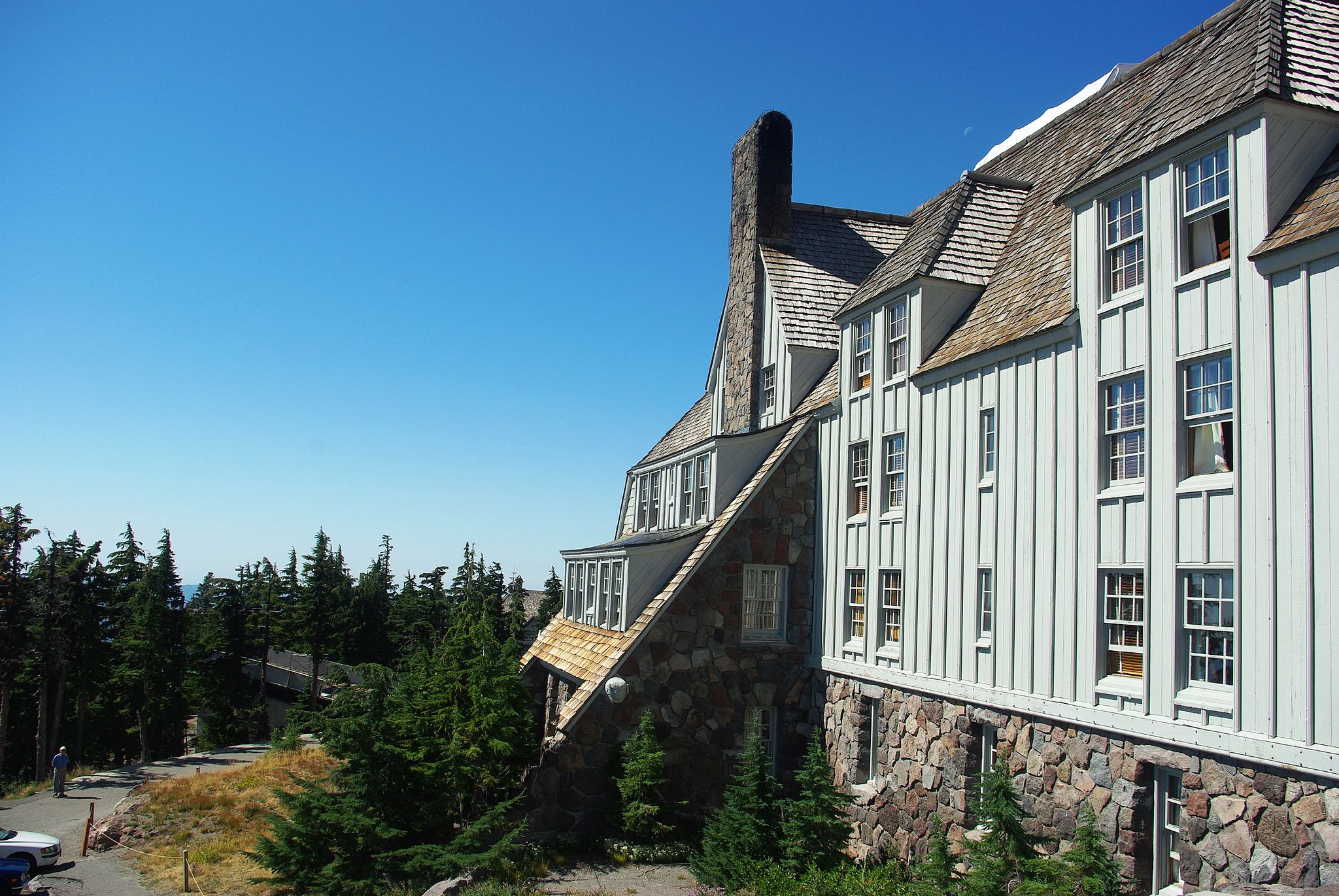
Despite the Stanley Hotel serving as the primary muse for the novel, Stanley Kubrick chose a different location for the exterior shots of the Overlook Hotel in his film adaptation. The majestic Timberline Lodge, situated on the slopes of Mount Hood in Oregon, provided the iconic visual representation of the ill-fated resort. Built in the late 1930s as a Works Progress Administration (WPA) project, the Timberline Lodge is a stunning example of rustic architecture, blending seamlessly with its natural surroundings.
Kubrick and his team extensively filmed the exterior establishing shots of the Overlook Hotel at the Timberline Lodge. The grandeur of the lodge, with its imposing stone façade, steeply pitched roofs, and the vast, snow-covered landscape that envelops it, perfectly captured the sense of isolation and overwhelming scale that the director intended for the Overlook Hotel. The iconic aerial shot of the lodge, appearing as a seemingly insignificant speck against the immensity of the mountain, immediately sets a tone of vulnerability and foreboding.
It is important to note that the Timberline Lodge’s interior does not feature in the film’s principal photography. The film’s interior scenes were primarily shot on sound stages constructed at Elstree Studios in Hertfordshire, England. This deliberate choice allowed Kubrick greater control over the environment, enabling him to meticulously craft the labyrinthine corridors, the unsettlingly spacious ballroom, and the distinct geometric patterns of the carpets that have become synonymous with the film’s visual language.
Cinematic Liberties and the Art of Illusion
The cinematic adaptation of The Shining is a testament to Stanley Kubrick’s meticulous attention to detail and his unparalleled ability to create a distinct and immersive world. While the Timberline Lodge provided the striking exterior, the film’s narrative necessitated a more malleable and controlled environment for its internal horrors. The decision to construct the Overlook Hotel’s interiors on sound stages in England allowed for the creation of spaces that were not only visually arresting but also served the psychological narrative with chilling precision.

The Myth of the Stanley Hotel Interior
A common misconception is that the interior shots of the Overlook Hotel were filmed at the Stanley Hotel. However, as previously mentioned, the Stanley Hotel only served as the inspiration for the novel. The famous hedge maze, for instance, a pivotal element in the film’s climax, was not present at the Stanley Hotel at the time of filming. Instead, a smaller maze was constructed on the grounds of Elstree Studios, and a much larger, more expansive maze was created using aerial photography and clever editing.
Similarly, the iconic Room 237, the site of Jack Torrance’s most disturbing encounter, is a fictional designation for the film. In the Stanley Hotel, the room that inspired King’s narrative is Room 217. The change in room number was reportedly made to avoid potentially deterring guests from booking the actual room where King had his experience. The hotel management at the Timberline Lodge also requested that the film not depict Room 217 as haunted, leading to the adoption of Room 237 for the on-screen terror.
Elstree Studios: Crafting the Psychological Labyrinth
The interior sets built at Elstree Studios were designed to be both grand and disorienting. The expansive ballroom, the cavernous lobby, and the seemingly endless corridors were all meticulously crafted to evoke a sense of isolation and psychological entrapment. Kubrick’s use of wide-angle lenses and unsettling symmetry in these constructed spaces amplified the feeling of unease and contributed to the film’s dreamlike, yet nightmarish, atmosphere. The iconic geometric carpet patterns, designed by Saul Bass, are not merely decorative; they are visually arresting elements that can induce a sense of vertigo and disorientation, mirroring Jack Torrance’s descent into madness.
The construction of these sets allowed for the precise staging of key scenes, such as Danny’s tricycle rides through the hotel’s corridors, the eerie encounters in the Gold Room, and the climactic pursuit through the snow-covered maze. The controlled environment of the studio was essential for Kubrick’s precise filmmaking style, enabling him to achieve the perfect framing, lighting, and blocking for each terrifying moment.
Visiting the Sites: A Pilgrimage for Fans
For the legions of The Shining enthusiasts, the real-world locations associated with the film offer a unique opportunity to connect with the cinematic masterpiece on a tangible level. Both the Stanley Hotel and the Timberline Lodge have embraced their connection to the film, becoming popular destinations for fans seeking to immerse themselves in the world of Jack, Wendy, and Danny Torrance.
The Stanley Hotel: A Haunted Legacy
The Stanley Hotel in Estes Park, Colorado has fully capitalized on its role as the inspiration for the novel. It now actively promotes itself as a haunted destination, offering ghost tours, paranormal investigations, and even themed events related to The Shining. Visitors can tour the hotel, learn about its history, and, of course, visit Room 217, which remains a popular booking. The hotel’s stunning architecture and its breathtaking location in the Rocky Mountains make it a compelling destination even for those not specifically drawn by its connection to the film. The enduring allure of the Stanley Hotel lies in its ability to transport visitors back to the moment of King’s inspiration, allowing them to experience the same atmosphere that birthed the terrifying Overlook Hotel.
The Timberline Lodge: Majestic and Memorable
The Timberline Lodge on Mount Hood in Oregon offers a different, yet equally profound, fan experience. While the lodge does not overtly market itself as a haunted destination in the same vein as the Stanley Hotel, its iconic exterior shots are instantly recognizable to fans. Visitors can admire the lodge’s magnificent architecture, explore its beautiful interior, and appreciate the rugged, snow-laden landscape that provided the film’s iconic visual backdrop. The lodge also offers accommodations, dining, and recreational activities, making it a popular year-round destination. The sense of scale and isolation that the Timberline Lodge evokes is a direct echo of the Overlook Hotel‘s imposing presence, offering a powerful reminder of the film’s masterful visual storytelling.
The Enduring Allure of the Overlook
The Overlook Hotel, though a fictional construct, has transcended the screen to become a cultural icon. Its power lies not only in its terrifying narrative but also in the real-world elements that shaped its creation and cinematic representation. From the author’s solitary night in a haunted hotel to the majestic grandeur of a mountain lodge, the Overlook Hotel is a testament to the potent blend of inspiration and cinematic artistry. Whether one chooses to visit the Stanley Hotel for its ghostly lore or the Timberline Lodge for its cinematic grandeur, the legacy of the Overlook Hotel continues to captivate and haunt audiences, solidifying its place as one of cinema’s most unforgettable landmarks. The dual nature of its existence – a source of literary inspiration and a visually striking filming location – ensures its enduring appeal, inviting fans to explore the tangible echoes of a truly terrifying story.
LifeOutOfTheBox is a participant in the Amazon Services LLC Associates Program, an affiliate advertising program designed to provide a means for sites to earn advertising fees by advertising and linking to Amazon.com. Amazon, the Amazon logo, AmazonSupply, and the AmazonSupply logo are trademarks of Amazon.com, Inc. or its affiliates. As an Amazon Associate we earn affiliate commissions from qualifying purchases.