
Planning Your Hunting Getaway to the Heart of Dixie
Alabama, affectionately known as the Heart of Dixie, offers an unparalleled blend of natural beauty and rich biodiversity, making it a premier destination for hunting enthusiasts across the Southeastern United States. For travelers seeking an immersive outdoor experience, understanding the state’s diverse hunting seasons is paramount to planning a successful and memorable trip. From the dense forests of the Appalachian foothills to the expansive wetlands of the Gulf Coast, Alabama provides a varied landscape supporting a robust population of game animals.
Hunting in Alabama is more than just a sport; it’s a cherished tradition deeply woven into the fabric of local culture. Whether you’re an avid deer hunter, a seasoned turkey caller, or keen on pursuing waterfowl, the state’s meticulously managed wildlife resources ensure opportunities for every type of sportsman. Planning your travel around specific seasons not only maximizes your chances of a fruitful hunt but also allows you to experience the state’s unique regional characteristics during different times of the year. This guide delves into the specifics of Alabama’s hunting calendar, offering insights to help you craft the perfect outdoor adventure.
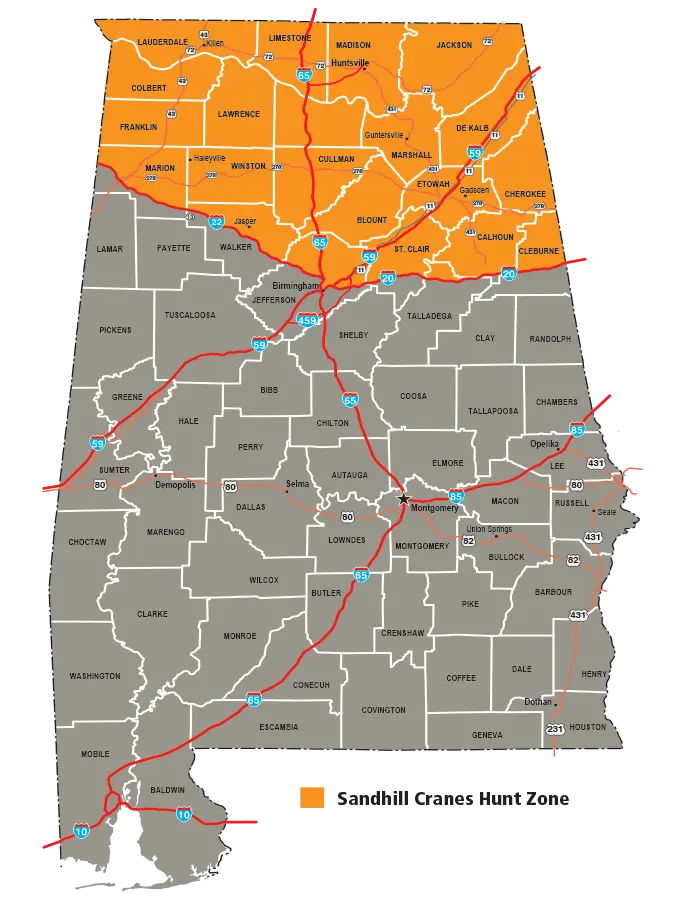
Navigating Alabama’s Diverse Game Seasons
The hunting calendar in Alabama is dynamic, with seasons varying by species, weapon type, and sometimes by specific zones or land types. Staying informed about these dates is crucial for any traveler planning a hunting trip.
White-tailed Deer: The Premier Pursuit
White-tailed deer hunting is arguably the most popular pursuit in Alabama, drawing thousands of hunters annually. The seasons are typically structured to accommodate different hunting methods, extending from late fall through winter.
- Archery Season: Kicking off in mid-October and often running until late January or early February, the archery season offers a challenging and primitive hunting experience. This early start allows hunters to pursue deer before significant pressure from firearms. Prime locations span across the state, from the northern mountains to the agricultural lands of the Black Belt.
- Muzzleloader Season: Typically a shorter window, often in November, the muzzleloader season bridges the gap between archery and gun season. It offers a unique blend of traditional hunting methods with a longer range than archery, appealing to those who appreciate historical firearms.
- Gun Season: The main event for many, gun season usually opens in late November or early December, extending into late January or early February. This period sees the highest participation and offers the best chance at harvesting a deer. Alabama employs various zones, and hunters must verify the specific dates and bag limits for the zone they plan to hunt within. Deer populations are robust across the state, with particularly large trophy potential often found in the fertile Black Belt region. Public lands such as William B. Bankhead National Forest and Talladega National Forest, along with numerous Wildlife Management Areas (WMAs), offer extensive opportunities for public land deer hunting.
Wild Turkey: Springtime’s Roaming Challenge
For those who relish the thrill of calling in a wary gobbler, wild turkey season in Alabama is a springtime pilgrimage.
- Spring Turkey Season: Generally opening in mid-March and concluding in late April or early May, the spring turkey season coincides with the mating rituals of these magnificent birds. Hunters often travel to Alabama specifically for its renowned turkey hunting, which provides an intensely engaging and strategic hunt. The state’s diverse habitats, from hardwood bottomlands to pine forests, support healthy turkey populations. Success hinges on scouting, patience, and mastering various calling techniques.
Waterfowl and Upland Game: Broader Horizons
Alabama offers excellent opportunities for waterfowl and a variety of upland game, providing a different flavor of hunting travel.
- Waterfowl (Ducks and Geese): Following the Mississippi Flyway, Alabama serves as a wintering ground for numerous duck and goose species. Seasons typically run from late November or early December through January, often with split seasons to maximize opportunities. The state’s extensive river systems, including the Tennessee River and the vast Mobile-Tensaw Delta, are hotspots for waterfowl hunters. Guided trips in these regions are popular for travelers unfamiliar with the local terrain.
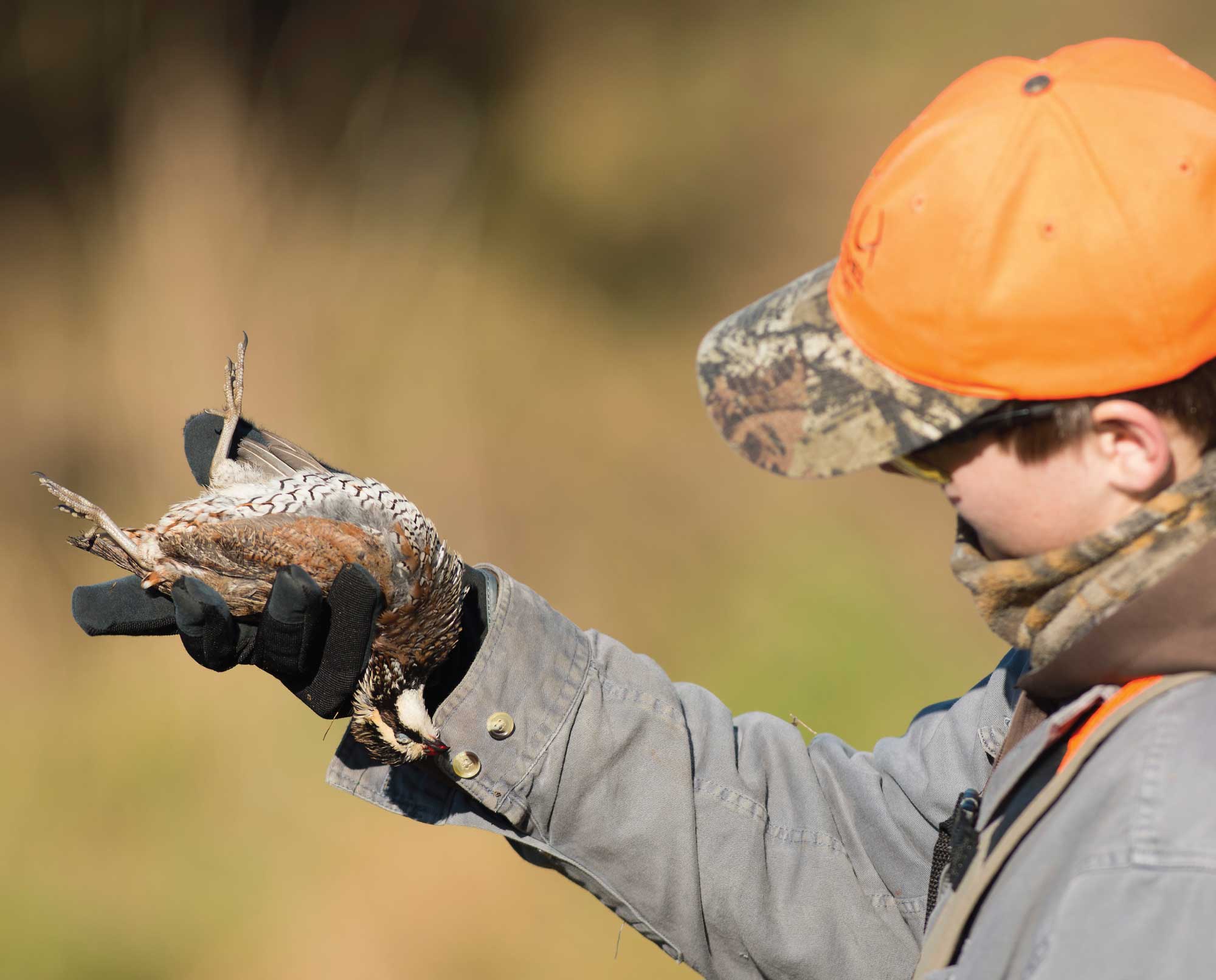
- Quail, Rabbit, and Squirrel: These small game species offer a more relaxed hunting experience, often ideal for family trips or those new to hunting. Seasons for squirrel and rabbit typically open in early fall and extend into late winter, offering a long window for pursuit. Quail season usually runs from November through February. These hunts can be a fantastic way to experience Alabama’s natural landscapes without the intense pressure of big game hunting.
Feral Hogs and Coyotes: Year-Round Opportunities
For hunters seeking continuous action, Alabama offers year-round opportunities for feral hogs and coyotes. These species are considered nuisance animals due to their impact on native wildlife and agriculture, thus often having generous or no bag limits.
- Year-Round Hunting: Feral hogs and coyotes can be hunted virtually any time of year, often as an incidental part of other hunts or as a primary focus. This provides flexibility for travel planning, allowing hunters to visit outside of traditional seasons. Many private land operations and even some public lands welcome hog hunters, offering a thrilling and impactful hunting experience.
Essential Travel Considerations for Alabama Hunters
Beyond knowing the seasons, a successful hunting trip to Alabama requires careful consideration of regulations, lodging, and logistical planning.
Licensing and Regulations: Your Hunting Passport
Before setting foot in the field, securing the proper licenses and understanding current regulations is non-negotiable.
- Obtaining Licenses: Non-resident hunters must purchase an Alabama hunting license, which can typically be acquired online through the Alabama Department of Conservation and Natural Resources (ADCNR) website, or from licensed vendors across the state. Specific tags may be required for certain species, and migratory bird stamps are essential for waterfowl.
- Staying Informed: Hunting regulations, season dates, bag limits, and legal weapons can change annually. It is imperative to consult the most current regulations published by the ADCNR well in advance of your trip. Understanding public land access rules, hunter orange requirements, and legal shooting hours will ensure a safe and lawful experience.
Choosing Your Base Camp: Accommodations and Amenities
Your choice of accommodation will significantly influence your hunting travel experience. Alabama offers a range of options suitable for various preferences and budgets.
- Hunting Lodges and Outfitters: For a comprehensive and hassle-free experience, many travelers opt for guided hunts with established lodges and outfitters. These operations often provide everything from lodging and meals to experienced guides, stands, and game processing facilities. They are particularly popular for deer and turkey hunting, especially in the Black Belt region.
- Hotels and Vacation Rentals: If you prefer independent hunting on public lands or have access to private property, nearby towns like Montgomery, Birmingham, or Mobile offer a wide array of hotels, motels, and vacation rentals. Opting for accommodations within a reasonable driving distance of your hunting grounds is key. Many rural areas also feature cabins or small inns that cater to hunters.
- Camping: For the truly immersed outdoor enthusiast, camping is often permitted in national forests and some WMAs, offering a rustic and cost-effective base camp. Always check specific regulations for camping on public hunting lands.
Guided Hunts vs. Public Land Exploration
Deciding between a guided experience or exploring public lands is a crucial travel planning decision.
- Guided Hunts: Ideal for travelers seeking convenience, expertise, and a higher probability of success, especially for first-time visitors to Alabama. Guides possess invaluable local knowledge of game patterns, property boundaries, and effective hunting strategies. This option often includes transport within the hunting area, game recovery, and processing assistance.
- Public Land Exploration: For the self-reliant hunter, Alabama boasts extensive public hunting opportunities through its national forests (e.g., William B. Bankhead National Forest, Talladega National Forest) and numerous Wildlife Management Areas. These lands offer challenging but rewarding hunts, demanding thorough scouting, map navigation, and adherence to specific WMA regulations. It’s an excellent choice for those who enjoy the solitude and challenge of figuring out a new landscape.

Beyond the Hunt: Exploring Alabama’s Natural Beauty
While hunting may be the primary draw, a travel itinerary to Alabama can be enriched by exploring the state’s broader natural and cultural offerings. Consider extending your stay to enjoy other outdoor activities or local attractions.
- Fishing: Alabama is renowned for its freshwater fishing, with abundant bass, crappie, and catfish in its lakes and rivers. Saltwater fishing along the Gulf Coast is also exceptional.
- Hiking and Paddling: State Parks, such as Lake Guntersville State Park, offer scenic trails and opportunities for kayaking or canoeing.
- Local Cuisine: Savor the flavors of Southern hospitality, from barbecue joints to fresh Gulf seafood.
- Historical Sites: Explore the state’s rich history, particularly its role in the Civil Rights Movement and Native American heritage.
Alabama’s diverse hunting seasons and expansive natural landscapes provide a compelling travel destination for any outdoor enthusiast. By understanding the seasonal opportunities, adhering to regulations, and planning your logistics, you can ensure a fulfilling and unforgettable hunting adventure in the Heart of Dixie.
LifeOutOfTheBox is a participant in the Amazon Services LLC Associates Program, an affiliate advertising program designed to provide a means for sites to earn advertising fees by advertising and linking to Amazon.com. Amazon, the Amazon logo, AmazonSupply, and the AmazonSupply logo are trademarks of Amazon.com, Inc. or its affiliates. As an Amazon Associate we earn affiliate commissions from qualifying purchases.