
The year 2004 will forever be etched in the memory of Florida residents and those who follow hurricane activity. It was a season of unprecedented intensity, a relentless barrage of tropical cyclones that tested the resilience of the Sunshine State. While several storms flirted with the coastline, a particular sequence of four major hurricanes carved a devastating path across Florida, leaving a profound impact on its landscape, economy, and the lives of its people. This was not the story of a single storm, but a saga of consecutive blows that redefined the understanding of hurricane season preparedness and recovery.

A Summer of Storms: The Unprecedented Fury of 2004
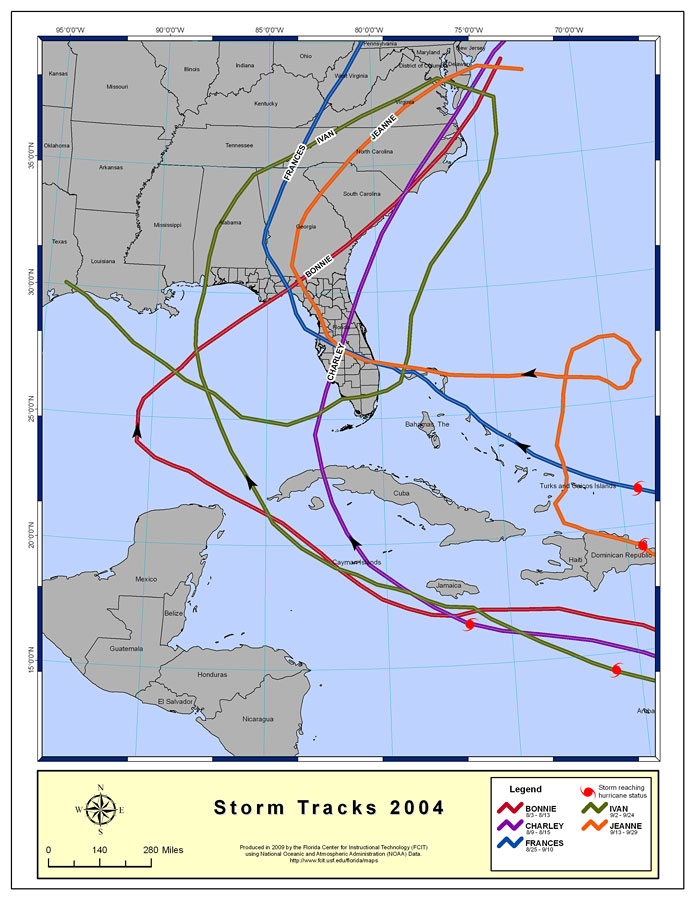
The 2004 Atlantic hurricane season was a stark reminder of nature’s power, and Florida bore the brunt of its fury. While the Atlantic basin is no stranger to tropical activity, the frequency and intensity of the storms that year were exceptional. This was a season that saw a remarkable clustering of major hurricanes, each leaving its indelible mark. The National Hurricane Center would later analyze this period, highlighting its significance in meteorological history. The storms that defined this year for Florida were Charley, Frances, Ivan, and Jeanne. Their names became synonymous with widespread destruction, power outages, and a collective effort to rebuild and recover.
Hurricane Charley: The First Shockwave
The first significant blow came in early August. Hurricane Charley, a Category 4 storm, made landfall on Florida’s southwest coast near Gator Club on August 13, 2004. Its rapid intensification and unexpected track caught many by surprise. Charley was a compact but incredibly powerful storm, packing winds of up to 145 mph. Its landfall location was particularly devastating, striking the densely populated Southwest Florida region, including cities like Punta Gorda and Port Charlotte. The storm surge and high winds caused catastrophic damage to homes, businesses, and infrastructure. Many structures were leveled, and the sheer force of the winds tore roofs off buildings, leaving a trail of destruction.
The impact of Charley was immediate and profound. Power lines were downed across vast areas, leaving hundreds of thousands without electricity for weeks. Essential services were disrupted, and the emotional toll on residents was immense. The speed at which Charley intensified and moved made evacuation orders challenging to implement effectively for everyone. Many were caught off guard, leading to increased risks and a more severe impact. Despite the devastation, the swift response from emergency services and the community’s spirit of resilience began to emerge in the aftermath. The damage was estimated to be in the billions of dollars, making it one of the costliest storms to hit Florida at the time. The cleanup and rebuilding efforts began almost immediately, fueled by a sense of urgency and the need to restore normalcy.
Hurricane Frances: A Wider, Wetter Blow
Just weeks after Charley receded, Florida braced itself for another major threat: Hurricane Frances. This Category 2 storm made landfall on the east coast of Florida near Sewall’s Point on September 4, 2004. Unlike the fast-moving and compact Charley, Frances was a much larger and slower-moving storm. Its vast circulation brought widespread heavy rainfall and prolonged periods of strong winds across much of the state, from the Atlantic Coast to the Gulf Coast.
The impact of Frances was characterized by extensive flooding and significant wind damage across a broader area. The heavy rainfall, sometimes exceeding 10-20 inches in some locations, led to widespread inland flooding, inundating roads, homes, and businesses. The storm surge along the Atlantic Coast also caused considerable damage to coastal communities. The prolonged nature of the storm meant that many areas experienced high winds for many hours, exacerbating the damage to already weakened structures and infrastructure. Power outages were even more widespread and prolonged than with Charley, affecting millions of Floridians for extended periods. The combination of wind and water damage created a challenging environment for recovery, with many areas facing a dual threat of rebuilding and dealing with ongoing water-related issues.
Hurricane Ivan: A Near Miss and Lingering Threat
Following Frances, the Atlantic continued its tempestuous display. Hurricane Ivan, a massive Category 5 storm at its peak intensity, posed a significant threat to Florida. While Ivan ultimately made landfall in Alabama as a Category 3 storm on September 16, 2004, its impact on Florida was still substantial. The western parts of the Florida Panhandle experienced severe wind damage and a significant storm surge. Cities like Pensacola and Destin bore the brunt of Ivan’s destructive winds and coastal flooding.
Even for areas not directly hit by the core of Ivan, the storm brought significant rainfall and rough seas to Florida’s coastlines. The threat of Ivan kept Florida residents on edge, adding to the psychological strain of an already battering hurricane season. The sheer size of Ivan meant that its influence extended far beyond its landfall point. The storm’s passage contributed to further erosion along beaches and heightened concerns about coastal defenses. The cumulative effect of these storms began to weigh heavily on the state’s resources and its residents’ sense of security.
Hurricane Jeanne: The Final, Devastating Blow
As if the previous storms weren’t enough, Florida faced yet another direct hit. Hurricane Jeanne, initially a tropical storm that re-formed and intensified into a Category 3 hurricane, made landfall near Stuart on the southeast coast of Florida on September 25, 2004. This was remarkably close to the landfall location of Frances. Jeanne brought another round of destructive winds, heavy rainfall, and storm surge to an already ravaged state.
The impact of Jeanne was particularly felt in the eastern and central parts of Florida. Many of the same areas impacted by Frances experienced renewed damage. The relentless battering from these storms had already weakened infrastructure, making it more vulnerable to Jeanne’s onslaught. The storm surge threatened coastal communities again, and the heavy rainfall contributed to ongoing flooding issues. The cumulative damage from Charley, Frances, Ivan, and Jeanne was staggering. The economic impact was measured in the tens of billions of dollars, affecting industries from agriculture and tourism to construction and insurance. The emotional and psychological toll on residents who had endured multiple evacuations and experienced significant property damage was immense.
Beyond the Wind and Rain: The Lasting Impact on Florida
The hurricane season of 2004 was more than just a series of weather events; it was a catalyst for change and a profound learning experience for Florida. The state, often seen as a paradise for tourism and a haven for retirees, demonstrated its vulnerability to the ever-increasing power of hurricanes. The consecutive nature of these major storms highlighted critical shortcomings in preparedness, communication, and long-term recovery strategies.
Rethinking Preparedness and Infrastructure
The 2004 hurricane season forced a serious re-evaluation of Florida’s preparedness strategies. Emergency management agencies worked tirelessly to coordinate responses, but the sheer scale and frequency of the storms stretched resources thin. The effectiveness of evacuation plans, the capacity of emergency shelters, and the communication networks were all put to the test. This period led to significant investments in improving hurricane forecasting and warning systems, enhancing public education campaigns about storm preparedness, and strengthening building codes to withstand higher wind speeds.
The damage to critical infrastructure, including power grids, transportation networks, and communication systems, underscored the need for more resilient designs and faster restoration capabilities. The prolonged power outages, in particular, highlighted the dependence on a robust and reliable energy supply. This led to discussions and initiatives aimed at modernizing the power infrastructure and exploring more distributed energy solutions. The impact on tourism, a cornerstone of Florida’s economy, was also significant. While the state is accustomed to weathering storms, the prolonged disruption caused by multiple hurricanes affected visitor numbers and revenue, prompting a focus on more rapid recovery for tourist destinations and the services they provide.

The Economic and Social Repercussions
The economic repercussions of the 2004 hurricane season were far-reaching. The cost of damage and recovery efforts ran into the tens of billions of dollars, impacting insurance markets, government budgets, and individual households. Many businesses, particularly small enterprises, struggled to recover from the sustained disruption and financial losses. The rebuilding process was a long and arduous one, often requiring extensive financial aid and volunteer support.
Beyond the financial costs, the social and psychological impact on Floridians was profound. Residents experienced fear, anxiety, and a sense of displacement. The loss of homes, livelihoods, and the disruption of daily life created significant emotional distress. However, this period also showcased the remarkable resilience and strong sense of community that characterized Florida. Neighbors helped neighbors, volunteers poured in from across the country, and a spirit of shared determination emerged. The experience forged a stronger sense of collective identity and a deeper appreciation for the importance of preparedness and mutual support in the face of adversity. The scars of 2004 serve as a perpetual reminder of the power of nature and the enduring strength of the human spirit in Florida.
LifeOutOfTheBox is a participant in the Amazon Services LLC Associates Program, an affiliate advertising program designed to provide a means for sites to earn advertising fees by advertising and linking to Amazon.com. Amazon, the Amazon logo, AmazonSupply, and the AmazonSupply logo are trademarks of Amazon.com, Inc. or its affiliates. As an Amazon Associate we earn affiliate commissions from qualifying purchases.