
The Sunshine State of Florida is no stranger to the raw power of nature, and hurricanes are a recurring, often impactful, force that shapes its coastal landscapes and influences the lives of its residents and the experiences of its visitors. When news breaks of a significant storm system churning in the Atlantic or the Gulf of Mexico, and its trajectory points towards Florida, a natural and pressing question arises: “What Hurricane Hit Florida?” This question is more than just a casual inquiry; it’s a gateway to understanding the immediate impact, the long-term recovery efforts, and how it might affect your travel plans, your chosen accommodation, and the very essence of your Florida adventure.
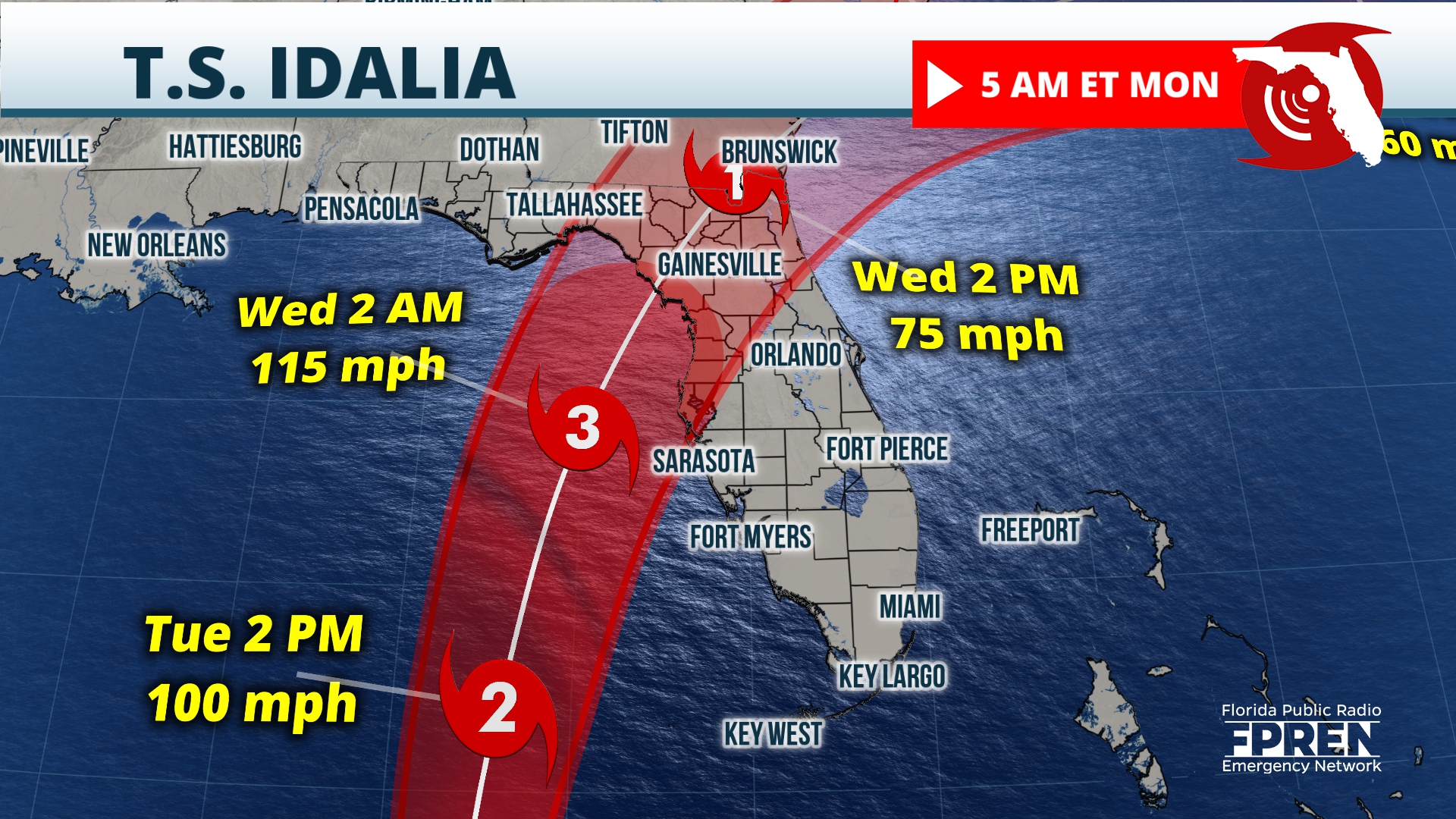
The intensity and path of a hurricane dictate its severity. From a glancing blow that brings heavy rain and gusty winds to a direct hit from a major storm that causes widespread devastation, the difference is profound. Understanding which hurricane impacted a region is crucial for assessing damage, planning relief, and appreciating the resilience of the affected communities. For travelers, this knowledge can inform decisions about when to visit, which areas to avoid, and what to expect in terms of open attractions and available hotels.
This exploration delves into the critical aspects of understanding hurricanes in Florida, from identifying storms to comprehending their influence on travel, tourism, and the broader lifestyle of this vibrant state. We’ll consider how these natural phenomena can reshape the very fabric of a destination, from its natural landmarks to its bustling cities and serene beaches.
Understanding Hurricane Impact on Florida Travel and Tourism
Hurricanes in Florida are a significant concern for the state’s thriving tourism industry. The sheer volume of visitors drawn to its theme parks, beaches, and vibrant cities means that storm impacts can ripple far beyond the immediate affected areas. Understanding the nature of the hurricane that hits is the first step in grasping the scope of its influence.
Identifying the Storm: Naming Conventions and Tracking
The process of identifying a hurricane is systematic. Before a storm even reaches hurricane strength, it is classified based on its wind speed. Tropical depressions have sustained winds of up to 38 mph, while tropical storms have winds between 39 and 73 mph. Once sustained winds reach 74 mph or higher, the system is officially classified as a hurricane.
The World Meteorological Organization maintains a list of names for tropical storms and hurricanes, rotating through predetermined alphabetical lists each year. These names are assigned sequentially as storms reach tropical storm strength. For example, if the first tropical storm of the season is named “Alex,” the next will be “Bonnie,” and so on. This naming convention provides a simple and immediate way to refer to a specific storm, making it easier to track its progress and discuss its impact. When we ask, “What Hurricane Hit Florida?” the answer is often a name like “Ian,” “Michael,” “Andrew,” or “Wilma.”
Tracking these storms is a constant effort by meteorologists. Organizations like the National Hurricane Center in Miami, Florida, utilize a sophisticated network of satellites, aircraft, and buoys to monitor storm development, predict their paths, and estimate their intensity. This information is critical for issuing watches and warnings, allowing residents and tourists to prepare for potential impacts.
Assessing the Damage: Beyond the Wind
While wind speed is a primary factor in hurricane classification, the damage caused by a hurricane is multi-faceted. The direct impact of high winds can cause structural damage to hotels, homes, and attractions. However, other factors often contribute significantly to the destruction:
- Storm Surge: This is the abnormal rise of water generated by a storm, over and above the predicted astronomical tide. Storm surge is often the deadliest and most destructive aspect of a hurricane, inundating coastal areas with powerful waves and currents. Coastal resorts and villas are particularly vulnerable to this phenomenon.
- Heavy Rainfall and Inland Flooding: Hurricanes can dump prodigious amounts of rain, leading to widespread inland flooding. Rivers can overflow, and low-lying areas can become submerged, impacting infrastructure, transportation routes, and even areas far from the coast.
- Tornadoes: Hurricanes can spawn tornadoes, particularly in their outer rain bands, adding another layer of destructive potential.
The extent of the damage dictates the duration of recovery. A hurricane that causes minimal damage might see attractions and hotels reopening within days. However, a Category 5 storm can leave a region devastated for months, or even years, requiring extensive rebuilding of infrastructure, accommodation, and the restoration of essential services. This prolonged impact directly affects the tourism season and the overall lifestyle of the affected communities.
Navigating Florida’s Hospitality Scene Post-Hurricane

The impact of a hurricane is acutely felt in Florida’s diverse hospitality sector, from luxury resorts to budget-friendly apartments. For travelers, understanding the implications for their accommodation and overall trip experience is paramount.
The Hotel and Resort Landscape: Recovery and Rebuilding
Following a hurricane, the hotel and resort landscape in Florida undergoes significant changes. The immediate aftermath often sees many properties closed due to damage, power outages, or safety concerns. This can lead to a scarcity of available rooms, especially in areas that are less affected and become havens for displaced residents or emergency personnel.
- Damage Assessment: Hotels and resorts must first assess the extent of damage to their properties. This involves checking for structural integrity, water damage, and the safety of electrical and plumbing systems.
- Repairs and Renovations: For heavily damaged properties, the rebuilding process can be lengthy and complex, involving extensive repairs, renovations, and even complete reconstruction. This is where the luxury travel segment might see some of its most exclusive resorts undergo significant upgrades, potentially leading to an even more refined experience once reopened.
- Temporary Closures and Reopenings: Shorter-term closures are common for minor damage or to allow staff to attend to personal needs. The speed at which a hotel or resort reopens is often a testament to its preparedness and the severity of the storm. Travelers may find that even properties that appear intact might have limited services initially.
- Booking and Comparison: For those planning a trip to Florida after a hurricane, using accommodation comparison tools becomes even more vital. It helps identify which hotels are operational, what amenities are available, and the most up-to-date pricing. Reading recent reviews can provide invaluable insights into the current state of a property and the surrounding area.
Alternative Accommodation and Long-Term Stays
Beyond traditional hotels, Florida offers a range of alternative accommodation options, which can play a crucial role in the post-hurricane period.
- Vacation Rentals and Apartments: Apartments and vacation rentals, including villas, can sometimes offer more flexibility and availability than traditional hotels immediately after a storm, especially if they are located in areas that are less impacted. These can be ideal for longer-term stays as communities begin to rebuild.
- Long-Term Stay Options: For individuals needing to relocate for an extended period or for relief workers, long-term stay accommodation options become critical. This might involve negotiated rates at hotels or the rental of fully furnished apartments. The demand for these options can surge significantly after a major hurricane.
- Business Stays: The impact on business stays is also considerable. The rebuilding effort often necessitates a large influx of construction workers, engineers, and insurance adjusters, all requiring temporary lodging. This can put pressure on the availability and pricing of accommodation for business travelers.
Exploring Florida’s Landmarks and Lifestyle Amidst Recovery
Hurricanes can profoundly impact the landmarks and the unique lifestyle that Florida is known for. While the immediate focus is on safety and recovery, the state’s natural beauty and cultural attractions are also part of the long-term healing process.
Preserving and Restoring Natural and Man-Made Landmarks
Florida’s diverse landmarks, from its pristine beaches and the unique ecosystem of the Everglades to its historic architecture in cities like St. Augustine, are susceptible to hurricane damage.
- Natural Landmarks: Coastal erosion, uprooted trees, and damage to coral reefs are common consequences for natural landmarks. The recovery of these areas can take years, requiring extensive environmental restoration efforts. The impact on wildlife habitats is also a significant concern.
- Man-Made Landmarks: Historic buildings, theme park structures, and iconic piers can suffer significant damage. The history and architectural integrity of these sites are often at risk, necessitating careful and skilled restoration. Rebuilding these famous places is not just about physical repair but also about preserving their cultural significance.
- Theme Parks and Attractions: Florida is world-renowned for its theme parks, such as those in Orlando, like Walt Disney World Resort and Universal Orlando Resort. While these parks have robust disaster preparedness plans, direct hits can lead to closures for damage assessment and repairs. The reopening of these major attractions is often a significant milestone in a region’s recovery, signaling a return to normalcy and a boost for local tourism.
Adapting the Florida Lifestyle: From Luxury to Budget
The lifestyle in Florida is as varied as its geography, encompassing everything from opulent luxury travel experiences to simple, budget-friendly getaways. Hurricanes, irrespective of their intensity, inevitably force adaptations.
- Luxury Travel: For those accustomed to luxury travel, the immediate aftermath of a hurricane might mean cancellations or a shift in expectations. However, as resorts recover and often undergo significant upgrades, they can offer an even more exclusive experience. The emphasis shifts to serene environments and personalized service, often in newly renovated settings.
- Budget Travel: Budget travel in Florida can be both resilient and opportunistic. While some budget-friendly hotels might be impacted, the drive for affordable accommodation remains. The focus for budget travelers might shift to exploring less affected areas or taking advantage of potential post-recovery deals. The activities available might also change, with a greater emphasis on natural exploration if certain attractions are temporarily closed.
- Family Trips: Family trips to Florida are often planned far in advance. A hurricane can disrupt these plans, requiring flexibility and a willingness to adapt itineraries. Safety remains the top priority, and parents will look for destinations and hotels that can provide a secure and enjoyable experience for their children, even amidst ongoing recovery efforts.
- Local Culture and Food: Hurricanes also affect the local culture and culinary scene. Restaurants might face closures due to damage or supply chain disruptions. However, the resilience of Florida’s diverse communities often shines through, with local eateries adapting and finding creative ways to serve their patrons. Experiencing the local food is an integral part of tourism, and its availability can be a barometer of recovery.
In conclusion, the question, “What Hurricane Hit Florida?” is a starting point for a deeper understanding of the state’s vulnerability, its remarkable resilience, and the intricate ways in which natural disasters shape its travel, tourism, and lifestyle. From the intricate network of hotels and accommodation to the iconic landmarks and the everyday lives of its people, Florida continues to adapt and rebuild, always with an eye towards the future and the enduring allure of the Sunshine State.
LifeOutOfTheBox is a participant in the Amazon Services LLC Associates Program, an affiliate advertising program designed to provide a means for sites to earn advertising fees by advertising and linking to Amazon.com. Amazon, the Amazon logo, AmazonSupply, and the AmazonSupply logo are trademarks of Amazon.com, Inc. or its affiliates. As an Amazon Associate we earn affiliate commissions from qualifying purchases.