
Arizona, a state often celebrated for its vibrant desert landscapes, year-round sunshine, and burgeoning culinary scene, also boasts a rich agricultural heritage, particularly in citrus. From the historic groves of Mesa and Phoenix to the fertile lands contributing to local farmers’ markets, citrus trees are more than just a source of fruit; they are an integral part of Arizona’s local culture, agritourism, and food identity. The health and vitality of these citrus orchards directly impact the tourism experience, offering everything from “u-pick” activities and farm tours to the fresh, local ingredients gracing restaurant menus across the state. Understanding the primary threats to these iconic trees is crucial not only for agriculturalists but also for tourists and stakeholders in the tourism industry who cherish Arizona’s unique offerings.

The Scourge of Citrus Greening and its Threat to Agritourism
Among the myriad challenges faced by Arizona’s citrus industry, the most formidable and devastating is the threat of Huanglongbing (HLB), commonly known as Citrus Greening disease. This bacterial disease, while not directly harmful to humans, systematically destroys citrus trees, rendering their fruit bitter and unmarketable, and eventually leading to the tree’s demise. Its presence in a region can cripple an entire industry, posing an existential threat to Arizona’s budding agritourism sector.
Huanglongbing’s Devastating Reach
Huanglongbing is spread by a tiny insect called the Asian Citrus Psyllid. These psyllids feed on the sap of citrus trees and, if infected, can transmit the disease to healthy trees. Once a tree is infected, there is no known cure. The disease causes mottled leaves, stunted growth, and green, misshapen fruit that falls prematurely. For tourists seeking authentic farm experiences, the sight of diseased trees and the absence of ripe, flavorful fruit would be a significant deterrent. The economic ripple effect extends beyond the farm gate, impacting local processing facilities, farmers’ markets, and the restaurants that pride themselves on serving fresh, locally sourced Arizona citrus. Protecting against HLB is paramount to preserving the very essence of Arizona’s citrus heritage for future generations of visitors.
Preserving Arizona’s U-Pick Farm Experiences
One of the most cherished tourist activities in Arizona is visiting “u-pick” citrus farms, especially during the harvest season. These experiences offer a tangible connection to local agriculture, allowing visitors to wander through fragrant groves and pick their own oranges, grapefruits, lemons, and tangerines directly from the tree. The health of these orchards is directly linked to the viability of such agritourism ventures. An outbreak of Huanglongbing could lead to quarantines, tree removal, and ultimately, the closure of these popular destinations. Tourists flock to Arizona not just for its natural beauty but also for these unique, hands-on cultural experiences. Safeguarding citrus trees from HLB is therefore a critical step in maintaining the charm and economic vitality of Arizona’s agricultural tourism. Efforts by state agricultural departments, local growers, and community awareness campaigns play a vital role in monitoring and preventing the spread of the Asian Citrus Psyllid, ensuring that these valuable tourist attractions remain open and vibrant.
Arizona’s Climate Extremes: A Double-Edged Sword for Citrus Tourism
While Arizona’s abundant sunshine is generally beneficial for citrus growth, the state’s extreme climatic conditions present significant challenges. Both the intense summer heat and occasional winter frosts can severely damage citrus trees and their fruit, directly impacting the quality and availability of local produce for tourists and the overall aesthetic of agricultural landscapes.
Battling Frost and Scorching Summers
Arizona winters, though generally mild, can surprise with periods of hard frost. Young citrus trees are particularly susceptible, with freezing temperatures causing leaf drop, branch dieback, and even tree death. For mature trees, frost can damage ripening fruit, causing it to dry out internally or develop unsightly blemishes, making it unappealing for consumption and sale. This directly affects the visual appeal of orchards, the yield for “u-pick” farms, and the quality of citrus products available at local markets and served in restaurants. Similarly, the brutal Arizona summer heat, often exceeding 110°F (43°C), can stress citrus trees, leading to sunburn on fruit and foliage, reduced fruit size, and even premature fruit drop. These conditions directly diminish the harvest, impacting the availability of fresh citrus for tourists and local businesses alike. The ability of growers to mitigate these climate extremes through strategic planting, protective measures like covers, and efficient irrigation practices is vital for sustaining the supply chain that supports Arizona’s culinary and agritourism sectors.
Water Scarcity and Sustainable Agritourism
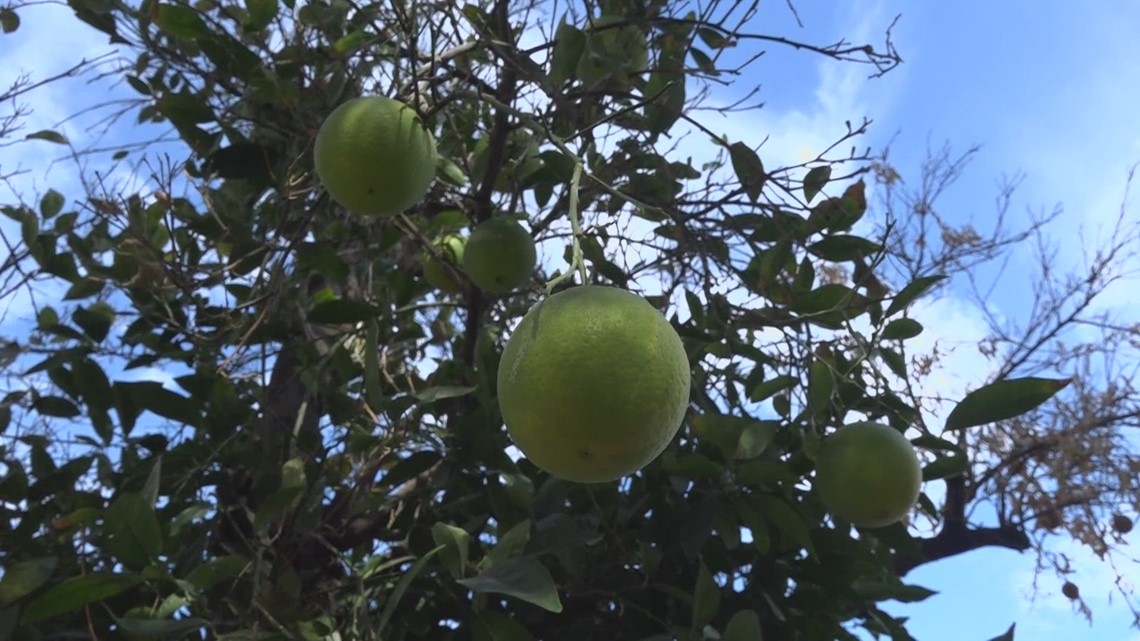
In a desert state like Arizona, water is an invaluable resource. Citrus trees require consistent and adequate irrigation, making water scarcity a perpetual concern. Drought conditions and increasing demands on water resources put immense pressure on citrus growers. Inadequate watering can lead to stunted tree growth, reduced fruit yield, and poor fruit quality, making it less attractive for tourists visiting orchards or purchasing local produce. The perception of sustainable practices is also a growing factor for conscious travelers. Tourists are increasingly drawn to destinations that demonstrate environmental responsibility. Arizona‘s citrus industry, therefore, faces the dual challenge of ensuring sufficient water for healthy trees while also implementing water-efficient irrigation systems and sustainable farming practices that resonate with environmentally aware visitors. Showcasing these efforts through educational tours can even become a unique selling point, attracting tourists interested in responsible agriculture and resource management.
Pests Beyond Psyllids: Maintaining Orchard Health for Visitors
While the Asian Citrus Psyllid is the most notorious pest due to its role in spreading Huanglongbing, numerous other pests also pose significant threats to citrus health, impacting the visual appeal of orchards and the quality of fruit, which in turn influences the visitor experience. Managing these common pests is crucial for presenting vibrant, healthy groves to tourists.
Citrus Leafminer and Aesthetic Appeal
The Citrus Leafminer is a common pest that, while rarely fatal to mature trees, can cause considerable aesthetic damage. The larvae tunnel within young leaves, creating distinctive serpentine trails that cause leaves to curl, distort, and eventually die. For a tourist strolling through an orchard, an abundance of disfigured leaves detracts from the picturesque beauty of a healthy citrus grove. This damage can also stunt the growth of young trees, impacting future yields. Beyond the visual aspect, severe infestations can weaken trees, making them more susceptible to other stresses and diseases. Growers must employ integrated pest management strategies to control Citrus Leafminer populations, ensuring that the orchards remain verdant and inviting for visitors eager to capture Instagram-worthy photos or simply enjoy the serene environment.
Supporting Local Growers for Vibrant Tourist Destinations
Other common pests like aphids, scales, and spider mites can also inflict damage on citrus trees, albeit often less dramatically than the Asian Citrus Psyllid. Aphids can deform new growth and excrete sticky “honeydew” that promotes sooty mold, coating leaves and fruit in a black film. Scales can weaken branches and stunt growth, while spider mites cause stippling on leaves and reduce photosynthetic capacity. While these might seem like minor agricultural nuisances, their cumulative effect on tree health and fruit quality can impact the overall tourism experience. A healthy, pest-free orchard provides abundant, high-quality fruit for consumption and creates a more appealing environment for visitors. Supporting local growers, who invest in pest management and sustainable practices, directly contributes to the maintenance of these beautiful agricultural landscapes that attract tourists to Arizona’s rural areas and farmers’ markets, enriching the state’s diverse tourism portfolio.
Soil Health and Nutrient Management: Foundation for Culinary Delights
The very ground in which Arizona’s citrus trees grow plays a critical role in their health and productivity. Optimal soil conditions and proper nutrient management are fundamental to producing the high-quality, flavorful fruit that drives a significant part of Arizona’s culinary tourism, from gourmet restaurants to roadside stands. Challenges related to soil salinity and nutrient deficiencies can severely impact this cornerstone of local food culture.
Salinity Challenges in the Desert Landscape
Arizona’s desert soils naturally contain higher levels of salts than many other agricultural regions. Over time, irrigation can exacerbate this issue, leading to a build-up of salts in the root zone, a condition known as soil salinity. High salinity levels can inhibit water and nutrient uptake by citrus trees, leading to stunted growth, leaf burn, and reduced fruit yield and quality. For tourists exploring Arizona’s food scene, the impact of poor soil health might manifest as smaller, less juicy, or less flavorful citrus, ultimately diminishing the reputation of Arizona as a source of premium produce. Growers must employ careful irrigation management, soil amendments, and sometimes specific rootstocks to combat salinity and ensure the soil remains conducive to healthy citrus growth.

Ensuring Quality for Arizona’s Food Scene
Beyond salinity, citrus trees require a balanced supply of essential nutrients to thrive. Deficiencies in macronutrients like nitrogen, phosphorus, and potassium, or micronutrients such as iron, zinc, and manganese, can lead to various symptoms including yellowing leaves, poor flowering, and reduced fruit set. These deficiencies not only compromise the tree’s health but also directly affect the size, color, texture, and flavor profile of the fruit. For Arizona’s culinary tourism, the quality of citrus is paramount. Chefs rely on vibrant, flavorful local citrus for signature dishes, beverages, and desserts that draw foodies to the state. Farmers’ markets, which are popular tourist attractions, also depend on a consistent supply of visually appealing and delicious fruit. Effective nutrient management, through regular soil testing and targeted fertilization programs, ensures that Arizona’s citrus trees continue to produce the exceptional fruit that underpins a vital part of the state’s tourism and gastronomic identity. Maintaining the health of these trees is an investment in the ongoing appeal of Arizona as a destination rich in local flavor and unique agricultural experiences.
LifeOutOfTheBox is a participant in the Amazon Services LLC Associates Program, an affiliate advertising program designed to provide a means for sites to earn advertising fees by advertising and linking to Amazon.com. Amazon, the Amazon logo, AmazonSupply, and the AmazonSupply logo are trademarks of Amazon.com, Inc. or its affiliates. As an Amazon Associate we earn affiliate commissions from qualifying purchases.