
In the dynamic world of career progression and professional transitions, understanding the nuances of employment verification is paramount. This administrative process, often a standard component of background checks, serves as a crucial bridge between your past professional life and future opportunities. For anyone navigating the job market in the Golden State, particularly those considering new roles that might entail relocation, embracing a different professional lifestyle, or even embarking on extensive business stays and travel, knowing precisely what information can and cannot be released during employment verification in California is not just a legal technicality – it’s a strategic imperative.
Imagine securing your dream job in a vibrant city like Los Angeles or San Francisco, a role that promises an exciting new chapter, perhaps allowing for more luxury travel or the freedom of a digital nomad lifestyle. Before you can book that luxury suite in a downtown hotel or finalize your long-term accommodation in a scenic locale, your prospective employer will likely initiate an employment verification. This seemingly simple step can have profound implications, shaping everything from your ability to secure a lease or a mortgage to the financial stability that underpins your future travel and lifestyle aspirations. This article delves into the specific guidelines and protections governing employment verification in California, offering clarity for both employers and employees to ensure a smooth, compliant, and ultimately, empowering transition.

The Landscape of Employment Verification in California
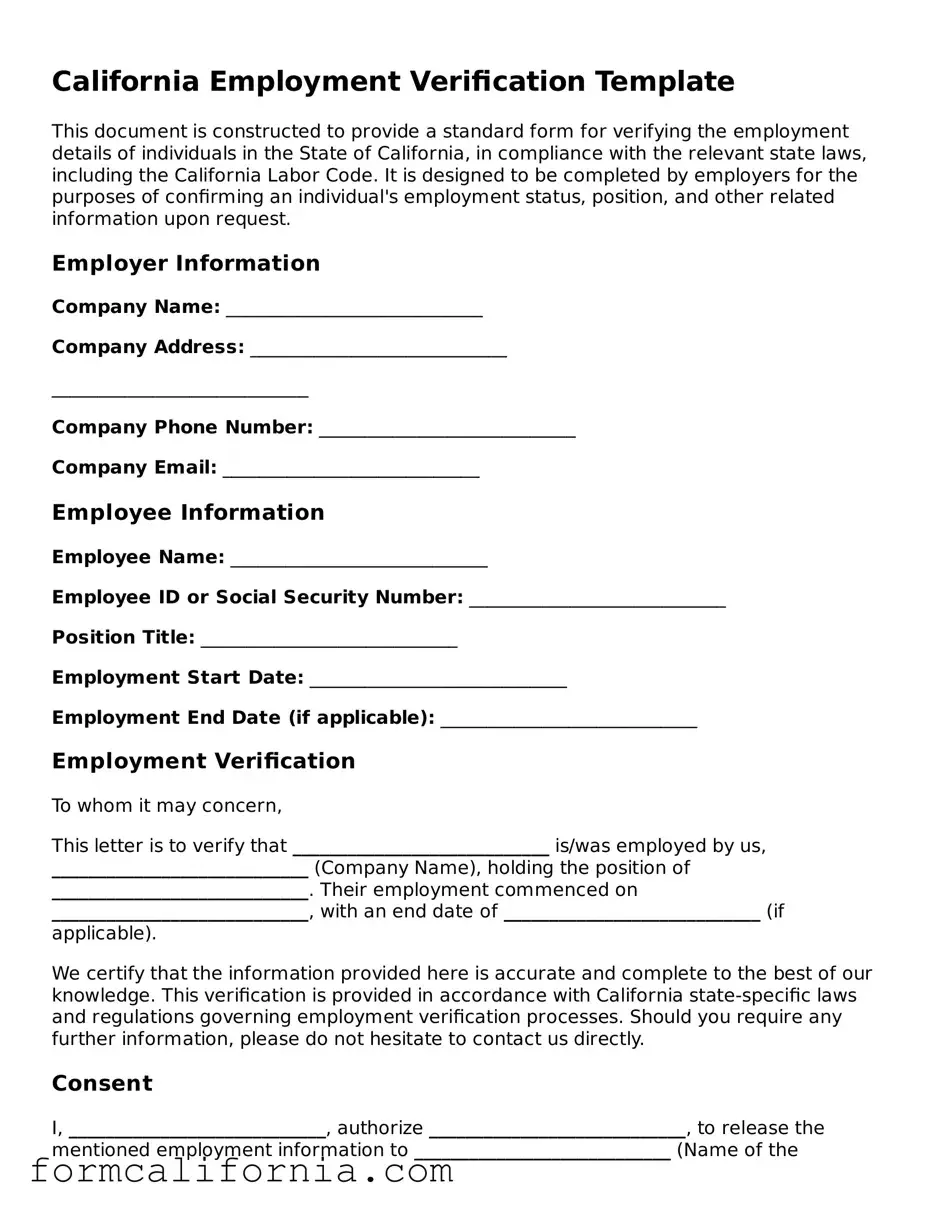
Employment verification is more than just a formality; it’s a critical component of due diligence for employers and a safeguard for employees. In California, a state known for its progressive labor laws, this process is governed by specific regulations designed to balance the needs of businesses with the privacy and career mobility of individuals. Understanding this balance is key to navigating your professional journey, whether you’re seeking to confirm your credentials for a new role or exploring opportunities that align with a flexible, travel-centric lifestyle.
Why Verification Matters: For Employers and Employees
For employers, employment verification is a vital risk mitigation tool. It allows them to confirm the accuracy of information provided by job candidates, such as dates of employment, job titles, and sometimes even reasons for departure. This helps prevent fraudulent claims, ensures that candidates possess the stated experience, and ultimately protects the company from potential liabilities associated with negligent hiring. In a competitive market like California’s, where talent acquisition is fierce, having a reliable verification process is crucial for building a strong, trustworthy workforce.
For employees, the process is equally significant. A smooth and fair verification can expedite hiring, leading to faster job offers and seamless transitions. Conversely, an improperly handled verification, perhaps due to inaccurate or misleading information from a previous employer, can derail an otherwise promising career opportunity. Therefore, employees have a vested interest in understanding their rights and ensuring that only accurate, legally permissible information is shared. This clarity empowers individuals to maintain control over their professional narrative, which is particularly important for those who might be relocating to a new city, such as San Diego, or preparing for a new lifestyle chapter.
General Principles and California Nuances
California law generally leans towards encouraging former employers to provide neutral information during employment verification. The emphasis is on factual data rather than subjective opinions or potentially damaging character assessments. While federal law doesn’t strictly limit what an employer can say, California’s robust protections against defamation mean most employers err on the side of caution. They typically restrict the information released to prevent legal challenges from former employees.
A key nuance in California is the prevailing understanding that employers should avoid giving out negative references, unless the information is demonstrably true and provided without malice. This informal “no comment” or “name, rank, and serial number” policy is a common practice to minimize legal exposure. This cautious approach benefits employees, as it helps prevent subjective or retaliatory feedback from hindering their career prospects. This legal environment ensures that individuals seeking new opportunities, perhaps to explore California’s famous landmarks or embrace a new tourism scene, can do so without undue obstacles from past employment relationships.
Standard Information Employers Can Typically Release
When a prospective employer contacts a former employer in California for verification, there’s a general understanding of what information is commonly and legally shared. While the specifics can vary depending on the former employer’s policies and the consent provided by the employee, certain categories of information are almost universally considered acceptable to release.
Dates of Employment
This is perhaps the most straightforward and least controversial piece of information. Employers are generally comfortable confirming the exact start and end dates of an individual’s employment. This factual data helps the prospective employer verify the duration of a candidate’s experience and track their career progression, which is vital for roles requiring specific years of tenure. For individuals planning a move to a new city or considering a job with significant travel opportunities, accurate dates of employment are fundamental to establishing a credible professional history.
Job Title(s) and Positions Held
Along with dates, confirming the specific job titles and positions held by an employee is standard practice. This information directly corroborates the candidate’s resume and helps the hiring company understand the scope of their past responsibilities. It’s an objective verification of the roles performed within the organization. While a former employer typically won’t elaborate extensively on specific duties without explicit consent, confirming the official title is well within the accepted parameters of an employment verification.
Confirmation of Employment
Sometimes, a prospective employer simply needs a basic confirmation that an individual did, in fact, work for a particular company. This “yes or no” verification is the most minimal form of information release and is almost always permissible, even without explicit consent beyond the candidate providing the former employer’s contact information. This is often sufficient for background checks that primarily focus on verifying the existence of past employment rather than delving into performance details.
Salary Information (With Explicit Consent)
This is a critical area where employee consent becomes paramount. Generally, a former employer in California should not release specific salary information (e.g., exact pay rates, bonuses, or benefits) without the explicit, written authorization of the former employee. While some states have specific laws prohibiting employers from inquiring about salary history, California law (AB 168) restricts employers from seeking or relying on an applicant’s salary history information. However, this doesn’t prevent a former employer from releasing this information if the employee consents to it.
For individuals seeking new roles, especially those that support a desired lifestyle or involve a significant investment in accommodation (like a home purchase or a long-term apartment rental), allowing the release of salary information can be a strategic move. It can help the new employer verify income claims that might be relevant for salary negotiations or for financial approvals needed for housing. However, the decision to grant such consent rests entirely with the employee.
Reason for Separation (Exercise Caution)
This is perhaps the most sensitive area of employment verification, and most California employers approach it with extreme caution. Due to the risk of defamation lawsuits, many employers will only confirm if the separation was “voluntary” (the employee resigned) or “involuntary” (the employee was terminated), or they may simply decline to provide a reason at all. Few employers will elaborate on the specific circumstances of an involuntary termination, as doing so opens them up to potential legal liability if the information is perceived as false, misleading, or malicious.
Employees should be aware that if a former employer does release a reason for separation, it must be truthful and provided without malice. While a true statement is generally a defense against defamation, employers often opt for a neutral stance to avoid any potential legal entanglements. This protective measure benefits employees by limiting the scope of potentially damaging subjective information that could impact future job prospects or the ability to secure necessary documentation for things like visa applications for international tourism or work.
Employee Rights and Protections in the Verification Process
Understanding your rights as an employee in California is crucial for navigating the employment verification process effectively. The state’s robust legal framework offers several protections designed to ensure fairness, accuracy, and privacy, especially as you embark on new career paths that might lead to exciting destinations or a changed lifestyle.
The Power of Written Authorization
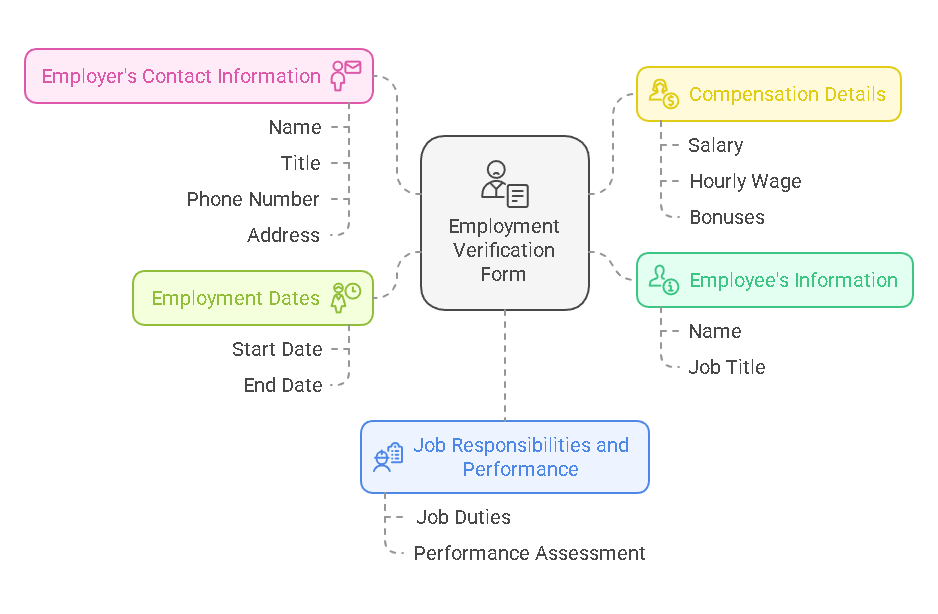
One of the most significant protections for employees is the requirement for written authorization before a former employer can release certain types of information. While basic confirmation of employment and dates may be provided without explicit consent, any deeper dive into performance, salary, or detailed reasons for separation typically requires your signed permission. This authorization form allows you to specify what information can be released and to whom.
This gives you a powerful degree of control. For example, if you know a particular supervisor might provide a less-than-glowing review, you can explicitly limit the information released to factual details like dates and job titles. Conversely, if you want a new employer to have your salary history to support a higher compensation package, you can authorize its release. Leveraging this right is a strategic move for job seekers, enabling them to curate the information flow and protect their professional reputation as they aim for new career heights, perhaps involving relocation to popular tourist spots or bustling business hubs.
Protection Against Defamation and Misrepresentation
California law provides strong protections against defamation. An employer can be held liable if they provide false and damaging information about a former employee to a prospective employer, and that information negatively impacts the employee’s job prospects. To succeed in a defamation claim, an employee generally needs to prove that:
- The employer made a false statement of fact (not just an opinion).
- The statement was published (communicated to a third party).
- The employer acted with negligence or malice.
- The employee suffered damages as a result (e.g., lost a job offer).
This legal framework encourages former employers to stick to verifiable facts and avoid subjective, potentially damaging comments. Most HR departments are well aware of these risks and therefore adopt policies to limit information released to neutral data. This protection is invaluable for maintaining your professional integrity and ensuring that past employment doesn’t unfairly hinder your ability to pursue new roles, whether they keep you in California or take you to international destinations.
Access to Your Personnel File
Under California Labor Code Section 1198.5, current and former employees generally have the right to inspect their personnel records. This includes documents relating to their performance, compensation, and any disciplinary actions. This right allows you to review what information your former employer has on file, which can be helpful in anticipating what might be said during an employment verification.
By reviewing your personnel file, you can identify any potential inaccuracies or discrepancies that could arise during verification. This proactive step allows you to address issues before they become problematic, ensuring that the information shared aligns with your understanding and is factual. This transparency empowers employees to manage their professional narrative, providing peace of mind as they embark on new ventures that could involve family trips or significant lifestyle adjustments.
Strategic Considerations for Employers and Employees
Navigating the employment verification process in California requires a strategic approach from both sides of the hiring equation. For employers, establishing clear policies mitigates risk and ensures compliance. For employees, understanding how to best manage this process can significantly impact career opportunities and future lifestyle choices.
Best Practices for Employers
For organizations operating in California, a well-defined employment verification policy is indispensable. Best practices typically include:
- Designate a Single Point of Contact: Channel all verification requests through a specific department, usually Human Resources. This centralizes the process, ensures consistency, and minimizes the risk of unauthorized or inaccurate information being released by other employees.
- “Name, Rank, and Serial Number” Policy: Many employers adopt a policy to only confirm dates of employment, job titles, and whether the individual is eligible for rehire (without elaborating on why they might not be). This neutral approach significantly reduces defamation risks.
- Obtain and Retain Written Consent: Always require and retain written authorization from the former employee before releasing any information beyond basic employment dates and job titles, especially regarding salary or performance. This legal safeguard is crucial.
- Train Staff: Ensure that all employees, particularly those who might receive verification calls, understand the company’s policy and their role in the process. Improper disclosures by untrained staff can lead to significant liability.
- Be Truthful and Non-Malicious: If an employer chooses to release information, it must be factual and free from malice. Even a truthful statement made with malicious intent can sometimes lead to legal issues.
Adhering to these practices helps employers maintain a professional reputation and avoid legal disputes, allowing them to focus on their core business, whether it’s managing boutique hotels or developing innovative tech solutions.
Empowering Employees in Their Job Search
Employees, particularly those pursuing new careers that could enable a desired budget travel or luxury travel lifestyle, can take proactive steps to ensure a smooth verification process:
- Know Your Former Employer’s Policy: If possible, understand what your previous company typically releases during verification. You might find this in employee handbooks or by contacting their HR department.
- Provide a Consent Form: Proactively offer a consent form to your new prospective employer, clearly stating what information your previous employer is authorized to release. This demonstrates professionalism and controls the narrative.
- Prepare Professional References: While not direct employment verification, having a list of professional references who can speak positively about your skills and work ethic can complement the formal verification process.
- Address Potential Negative References: If you anticipate a challenging reference from a former employer, consider having a strategy. This might involve preparing a neutral written statement about your departure, offering alternative references, or even (in rare, extreme cases) pursuing a “neutral reference letter” agreement as part of a severance package.
- Maintain Records: Keep copies of employment contracts, performance reviews, and any letters of commendation. These can be valuable if any discrepancies arise during verification.
By being informed and proactive, employees can significantly reduce anxiety and potential hurdles during the job search, paving the way for exciting career transitions and the freedom to embrace new experiences and destinations.
Employment Verification: Enabling Your Lifestyle and Travel Aspirations
Beyond the legalities and administrative procedures, a successful employment verification process in California directly impacts an individual’s ability to achieve their desired lifestyle and travel aspirations. A confirmed job offer, solidified by positive verification, is the bedrock upon which many personal and professional dreams are built.
Relocating for Work: Smooth Transitions to California or Beyond
Securing a new role often means a change of scenery, sometimes involving a significant relocation. Whether you’re moving to California for a tech job in Silicon Valley or moving from California to an international hub, the successful completion of employment verification is intrinsically linked to your ability to establish yourself in a new location. Without confirmed employment, securing suitable accommodation can be incredibly challenging. Landlords and mortgage lenders invariably require proof of stable income and employment history. This proof, often derived from verification, dictates whether you can rent that chic apartment in San Francisco or acquire a home near California’s stunning beaches.
During the transition period, many professionals opt for temporary serviced apartments or extended stays in hotels or boutique resorts. The financial security offered by a verified job means you can comfortably plan these interim arrangements, allowing you to focus on settling into your new role and exploring your new surroundings. The allure of California’s vibrant cities and career opportunities often attracts individuals from across the globe, making a seamless verification process a crucial first step toward experiencing everything the state has to offer, from iconic landmarks to diverse tourism experiences.
Securing Your Dream Lifestyle: From Budget Travel to Luxury Travel
A stable job, confirmed through a rigorous yet fair employment verification, provides the financial foundation for your desired lifestyle. It allows for meticulous financial planning, enabling choices that range from prudent budget travel to indulgent luxury travel. With confirmed employment, you gain the confidence to book those dream international adventures, reserve premium hotel suites, or simply enjoy local tourism and getaways to California’s scenic destinations like Napa Valley or Lake Tahoe.
Whether your ideal lifestyle involves frequent family trips, solo explorations of historic sites, or a blend of work and leisure, the security of a verified job empowers these choices. It impacts your creditworthiness, your ability to apply for travel visas (which often require proof of employment), and your overall sense of financial freedom, allowing you to invest in memorable experiences rather than worrying about the next paycheck.
The Digital Nomad and Remote Work Context
The rise of remote work and the digital nomad lifestyle adds another layer of importance to employment verification. For those working remotely from California for an out-of-state company, or vice-versa, clear employment documentation is vital. It’s not just about getting the job; it’s about validating your income and employment status for various purposes while living a location-independent lifestyle.
A verified employment record can be crucial for:
- Securing Long-Term Accommodation Abroad: Many countries and landlords require proof of stable income for visa applications or for renting a villa or apartment for an extended period.
- Financial Services: Accessing credit, opening bank accounts, or even obtaining local health insurance in a foreign country often hinges on verifiable employment.
- Peace of Mind: Knowing your employment status is clearly documented provides the foundational security that allows digital nomads to truly enjoy the freedom and flexibility of their lifestyle, exploring diverse cultures and destinations without constant concern over administrative hurdles.
In essence, a transparent and compliant employment verification process is a cornerstone for professional growth and personal aspirations, including the freedom to explore the world and embrace a desired lifestyle.
Conclusion
Navigating employment verification in California requires a clear understanding of what information employers are legally allowed to release and the robust protections afforded to employees. While former employers are generally encouraged to provide neutral, factual data such as dates of employment and job titles, more sensitive details like salary or reasons for separation often require explicit written consent from the employee. This intricate balance safeguards both employer interests and employee rights, preventing defamation while facilitating smooth professional transitions.
For individuals with a penchant for travel and a specific vision for their lifestyle, a seamless employment verification process is more than a legal formality; it’s an enabler. It lays the financial and professional groundwork necessary for relocating to vibrant California cities, securing desirable accommodation, and funding everything from spontaneous budget travel to meticulously planned luxury travel experiences. By understanding your rights, proactively managing your professional narrative, and being aware of California’s specific nuances, you empower yourself to confidently pursue new career horizons and unlock the boundless lifestyle and travel opportunities that await.
LifeOutOfTheBox is a participant in the Amazon Services LLC Associates Program, an affiliate advertising program designed to provide a means for sites to earn advertising fees by advertising and linking to Amazon.com. Amazon, the Amazon logo, AmazonSupply, and the AmazonSupply logo are trademarks of Amazon.com, Inc. or its affiliates. As an Amazon Associate we earn affiliate commissions from qualifying purchases.