
In the vast landscape of global accommodations, the star rating system serves as a crucial compass for travelers, guiding their expectations and choices. While the specific criteria can vary slightly between regions and rating bodies, a 4-star hotel universally signifies a property that stands a significant step above the basic and mid-range offerings, delivering a superior level of comfort, service, and amenities. It represents a sweet spot for many discerning travelers, offering a luxurious experience without always reaching the peak opulence and corresponding price tag of a 5-star establishment.
Understanding what defines a 4-star hotel goes beyond merely counting facilities; it delves into the quality of the guest experience, the sophistication of its operations, and the overall ambiance it cultivates. These hotels are often designed to cater to both business and leisure travelers seeking a high standard of comfort, convenience, and attentive service in a stylish setting.
Understanding the Hotel Star Rating System
The concept of hotel star ratings emerged to provide a standardized, easily digestible way for consumers to gauge the quality and services offered by an accommodation provider. From a humble 1-star motel to an ultra-luxurious 5-star resort, each designation provides a general benchmark for what guests can expect.
The Purpose of Hotel Ratings
Hotel ratings primarily serve as a guide. They help travelers filter choices based on their budget, desired level of comfort, and specific needs. For instance, a traveler prioritizing basic lodging for an overnight stay might opt for a 1- or 2-star hotel, while someone on a business trip requiring a comfortable room, meeting facilities, and high-speed internet would likely seek out a 3- or 4-star property. The rating system aims to minimize surprises and align guest expectations with the reality of their stay, fostering trust and satisfaction within the hospitality industry. It also provides a framework for hotels to strive for certain standards, encouraging continuous improvement and competition.
Who Assigns the Stars?
The assignment of hotel stars isn’t a single, global, centralized process. Instead, various independent organizations, governmental bodies, and industry associations across different countries and regions are responsible for evaluating and rating hotels. In the United States, reputable organizations like the AAA Diamond Ratings and the Forbes Travel Guide are prominent. In Europe, national tourism boards or private associations often set their own criteria, although there are efforts like Hotelstars Union to harmonize standards across several countries.
While the exact metrics may vary, common elements considered in ratings typically include the range and quality of facilities (restaurants, pools, gyms, meeting rooms), the standard of service (concierge, room service, front desk efficiency), the quality of guest rooms (size, amenities, cleanliness, decor), and the overall physical condition of the property. For a 4-star hotel, these elements must not only be present but must also operate at an elevated standard.
The Defining Features of a 4-Star Hotel
Stepping into a 4-star hotel, guests immediately notice a distinct upgrade in atmosphere and offerings compared to properties with fewer stars. It’s a blend of functionality and sophistication, designed to enhance the guest experience significantly.
Elevated Service Standards
One of the most distinguishing hallmarks of a 4-star hotel is its commitment to high-quality, personalized service. Expect professional and attentive staff, from the moment of check-in to departure. This often includes a dedicated concierge service ready to assist with reservations, recommendations, and local insights, often with multilingual capabilities. Room service is typically available for extended hours, if not 24/7, offering a diverse menu. Bell staff are usually on hand to assist with luggage, and valet parking is a common offering. The emphasis is on proactive service, anticipating guest needs rather than merely reacting to requests. The overall staff-to-guest ratio is generally higher than in 3-star hotels, ensuring more personalized attention. For example, staying at a Swissôtel or a Westin in a major city like London or New York City would exemplify these service levels.
Superior Room Amenities and Comfort
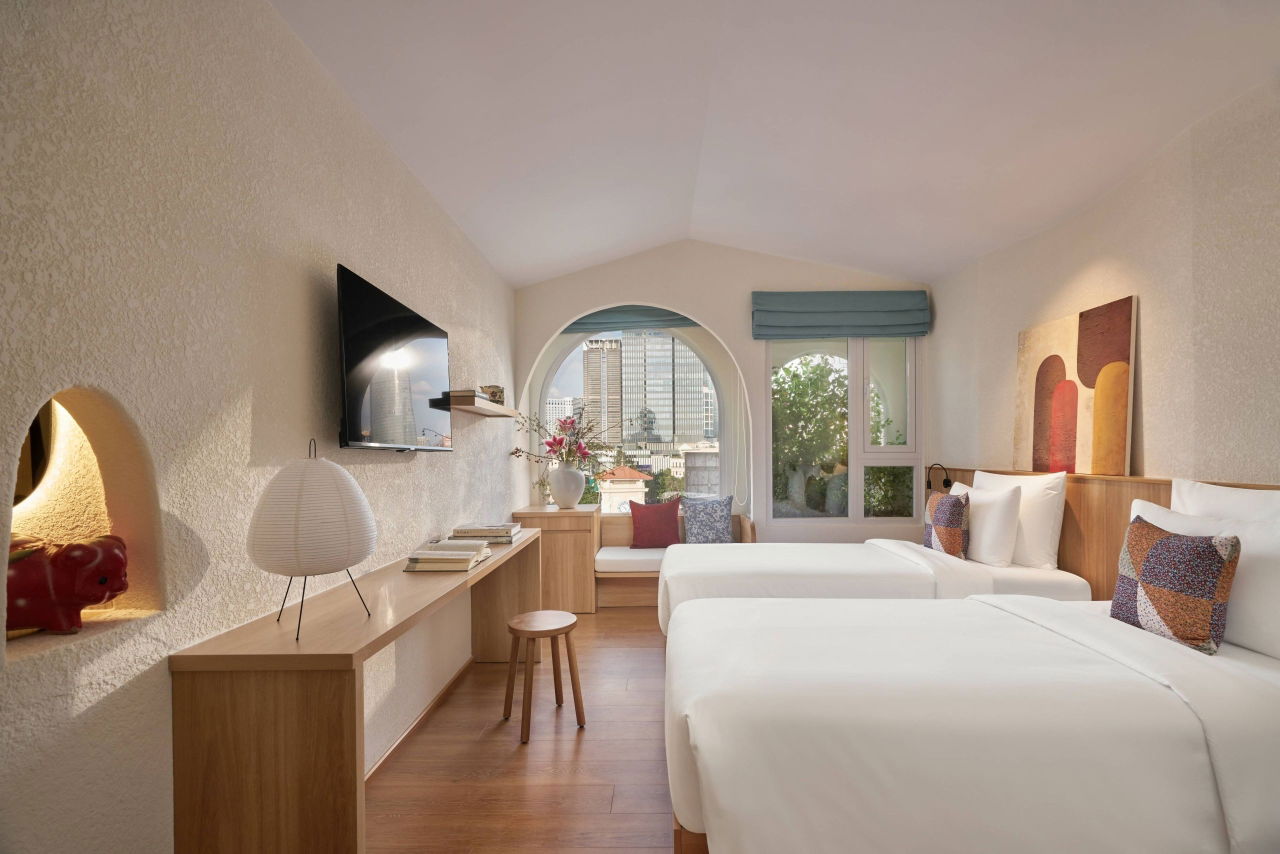
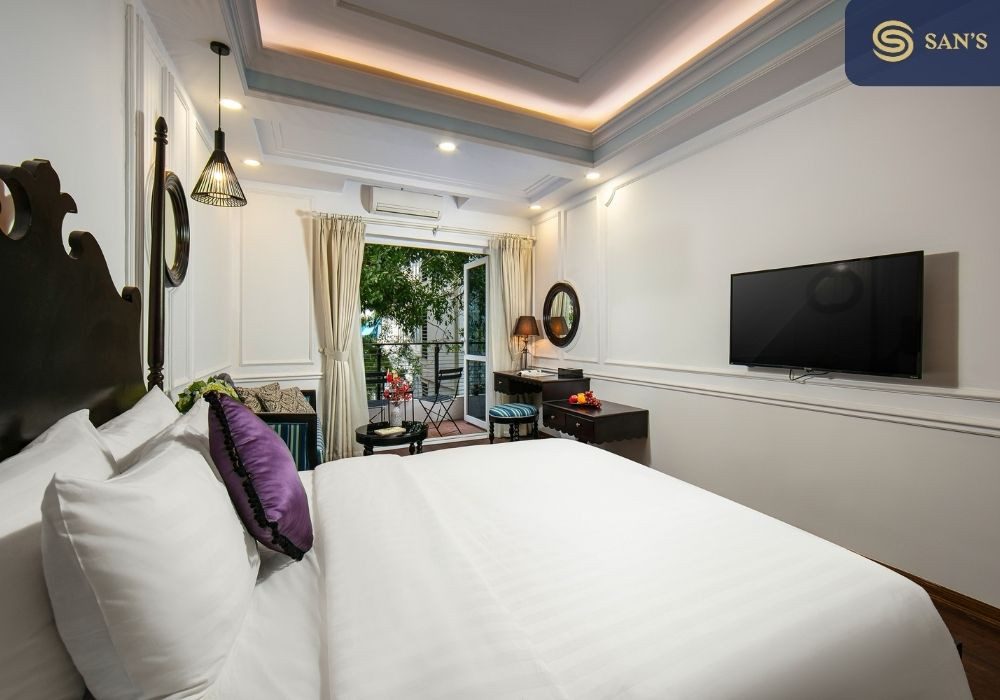
Guest rooms in 4-star hotels are typically more spacious and thoughtfully designed than their 3-star counterparts. They feature high-quality furnishings, often with a distinct decorative theme that contributes to the hotel’s overall ambiance. Beds are usually of premium quality, ensuring a restful night’s sleep, often accompanied by a choice of pillows. The in-room technology is modern, usually including flat-screen televisions with a wide selection of channels, high-speed Wi-Fi, and easily accessible power outlets. En-suite bathrooms are well-appointed, featuring premium toiletries, plush towels, and sometimes even bathrobes and slippers. Mini-bars or compact refrigerators are standard, often stocked with a curated selection of beverages and snacks. Many rooms also offer dedicated workspaces, comfortable seating areas, and often views that add to the guest experience.
Extensive Facilities and Services
A 4-star hotel distinguishes itself with a broader array of on-site facilities designed to cater to various guest needs and preferences. These almost always include at least one full-service restaurant offering breakfast, lunch, and dinner, often with a diverse menu and a sophisticated dining experience. A bar or lounge area is also standard, providing a relaxed setting for drinks and light snacks.
Beyond dining, common facilities include:
- Fitness Centers: Well-equipped gyms with modern cardio and weight-training equipment.
- Swimming Pools: Often a feature, whether indoor or outdoor, providing a space for relaxation or exercise.
- Business Centers: Offering computers, printers, and sometimes secretarial services, catering to business travelers.
- Meeting and Event Spaces: Multiple versatile rooms equipped with modern audiovisual technology, suitable for conferences, weddings, or social gatherings.
- Concierge Services: As mentioned, a dedicated team to assist with bookings, travel arrangements, and local information.
- Spa Services (often): While not universal, many 4-star hotels, especially those in resort-like settings or catering to luxury leisure, will offer spa treatments, saunas, and steam rooms.
Consider the Aqua Resort & Spa in Dubai as an example, where extensive facilities are a primary draw.
Distinctive Design and Ambiance
The aesthetic appeal of a 4-star hotel is carefully cultivated. There’s usually a strong emphasis on interior design, creating an inviting and sophisticated atmosphere throughout the property. Lobbies are often grander, common areas are tastefully furnished, and the overall decor reflects a sense of quality and attention to detail. Whether it’s a sleek, modern design in Singapore, a classic elegant style in Paris, or a culturally inspired theme in Kyoto, the design contributes significantly to the guest experience, making the stay memorable and comfortable.
The 4-Star Guest Experience: Expectations and Value
Choosing a 4-star hotel often comes down to striking a desirable balance between cost, comfort, and comprehensive service. It’s a choice made by those who value quality without necessarily requiring the ultimate in bespoke luxury.
A Balance of Luxury and Practicality
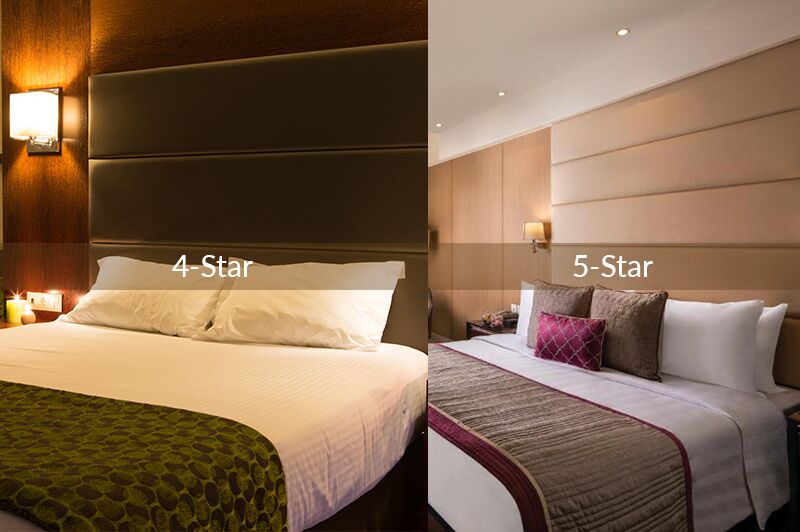
For many travelers, a 4-star hotel represents the optimal compromise. It offers significantly more luxury and amenities than a standard 3-star property, providing a comfortable and enjoyable stay with excellent service and facilities. Yet, it typically comes at a more accessible price point than a 5-star hotel, which often includes a premium for hyper-personalized service, Michelin-starred dining, and exceptionally lavish fittings. A 4-star property provides the essential elements of a high-end experience – comfort, convenience, and quality service – making it practical for both short business trips and longer leisure vacations.
Ideal for Discerning Travelers
The target demographic for 4-star hotels is broad but generally includes discerning travelers who prioritize comfort, reliability, and excellent service. This can range from business executives who need reliable connectivity and meeting facilities, to couples seeking a romantic getaway, or families looking for a comfortable base with amenities like pools and restaurants. They are individuals who appreciate attention to detail, a professional environment, and a consistent standard of quality across all aspects of their stay. For instance, brands like Marriott and Hilton often have numerous properties that fit squarely into the 4-star category, appealing to this broad market.
Dining and Leisure Opportunities
Beyond the comfort of the room, 4-star hotels are designed to offer a complete experience. The on-site restaurants often provide diverse culinary options, from casual to fine dining, making it convenient for guests who prefer to dine within the hotel. Bars and lounges provide relaxing spaces for unwinding. Many properties also include recreational facilities like pools, spas, and fitness centers, allowing guests to maintain their routines or simply relax without needing to leave the premises. For a guest staying at The Grand Metropolitan Hotel, for example, the convenience of a high-quality restaurant and a well-equipped gym might be as important as the comfortable bed.
Navigating Global 4-Star Standards
While the general essence of a 4-star hotel remains consistent globally, the specific interpretation and criteria can exhibit regional nuances, making it essential for travelers to conduct some research.
Regional Differences in Rating Criteria
It’s crucial to remember that a “4-star” rating in one country might not perfectly align with the exact same standard in another. Some countries, particularly those with less developed tourism infrastructures, might have looser rating criteria, meaning a 4-star hotel there could be comparable to a 3-star in a more mature market like Germany or Japan. Conversely, some regions might have particularly stringent standards, where a 4-star property might border on what would be considered 5-star elsewhere. Travelers are advised to check recent guest reviews and look at specific amenity lists when traveling internationally, especially to less familiar destinations, to ensure the hotel meets their expectations.
From Boutique to Business: The Diversity of 4-Star Properties
Within the 4-star category, there is a remarkable diversity of hotel types. You can find everything from charming boutique hotels with unique decor and personalized service to large, bustling business hotels equipped with extensive conference facilities. There are also resort-style 4-star properties offering expansive grounds, multiple pools, and a variety of leisure activities. This diversity means that while the core standards of service, comfort, and amenities are maintained, the specific style, atmosphere, and target audience can vary significantly. Whether you’re seeking a quiet, intimate escape or a vibrant, amenity-rich environment, the 4-star category likely offers an option that aligns with your preferences. This flexibility makes 4-star hotels a consistently popular choice for a wide spectrum of travelers worldwide.
LifeOutOfTheBox is a participant in the Amazon Services LLC Associates Program, an affiliate advertising program designed to provide a means for sites to earn advertising fees by advertising and linking to Amazon.com. Amazon, the Amazon logo, AmazonSupply, and the AmazonSupply logo are trademarks of Amazon.com, Inc. or its affiliates. As an Amazon Associate we earn affiliate commissions from qualifying purchases.