
The quest for authentic regional cuisine is a cornerstone of modern tourism, offering travelers a profound connection to local culture, history, and community. Among the pantheon of iconic American dishes, the Boston Butt Roast stands out—not just as a cut of pork, but as a gateway to understanding the rich, smoky traditions of Southern barbecue, a vibrant segment of culinary tourism. For those embarking on a gastronomic journey through the United States, understanding this particular roast is essential to appreciating one of its most cherished culinary contributions. It’s more than just a meal; it’s an experience, a story told through flavor and tradition that draws food enthusiasts from around the globe.

A Culinary Icon in American Tourism
The Boston Butt Roast, despite its name, is synonymous with American barbecue, particularly the deep South. Its journey from a simple cut of pork to a celebrated culinary attraction is a testament to the power of food in shaping travel experiences. For many tourists, a trip to the Southern United States is incomplete without indulging in the slow-smoked, pull-apart tender goodness that a properly prepared Boston Butt offers. This dish isn’t merely sustenance; it’s an event, often enjoyed in communal settings that embody the hospitality and cultural richness of the region.
The Southern BBQ Tradition
Barbecue in the Southern United States is not just a cooking method; it’s a way of life, an art form, and a significant driver of local tourism. The Boston Butt Roast, specifically the pork shoulder, is the undisputed king of pulled pork, a staple in this tradition. Tourists flock to renowned barbecue trails and festivals to witness pitmasters at work, often employing techniques passed down through generations. These experiences offer more than just a meal; they provide insight into regional identities, social gatherings, and the painstaking dedication required to achieve culinary perfection. From the Carolinas to Texas, the aroma of smoking pork shoulders signals a cultural immersion opportunity.
Regional Variations and Local Lore
While the Boston Butt is universally recognized, its preparation and accompanying sauces tell diverse regional stories. In North Carolina, particularly Eastern North Carolina, visitors will encounter whole hog barbecue where the butt is a prized component, often served with a thin, vinegar-based sauce. Traveling west to the mountains, the sauce might lean towards a tomato-and-vinegar blend. In South Carolina, a mustard-based “Carolina Gold” sauce reigns supreme, offering a tangy counterpoint to the rich pork. Meanwhile, in Memphis, Tennessee, the butt is often served “dry” with a rub of spices, relying on the meat’s inherent flavor, or “wet” with a sweet, thick tomato-based sauce. These variations are not just culinary quirks; they are living testaments to local pride and historical distinctions, inviting tourists to explore and compare distinct flavors as part of their travel itinerary.
Unpacking the “Boston Butt”: History and Etymology
The name “Boston Butt” often sparks curiosity and even confusion among first-time visitors to America or those unfamiliar with its culinary nomenclature. It conjures images of the rear end of an animal, yet this cut comes from the upper part of the pig’s front shoulder. Understanding its historical roots and the origin of its peculiar name is an engaging aspect of culinary tourism, deepening appreciation for this iconic dish.
From Colonial Casks to Modern Menus
The origins of the “Boston Butt” name trace back to colonial New England, particularly Boston, in the pre-Revolutionary War era. Back then, less prized cuts of pork were often packed into wooden barrels for storage and transport. These barrels were known as “butts”—a term derived from an old English word referring to a large cask. Pork shoulder was one such cut frequently packed into these “butts” for shipping. Over time, the pork shoulder packed in these barrels from Boston became known as the “Boston Butt.” As the practice of smoking and slow-cooking pork gained popularity, especially in the South, the name stuck, referring specifically to this bone-in pork shoulder cut. Today, tourists encountering this name on a menu are often surprised to learn its historical context, connecting a simple food item to centuries of trade and tradition.
The “Butt” Misconception Explained
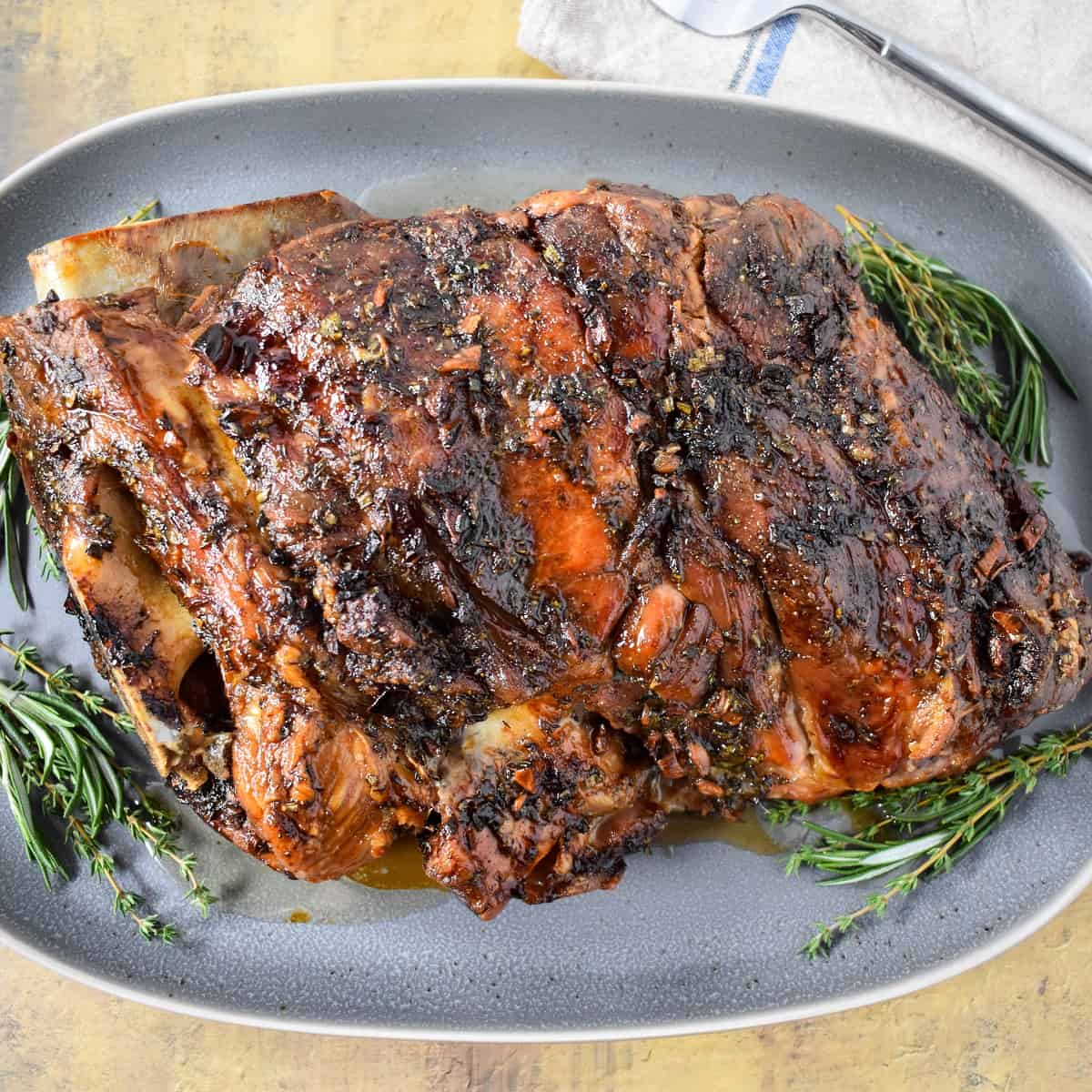
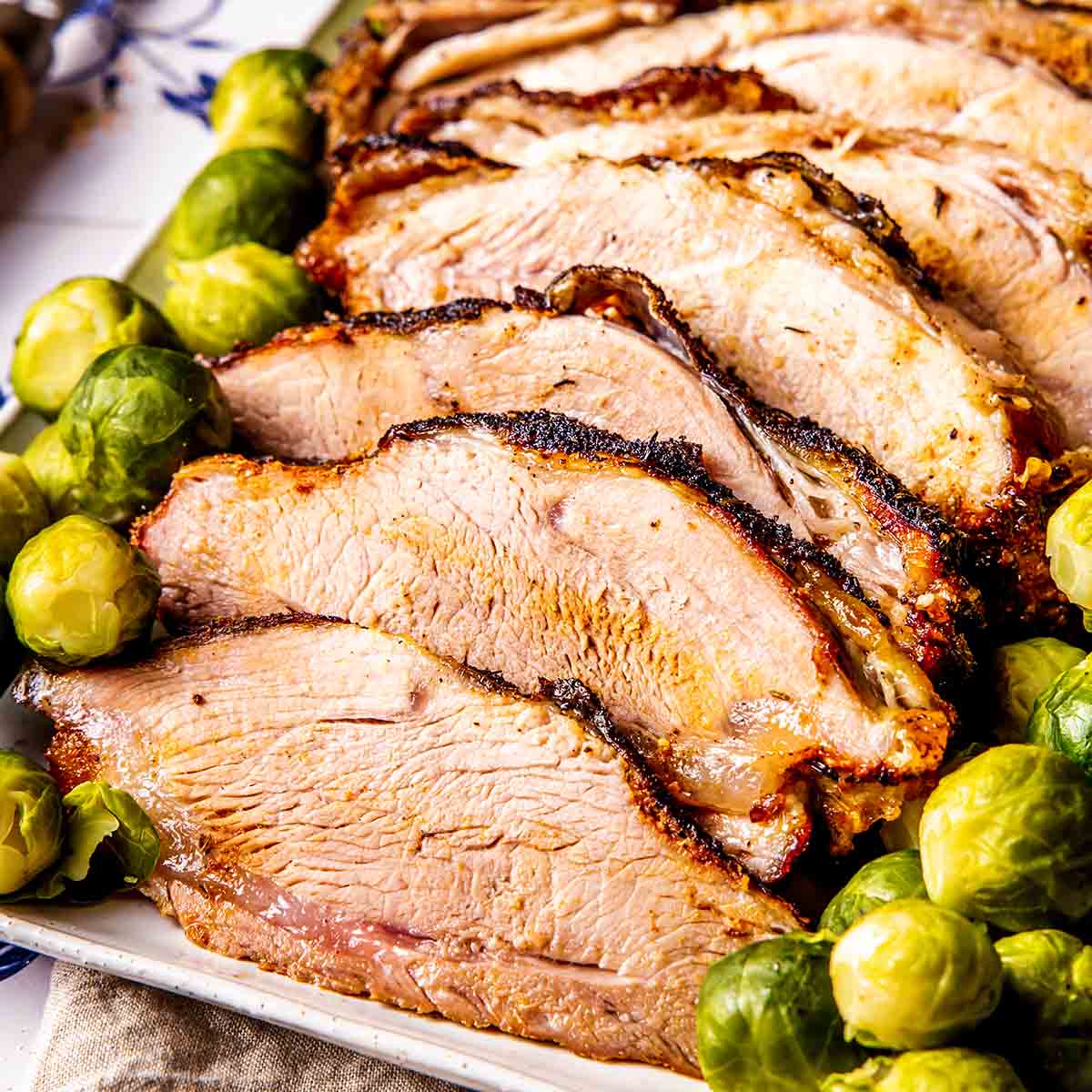
For many international tourists, the term “butt” can be misleading. It’s crucial for travel guides and culinary tours to clarify that the “butt” refers to the barrel, not the anatomical part of the pig. The actual cut is from the upper portion of the pig’s front shoulder, including parts of the shoulder blade. It’s a highly marbled and flavorful cut, ideal for low-and-slow cooking methods, which render it incredibly tender and juicy—perfect for pulling apart into shredded pork. Dispelling this misconception is often a memorable part of a culinary tour, adding a touch of humor and historical insight to the dining experience. Understanding this historical anomaly enriches the tourist’s appreciation for regional culinary history and the charming idiosyncrasies of local language.
The Experience: Savoring a Boston Butt Roast as a Tourist
For the discerning culinary traveler, simply eating a Boston Butt Roast is just the beginning. The true experience lies in seeking out authentic preparations, engaging with local culture through food events, and understanding how this dish fits into the broader gastronomic landscape. It’s about more than just the taste; it’s about the atmosphere, the people, and the stories behind the plate.
Where to Find Authentic Boston Butt
Finding an authentic Boston Butt Roast is a quintessential part of any Southern United States culinary itinerary. Tourists should prioritize local, family-run barbecue joints, often identified by the waft of wood smoke, simple decor, and long lines. These establishments, from hole-in-the-wall diners to established institutions like Franklin Barbecue in Austin, Texas, or Dreamland BBQ in Alabama, are where the true magic happens. Many regions boast famous “barbecue trails” (e.g., the Kansas City Barbecue Trail or the Lexington Barbecue Trail in North Carolina), which are excellent resources for tourists looking to sample the best. Researching local recommendations, checking online reviews for authenticity, and even asking locals for their favorite spots can lead to truly unforgettable dining experiences.
Beyond the Plate: Festivals and Competitions
To truly immerse oneself in the culture of the Boston Butt, tourists should consider timing their visits with local barbecue festivals and competitions. Events like the Memphis in May World Championship Barbecue Cooking Contest or the Big Apple Barbecue Block Party in New York City (though featuring pitmasters from across the nation) offer unparalleled opportunities to taste a wide array of preparations, interact with renowned pitmasters, and soak in the festive atmosphere. These events are not just about food; they are community celebrations, complete with live music, craft vendors, and a palpable sense of regional pride. They represent the pinnacle of barbecue tourism, transforming a simple meal into a vibrant cultural spectacle.
Pairing with Local Beverages and Sides
A Boston Butt Roast experience is incomplete without its traditional accompaniments. Local craft beers, sweet tea, or regional sodas often complement the smoky richness of the pork. The sides are equally important, often including collard greens, mac and cheese, baked beans, coleslaw, and cornbread. Each side dish contributes to the overall flavor profile and often has its own regional variations and cultural significance. Tourists should embrace the full spread, as these pairings are integral to the authentic barbecue experience and provide further insight into local culinary customs. Exploring these combinations is another layer of discovery for the food tourist, enhancing the meal into a holistic cultural engagement.
Beyond the Roast: Culinary Tourism and Economic Impact
The popularity of the Boston Butt Roast and Southern barbecue extends beyond mere gastronomic pleasure; it plays a crucial role in culinary tourism, contributing significantly to local economies and the preservation of cultural heritage. When tourists seek out authentic barbecue, they are not just satisfying a craving; they are participating in a system that supports local businesses, promotes regional identity, and sustains traditional crafts.
Supporting Local Businesses and Artisans
Every plate of Boston Butt Roast served at a local barbecue joint represents a network of small businesses and artisans. From the local pig farmers who supply the meat to the wood suppliers for the smokers, and from the spice blenders to the sauce makers, a thriving barbecue scene creates a ripple effect throughout the local economy. Tourists’ patronage directly supports these enterprises, helping to sustain livelihoods and encouraging the continuation of traditional methods. This direct economic impact highlights how culinary tourism, centered around dishes like the Boston Butt, can be a powerful force for community development and local entrepreneurship.
Sustaining Cultural Heritage Through Food
Food is a potent vessel for cultural heritage, and the Boston Butt Roast embodies centuries of American culinary history. By seeking out and appreciating traditional barbecue, tourists contribute to the preservation of these time-honored techniques, recipes, and social rituals. Barbecue joints often act as informal museums, showcasing regional culinary styles and serving as gathering places where community stories are shared. The act of sharing a meal prepared with such deep historical roots helps ensure that these traditions are passed down, keeping the cultural flame alive for future generations of both locals and visitors. This preservation aspect adds a profound layer of meaning to the culinary tourist’s journey, making each bite a connection to history.
Planning Your Culinary Journey: Tips for Tourists
Embarking on a culinary adventure focused on the Boston Butt Roast requires a little planning to maximize the experience. For tourists, being prepared can transform a good meal into an unforgettable cultural immersion, ensuring they truly savor the essence of Southern barbecue.
Researching Local BBQ Joints
Before traveling, invest time in researching local barbecue establishments in your chosen destination. Look for places known for their commitment to slow-smoking techniques and quality ingredients. Websites, food blogs, and reputable travel guides often feature lists of must-visit barbecue spots. Pay attention to reviews that mention the tenderness of the pork, the balance of smoke flavor, and the authenticity of the sauces. Don’t be afraid to venture off the beaten path; some of the best barbecue experiences are found in unassuming, local-favorite spots rather than tourist traps. This research is key to unlocking the most genuine culinary experiences.
Understanding Different Cooking Styles
A truly insightful culinary tourist will appreciate the nuances of different barbecue cooking styles. While the Boston Butt is central, the method of cooking (e.g., direct heat vs. indirect heat, type of wood used like hickory, oak, or pecan), and the specific rub and sauce applications vary significantly. Learning about “low and slow” smoking, the significance of a smoke ring, or the difference between a dry rub and a wet rub can greatly enhance appreciation for the pitmaster’s craft. Engaging with these details elevates the dining experience from mere consumption to an informed appreciation of culinary artistry and regional identity.
Embracing the Full Gastronomic Experience
Finally, embracing the full gastronomic experience means being open to the local culture that surrounds the Boston Butt Roast. This includes trying regional sides, engaging with locals, and understanding the social context of barbecue. Many barbecue joints are casual, communal spaces where strangers share tables and conversation flows easily. Don’t rush the meal; savor each bite, observe the atmosphere, and allow yourself to be immersed in the local way of life. This holistic approach ensures that the Boston Butt Roast becomes more than just a meal—it becomes a vibrant, memorable part of your travel story, a testament to the power of food as a cultural ambassador.
LifeOutOfTheBox is a participant in the Amazon Services LLC Associates Program, an affiliate advertising program designed to provide a means for sites to earn advertising fees by advertising and linking to Amazon.com. Amazon, the Amazon logo, AmazonSupply, and the AmazonSupply logo are trademarks of Amazon.com, Inc. or its affiliates. As an Amazon Associate we earn affiliate commissions from qualifying purchases.