
In the vibrant tapestry of late 19th and early 20th-century American society, a distinctive social phenomenon emerged, particularly in the intellectual and cultural hubs of New England: the “Boston Marriage.” This intriguing term, initially coined by Henry James in his 1886 novel The Bostonians to describe the close, financially independent cohabitation of two women, has since come to encapsulate a unique lifestyle rooted in companionship, intellectual pursuit, and a quiet defiance of conventional gender norms. Far from being merely an antiquated historical curiosity, understanding the Boston Marriage offers fascinating insights into evolving societal structures, the burgeoning independence of women, and the diverse forms that partnership and chosen family can take. For those interested in the intersections of history, lifestyle, and unique travel experiences, this phenomenon provides a rich historical backdrop, illuminating how personal choices shaped lives and inspired journeys.
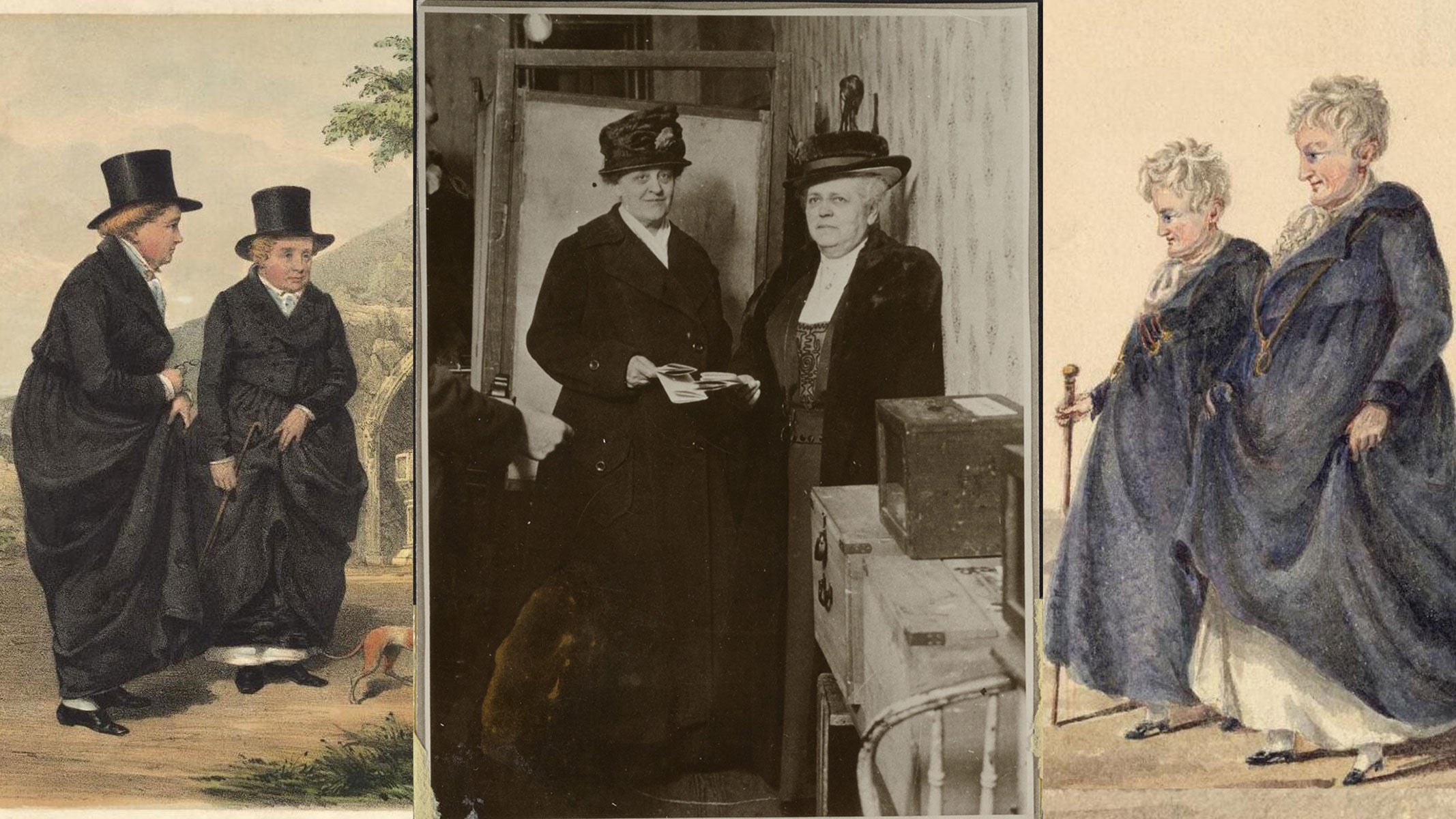
At its core, a Boston Marriage described two unmarried women living together, often sharing a home and financial resources, independent of male support. This arrangement was typically made possible by inherited wealth, professional careers, or a combination of both, affording these women a degree of autonomy rarely seen in an era that largely confined women to domestic roles within a patriarchal family structure. Their relationships, characterized by profound emotional intimacy, intellectual camaraderie, and mutual support, were often lifelong and deeply fulfilling. While the term has, over time, been retrospectively associated with lesbian relationships, the precise nature of the intimacy varied greatly and was often left unstated or ambiguously defined in an era where same-sex relationships lacked social recognition or even a common language. What remained constant, however, was a shared commitment to a life lived on their own terms, embracing intellectual curiosity, cultural engagement, and, frequently, a passion for travel and exploration.
The Historical Context: A New Era for Women
The late 19th century was a period of immense social upheaval and nascent opportunities for women, laying the groundwork for the emergence of the Boston Marriage. The rigid societal expectations of the Victorian era, which confined women largely to the domestic sphere, began to face challenges from various quarters. As educational opportunities expanded and professional avenues slowly opened, a growing number of women found themselves with the means and the desire to forge lives beyond the traditional confines of marriage and motherhood.
Challenging Victorian Norms and the Rise of Female Independence
Victorian society meticulously prescribed a woman’s role: to be a dutiful wife, a nurturing mother, and the moral compass of the home. Marriage was the primary, often the only, socially acceptable path for women, offering financial security and social standing, albeit at the cost of personal autonomy. Women were largely excluded from higher education, professional careers, and public life, their identities often subsumed by their male relations. However, the seeds of change were being sown. The burgeoning industrial economy created new jobs, and social reform movements highlighted inequalities. A rising consciousness about women’s rights began to question these deeply entrenched norms, advocating for greater independence and equality.
The concept of financial independence was a critical enabler for the Boston Marriage. Many women who entered these arrangements came from families with inherited wealth, freeing them from the economic imperative to marry. Others, through hard work and intellectual acumen, carved out professional careers in burgeoning fields such as teaching, writing, social work, and even medicine. This financial autonomy was revolutionary, providing them with the means to maintain their own homes, pursue their passions, and support themselves and their chosen companions. It offered a tangible pathway to self-determination, allowing them to construct lives that prioritized their intellectual and emotional needs over societal expectations. This independence also facilitated a lifestyle that often included extensive travel, something largely inaccessible to women dependent on male providers.
Education, Professional Pursuits, and Suffrage
The late 19th century witnessed a significant expansion of higher education for women, primarily through the establishment of women’s colleges like Vassar, Wellesley, and Smith. These institutions became crucibles for intellectual development and fostered environments where women could forge deep, enduring bonds with one another. Graduates emerged with sharpened minds, a broader worldview, and often a desire to apply their education beyond the domestic sphere. Many pursued careers as academics, teachers, librarians, and writers, often relocating to intellectual hubs like Boston and Cambridge, which offered a supportive community for educated, independent women.
Parallel to this educational surge was the powerful suffragist movement, which advocated for women’s right to vote and greater political and social agency. Leaders like Susan B. Anthony and Anna Howard Shaw, though not always formally in “Boston Marriages,” often lived in close, supportive partnerships with other women, underscoring the broader trend of female solidarity and mutual support. The intellectual ferment and feminist ideals of the era created a climate where challenging traditional marital structures was not only thinkable but increasingly viable for a subset of educated, self-sufficient women. These women saw their partnerships as a way to live fully, combining professional ambition with a rich personal life, often unburdened by the societal expectations of child-rearing and domesticity that traditional marriage imposed. Their independence became a statement, a lived example of a different kind of female empowerment, fostering lifestyles that embraced both local cultural engagement and adventurous global travel.
Living Arrangements and Shared Lifestyles
The defining characteristic of a Boston Marriage was the shared home, a sanctuary where women could cultivate lives rich in intellectual stimulation, emotional intimacy, and cultural pursuits. These domestic arrangements were far more than mere cohabitation; they were carefully curated spaces reflecting a chosen lifestyle of independence and mutual support. For those interested in the historical evolution of accommodation and lifestyle, these homes offer a fascinating glimpse into a unique form of domesticity.
Domestic Harmony and Intellectual Companionship
The homes shared by women in Boston Marriages were typically elegant, comfortable, and often hubs of intellectual and artistic activity. Far from the bustling, often chaotic environment of a large Victorian family, these households were often characterized by order, tranquility, and a focus on cultured living. They might host literary salons, invite fellow artists or academics, or simply serve as private retreats for reading, writing, and deep conversation. For many women, these partnerships offered an escape from the intellectual isolation often experienced in conventional marriages, where their minds and ambitions might be overlooked or undervalued.
The domestic economy of a Boston Marriage was built on shared responsibility and often, shared wealth. This financial independence allowed for a level of comfort and aesthetic refinement in their homes, from well-stocked libraries to beautifully appointed drawing-rooms. It also enabled them to employ household staff, freeing them from mundane chores and allowing them more time for their intellectual and artistic endeavors, social activism, or extensive travel. These homes were more than just places to live; they were extensions of their owners’ identities and aspirations, embodying a lifestyle centered on personal growth, companionship, and a sophisticated engagement with the world. Whether it was a stately residence on Boston’s Beacon Hill or a charming cottage in the New England countryside, these accommodations represented a deliberate choice for a life of shared purpose and refined living.
The Role of Travel and Cultural Exploration
Travel was an integral part of the Boston Marriage lifestyle, serving as both a source of intellectual enrichment and a shared adventure. Unlike the often duty-bound travel of married couples or the structured Grand Tour undertaken by young men, these women embarked on journeys fueled by curiosity, a thirst for culture, and the joy of shared experience. Their travels were a testament to their independence, their financial freedom, and their desire to engage with the world beyond their immediate communities.

Many engaged in extensive tours of Europe, a journey that was considered the pinnacle of cultural education. They would visit the great cities of the continent, immersing themselves in the art, history, and literature of places like Paris, Rome, Florence, Venice, and London. Imagine them staying in elegant European hotels, perhaps a luxurious suite overlooking the Seine, or a charming villa rented for a season in Tuscany. These were not simply places to sleep but integral parts of the travel experience, offering comfort and a base from which to explore. They would frequent museums, attend operas, visit historical landmarks, and engage with local culture and cuisine, much like today’s discerning tourists.
Beyond Europe, some ventured further afield, perhaps to the warmer climes of the Caribbean or other exotic locales, seeking new experiences and perspectives. Closer to home, they often traveled within New England, visiting coastal towns, literary retreats, or country estates, enjoying the scenic beauty and cultural richness of the region. These trips were meticulously planned, often involving long voyages by steamship across the Atlantic, followed by extensive rail travel across continents. The shared act of discovering new destinations, encountering different cultures, and accumulating a wealth of memories solidified their bonds and enriched their intellectual lives. This focus on experiential travel, cultural immersion, and luxury accommodations aligns perfectly with the contemporary interest in unique travel experiences and curated lifestyle journeys.
Notable Figures and Their Enduring Legacies
The concept of the Boston Marriage is best understood through the lives of the women who embraced it. Their stories illustrate the depth of these partnerships, the richness of their shared lives, and their significant contributions to literature, social reform, and intellectual discourse. These figures stand as powerful examples of female independence and the creation of alternative lifestyles.
Sarah Orne Jewett and Annie Adams Fields: A Literary Partnership
Perhaps one of the most celebrated examples of a Boston Marriage was the enduring partnership between author Sarah Orne Jewett and writer/philanthropist Annie Adams Fields. After Annie was widowed, Sarah moved into her elegant home on Beacon Hill in Boston. Their shared life was a vibrant hub of literary and social activity. Their home became a renowned salon, attracting prominent literary figures of the era, from Charles Dickens to Ralph Waldo Emerson. Their partnership provided mutual support and inspiration for their respective writing careers. Jewett, known for her regionalist novels celebrating New England life, found in Fields a constant intellectual companion and steadfast emotional anchor.
Their bond extended far beyond their Boston residence. They traveled extensively together, both within the scenic landscapes of New England and across the Atlantic to Europe and the Caribbean. These journeys were not mere leisure trips; they were opportunities for cultural immersion, artistic inspiration, and shared experiences that deepened their connection. They explored historic cities, visited art galleries, and encountered different cultures, enriching their perspectives and informing their work. Their shared life exemplifies how a Boston Marriage could foster both professional productivity and profound personal fulfillment, offering a template for independent female artists and intellectuals. Their Beacon Hill home, now a landmark, remains a testament to their influential lifestyle.
Alice James and Katharine Loring: Bonds of Intellect and Care
Another poignant example is the relationship between Alice James, the brilliant and often ailing sister of novelist Henry James and philosopher William James, and Katharine Loring. Alice, plagued by chronic illness, found in Katharine an indispensable caregiver, companion, and intellectual confidante. Their relationship was characterized by deep affection, mutual respect, and a shared passion for learning and discourse. Katharine’s steadfast devotion allowed Alice to maintain a rich inner life, which she meticulously documented in her celebrated diary.
They lived together for many years, first in Beverly Farms, Massachusetts, and later for extended periods in England as Alice sought various treatments for her health. Their travels, though often dictated by Alice’s medical needs, were nonetheless shared experiences that solidified their bond. Katharine provided not just physical care but also intellectual stimulation, reading aloud to Alice and engaging in spirited discussions. Their relationship highlights the nurturing and supportive aspects of a Boston Marriage, demonstrating how these partnerships could provide solace, intellectual camaraderie, and a profound sense of belonging for women navigating complex personal circumstances. Their story resonates with themes of chosen family and the profound impact of dedicated companionship, especially in the face of adversity.
The Modern Resonance: A Legacy of Chosen Family and Empowerment
The concept of the Boston Marriage, though rooted in a specific historical context, continues to resonate in contemporary discussions about partnership, female independence, and alternative lifestyles. It offers a powerful historical precedent for relationships that defy traditional norms and provides a lens through which to view evolving understandings of love, family, and self-determination. For modern travelers and those interested in diverse ways of living, the legacy of the Boston Marriage offers inspiration and reflection.
Evolving Understandings of Love and Partnership
In the intervening decades since its heyday, the term “Boston Marriage” has undergone a nuanced reinterpretation. While historical evidence rarely explicitly confirms the sexual nature of these relationships, modern scholarship often views many of them through a queer lens, recognizing that these intense, lifelong bonds between women likely encompassed the full spectrum of emotional and, for some, physical intimacy. The ambiguity surrounding their sexuality was often a necessity in a society that offered no language or social acceptance for same-sex relationships. However, what remains undeniable is the depth of love, commitment, and partnership that defined these unions.
Today, the concept speaks volumes about chosen families and partnerships built on shared values and mutual support, irrespective of conventional definitions. It predates and anticipates modern conversations around diverse relationship structures, the importance of platonic intimacy, and the formation of familial bonds outside of biological or marital ties. In an era where many individuals choose not to marry, or seek partnerships that prioritize intellectual connection and shared lifestyle, the historical Boston Marriage serves as a compelling archetype, demonstrating that fulfilling, lifelong partnerships can manifest in myriad forms, defying societal pressures and embracing personal authenticity.
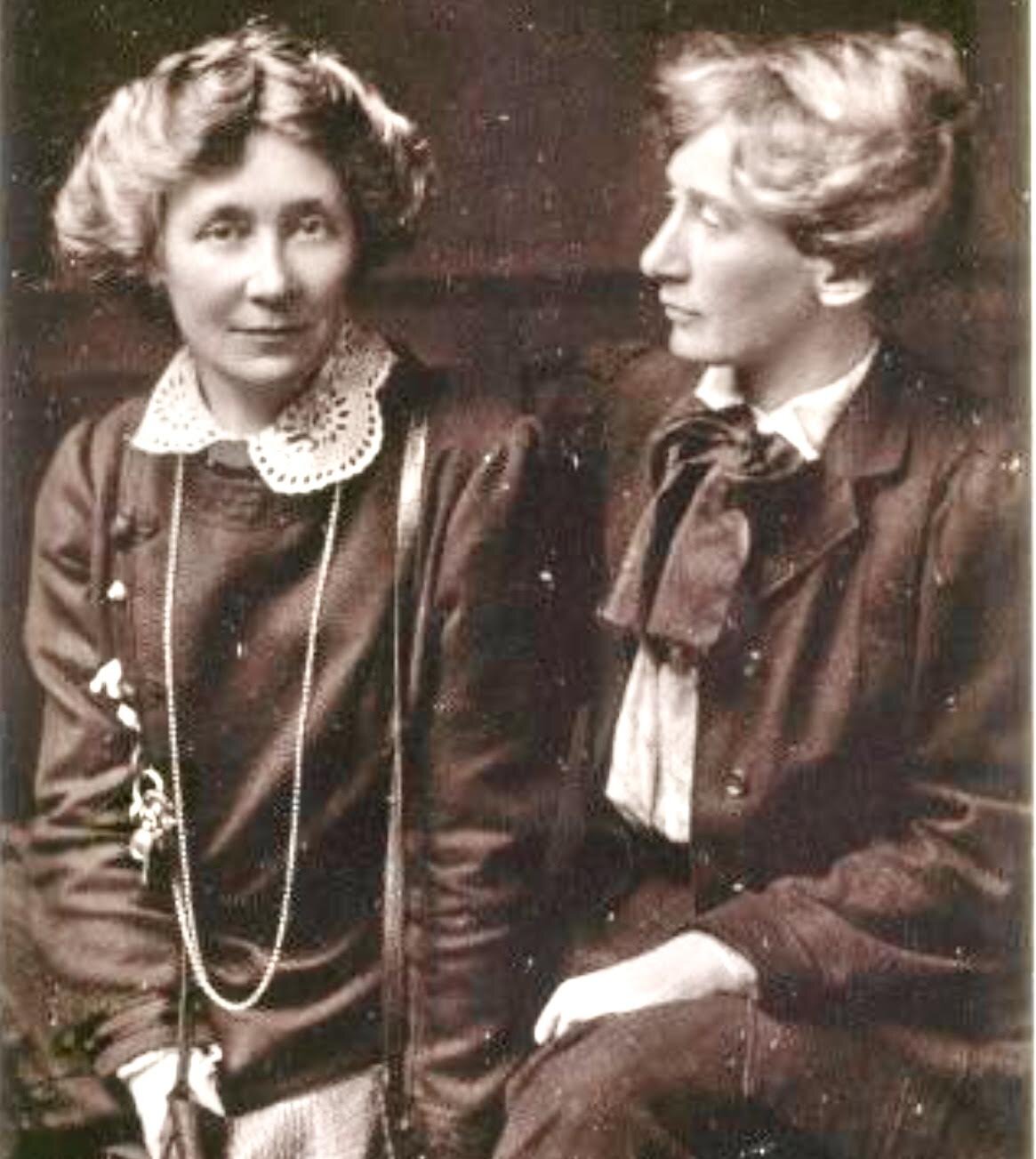
A Blueprint for Independent Living and Travel
Beyond its romantic or familial implications, the Boston Marriage offers a powerful blueprint for independent living and intentional lifestyle choices, particularly for women. These women carved out lives of self-sufficiency and intellectual engagement, demonstrating that economic autonomy could unlock freedoms previously unimaginable. Their ability to manage their own finances, own property, and chart their own course resonates strongly with contemporary movements advocating for female empowerment and financial independence.
Furthermore, their lifestyle of extensive travel and cultural exploration provides a fascinating historical precedent for modern travel trends. The emphasis on intellectual curiosity, deep cultural immersion, and shared adventure mirrors the desires of many contemporary travelers seeking meaningful experiences beyond mere sightseeing. Imagine two friends today planning a long-term stay in Europe, renting an apartment in Paris for a month, or embarking on a cultural tour of Italy, seeking out local cuisine, historical landmarks, and artistic treasures. This is precisely the spirit of discovery and shared lifestyle that characterized many Boston Marriages. Their pioneering spirit in navigating the world as independent women, seeking out new destinations and rich experiences, offers inspiration for solo female travelers, women’s travel groups, and those who prioritize experiential journeys. The legacy of the Boston Marriage is thus not just a historical footnote but a timeless testament to the power of self-determination, enduring companionship, and a life well-traveled.
LifeOutOfTheBox is a participant in the Amazon Services LLC Associates Program, an affiliate advertising program designed to provide a means for sites to earn advertising fees by advertising and linking to Amazon.com. Amazon, the Amazon logo, AmazonSupply, and the AmazonSupply logo are trademarks of Amazon.com, Inc. or its affiliates. As an Amazon Associate we earn affiliate commissions from qualifying purchases.