
In the ever-evolving landscape of travel and accommodation, the term “boutique hotel” has become increasingly ubiquitous. But what exactly sets these establishments apart from the more conventional hotels or sprawling resorts? The answer lies not just in their size, but in their soul. Boutique hotels are, at their core, unique expressions of individuality, offering a personalized and curated experience that stands in stark contrast to the often-homogenized offerings of larger chains. They are havens for the discerning traveler seeking more than just a place to rest their head; they offer an immersion into local character, bespoke design, and attentive service that leaves a lasting impression.

The concept of a boutique hotel emerged as a response to the perceived impersonal nature of large hotel corporations. Travelers began to crave accommodations that reflected the spirit of the destinations they were visiting, rather than a uniform experience that could be found anywhere in the world. This desire for authenticity and individuality paved the way for the rise of these smaller, character-driven properties.
The Defining Characteristics of a Boutique Hotel
While there’s no single, rigid definition, several key characteristics consistently define a boutique hotel. These elements coalesce to create an atmosphere that is intimate, stylish, and deeply personal.
Intimate Scale and Personalized Service
One of the most striking differences between a boutique hotel and its larger counterparts is its size. Boutique hotels are typically small, often ranging from just a handful of rooms to a few dozen. This limited capacity is not a drawback; rather, it’s a foundational element that enables their signature personalized service. With fewer guests, the staff can dedicate more attention to individual needs, preferences, and requests.
Imagine arriving at a boutique hotel and being greeted by name, your preferences for a morning coffee already anticipated. Or perhaps a concierge who, with genuine local knowledge, can recommend a hidden gem of a restaurant or a lesser-known attraction that perfectly suits your interests. This level of attentive, yet unobtrusive, service is a hallmark of the boutique experience. It fosters a sense of being a valued guest, not just another room number. This is a far cry from the often-impersonal interactions one might encounter in a large hotel where staff are spread thin. The intimate scale allows for a more human connection, where staff members become your guides and confidantes during your stay.
Unique Design and Ambiance
Beyond their size and service, boutique hotels are celebrated for their distinctive design and ambiance. Unlike chain hotels that adhere to a standardized aesthetic, boutique properties are often curated with a strong sense of individual style. This can range from a minimalist, contemporary look to a vintage-inspired décor, or even a theme that is deeply rooted in the history or culture of the location.
The interior design is not merely decorative; it’s an integral part of the guest experience, aiming to immerse visitors in a specific mood or narrative. Think of a hotel housed in a historic building in Paris, where original architectural features are lovingly restored and complemented by bespoke furnishings that tell a story. Or a modern establishment in Tokyo that incorporates avant-garde art and cutting-edge technology into its sleek, urban design. Each room might have its own unique character, further enhancing the feeling of exclusivity and discovery.
This attention to detail extends to every aspect of the hotel, from the artwork on the walls and the choice of lighting to the linens on the beds and the amenities provided. The goal is to create a cohesive and memorable environment that stimulates the senses and provides a visually appealing backdrop to your travels. The architecture itself can become a landmark, drawing visitors who appreciate its unique form and historical significance.
Focus on Local Flavor and Authenticity
Boutique hotels are deeply connected to their surroundings, actively embracing and showcasing the local culture, cuisine, and character of their destinations. This integration is not an afterthought but a core principle. They aim to provide guests with an authentic taste of the place they are visiting, moving beyond the superficial tourist experience.
This can manifest in several ways. For instance, a boutique hotel might partner with local artisans to decorate its rooms or source ingredients from nearby farms and markets for its restaurant. The hotel’s bar might feature a curated selection of local wines or craft beers, and the staff are often eager to share their insider knowledge of the best local experiences, from off-the-beaten-path attractions to authentic culinary hotspots.
Consider a hotel in the heart of Tuscany, where the décor reflects the rustic charm of the region, and the on-site restaurant serves traditional Tuscan dishes made with the freshest local produce. Or a city hotel in New Orleans that draws inspiration from the city’s vibrant jazz heritage, perhaps featuring live music in its lounge or offering cooking classes that teach guests how to prepare classic Creole dishes. This commitment to local flavor enriches the travel experience, allowing guests to feel a genuine connection to the destination. This focus on local culture is a key element that distinguishes them from generic accommodations.
The Boutique Hotel Experience: Beyond the Room

The boutique hotel experience extends far beyond the confines of your room. It encompasses the overall atmosphere, the amenities offered, and the opportunities for connection and discovery.
Curated Amenities and Experiences
While large hotels might offer a vast array of facilities, boutique hotels tend to focus on providing a more curated selection of amenities that enhance the guest experience without overwhelming it. This often includes thoughtful touches that cater to a more discerning clientele.
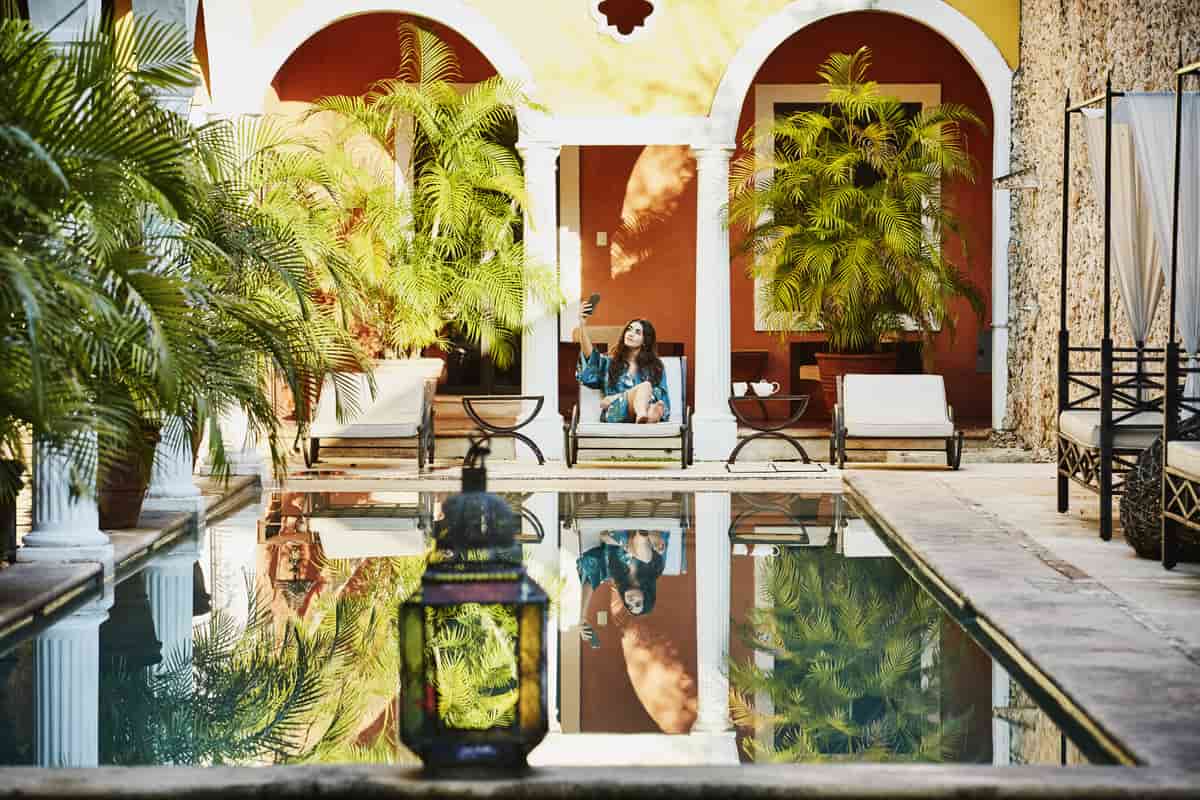
You might find a beautifully designed courtyard for relaxation, a rooftop terrace with stunning city views, or an intimate spa offering personalized treatments. The on-site restaurant, often a focal point of the hotel, is typically renowned for its quality and unique culinary offerings, sometimes helmed by acclaimed chefs. These amenities are designed to be more than just functional; they are integral parts of the hotel’s overall charm and contribute to its distinct personality.
Some boutique hotels go even further, offering unique experiences that are exclusive to their guests. This could include private guided tours of local landmarks, wine-tasting excursions, or even workshops on local crafts. The aim is to provide opportunities for guests to engage with the destination in a meaningful way, creating memories that last long after their stay. For luxury travel enthusiasts, these curated experiences are invaluable.
A Blend of Lifestyle and Travel
Boutique hotels often appeal to a specific lifestyle, attracting travelers who appreciate quality, design, and authentic experiences. They cater to those who view travel not just as a vacation, but as an opportunity for personal enrichment and exploration. Whether it’s a romantic getaway, a family trip that seeks a more intimate setting, or a business stay that prioritizes comfort and style, boutique hotels offer a versatile and appealing option.
The rise of social media has further amplified the appeal of boutique hotels, with their photogenic interiors and unique atmospheres becoming desirable backdrops for travelers looking to share their experiences. This has led to a greater emphasis on visual storytelling within the hotel design itself.
Furthermore, the appeal extends to different budget considerations. While some boutique hotels are synonymous with luxury travel, others offer a more accessible, yet still characterful, experience. The key is that they prioritize personality and unique offerings over sheer scale. This allows for a wider range of travelers to enjoy the benefits of a more personalized stay, whether they are on a budget or seeking an opulent escape.
Choosing the Right Boutique Hotel for Your Needs
With the growing popularity of boutique hotels, the options are vast and varied. Selecting the perfect one depends on your personal preferences, travel goals, and desired experience.
Factors to Consider When Booking
When embarking on your search for a boutique hotel, consider the following factors:
- Location: Are you looking for a bustling city center, a serene countryside escape, or a beachfront retreat? The location will heavily influence the type of boutique hotel you choose and the experiences available. For example, a boutique hotel in Rome might offer proximity to historical landmarks like the Colosseum, while one in the Maldives would focus on its stunning natural surroundings.
- Ambiance and Design: What aesthetic appeals to you? Are you drawn to classic elegance, modern minimalism, or quirky, themed décor? Reading reviews and looking at photos can give you a good sense of the hotel’s style.
- Amenities and Services: What facilities are important to you? Do you need a specific type of restaurant, a spa, or perhaps a family-friendly environment?
- Reviews and Reputation: Always check reviews from previous guests. They can offer invaluable insights into the service, cleanliness, and overall atmosphere of the hotel. Websites dedicated to accommodation reviews are excellent resources.
- Price Point: Boutique hotels exist across a range of price points. Determine your budget and look for options that offer the best value for your money, considering the unique experience they provide.
The Enduring Appeal of the Boutique Experience
In a world that often prioritizes efficiency and standardization, boutique hotels offer a refreshing counterpoint. They are a testament to the power of individuality, craftsmanship, and personalized connection. By embracing the unique character of their locations and infusing it into every aspect of the guest experience, they provide more than just accommodation; they offer a journey.
Whether you’re seeking a romantic escape in Venice, a cultural immersion in Kyoto, or a stylish urban retreat in New York City, a boutique hotel can transform your trip from ordinary to extraordinary. They are the perfect choice for travelers who value authenticity, appreciate thoughtful design, and long for a more intimate and memorable way to explore the world. The future of travel undoubtedly includes these special places that offer a true taste of the destination and a warm, personal welcome. They represent a commitment to quality and a deep understanding of what makes travel truly enriching.
LifeOutOfTheBox is a participant in the Amazon Services LLC Associates Program, an affiliate advertising program designed to provide a means for sites to earn advertising fees by advertising and linking to Amazon.com. Amazon, the Amazon logo, AmazonSupply, and the AmazonSupply logo are trademarks of Amazon.com, Inc. or its affiliates. As an Amazon Associate we earn affiliate commissions from qualifying purchases.