
Capsule hotels, a fascinating concept originating in Japan, represent a unique and increasingly popular form of accommodation. They offer a minimalist, space-efficient, and budget-friendly alternative to traditional hotels, primarily catering to solo travelers, backpackers, and those seeking a practical, no-frills lodging experience. Understanding the essence of a capsule hotel involves delving into its design, amenities, target audience, and the evolving global appeal of this distinctive lodging style.
The Genesis and Design Philosophy of Capsule Hotels
The genesis of the capsule hotel can be traced back to the late 1970s, with the first establishment, the “Capsule Inn Osaka,” opening its doors in Osaka, Japan, in 1979. The brainchild of architect Kisho Kurokawa, the concept was born out of a need to provide affordable and convenient accommodation in densely populated urban areas where land was scarce and expensive. The core philosophy is maximizing space efficiency without compromising on essential comfort.
The Capsule Unit
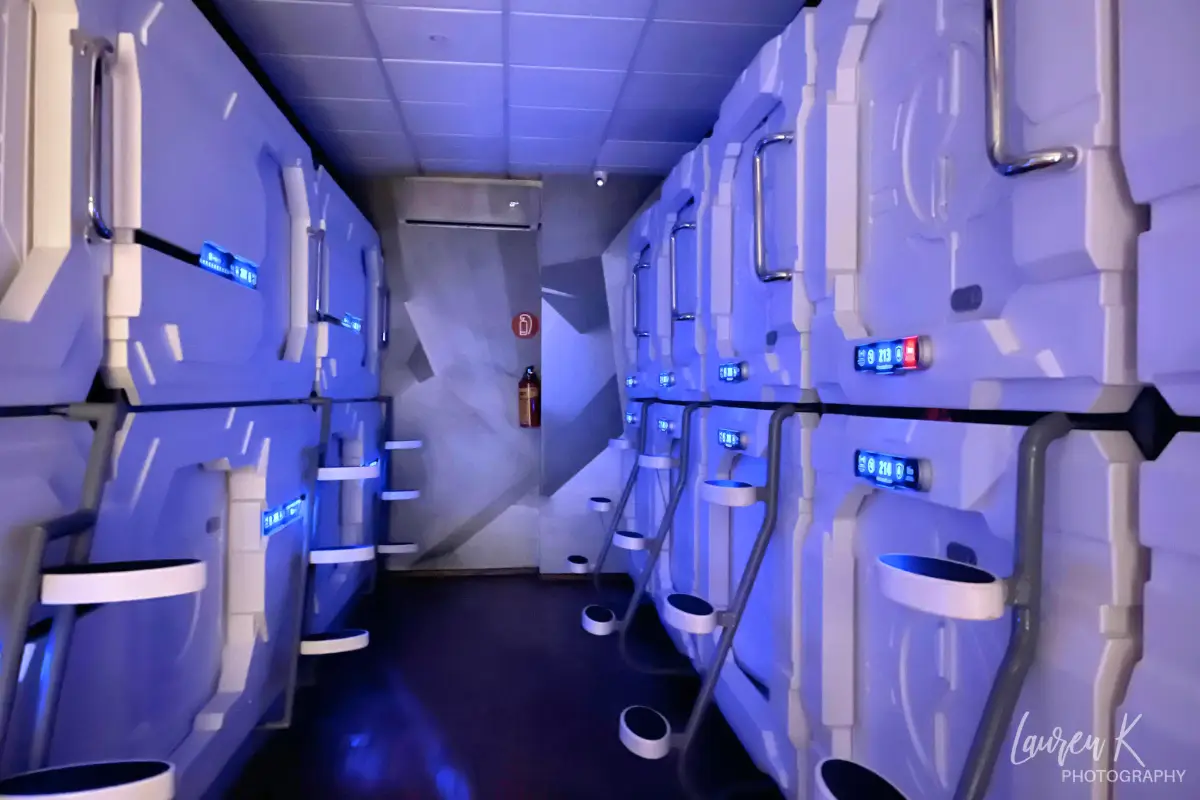
At the heart of a capsule hotel is the “capsule” itself. These are essentially compact, self-contained sleeping units, typically measuring around 2 meters in length, 1 meter in width, and 1.2 meters in height. They are stacked horizontally and vertically, creating a honeycomb-like structure that efficiently utilizes floor space. The exterior of the capsule is usually a plain, functional shell, often made of fiberglass or plastic.
Interior Comforts and Features
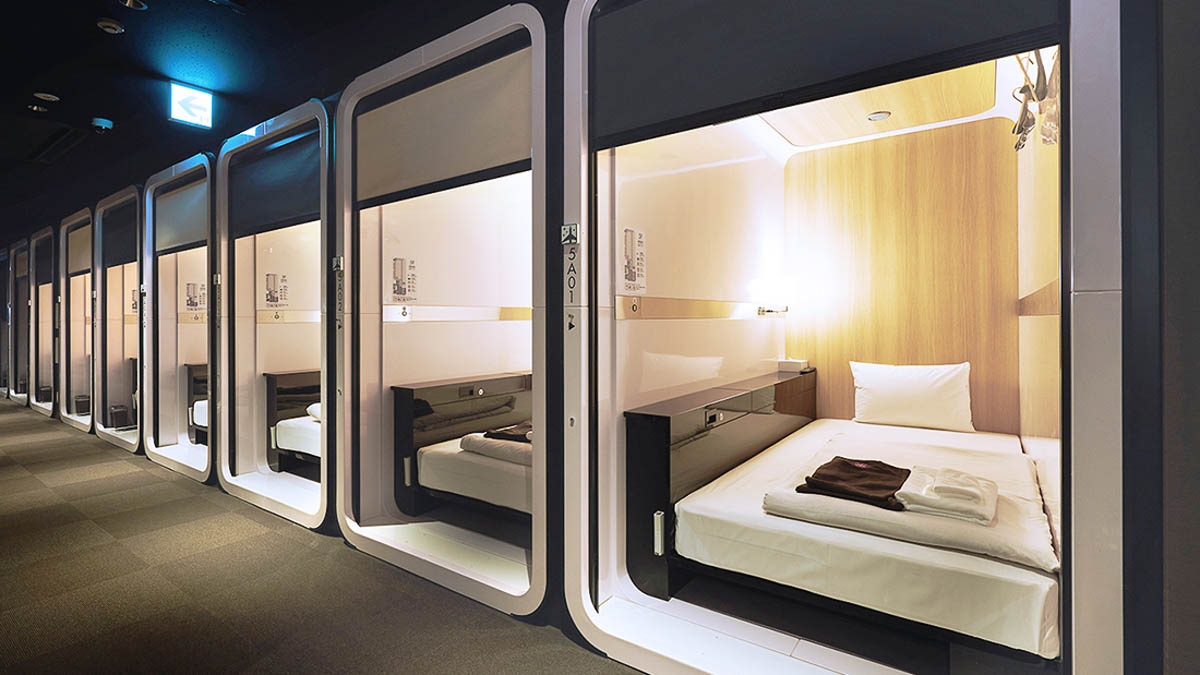
Despite their small footprint, capsule interiors are designed with surprising attention to detail. Each capsule typically includes:
- A Comfortable Mattress: A single-sized bed provides the basic sleeping surface.
- Personal Lighting: An adjustable reading light allows guests to illuminate their space without disturbing others.
- Ventilation: A small fan or air vent ensures a steady supply of fresh air.
- Power Outlets: Crucial for modern travelers, power outlets (often universal adapters) are provided for charging electronic devices.
- A Small Screen or Mirror: Some capsules feature a small vanity mirror, while others may include a basic entertainment screen, though this is less common in more minimalist designs.
- Privacy Curtain or Door: A sliding door or a sturdy curtain provides a sense of privacy and security, separating the guest’s personal space from the communal corridor.
- Storage: While not extensive, there is usually a small shelf or locker space for personal belongings. Larger luggage is typically stored in designated communal lockers.
Communal Areas and Amenities
Capsule hotels are fundamentally communal lodging facilities. While the sleeping space is private, the rest of the amenities are shared. These communal areas are meticulously maintained to ensure a pleasant experience for all guests.
- Lobby and Reception: The entrance area typically houses the reception desk, where guests check in and receive their capsule assignment.
- Locker Rooms: Secure, spacious lockers are provided for guests to store larger luggage and personal items.
- Bathrooms and Showers: Clean and well-maintained shared bathroom facilities are a hallmark of capsule hotels. These often include multiple shower stalls, sinks, and sometimes even communal bathing areas similar to Japanese sento (public baths).
- Communal Lounges: Many capsule hotels offer communal lounge areas where guests can relax, work, or socialize. These spaces may be equipped with seating, tables, Wi-Fi, and sometimes even vending machines.
- Vending Machines: A common feature, vending machines offer a range of snacks, drinks, and sometimes even toiletries, providing convenience for late-night cravings or forgotten essentials.
- Wi-Fi: Free Wi-Fi is a standard amenity, connecting guests to the outside world.
Who Stays in Capsule Hotels?
The appeal of capsule hotels is diverse, attracting a specific demographic of travelers.
Solo Travelers and Backpackers
Capsule hotels are an ideal choice for solo travelers and backpackers who prioritize budget-friendly accommodation and don’t require extensive private space. The shared facilities foster a sense of community, and the cost savings allow for longer trips or more spending on activities and experiences.
Business Travelers
For business travelers on short trips or those looking for a practical overnight stay between flights or meetings, capsule hotels offer a cost-effective and convenient solution. The proximity to transport hubs in many urban locations makes them particularly attractive.
Budget-Conscious Travelers
Anyone looking to minimize accommodation expenses will find capsule hotels a compelling option. The price point is significantly lower than that of traditional hotels, making travel more accessible to a wider range of people.
Those Seeking a Unique Cultural Experience
In Japan, staying in a capsule hotel is often considered a novel cultural experience. It offers a glimpse into the country’s innovative approach to urban living and its emphasis on efficiency and functionality.
Short-Term Layover Guests
Travelers with long layovers at airports can benefit from capsule hotels located within or near airport terminals, providing a comfortable place to rest without the expense and hassle of booking a full hotel room.
The Capsule Hotel Experience: What to Expect

Stepping into a capsule hotel for the first time can be a novel experience. Here’s a breakdown of what a typical stay entails:
Check-in Process
The check-in process is usually straightforward. Guests present their booking confirmation and identification. They are typically assigned a specific capsule number and a locker number. Staff will often provide a brief orientation to the facilities and any house rules. Some establishments might offer a small welcome kit with essentials like slippers and a toothbrush.
Navigating Communal Spaces
Respect for personal space and cleanliness is paramount in communal areas. Guests are expected to keep bathrooms tidy, avoid loud conversations in shared lounges, and be mindful of others using the facilities. The etiquette often mirrors that of a hostel, emphasizing consideration for fellow travelers.
Sleeping in the Capsule
The sleeping experience is surprisingly comfortable for most. The enclosed space provides a quiet and dark environment, conducive to rest, especially with earplugs and an eye mask, which are often provided or available for purchase. The small space might feel confining to some, but for those accustomed to minimalist living or seeking efficiency, it’s perfectly adequate.
Utilizing Amenities
Guests are encouraged to use the provided amenities, such as the lounges for working or relaxing. Shower facilities are typically available 24/7 or during specified hours. It’s advisable to check the operating hours for any specific amenities like saunas or communal baths, if offered.
Check-out
Check-out is usually quick and efficient. Guests vacate their capsules and lockers by the designated time, often returning a key card or wristband.
Variations and Evolution of Capsule Hotels
While the core concept remains, capsule hotels have evolved significantly and come in various forms to cater to different needs and preferences.
Luxury Capsule Hotels
In response to a growing demand and a desire to elevate the capsule experience, “luxury” capsule hotels have emerged. These establishments often feature larger, more well-appointed capsules with enhanced amenities such as higher-quality bedding, personal entertainment systems, en-suite washbasins within the capsule, and even private vanity areas. The communal areas in these hotels are also more sophisticated, resembling boutique hotels with stylish lounges and premium toiletries. Examples can be found in major cities like Tokyo and London.
Themed Capsule Hotels
To stand out in an increasingly competitive market, some capsule hotels have adopted unique themes. These can range from futuristic designs with LED lighting and advanced technology to pop-culture inspired interiors or even historically themed decor. These themed hotels often aim to provide an immersive and memorable stay, appealing to a niche segment of travelers seeking novelty.
Business-Oriented Capsule Hotels
Catering specifically to the business traveler, some capsule hotels are designed with enhanced workspace amenities. This might include larger desks within the capsules or dedicated co-working spaces in the communal areas, along with excellent Wi-Fi connectivity and printing services.
Gender-Separated Floors
To enhance comfort and security, many capsule hotels offer gender-separated floors or entire sections. This allows female travelers, in particular, to feel more secure and at ease using the shared facilities.
Global Expansion
While deeply rooted in Japan, the capsule hotel concept has successfully migrated to other parts of the world. Cities like Seoul, Bangkok, New York City, and Berlin now host their own versions of capsule accommodations, adapting the model to local contexts and traveler needs. This global spread indicates the enduring appeal of the efficient, affordable, and practical lodging solution.
The Future of Capsule Hotels
The capsule hotel, once a niche offering, is poised for continued growth and innovation. As urban populations swell and the demand for affordable, well-located accommodation intensifies, the capsule hotel model offers a sustainable and scalable solution. Future developments may see further integration of smart technology, more personalized capsule experiences, and an even greater focus on sustainability in their construction and operation. For the modern traveler seeking efficiency, affordability, and a unique lodging experience, the humble capsule hotel continues to offer a compelling and evolving choice.
LifeOutOfTheBox is a participant in the Amazon Services LLC Associates Program, an affiliate advertising program designed to provide a means for sites to earn advertising fees by advertising and linking to Amazon.com. Amazon, the Amazon logo, AmazonSupply, and the AmazonSupply logo are trademarks of Amazon.com, Inc. or its affiliates. As an Amazon Associate we earn affiliate commissions from qualifying purchases.