
For many, the idea of a hot dog conjures images of backyard barbecues or simple ballpark fare. But in the vibrant metropolis of Chicago, the humble hot dog transcends its basic form to become a culinary masterpiece, a symbol of local pride, and an essential part of the city’s identity. The Chicago Dog is not just a meal; it’s an experience, a cultural statement, and a must-try for any traveler venturing into the United States’ Midwest. If you’re planning a trip to the Windy City, understanding what defines this iconic dish, its history, and where to find the best rendition is crucial to truly immerse yourself in the local culture and savor an authentic taste of Chicago.

From budget travelers seeking an authentic local bite to luxury connoisseurs exploring unique regional delicacies, the Chicago Dog offers an accessible and unforgettable gastronomic adventure. It’s more than just food; it’s an attraction in itself, drawing foodies and curious tourists alike. As part of a broader exploration of Chicago, savoring a hot dog done the Chicago way provides a unique insight into the city’s no-frills, robust character and its rich culinary landscape.
The Anatomy of an Icon: What Makes a Chicago Dog?
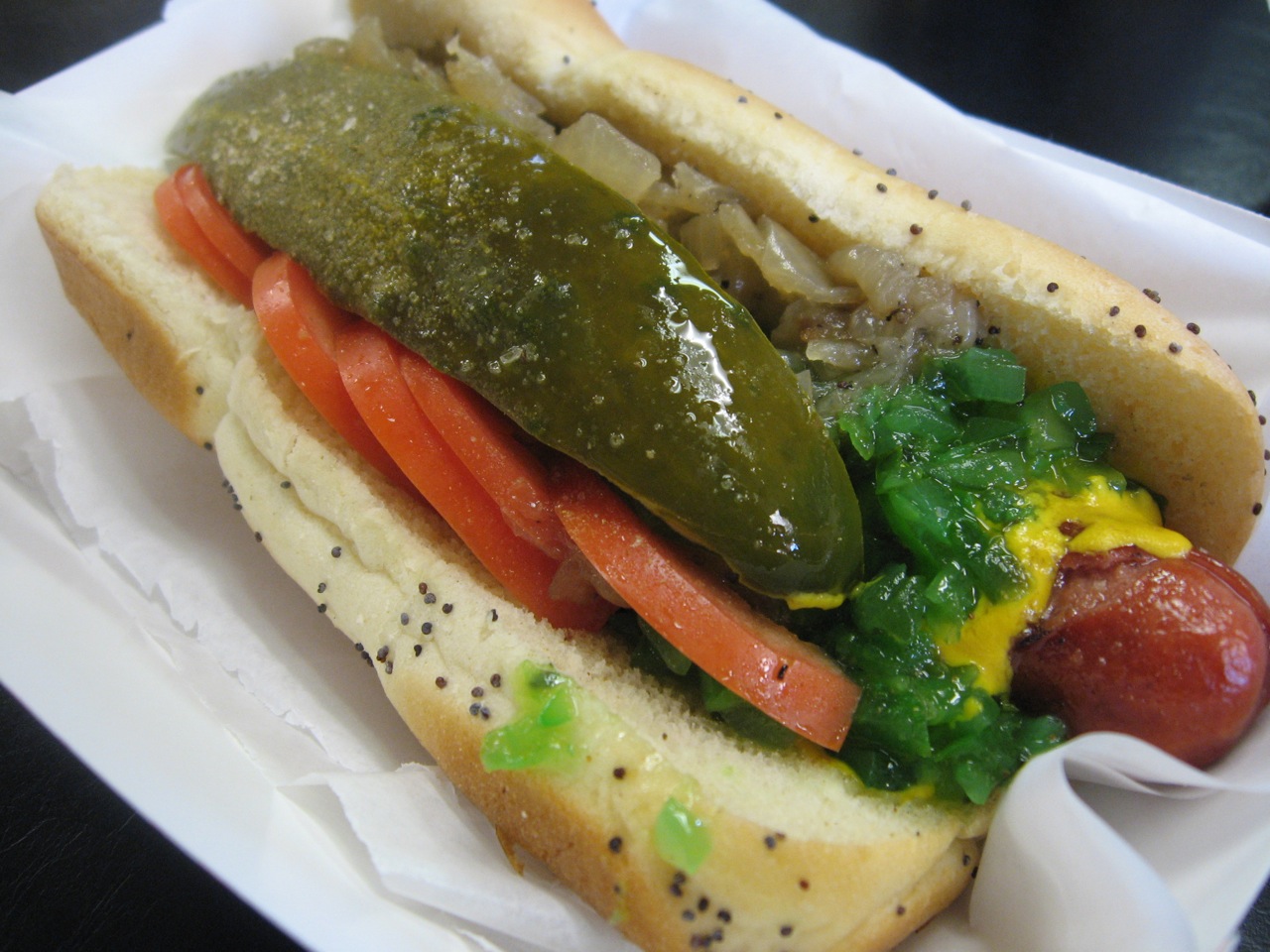
To fully appreciate the Chicago Dog, one must first understand its distinct components. This isn’t just any hot dog; it’s a precisely constructed symphony of flavors and textures, each ingredient playing a crucial role in creating the iconic taste. The preparation is almost ritualistic, adhering to strict rules that brook no deviation, especially for purists.
The All-Beef Frank
At the heart of the Chicago Dog is a natural-casing, all-beef frankfurter. This is non-negotiable. The natural casing provides that satisfying “snap” when you bite into it, a textural element that is key to the experience. Typically, these franks are steamed or simmered, never grilled or pan-fried, preserving their juicy tenderness. The preferred brand for many establishments, and arguably the most famous, is Vienna Beef, a Chicago institution since 1893, known for its quality and distinctive flavor. The beef frank is robust, savory, and provides the perfect foundation for the vibrant toppings that follow.
The Poppy Seed Bun
Equally important is the bun. A true Chicago Dog is served in a steamed poppy seed bun. The steaming process makes the bun wonderfully soft and pliable, a stark contrast to the frank’s snap, while the poppy seeds add a subtle nuttiness and another layer of textural interest. This isn’t a mere vessel for the hot dog; it’s an integral part of the overall sensory experience, designed to complement rather than overpower the other elements. The steamed bun also holds up well to the generous array of toppings, preventing sogginess.
The Seven Sacred Toppings
This is where the Chicago Dog truly distinguishes itself. The combination of toppings, often referred to as “dragged through the garden,” is specific and non-negotiable. These seven ingredients are carefully arranged to create a harmonious blend of sweet, savory, tangy, and spicy notes:
- Yellow Mustard: A generous zig-zag of classic yellow mustard is applied directly to the frank. Its sharp tanginess cuts through the richness of the beef.
- Chopped White Onions: Finely diced white onions add a fresh, pungent crunch that awakens the palate.
- Bright Green Sweet Pickle Relish: This isn’t just any relish. The neon-green, sweet pickle relish is a signature element, providing a burst of sugary sweetness and a touch of color that instantly identifies it as a Chicago Dog.
- A Dill Pickle Spear: A substantial dill pickle spear (or sometimes a half-spear) is tucked alongside the frank, offering a refreshing, briny crunch and a classic sour counterpoint.
- Tomato Slices or Wedges: Two to three fresh tomato slices or wedges are carefully placed, adding a juicy, slightly acidic, and vibrant element.
- Pickled Sport Peppers: These small, moderately hot, pickled green peppers deliver a crucial spicy kick. They are distinct from jalapeños and offer a unique piquant flavor that is essential to the Chicago Dog experience.
- A Dash of Celery Salt: The final flourish is a sprinkle of celery salt over the entire creation. This might seem minor, but it ties all the flavors together, adding an earthy, savory depth that elevates the ensemble.
The Cardinal Rule: No Ketchup!
Perhaps the most fiercely debated aspect of the Chicago Dog is the strict prohibition on ketchup. For true Chicagoans, adding ketchup to a Chicago Dog is considered an unforgivable culinary sin, a crime against the carefully balanced flavors. The traditional toppings already provide a full spectrum of tastes, and the sweetness of ketchup is believed to overwhelm and destroy the intricate profile. Many hot dog stands in Chicago won’t even offer ketchup, especially for a Chicago Dog. It’s a rite of passage for visitors to embrace this rule, signaling a respect for local tradition and a willingness to truly experience the dish as intended.
A Bite of History: The Chicago Dog’s Enduring Legacy
The story of the Chicago Dog is deeply intertwined with the city’s history, reflecting its immigrant roots, working-class ethos, and ingenuity. It’s a testament to how simple street food can evolve into a cherished cultural institution, becoming a landmark of local cuisine.
Immigrant Roots and Depression-Era Appeal
The origins of the hot dog itself trace back to German immigrants who brought frankfurters and wieners to the United States in the late 19th century. Chicago, with its burgeoning meatpacking industry and large immigrant population, quickly became a hub for this new street food. Initially, hot dogs were sold from carts by vendors, offering a quick, affordable, and portable meal for laborers and factory workers.
The specific combination of toppings that defines the Chicago Dog really took shape during the Great Depression. During this time of economic hardship, street vendors sought ways to offer a substantial and visually appealing meal for a nickel. By “dragging the dog through the garden” with a colorful array of inexpensive vegetables, they could make a single frankfurter seem like a more complete and satisfying meal. The sweet relish, pickle, tomatoes, and peppers not only added flavor but also provided perceived nutritional value and made the hot dog more filling, offering incredible value for money.
From Street Cart to Cultural Icon
Early hot dog stands, often family-owned and operated, became community fixtures. Places like the original Fluky’s (established 1929) are credited with popularizing the fully dressed Chicago Dog as we know it today. Over the decades, as Chicago grew and prospered, so too did the popularity of its unique hot dog. It transitioned from purely working-class fare to a beloved local delicacy enjoyed by all segments of society, celebrated for its consistency and flavor.
Today, the Chicago Dog is synonymous with Chicago tourism and local culture. It’s a badge of honor for visitors to try one, and a source of fierce pride for residents. Its history speaks to the city’s resilience, its welcoming of diverse cultures, and its ability to turn simple ingredients into something truly extraordinary. It’s a prime example of local culture thriving and becoming a cornerstone of tourist attraction.
Navigating Chicago’s Hot Dog Landscape: Where to Savor the Best
For visitors, the quest for the perfect Chicago Dog is an essential part of the travel experience. Chicago is dotted with countless hot dog stands, each with its loyal following and slightly nuanced take on the classic. Exploring these establishments offers a delightful culinary journey and a chance to experience the city’s diverse neighborhoods.
Famous Hot Dog Joints and Hidden Gems
While consistency is a hallmark of the Chicago Dog, specific venues have earned legendary status:
- Portillo’s: Arguably the most famous hot dog chain in Chicago, Portillo’s offers a vibrant, nostalgic atmosphere and consistently excellent Chicago Dogs, alongside other Chicago staples like Italian beef. With multiple locations, it’s an easy and reliable stop for tourists.
- Superdawg Drive-In: A beloved throwback, Superdawg offers a unique drive-in experience with carhop service and iconic anthropomorphic hot dog figures on its roof. Their “Superdawg” is a slightly larger, all-beef frank served with their own proprietary pickled green tomato and special relish.
- Gene & Jude’s: Located just outside the city in River Grove, Gene & Jude’s is a purist’s paradise. They focus on the basics: hot dogs, fries, and tamales. Their hot dog is famously served with just mustard, onions, relish, and sport peppers, with a mountain of fresh-cut fries piled directly on top. It’s a no-frills, stand-up-and-eat experience that embodies traditional Chicago hot dog culture.
- The Wieners Circle: For a truly unique and often raucous late-night experience in Lincoln Park, The Wieners Circle is famous for its “char dogs” and the famously abusive banter between staff and customers. It’s definitely an experience, but perhaps not for the faint of heart!
Beyond these famous names, countless local hot dog stands in neighborhoods across Chicago offer their own take on the classic. Part of the fun of a culinary travel experience in Chicago is seeking out these local gems, perhaps stumbled upon during a walk through a vibrant district like Wrigleyville or a visit to a local park.
Incorporating a Chicago Dog Experience into Your Travel Itinerary
For travelers, eating a Chicago Dog can be integrated into almost any itinerary. It’s a quick, affordable, and incredibly satisfying meal that can be enjoyed between visiting landmarks or as a culinary pit stop during a sightseeing tour.
- Lunch Break: Many hot dog stands are perfect for a casual lunch after exploring Millennium Park, the Art Institute of Chicago, or strolling along the Magnificent Mile.
- Game Day Fuel: Before catching a Cubs game at Wrigley Field or a White Sox game, grabbing a Chicago Dog is a quintessential part of the sports experience.
- Evening Snack: Some hot dog stands, like The Wieners Circle, cater to the late-night crowd, offering a hearty bite after an evening out.
- Food Tours: Consider joining a food tour focused on Chicago street food. These tours often include Chicago Dogs and provide historical context and insider tips, enhancing the tourism experience.
Exploring Chicago by Taste: Beyond the Hot Dog
While the Chicago Dog is a star, Chicago’s culinary scene offers much more. After enjoying your hot dog, consider exploring other local specialties such as deep-dish pizza, Italian beef sandwiches, or Garrett Popcorn. A food-focused itinerary provides a fantastic way to experience the city’s diverse flavors and cultures, making your travel guides truly comprehensive.
Making the Most of Your Chicago Visit: Accommodation and Lifestyle Tips
Understanding the Chicago Dog is just one piece of planning a memorable trip to Chicago. To fully immerse yourself in the city’s charm, consider how your accommodation and travel lifestyle choices can enhance your culinary exploration.
Choosing the Right Stay for Your Culinary Adventure
When booking accommodation in Chicago, consider proximity to hot dog stands and other culinary hotspots.
- Loop and River North: Staying in these central districts, with hotels like the Hyatt Regency Chicago or Thompson Chicago, puts you within easy reach of many major attractions and accessible hot dog vendors. You can easily walk or take public transport to famous spots.
- Lincoln Park: If you prefer a charming neighborhood feel with access to attractions like Lincoln Park Zoo and several excellent hot dog spots, booking an apartment or a boutique hotel in Lincoln Park might be ideal.
- West Loop: Known for its burgeoning restaurant scene, the West Loop offers a more upscale dining experience, but also has some great casual eateries. This area might appeal to luxury travelers looking for high-end resorts and hotels like The Peninsula Chicago, while still providing access to authentic street food experiences.
When checking hotel reviews and comparing options, look for places that offer good public transport links, as Chicago’s ‘L’ train system is efficient and can take you to hot dog havens across the city. Some serviced apartments or long-term stay options might even offer kitchenettes, allowing you to try assembling your own version of a [Chicago Dog](https://lifeoutofthebox.com/chicago-dog] with fresh ingredients from a local market.
Budget-Friendly Bites and Luxury Experiences
The Chicago Dog is inherently a budget-friendly meal, making it an excellent choice for travelers on a tight budget. You can enjoy a delicious, filling meal for just a few dollars, leaving more of your travel funds for other attractions, experiences, or luxury accommodation. Even if you’re on a luxury travel budget, experiencing a Chicago Dog is an essential part of understanding Chicago’s culture. It’s an authentic local experience that bridges all lifestyle types, showing that true flavor and tradition aren’t always found in white-tablecloth restaurants.

Family Fun and Business Bites
The casual nature of a Chicago Dog makes it perfect for family trips. Kids usually love hot dogs, and the vibrant toppings make for an exciting, interactive meal. It’s a quick and easy option when exploring attractions like Navy Pier or the Museum of Science and Industry.
For business travelers, a Chicago Dog offers a fast, delicious, and culturally significant meal option between meetings. It’s a chance to step away from formal dining and grab a genuine taste of the city, even with limited time. It offers a slice of local life that many business stays miss.
In conclusion, the Chicago Dog is far more than just a hot dog. It’s a symbol of Chicago’s culinary heritage, a testament to its vibrant culture, and an absolute must-try for anyone visiting the city. Its specific components, rich history, and ubiquitous presence make it a cornerstone of Chicago tourism, offering an authentic and unforgettable experience that appeals to every type of traveler. So, when you plan your next trip to Chicago, make sure “What Is A Chicago Dog?” is not just a question, but a flavorful journey you undertake.
LifeOutOfTheBox is a participant in the Amazon Services LLC Associates Program, an affiliate advertising program designed to provide a means for sites to earn advertising fees by advertising and linking to Amazon.com. Amazon, the Amazon logo, AmazonSupply, and the AmazonSupply logo are trademarks of Amazon.com, Inc. or its affiliates. As an Amazon Associate we earn affiliate commissions from qualifying purchases.