
Navigating the legal landscape of any destination is crucial for a truly immersive and stress-free travel experience. While most travelers focus on cultural nuances, culinary delights, and scenic vistas, understanding local legal frameworks can prevent unforeseen complications. In Texas, a state known for its vast landscapes and distinct identity, legal classifications play a significant role in shaping daily life and, by extension, the experiences of visitors. Among these classifications, the Class B misdemeanor stands out as a common yet serious category of offense that travelers should be aware of. This understanding is not about fostering fear, but about promoting informed decision-making and ensuring a smooth journey through the Lone Star State.
Understanding Texas Criminal Offenses
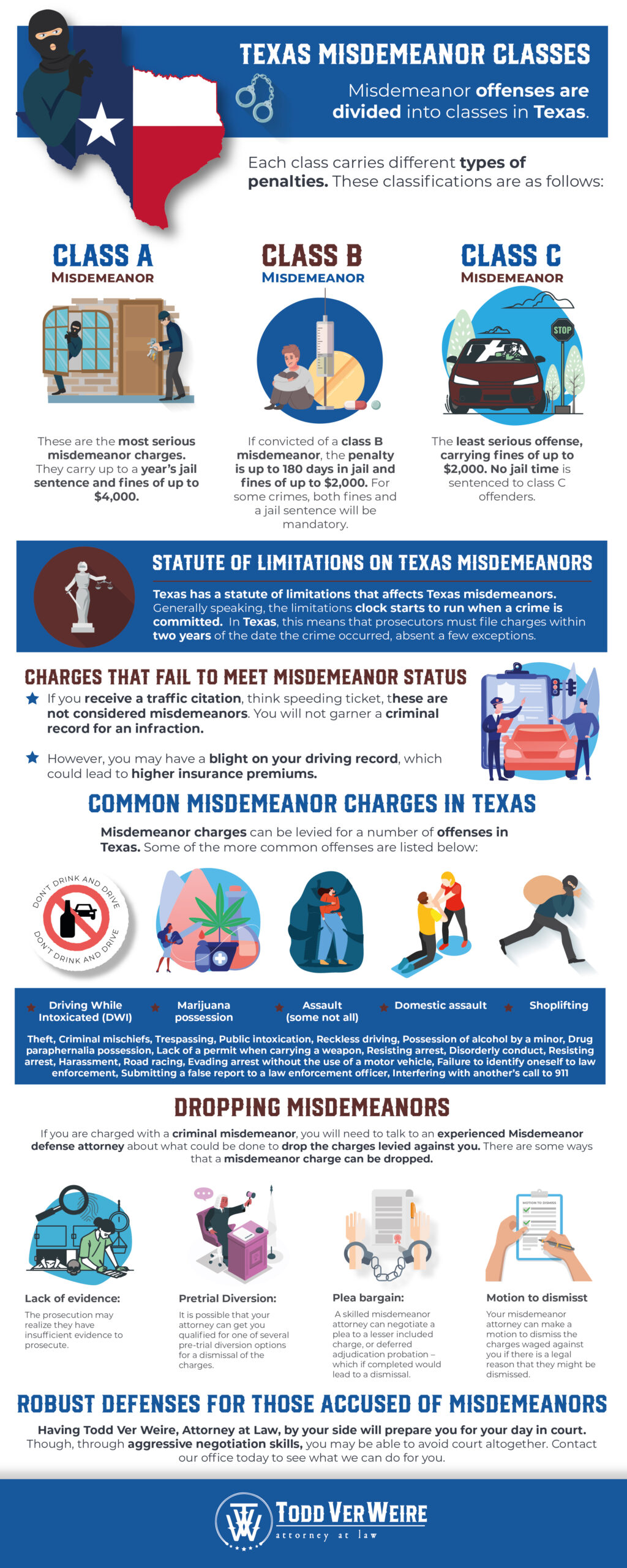
The Texas Penal Code categorizes criminal offenses into two primary groups: felonies and misdemeanors. Felonies represent more serious crimes, carrying potential prison sentences of over a year and significant fines. Misdemeanors, on the other hand, are less severe offenses, typically punishable by fines and jail time of less than a year, served in a county jail rather than a state penitentiary.
Within the misdemeanor category, Texas further divides offenses into three classes: Class A, Class B, and Class C. Each class carries a different spectrum of potential penalties, reflecting the perceived seriousness of the crime.
- Class C Misdemeanor: This is the least serious type of misdemeanor. These offenses are often punishable by fines only, though judges may impose court costs and other fees. Examples include minor traffic violations and certain local ordinance violations.
- Class B Misdemeanor: This category represents a step up in seriousness from Class C offenses. The penalties are more substantial, involving potential jail time and higher fines.
- Class A Misdemeanor: This is the most serious type of misdemeanor, carrying the harshest penalties short of a felony.
The Significance of Classification for Travelers
For travelers, understanding these distinctions is vital. While serious criminal activity is unlikely to be on a tourist’s agenda, minor infractions or misunderstandings can sometimes lead to encounters with law enforcement. Knowing the potential consequences of various actions, even those that might seem minor in other jurisdictions, can help travelers avoid stressful situations. For instance, being aware of Texas laws regarding public intoxication or possession of small amounts of certain substances can prevent accidental offenses. A Class B misdemeanor, though not a felony, can still have significant repercussions on an individual’s record, potentially impacting future travel, employment, or even the ability to obtain visas for international travel. Therefore, a proactive approach to understanding local laws is always recommended.
Defining a Class B Misdemeanor in Texas
A Class B misdemeanor in Texas is a criminal offense that, upon conviction, carries a maximum penalty of:
- A fine of up to $2,000.
- Confinement in the county jail for a term not to exceed 180 days (six months).
- Or both the fine and the confinement.
These penalties are set by state statute and apply statewide. It’s important to note that judges have discretion within these limits. A judge can impose the maximum penalty, a lesser penalty, or even defer adjudication, which means the defendant may avoid a conviction if they successfully complete a period of probation.
Common Examples of Class B Misdemeanors
The range of acts that can constitute a Class B misdemeanor in Texas is diverse. Understanding these examples can provide clarity on the types of behavior that fall into this legal category.
- Driving While Intoxicated (DWI) – First Offense: While subsequent DWI offenses can be elevated to felonies, a first-time conviction for driving with a blood alcohol concentration (BAC) of 0.08% or higher, or while impaired by alcohol or other substances, is typically classified as a Class B misdemeanor. This is a critical point for any visitor operating a vehicle.
- Theft of Property Valued Between $100 and $750: The value of the stolen property is a key factor in determining the severity of a theft charge. For items valued in this range, the offense is classified as a Class B misdemeanor. This could include shoplifting items like electronics, clothing, or tools exceeding $100 in value but not reaching the felony threshold.
- Possession of Marijuana: Possession of two ounces or less of marijuana is a Class B misdemeanor in Texas. This is a significant distinction from many other states where such possession might be legal or a lesser offense.
- Criminal Trespass of a Habitation: Entering or remaining on someone’s property without effective consent, especially if it is a place of habitation, can be classified as a Class B misdemeanor. This applies to private residences.
- Assault Causing Bodily Injury: While more serious forms of assault can be felonies, an assault that causes non-serious bodily injury to another person can be charged as a Class B misdemeanor.
- Disorderly Conduct with a Deadly Weapon: Engaging in offensive, threatening, or abusive language or gestures in public with the intent to cause a breach of the peace, especially when accompanied by a deadly weapon, falls under this category.
- Graffiti: Vandalizing property with graffiti can be considered a Class B misdemeanor, particularly if the damage exceeds a certain value or is done on certain types of property.
- Unlawful Possession of a Firearm by a Minor: For individuals under 18, possessing a handgun is generally a Class B misdemeanor.
The Importance of Legal Counsel
It is imperative to understand that this information is for general awareness and not legal advice. If an individual faces any criminal charges in Texas, seeking advice from a qualified Texas attorney is paramount. A legal professional can explain the specific charges, potential defenses, and the intricacies of the Texas legal system, ensuring the best possible outcome.
Consequences and Implications of a Class B Misdemeanor Conviction
A conviction for a Class B misdemeanor in Texas carries more than just the immediate penalties of fines and potential jail time. The long-term implications can be substantial and impact various aspects of a person’s life, particularly for those who are not residents of the state.
Criminal Record and Background Checks
A Class B misdemeanor conviction results in a criminal record. This record is accessible through background checks conducted by employers, landlords, and licensing agencies. For travelers, especially those seeking to establish residency, obtain employment, or secure certain professional licenses in Texas or elsewhere, a misdemeanor conviction can present significant hurdles. It can lead to job application rejections, denial of rental agreements, or difficulty in obtaining professional certifications.
Impact on Travel and Future Opportunities

While a Class B misdemeanor is not a felony, it can still affect international travel. Some countries may deny entry to individuals with a criminal record, regardless of the severity of the offense. This is particularly true for nations with strict immigration policies. Furthermore, future opportunities, such as applying for certain visas or programs, may be jeopardized. For those who regularly travel to Texas for business or leisure, a conviction could lead to increased scrutiny from law enforcement during future visits.
Driver’s License Suspension
Certain Class B misdemeanors, most notably DWI, can lead to the suspension of a driver’s license. The duration of the suspension varies depending on the specific offense and prior history. This can significantly impact an individual’s ability to commute, work, or even engage in recreational activities that involve driving.
Fines and Court Costs
Beyond the statutory fines, individuals convicted of a Class B misdemeanor are typically responsible for all court costs and associated fees. These can add up quickly, sometimes exceeding the base fine. For visitors, managing these financial obligations while out of state can be a considerable burden.
Educational and Professional Licensing
For students aspiring to enter higher education or pursue certain professions that require state licensing (e.g., healthcare, education, law), a misdemeanor conviction can impact their eligibility. Many educational institutions and licensing boards review criminal history as part of their admission and licensing processes.
Avoiding Misdemeanor Offenses While Traveling in Texas
The most effective way to avoid the complications of a Class B misdemeanor is to be aware of and adhere to Texas laws. While traveling through Texas, whether for business or pleasure, a mindful approach to conduct can prevent unfortunate encounters with the legal system.
Respecting Local Laws and Ordinances
Every city and county in Texas may have specific ordinances in addition to state laws. Familiarize yourself with general rules regarding public behavior, noise levels, and alcohol consumption. This is especially important in popular tourist destinations and entertainment districts.
Responsible Alcohol Consumption
Texas has strict laws regarding driving while intoxicated. If you choose to consume alcohol, designate a driver, use ride-sharing services like Uber or Lyft, or utilize public transportation. Never drive after drinking. Be mindful of public intoxication laws as well, which can also lead to charges.
Understanding Property Rights
Respect private property. Do not trespass on private land or enter restricted areas. Be aware of signage indicating private property or no-trespassing zones. This includes entering establishments that require a cover charge or have specific entry requirements.
Safe Storage and Handling of Personal Belongings
Theft is a serious offense. Be vigilant about your belongings, especially in crowded areas or public transportation. Avoid situations that could be misconstrued as intent to steal, such as shoplifting.
Awareness of Drug Laws
Texas has stringent laws regarding controlled substances. Even small amounts of certain drugs that may be legal or decriminalized elsewhere can result in a Class B misdemeanor charge. It is crucial to be aware of and abide by these laws.

Navigating Interactions with Law Enforcement
Should you have an interaction with law enforcement, remain calm, respectful, and cooperative. Do not resist arrest, and clearly state if you wish to speak with an attorney. Understanding your rights is important, but so is maintaining a demeanor that de-escalates the situation.
By staying informed and exercising good judgment, travelers can enjoy all that Texas has to offer without the worry of legal entanglements. The Class B misdemeanor serves as a reminder that while Texas is a welcoming state, it is also one with clear legal expectations for all its visitors.
LifeOutOfTheBox is a participant in the Amazon Services LLC Associates Program, an affiliate advertising program designed to provide a means for sites to earn advertising fees by advertising and linking to Amazon.com. Amazon, the Amazon logo, AmazonSupply, and the AmazonSupply logo are trademarks of Amazon.com, Inc. or its affiliates. As an Amazon Associate we earn affiliate commissions from qualifying purchases.