
Texas, the second-largest state in the United States, boasts a rich history and a unique governmental structure, much of which predates its statehood. Among the various law enforcement entities that ensure public safety and judicial process across the vast Lone Star State, the Constable holds a distinctive and historically significant position. Often misunderstood by those unfamiliar with Texas’ legal framework, especially visitors exploring its many attractions, the role of a Constable is vital to the fabric of local governance and the daily lives of its residents.
The office of Constable in Texas is one of the oldest law enforcement positions in the state, tracing its roots back to English common law and having been formally established during the days of the Republic of Texas in the 1830s. Unlike municipal police departments that serve cities, or sheriff’s offices that cover entire counties, Constables operate within specific geographic divisions known as precincts. Each county in Texas is divided into several Justice Court precincts, and each of these precincts elects its own Constable. This localized, elective office ensures a direct accountability to the community it serves, making the Constable an integral part of local law enforcement and the judicial system. For travelers venturing through Texas’ diverse landscapes, from the bustling metropolises of Houston and Dallas to the charming historic towns of Fredericksburg or Galveston, understanding the Constable’s role offers a deeper insight into the state’s unique governance and the layers of its public safety network.
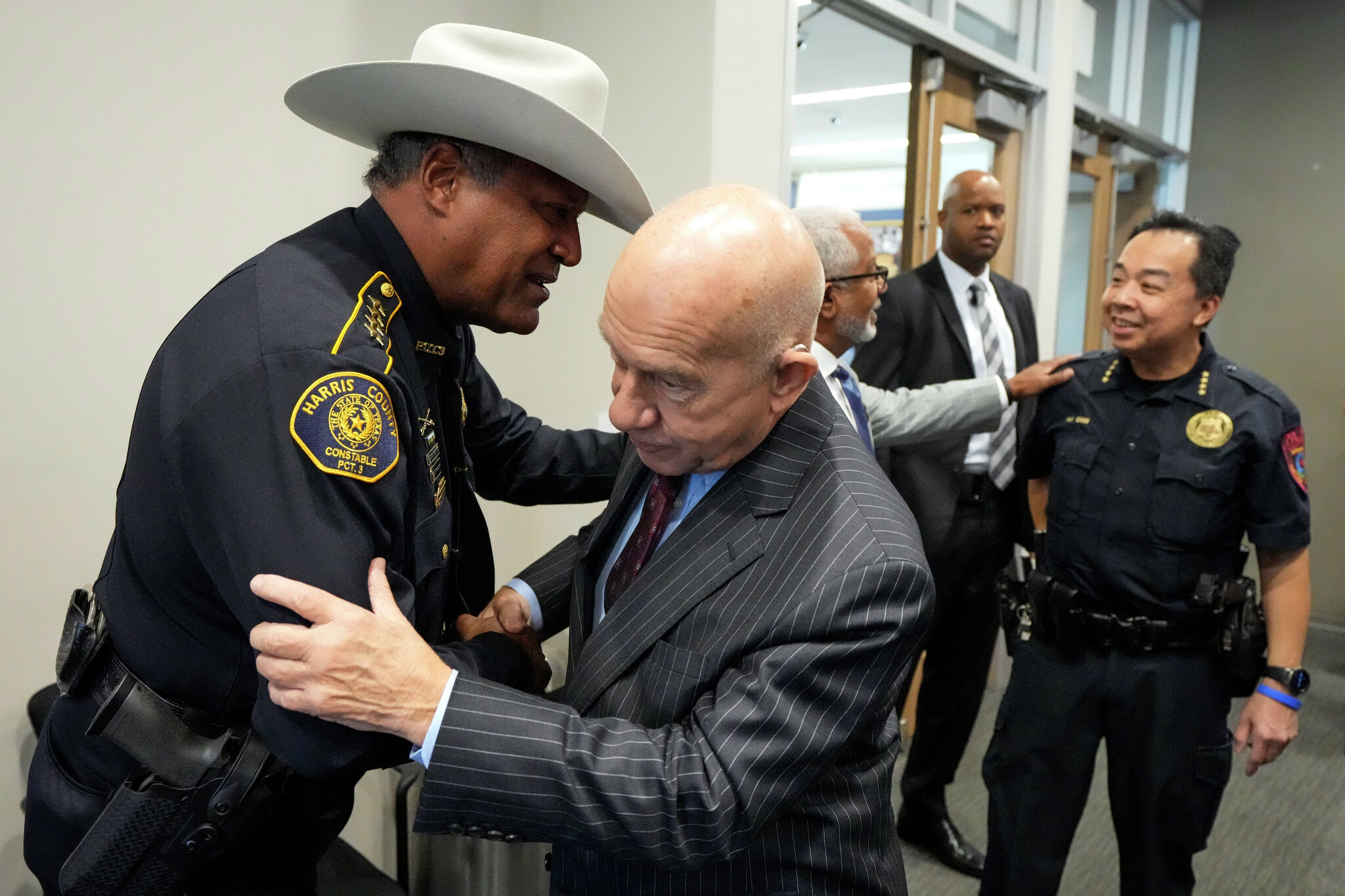
The Unique Role of the Texas Constable in Local Governance
The Texas Constable’s office is a fascinating blend of historical tradition and modern necessity. It stands as a testament to the state’s commitment to local control and a nuanced approach to law enforcement that diverges significantly from models found in many other states. To truly appreciate this role, one must delve into its origins and understand how it distinguishes itself from other law enforcement agencies.
Historical Roots: From Republic to Modern Era
The lineage of the Texas Constable can be traced back through the common law traditions brought by early settlers from the United States and even further to ancient England. In colonial Texas, during the era of Mexican rule and particularly during the establishment of Anglo-American colonies, community leaders recognized the need for local peacekeepers. Figures like Stephen F. Austin, the “Father of Texas,” oversaw the formation of early forms of law and order to manage disputes and enforce regulations within his settlements.
When Texas achieved independence and became the Republic of Texas in 1836, the office of Constable was formally enshrined in its constitution. These early Constables were essential in a frontier society, tasked with keeping the peace, serving warrants, and assisting the fledgling judicial system. They often served in vast, sparsely populated areas, embodying the spirit of self-reliance and community-based justice that characterized the early Lone Star State. Their duties were broad, ranging from apprehending criminals to settling civil disputes and even overseeing elections.
Upon Texas’ admission to the United States in 1845, and through subsequent constitutional revisions, the Constable’s office remained a fixture. While the state grew and industrialized, and more specialized law enforcement agencies emerged, the Constable’s fundamental purpose — to serve the Justice Courts and maintain peace within their precinct — endured. This historical continuity provides a fascinating layer to any exploration of Texas’ heritage, as the Constable’s office is as much a part of its historical landmarks as the Alamo or the San Jacinto Battlefield.
Distinctive Features Compared to Other Law Enforcement
Understanding the Texas Constable requires distinguishing their role from other prominent law enforcement agencies in the state: municipal police departments and county sheriff’s offices. While all are peace officers with arrest powers, their jurisdictions, primary responsibilities, and accountability structures differ significantly.
- Municipal Police Departments: These agencies are established by cities (e.g., the Austin Police Department or the San Antonio Police Department) and are responsible for enforcing laws, investigating crimes, and maintaining order within the city limits. They are accountable to the city council and mayor.
- County Sheriff’s Offices: A sheriff is the chief law enforcement officer of a county. The sheriff’s office has county-wide jurisdiction, including unincorporated areas and often providing contract services to smaller towns. Their duties include operating the county jail, patrolling roads, and investigating crimes throughout the county. The sheriff is an elected official, accountable to the county’s voters.
- Constable’s Offices: Constables are also elected officials, but their jurisdiction is limited to a specific Justice Court precinct within a county. While they have full peace officer authority throughout the county, their primary duties and focus are typically within their elected precinct. Their closest judicial ties are with the Justice of the Peace courts, for whom they serve civil papers. This precinct-specific focus allows for a deeper, more localized connection to the communities they serve, often operating out of smaller, more accessible offices than a large sheriff’s department. For visitors to smaller Texas towns or rural areas, the Constable might be the most visible form of law enforcement, directly impacting local safety and community well-being.
Powers, Responsibilities, and Jurisdiction
The range of duties performed by a Texas Constable is remarkably diverse, encompassing both civil and criminal law enforcement, alongside general peace officer functions. This multifaceted role is defined by state statutes, primarily the Texas Code of Criminal Procedure and the Texas Local Government Code, ensuring their authority is clearly delineated.
Civil Law Enforcement
One of the primary and most distinctive responsibilities of a Texas Constable is their robust involvement in civil law enforcement. They serve as the executive arm of the Justice Courts and, to a lesser extent, other county and district courts within their precinct. This involves executing various civil processes, which are critical to the functioning of the civil justice system.
Key civil duties include:
- Serving Warrants and Subpoenas: Constables deliver court orders that compel individuals to appear in court or produce evidence, ensuring the wheels of justice can turn efficiently.
- Executing Writs: These can include writs of garnishment (for collecting debt from wages), writs of attachment (for seizing property), and writs of possession (for evictions). For instance, if a landlord in Harris County obtains an eviction order from a Justice Court, it is typically the Harris County Constable of that precinct who carries out the eviction.
- Enforcing Court Orders: This extends to enforcing judgments, conducting property sales to satisfy debts, and ensuring compliance with civil directives issued by the courts.
This aspect of the Constable’s role is often unseen by the general public but is foundational to upholding property rights and contractual obligations across Texas.
Criminal Law Enforcement
Beyond civil duties, Texas Constables are fully empowered peace officers with significant responsibilities in criminal law enforcement. Their authority mirrors that of a sheriff or municipal police officer when it comes to enforcing state laws.
Their criminal law duties include:
- Making Arrests: Constables can arrest individuals who commit offenses in their presence or for whom an arrest warrant has been issued.
- Conducting Investigations: While often focused on less severe crimes, Constables and their deputies investigate various offenses that occur within their precinct.
- Patrolling: Many Constable’s offices actively patrol roads and neighborhoods within their precincts, enforcing traffic laws, responding to calls for service, and acting as a visible deterrent to crime. In rural areas or unincorporated communities around cities like El Paso or Fort Worth, the Constable might be the primary law enforcement presence.
- Assisting Other Agencies: Constables frequently collaborate with municipal police departments and sheriff’s offices on joint operations, investigations, or during emergencies, demonstrating the cooperative nature of law enforcement in Texas.
Maintaining Peace and Order
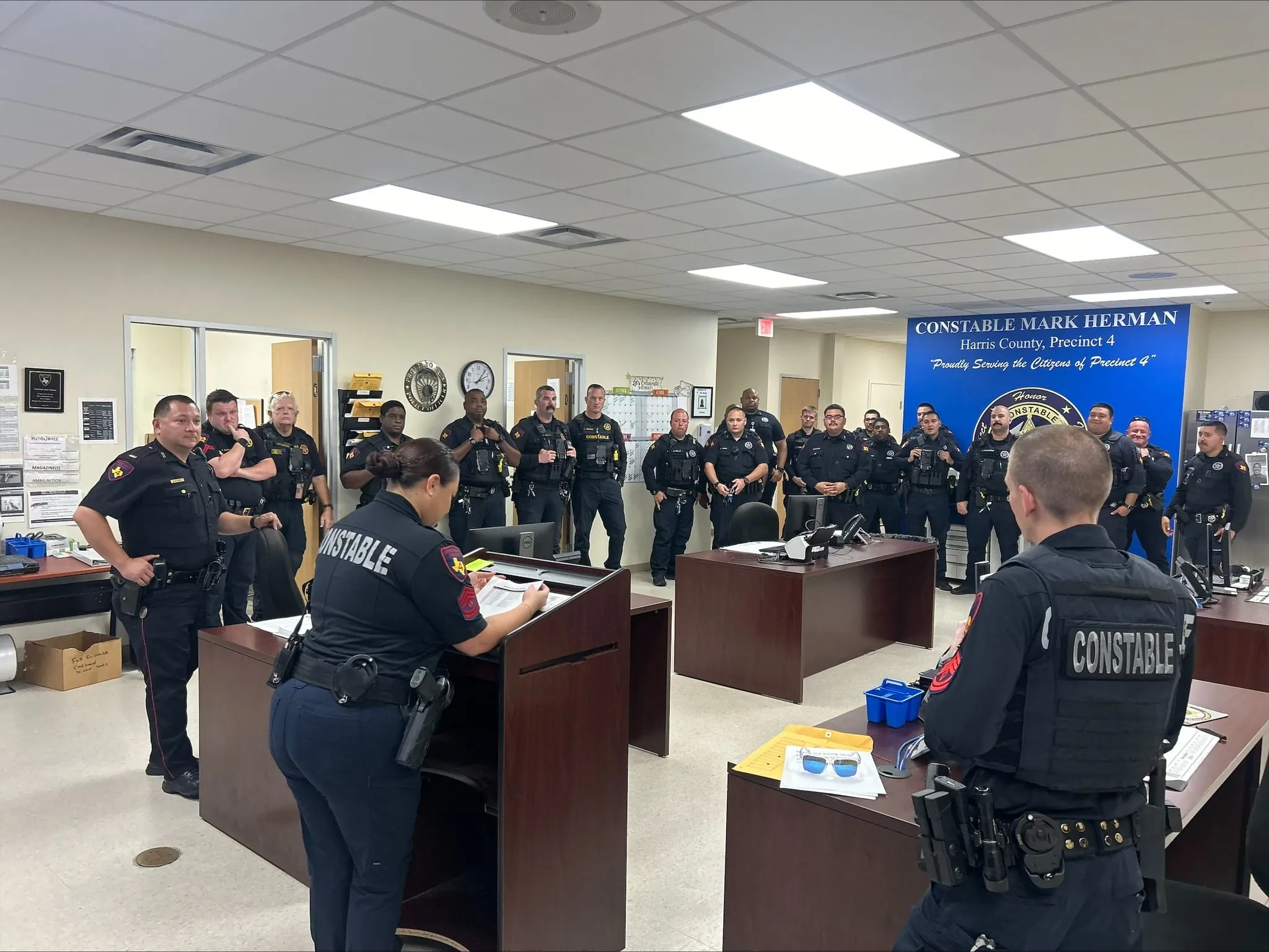
Underlying both civil and criminal responsibilities is the Constable’s overarching duty to maintain peace and order within their precinct. This general peace officer function is crucial for community stability and safety.
This involves:
- Responding to Disturbances: Addressing domestic disputes, noise complaints, and other calls that threaten public peace.
- Public Safety Initiatives: Participating in community watch programs, offering safety presentations, and working proactively to prevent crime.
- Court Security: Constables often provide security for the Justice Courts they serve, ensuring the safety of judges, court staff, and the public during proceedings.
- Emergency Response: Like other law enforcement, Constables are often among the first responders to emergencies, accidents, and natural disasters, playing a critical role in initial assessment and coordination.
This direct, local presence makes Constables highly accessible to residents, fostering a sense of trust and immediate response that can be particularly valuable in geographically dispersed areas of Texas.
Constables and the Texas Community: A Blend of History and Modern Service
The Constable’s office, with its deep historical roots, continues to adapt to the evolving needs of Texas communities. Their localized nature allows for a distinctive approach to community engagement, making them more than just law enforcement officers but integral members of the social fabric.
Local Presence and Community Engagement
Because Constables are elected by and serve specific precincts, they often develop a strong, personal connection with the communities they protect. This hyper-local focus fosters an environment where residents feel comfortable approaching their Constable with concerns, contributing to a more responsive and tailored law enforcement experience.
- Visible Community Figures: In many smaller towns or unincorporated areas within counties like Travis County or Bexar County, the Constable or their deputies are highly visible at local events, school functions, and community gatherings. This presence helps to build rapport and trust, essential elements of effective policing.
- Proactive Problem Solving: Constables are often involved in addressing community-specific issues, such as rural property crime, neighborhood disputes, or concerns related to local businesses and tourism. Their intimate knowledge of their precinct allows for targeted solutions.
- Accessibility: The localized nature of the Constable’s office means they are typically more accessible than a county-wide sheriff’s department or a city police force, often operating out of smaller, neighborhood-based offices. This accessibility encourages communication and cooperation between law enforcement and the public.
For visitors enjoying a small-town festival or exploring a historic district, the presence of a Constable can subtly enhance their sense of security and connection to the local culture, demonstrating the unique ways communities in Texas maintain order and provide assistance.
The Constable’s Office: Structure, Elections, and Accountability
Each of the 254 counties in Texas has between one and eight Justice Court precincts, and each precinct elects a Constable for a four-year term. This electoral process ensures that Constables are directly accountable to the voters of their specific precinct, making their office inherently responsive to local priorities and concerns.
- Elected Officials: The fact that Constables are elected distinguishes them from appointed police chiefs or state troopers. This direct democratic accountability strengthens their ties to the community and ensures their policies reflect local values.
- Deputies and Staff: To assist with their broad range of duties, Constables typically employ a team of deputy constables, who are also fully certified peace officers. These deputies extend the reach and capabilities of the Constable’s office, ensuring comprehensive coverage across the precinct. Administrative staff also play a crucial role in managing civil processes and record-keeping.
- Oversight and Training: While elected, Constables and their deputies are subject to the same state-mandated training and licensing requirements as all other peace officers in Texas, overseen by the Texas Commission on Law Enforcement (TCOLE). This ensures professionalism, adherence to legal standards, and ongoing competence in their duties. Additionally, like other county officials, they are subject to various forms of oversight by county commissioners’ courts and the judicial system.
This blend of local election, professional training, and clear accountability mechanisms ensures that the Constable’s office remains a vital, legitimate, and trusted institution within the Texas legal landscape.
Experiencing Texas: The Unseen Role in Travel and Local Lifestyle
While not typically at the forefront of a tourist’s mind, the nuanced functions of the Texas Constable indirectly contribute to the overall quality of travel and lifestyle experiences in the state. Their historical significance and contemporary duties play a subtle yet important part in shaping the environment that visitors and residents alike enjoy.
Ensuring a Safe Environment for Visitors
Safety and security are paramount for any traveler, and the comprehensive network of law enforcement in Texas, including the Constables, works to ensure a secure environment.
- Beyond City Limits: Many popular tourist destinations, historic sites, and outdoor recreation areas in Texas are located outside of large city limits, in unincorporated county areas or smaller towns. In these locales, the Constable’s office often plays a crucial role in patrolling, responding to incidents, and maintaining order. For instance, tourists visiting state parks, scenic drives, or charming small-town attractions might primarily interact with, or be protected by, the local Constable’s office.
- Seamless Public Safety: The collaboration between Constables, Sheriffs, and municipal police means that public safety is a continuous blanket across the state. This interconnectedness ensures that whether you’re exploring the vibrant nightlife of Austin, the historical missions in San Antonio, or the tranquil vineyards of the Texas Hill Country, there’s a robust system of law enforcement dedicated to your well-being. Knowing that local peacekeepers are actively working within their communities can provide an added layer of peace of mind for travelers and those considering longer stays or real estate investments in Texas.

Historical Significance for Texas Heritage Tourists
For those drawn to Texas’ rich history and unique cultural identity, the Constable’s office offers a tangible link to the past.
- Living History: The Constable represents one of the longest-standing public offices in Texas, a direct connection to the frontier era, the Republic of Texas, and the early days of statehood. Visitors interested in historical reenactments, museums, or old courthouses might encounter references to the Constable’s role in maintaining order during critical periods. The presence of a Constable’s office in an old county seat, for example, is a living landmark, reflecting centuries of local governance.
- Cultural Understanding: Understanding the Constable’s role enhances one’s appreciation for the distinct legal and social evolution of Texas. It highlights the state’s enduring preference for local governance and direct citizen participation in electing their law enforcement. This insight enriches the experience of exploring Texas’ landmarks, from battlefields to historic downtowns, by providing context on how these places were governed and protected. It’s a key piece of the mosaic that makes Texas travel so unique and compelling.
In conclusion, the Texas Constable is far more than just another law enforcement officer. It is an office steeped in history, deeply integrated into the state’s unique judicial system, and fundamentally connected to the fabric of local communities. From its origins in the untamed frontier of the Republic of Texas to its modern-day responsibilities in civil and criminal law enforcement, the Constable remains a vital, locally elected peace officer dedicated to serving the specific needs of their precinct. For anyone seeking to understand the true essence of the Lone Star State—its commitment to local governance, its rich heritage, and its layers of public safety—a closer look at “What Is A Constable In Texas?” offers invaluable insight into a system that has served its people for nearly two centuries.
LifeOutOfTheBox is a participant in the Amazon Services LLC Associates Program, an affiliate advertising program designed to provide a means for sites to earn advertising fees by advertising and linking to Amazon.com. Amazon, the Amazon logo, AmazonSupply, and the AmazonSupply logo are trademarks of Amazon.com, Inc. or its affiliates. As an Amazon Associate we earn affiliate commissions from qualifying purchases.