
Understanding the intricacies of vehicle ownership and registration can often feel like navigating a labyrinth, especially when dealing with governmental agencies. For residents of Oregon, one such term that might arise during various DMV interactions is the “Control Number.” While not as commonly discussed as a license plate number or VIN, the Control Number plays a distinct and often crucial role in the Oregon Department of Motor Vehicles’ (DMV) processes. This article aims to demystify the concept of a Control Number within the Oregon DMV context, clarifying its purpose, identification, and significance for vehicle owners.
The Purpose and Function of a Control Number
At its core, a Control Number issued by the Oregon DMV serves as a unique identifier for specific DMV transactions or documents. It’s a proprietary system designed to streamline internal processes, enhance security, and ensure the accurate tracking of information related to your vehicle and your interactions with the department. Think of it as a specialized reference code that links a particular action or application to your driving or vehicle record.
Unlike a Vehicle Identification Number (VIN), which uniquely identifies a specific vehicle throughout its lifecycle, or a driver’s license number, which identifies an individual driver, a Control Number is often associated with a specific event or application. This could include:
- Vehicle Registration Renewals: When you renew your vehicle registration, a Control Number might be generated to track the processing of that renewal application, ensuring it’s correctly applied to your vehicle’s status.
- Title Transfers: When ownership of a vehicle changes hands, the paperwork involved in transferring the title will likely involve a Control Number to track the application and issuance of the new title.
- New Vehicle Registrations: For newly purchased vehicles, the initial registration process will generate documents that may bear a Control Number.
- Permit Applications: If you are applying for special permits, such as commercial vehicle permits or temporary operating permits, these applications will often feature a Control Number.
- DMV Correspondence and Inquiries: In some instances, if you are corresponding with the DMV about a specific issue or have made an inquiry, they might provide or request a Control Number to pinpoint the exact matter being discussed.
The primary functions of the Control Number are to:
- Facilitate Internal Tracking: It allows DMV employees to quickly locate and access the relevant information pertaining to your transaction without having to sift through extensive databases.
- Enhance Security: By providing an additional layer of unique identification for specific processes, it helps prevent errors and potentially fraudulent activities.
- Ensure Data Integrity: It ensures that the correct information is associated with the correct transaction, maintaining the accuracy of your vehicle and driver records.
- Streamline Customer Service: When you contact the DMV with a question about a specific application or renewal, providing the Control Number can significantly speed up the resolution process.
Distinguishing Control Numbers from Other Identifiers
It is vital to differentiate the Control Number from other identification codes you commonly encounter with the Oregon DMV.
- Vehicle Identification Number (VIN): The VIN is a 17-character alphanumeric code that is unique to every motor vehicle manufactured since 1981. It’s physically located on the vehicle itself (usually on the dashboard or driver’s side doorjamb) and is critical for identifying the vehicle’s make, model, year, and specific manufacturing details. The Control Number is a transactional identifier, not a vehicle identifier.
- License Plate Number: This is the unique alphanumeric code assigned to your vehicle for identification on public roads. It’s primarily for law enforcement and public identification. The Control Number is an internal DMV administrative code.
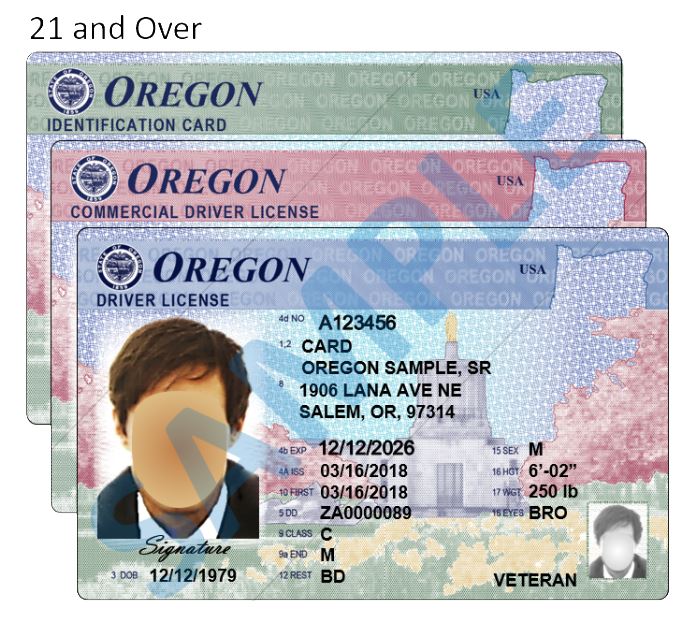
- Driver’s License Number: This unique identifier is assigned to each individual driver and is used for verifying your driving privileges. The Control Number is related to vehicle transactions, not your personal driving credentials.
- Registration Number: While similar in function to a license plate number in identifying a registered vehicle, the registration number often refers to the identifier on the registration certificate itself. The Control Number is a distinct administrative code for a specific transaction.
Understanding these distinctions is crucial to avoid confusion and ensure you are providing the correct information when interacting with the Oregon DMV.
Where to Find Your Oregon DMV Control Number
The location of a Control Number on your Oregon DMV documents can vary depending on the specific transaction and the form used. It is typically found on official correspondence, application forms, renewal notices, or receipts issued by the DMV.
Here are some common places to look:
On Renewal Notices and Registration Stickers
When you receive your vehicle registration renewal notice in the mail, the Control Number is often prominently displayed. It might be labeled explicitly as “Control Number,” “Transaction Control Number (TCN),” or simply “Control #” followed by a series of digits. Similarly, if a new registration sticker is mailed to you with instructions or confirmation, a Control Number might be present. This number is essential if you are renewing your registration online or by mail and need to reference a specific renewal cycle.
On Title and Registration Application Forms
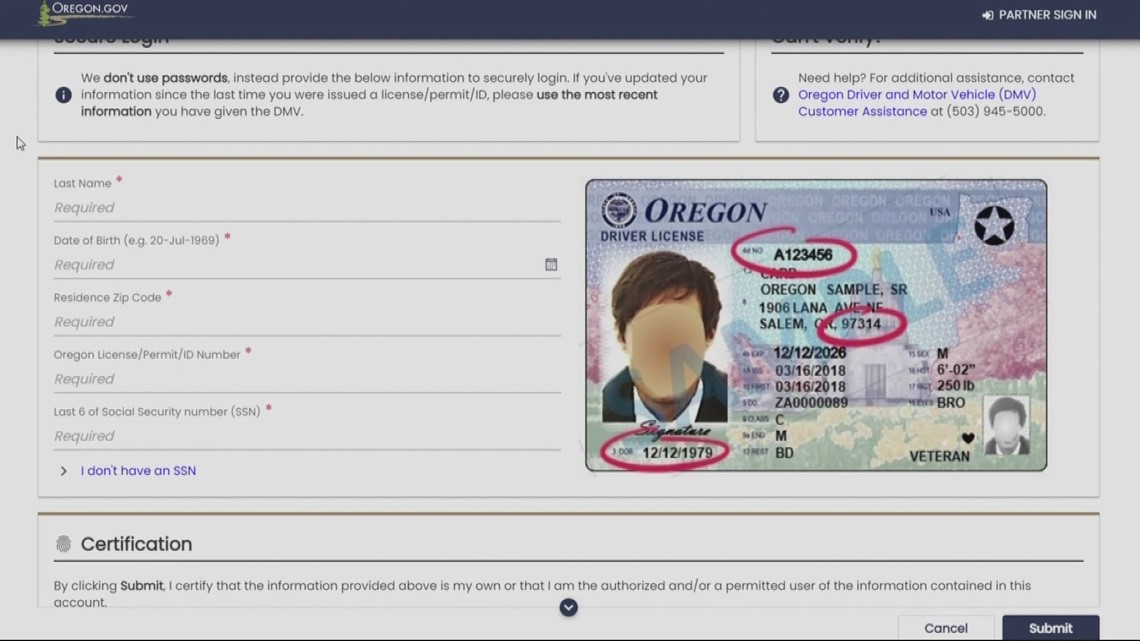
If you are applying for a new title, transferring ownership, or registering a vehicle for the first time in Oregon, the application forms will likely have a designated space for a Control Number, or one will be assigned and printed on the form itself. This number serves to track the progress of your application through the system.
On DMV Correspondence and Receipts
Any official letter, notice, or receipt you receive from the Oregon DMV regarding a specific vehicle transaction or inquiry may contain a Control Number. This is especially true if you have initiated a specific process or are responding to a notice from the department. It helps both you and the DMV reference the exact correspondence or transaction.
When Contacting the DMV
If you need to contact the Oregon DMV directly for assistance with a vehicle-related matter, such as a registration issue or title problem, they may ask you for a Control Number. This number is their key to quickly accessing the relevant case file or transaction details, allowing them to assist you more efficiently. If you don’t have the document readily available, they might be able to locate it using other information, but having the Control Number is always the quickest route.
Tip: Always keep important DMV documents, such as renewal notices, receipts, and application confirmations, in a safe place. These documents often contain the Control Number, which can be invaluable for future reference or if you need to follow up on a transaction.
When Would You Need to Use Your Control Number?
The necessity of using your Control Number hinges on the specific interaction you are having with the Oregon DMV. While you might not need it for everyday driving, it becomes critical in certain administrative processes.
Completing Online Transactions
The Oregon DMV increasingly offers online services for vehicle registration renewals, title transfers, and other transactions. When completing these online forms, you will often be prompted to enter a Control Number from a previous notice or document. This confirms your identity and links the online transaction to your existing vehicle record, preventing errors and ensuring a smooth process. For instance, when renewing your registration online, the Control Number from your renewal notice is essential to access your renewal details and complete the payment.
Following Up on an Application
If you have submitted an application for a vehicle title, registration, or permit and are awaiting processing or have not received confirmation, the Control Number can be used to inquire about the status. Providing this number to a DMV representative will allow them to quickly locate your application and give you an update. This is particularly useful if there’s a delay or an unexpected issue with your paperwork.
Resolving Discrepancies or Errors
Occasionally, errors can occur in vehicle records or transaction processing. If you notice a discrepancy on your registration, title, or in your vehicle’s record, the Control Number associated with the relevant transaction is vital for the Oregon DMV to investigate and rectify the issue. It acts as a direct link to the specific data entry or document that needs correction.
Responding to DMV Notices
If the Oregon DMV sends you a notice regarding your vehicle or registration, it will often include a Control Number. This number is intended for your use when responding to the notice, whether by mail, phone, or online. It ensures that your response is correctly matched to the specific issue or inquiry the DMV has raised.
When Purchasing a Vehicle and Transferring Title
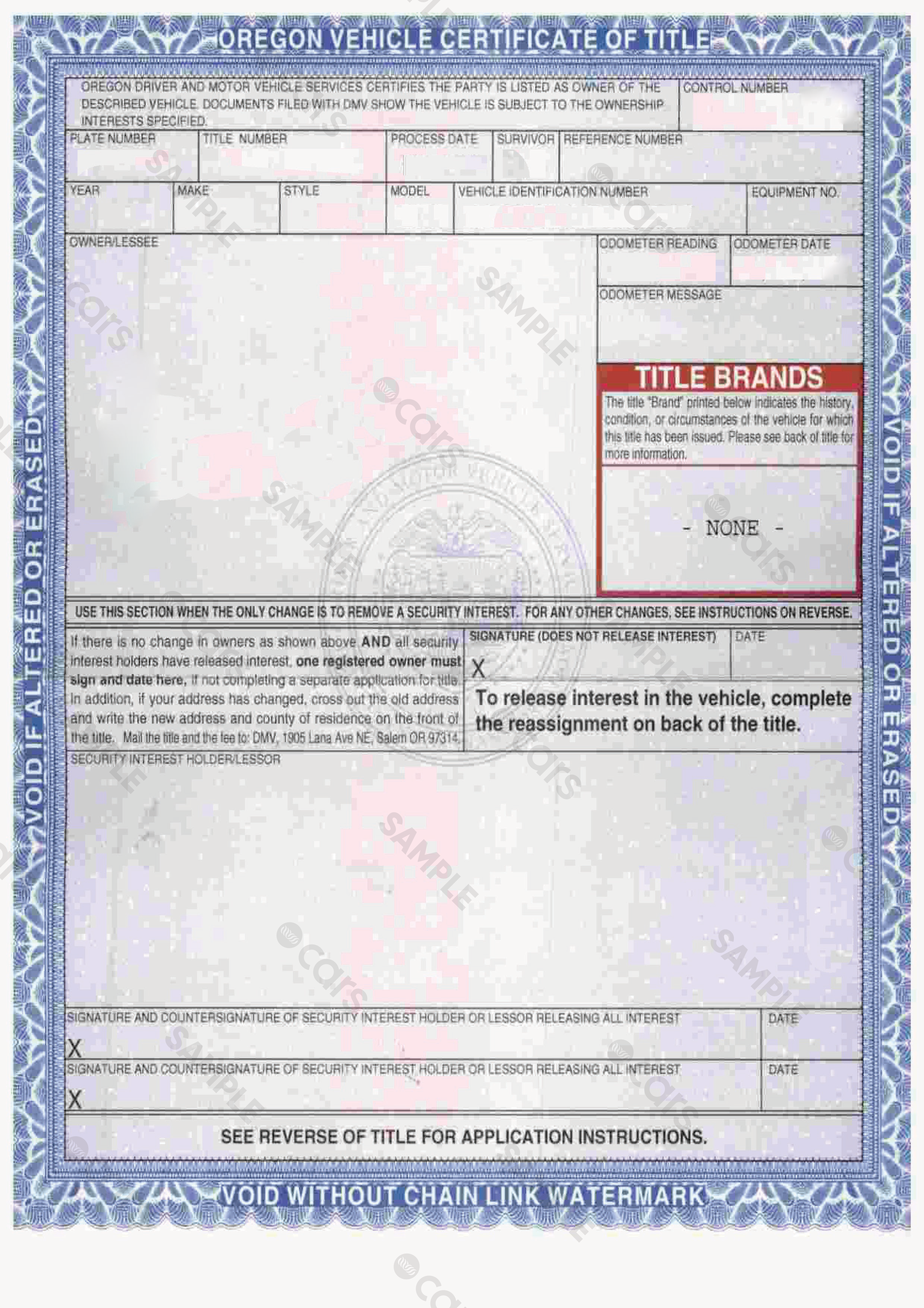
When buying a vehicle from a private seller or a dealership, the process of transferring the title and registering the vehicle in your name will involve specific Oregon DMV forms. A Control Number may be generated during this process to track the application and ensure the title is correctly issued to you. Similarly, if you are selling a vehicle, any paperwork you complete might involve or generate a Control Number.
In essence, the Control Number is a tool designed to enhance efficiency and accuracy within the Oregon DMV system. While its appearance might be infrequent for the average driver, its presence on specific documents underscores its importance in administrative processes and ensures that your interactions with the department are handled with precision and security. Familiarizing yourself with its purpose and knowing where to find it will make your vehicle-related dealings with the Oregon DMV smoother and more efficient.
LifeOutOfTheBox is a participant in the Amazon Services LLC Associates Program, an affiliate advertising program designed to provide a means for sites to earn advertising fees by advertising and linking to Amazon.com. Amazon, the Amazon logo, AmazonSupply, and the AmazonSupply logo are trademarks of Amazon.com, Inc. or its affiliates. As an Amazon Associate we earn affiliate commissions from qualifying purchases.