
California, a beacon of progressive legislation and a vibrant hub for diverse lifestyles, offers unique pathways for couples seeking legal recognition beyond traditional marriage. For many, the concept of a domestic partnership provides a comprehensive framework of rights and responsibilities, mirroring many aspects of marriage while maintaining its distinct identity. Whether you’re planning a romantic getaway to Napa Valley, considering a long-term stay in San Francisco, or simply exploring lifestyle choices in the Golden State, understanding what it means to be a domestic partner in California is crucial for navigating your shared journey.

This legal status isn’t just about paperwork; it’s about building a foundation of security and shared commitment that can impact everything from healthcare access during a stay in Los Angeles to inheritance rights, offering peace of mind as you embark on life’s adventures together. As a destination that celebrates all forms of partnership, California has cultivated an environment where domestic partnerships are recognized and respected, making it an attractive option for countless couples.
Unpacking Domestic Partnership: Definition and Eligibility in the Golden State
The landscape of modern relationships is wonderfully varied, and California has been at the forefront of acknowledging this diversity. For many, the option of a domestic partnership offers a robust legal framework that supports their commitment without necessarily entering into marriage. It’s a choice that reflects personal values, financial considerations, and the desire for official recognition, providing a solid legal footing for couples navigating life’s journey together, whether that journey involves exploring the dramatic cliffs of Big Sur or settling into a cozy apartment in San Diego.
Defining Domestic Partnership: More Than Just a Relationship
In California, a domestic partnership is a legal relationship between two adults who live together and have registered their partnership with the California Secretary of State. This registration grants them many of the same rights and responsibilities that married couples receive under California state law. It’s not merely a declaration of love; it’s a formal commitment that carries significant legal weight. For those who view their relationship as a partnership in all senses, including financial planning for dream trips or shared property for a future vacation home, this status offers a recognized and protected structure.
Unlike a casual relationship, a domestic partnership in California provides statutory benefits and obligations. This means that, when it comes to state matters, registered domestic partners are treated much like spouses. This encompasses a broad spectrum of areas, from healthcare decisions in an emergency at a Yosemite National Park camping trip to the distribution of assets accumulated during a long-term stay in a Santa Monica rental. The California Domestic Partner Rights Act of 2003 was a landmark piece of legislation that extended nearly all the rights and responsibilities of married couples to registered domestic partners, solidifying its place as a robust alternative.
Who Qualifies? Eligibility Criteria in California
While the concept of domestic partnership might seem broad, California has specific criteria that must be met for a couple to register. These requirements ensure that the status is reserved for truly committed and intertwined relationships. Primarily, two adults can become registered domestic partners if:
- Neither person is married to someone else or already a member of another domestic partnership. This emphasizes exclusivity, mirroring the monogamous nature of marriage.
- The two persons are not related by blood in a way that would prevent them from getting married. This prevents incestuous relationships.
- Both persons are at least 18 years of age. Minors cannot enter into a domestic partnership.
- Both persons are capable of consenting to the domestic partnership. This addresses mental capacity.
- For opposite-sex couples, at least one person must be over the age of 62. This specific requirement was initially established to provide older couples, who might lose certain social security or pension benefits upon marriage, with a way to gain state-level marital benefits without federal implications. This provision has made California particularly attractive for senior couples looking to formalize their relationship while protecting their retirement incomes and allowing them to continue their travels comfortably, perhaps through the scenic Pacific Coast Highway.
- Both individuals must live together. While the law doesn’t define a precise duration, the intent is for the couple to share a common residence, fostering a shared life and household, which is often a precursor to joint travel planning and shared accommodation choices.
These criteria are designed to ensure that domestic partnerships are entered into thoughtfully and genuinely, forming a stable foundation for couples building a life together, whether they’re exploring the urban delights of Oakland or enjoying the serene landscapes of Lake Tahoe.
The Registration Process: Your Step-by-Step Guide
Registering a domestic partnership in California is a relatively straightforward process, primarily handled by the California Secretary of State’s office. This accessibility reflects the state’s commitment to supporting diverse family structures. Here’s a general outline of the steps involved:
- Obtain the Form: The primary document required is the “Declaration of Domestic Partnership” form (Form DP-1), available on the California Secretary of State’s website. It can often be downloaded and printed.
- Complete the Form: Both partners must fill out the form accurately, providing personal information and attesting to meeting the eligibility requirements. It’s crucial to read all statements carefully before signing.
- Sign the Form: The Declaration of Domestic Partnership must be signed by both partners in the presence of a notary public. The notary will verify their identities and witness their signatures, adding an extra layer of legal validation. This ensures that both parties are willingly entering into the partnership.
- Mail or Deliver the Form: Once notarized, the completed form, along with the required filing fee, must be submitted to the California Secretary of State. This can typically be done via mail or in person at their Sacramento office.
- Receive Confirmation: After processing, the California Secretary of State will return a copy of the filed Declaration of Domestic Partnership, often with a certificate of registration. This document serves as official proof of your domestic partnership and should be kept safely, as it will be required for various legal and administrative purposes, such as proving your status for travel insurance or shared accommodation agreements.
The process is designed to be efficient, ensuring that couples can quickly secure their legal recognition and begin enjoying the benefits of their partnership as they explore all the lifestyle opportunities California has to offer, from a weekend in Palm Springs to a cultural tour of Hollywood.
The Tangible Benefits: Rights, Responsibilities, and Lifestyle Perks
Choosing a domestic partnership in California is more than a declaration of love; it’s a strategic decision that unlocks a host of legal, financial, and practical benefits, profoundly impacting a couple’s shared life. These advantages are particularly relevant for those who plan their lives together, from budgeting for luxury travel to securing long-term accommodation. Understanding these entitlements is key to maximizing the security and convenience that a registered domestic partnership provides, making it easier to plan exciting journeys together, whether it’s a romantic escape to Carmel-by-the-Sea or an adventurous road trip along the Golden Gate Bridge.
Legal and Financial Advantages: A Secure Future Together
One of the most compelling reasons to register as domestic partners in California lies in the extensive legal and financial protections it offers, aligning closely with those granted to married spouses under state law. These protections are vital for any couple building a life together, safeguarding their interests and providing peace of mind.
- Community Property Rights: In California, domestic partners are subject to community property laws, meaning assets acquired during the partnership are generally considered equally owned by both parties. This is crucial for shared investments, whether it’s a joint bank account for daily expenses or co-ownership of a vacation property in Malibu. This framework simplifies financial planning for joint ventures, including major travel experiences or long-term accommodation bookings.
- Inheritance Rights: Domestic partners have intestacy rights, meaning if one partner passes away without a will, the surviving partner has a legal claim to their share of the deceased’s estate, similar to a spouse. This protection is invaluable for ensuring a secure future, preventing unnecessary complications during an already difficult time.
- Spousal Support (Alimony): In the event of dissolution, one partner may be entitled to receive support from the other, depending on various factors such as the length of the partnership and each partner’s earning capacity. This provides a safety net, akin to spousal support in a divorce.
- Debts and Liabilities: Just as assets are shared, so too can be debts incurred during the partnership, emphasizing the joint financial responsibility that comes with the status. This requires careful consideration and transparent financial discussions, especially when planning joint expenditures like a lavish trip to Beverly Hills or a substantial investment in a timeshare.
- Power of Attorney and Decision-Making: Domestic partners typically have the legal authority to make critical decisions for each other, including financial and legal matters, especially in cases of incapacitation. This ensures that their shared life and assets are managed according to their mutual wishes.
- State Tax Benefits: While federal tax laws differ, California state tax laws recognize domestic partnerships, allowing partners to file state taxes jointly. This can lead to various tax advantages at the state level. It’s important to remember that the Internal Revenue Service (IRS) generally does not recognize domestic partnerships for federal tax purposes, meaning federal taxes are typically filed as “single” or “head of household” (if applicable), which requires careful planning with a tax professional.

These legal and financial underpinnings provide a robust foundation for couples, enabling them to confidently build their lives and futures together, knowing their commitment is legally recognized and protected within California.
Healthcare and Family: Ensuring Well-being and Parental Rights
Beyond financial considerations, a domestic partnership in California extends crucial protections in areas of healthcare and family life, which are fundamental to a couple’s well-being and their ability to plan for family adventures.
- Healthcare Access and Decisions: Many employers in California offer health insurance benefits to domestic partners, providing crucial access to medical care. Furthermore, registered domestic partners generally have the legal right to make medical decisions for an incapacitated partner, to visit them in hospitals, and to receive information about their medical condition. This is particularly vital in emergencies, ensuring that your partner’s wishes are respected and that you have legal standing during difficult times, whether you’re traveling to a bustling city or a remote corner of the state.
- Parental Rights and Responsibilities: For couples raising children, domestic partnership provides a framework for legal parentage. If a child is born to or adopted by domestic partners, both partners are typically recognized as legal parents, conferring all the rights and responsibilities that married parents have. This is essential for matters like custody, visitation, and child support, and it simplifies travel with children, ensuring both parents have clear legal standing. For instance, when planning a family trip to Disneyland or a educational tour of the California Academy of Sciences, clear parental rights are paramount.
- Bereavement Leave: Registered domestic partners typically have the right to take bereavement leave from work if their partner or a close family member of their partner passes away, providing much-needed time to grieve and manage affairs.
- Family Leave Benefits: Under California law, domestic partners are often eligible for family leave benefits, such as those provided by the California Family Rights Act, which allows time off for caregiving, bonding with a new child, or managing certain family emergencies.
These benefits underscore how domestic partnership profoundly supports the emotional and practical aspects of a couple’s life, making it a comprehensive choice for family-oriented individuals and those prioritizing their partner’s health and safety.
How Domestic Partnership Enhances Your Travel and Lifestyle
For adventurers, digital nomads, and couples who prioritize experiences and exploration, a domestic partnership in California offers practical advantages that can significantly enhance their travel and lifestyle pursuits. From seamless travel planning to enjoying shared community resources, the benefits extend beyond legal documents into everyday living.
- Streamlined Joint Planning and Booking: With shared financial responsibilities and legal recognition, planning joint trips becomes much simpler. Whether booking a luxury suite at a Grand Hyatt Hotel in San Diego, securing a long-term villa rental in Hawaii, or applying for joint travel insurance, the legal framework of a domestic partnership often streamlines administrative processes. It solidifies your standing as a recognized couple for travel providers and accommodation services, offering peace of mind.
- Shared Accommodation and Property: For couples seeking to co-own a vacation home, invest in rental properties, or even secure a long-term apartment lease, domestic partnership provides a clear legal basis for shared ownership and tenancy rights. This is invaluable when planning for a seasonal stay in Lake Tahoe or purchasing a retirement property in Sonoma, offering protection and clarity in co-ownership agreements.
- Community Recognition and Social Standing: Beyond the legalities, registering as domestic partners publicly declares your commitment and provides social recognition within the community, especially in progressive regions like California. This can foster a sense of belonging and validation, enriching your shared lifestyle as you explore local cultures and participate in community events.
- Employer Benefits Beyond Healthcare: Many California employers, especially those in the tech and hospitality sectors prevalent in areas like Silicon Valley, extend various benefits to domestic partners, including employee discounts, relocation assistance, and dependent care flexible spending accounts. These perks can directly impact a couple’s budget for travel and lifestyle expenditures, freeing up funds for more experiences.
- Estate Planning for Travelers: For couples who travel extensively or have assets in multiple locations, establishing a domestic partnership simplifies estate planning. Knowing that your partner has clear legal standing for inheritance, property, and end-of-life decisions, even when you’re far from home, provides immense comfort and allows you to focus on the joy of discovery without undue worry about future uncertainties. This is especially true for those with a penchant for international travel, ensuring that their wishes are recognized back home.
In essence, a domestic partnership in California not only provides a strong legal foundation but also empowers couples to live their shared lifestyle to the fullest, offering security and convenience that enhances every journey and every day spent together.
Navigating the Nuances: Differences from Marriage and Dissolution
While a domestic partnership in California offers extensive rights and responsibilities, it’s not identical to marriage. Understanding these distinctions, particularly concerning federal recognition and the dissolution process, is crucial for couples making informed decisions about their relationship status. For couples exploring their options, whether they’re planning a romantic escapade to Ojai or considering a future of international travel, these nuances can influence their long-term lifestyle planning and financial decisions.
Domestic Partnership vs. Marriage: Key Distinctions
The most significant difference between a California domestic partnership and marriage lies in federal recognition and interstate portability.
- Federal Recognition: This is the primary divergence. While California grants registered domestic partners nearly all the same rights as spouses under state law, the federal government (through entities like the Internal Revenue Service (IRS) and the Social Security Administration) generally does not recognize domestic partnerships.
- Federal Taxes: Domestic partners cannot file federal taxes jointly. They must file as “single” or “head of household” (if eligible), which can lead to different tax implications compared to married couples. This requires careful planning and potentially separate tax preparation.
- Federal Benefits: Domestic partners are typically not eligible for federal benefits that married spouses receive, such as Social Security survivor benefits, federal employee benefits, or immigration sponsorship based solely on the domestic partnership.
- Interstate Recognition: While a California domestic partnership is robust within the state, its recognition can vary significantly if partners move or travel to other states. Some states, like Nevada, Oregon, or Washington, may offer some form of recognition or reciprocal rights, but many others do not. This can impact property rights, healthcare decisions, and other legal matters if partners are outside [California](https://lifeoutofthebox.com/california], making research crucial for those considering moving or extended travel.
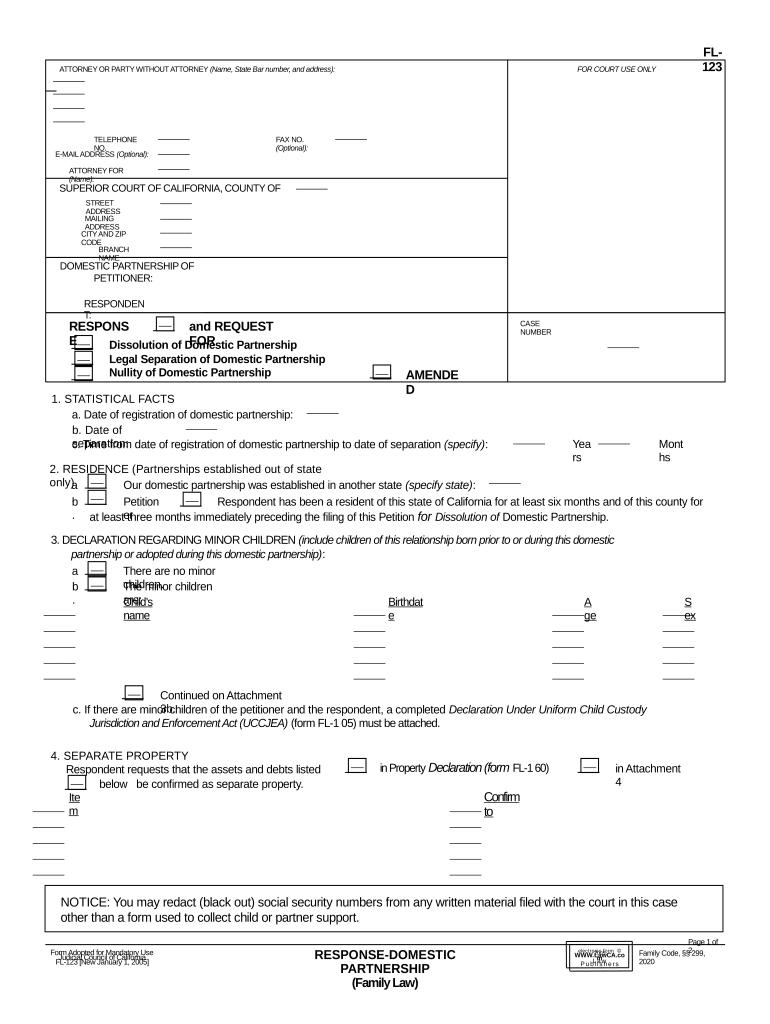
- Divorce vs. Dissolution: The process for ending a domestic partnership, while similar to divorce, is formally termed “dissolution of domestic partnership” under California law. The legal framework and court procedures for dividing assets, determining support, and establishing parental rights are largely the same as for married couples, following the California Family Code.
Despite these differences, for many couples whose lives primarily reside within California’s borders, the domestic partnership offers a comprehensive and deeply meaningful legal commitment that aligns with their personal choices and lifestyle goals.
Ending a Domestic Partnership: The Dissolution Process
Just as marriage can end in divorce, a domestic partnership in California can be formally ended through a process called “dissolution.” The procedures and legal considerations for dissolution largely mirror those of a divorce, providing a structured approach to untangling shared lives, finances, and parental responsibilities.
- Types of Dissolution:
- Summary Dissolution: Available for domestic partnerships that meet specific criteria, similar to summary dissolution for marriages. This is a simpler, faster process for partnerships of short duration (typically less than five years) with minimal shared assets, no children, and limited debts. Both partners must agree to the dissolution.
- Standard Dissolution: For partnerships that don’t qualify for summary dissolution, a standard dissolution process is required, which involves court proceedings, similar to a contested or uncontested divorce. This process addresses complex issues such as division of community property and debts, spousal support, child custody, and child support.
- Key Considerations During Dissolution:
- Community Property Division: All assets and debts acquired during the domestic partnership in California are typically divided equally between the partners, in accordance with California’s community property laws. This applies to real estate (such as a shared apartment in San Francisco or a vacation cabin near Big Bear Lake), bank accounts, investments, and even retirement funds.
- Spousal Support (Alimony): One partner may be ordered to pay spousal support to the other, based on factors like the length of the partnership, the earning capacity of each partner, and their respective needs.
- Child Custody and Support: If there are children involved, the court will make orders regarding legal and physical custody, visitation schedules, and child support, always prioritizing the best interests of the children.
- Legal Representation: Given the complexities, especially in standard dissolutions, it is highly advisable for both partners to seek independent legal counsel from a family law attorney experienced in California domestic partnership dissolution.
Understanding the dissolution process from the outset is a pragmatic step for any couple entering a domestic partnership, ensuring they are fully aware of the legal journey should their circumstances change.
Beyond the Legalities: Embracing Your Partnership in California
Ultimately, a domestic partnership in California is a deeply personal choice that intertwines legal recognition with individual lifestyles. For couples who value commitment, shared responsibilities, and the array of state-level benefits, it represents a meaningful alternative or complement to marriage. It’s about building a life together, whether that means planning an epic road trip along the PCH, investing in a charming Carmel Valley bed and breakfast, or simply enjoying the everyday joys of shared experiences.
California’s progressive stance on domestic partnerships empowers couples to define their relationships in a way that best suits them, fostering an inclusive environment where all forms of committed partnerships are respected and legally supported. As you explore the diverse attractions, luxurious accommodations, and vibrant cultures across the Golden State, understanding your domestic partnership status can enrich your travels and solidify your shared journey, making every experience, from a hike in Joshua Tree National Park to a gourmet dinner in Napa Valley, a testament to your recognized and celebrated bond.
LifeOutOfTheBox is a participant in the Amazon Services LLC Associates Program, an affiliate advertising program designed to provide a means for sites to earn advertising fees by advertising and linking to Amazon.com. Amazon, the Amazon logo, AmazonSupply, and the AmazonSupply logo are trademarks of Amazon.com, Inc. or its affiliates. As an Amazon Associate we earn affiliate commissions from qualifying purchases.