
When planning a trip, whether it’s a romantic getaway to Paris, a family adventure in Orlando, or a solo exploration of Tokyo, understanding the specifics of hotel accommodations is crucial. Among the most common inquiries revolves around bed sizes. For many, the term “double bed” might conjure a familiar image, but within the hotel industry, its definition, dimensions, and suitability can vary. This article delves into what a double bed truly signifies in a hotel context, exploring its typical characteristics, who it’s best suited for, and how it compares to other bedding options to ensure your next stay is as comfortable and informed as possible.

The world of travel and accommodation is vast, encompassing everything from luxurious resorts to cozy boutique hotels, each offering a unique experience. Understanding the nuances of your room, particularly the sleeping arrangements, can significantly enhance your overall satisfaction. A double bed, often the standard choice in many hotel rooms, presents a specific set of features that cater to a particular demographic of travelers.
Understanding the Standard Double Bed
At its core, a double bed, also frequently referred to as a full-size bed, is designed to accommodate two people comfortably, or one person with ample space to stretch out. While this seems straightforward, the actual dimensions can sometimes be a point of confusion, especially when traveling internationally.
Dimensions and Sizing
In the United States, a standard double bed measures approximately 54 inches wide by 75 inches long (about 137 cm by 191 cm). This size has been a staple in the hotel industry for decades. It’s important to note that this is smaller than a queen or king-size bed, which are designed for greater width and often length, providing more personal space for sleepers.
Internationally, the terminology and sizing can differ. For instance, in the United Kingdom and parts of Europe, a “double” bed typically refers to a size that is often around 54 inches wide (approximately 135 cm) and can be slightly longer, around 79 inches (approximately 200 cm). However, even within Europe, variations exist, and some hotels might offer what they call a “double” that more closely aligns with a US queen or even a larger single bed depending on the region. This is where cross-referencing bed sizes with specific hotel descriptions or even contacting the hotel directly before booking becomes invaluable, especially if precise sleeping space is a priority.
When you book a room advertised with a “double bed,” you are generally expecting a bed that can sleep two adults. However, for two larger adults, the space might feel somewhat snug. This is a key consideration when comparing it to other bed types.
Who is a Double Bed Best For?
The double bed is a versatile option that caters to a range of travelers:
- Couples Seeking Cozy Comfort: For couples who enjoy sharing a bed and don’t require extensive personal space, a double bed can be perfectly adequate and even enhance a sense of closeness. It’s ideal for shorter stays or for those who primarily use the bed for sleeping and not for lounging extensively.
- Solo Travelers Desiring Extra Space: For a single traveler, a double bed offers a luxurious amount of space. It allows for complete freedom to spread out, relax, and sleep in any position without feeling confined. This is a popular choice for solo travelers seeking a bit more comfort than a twin or single bed might provide.
- Families with Young Children: In some cases, a double bed can accommodate a parent or two with a young child or infant sleeping between them. This arrangement is common in family rooms, though it’s always wise to confirm the room’s specific bedding configuration.
- Budget-Conscious Travelers: Rooms featuring double beds are often more budget-friendly than those with larger beds, making them an excellent option for travelers looking to manage their expenses without compromising too much on comfort.
It’s essential to consider your personal preferences and travel companions when deciding if a double bed is the right choice. If you or your partner tend to move a lot in your sleep or prefer significant personal space, you might want to consider upgrading to a queen or king-size bed.
Comparing Double Beds to Other Hotel Bed Sizes
To truly appreciate what a double bed offers, it’s helpful to see how it stacks up against other common bed sizes found in hotels. This comparison will illuminate the distinctions and help you make the most informed booking decision.
Twin/Single Beds
A twin or single bed is designed for one person and is significantly smaller than a double bed. In the US, a twin bed typically measures 38 inches wide by 75 inches long. In the UK, a single bed is often around 35 inches wide by 75 inches long. Twin beds are commonly found in rooms for solo travelers who don’t need extra space, or in rooms with two beds (twin rooms) intended for two separate travelers who prefer individual sleeping arrangements, such as friends traveling together or siblings sharing a room.
Queen Beds
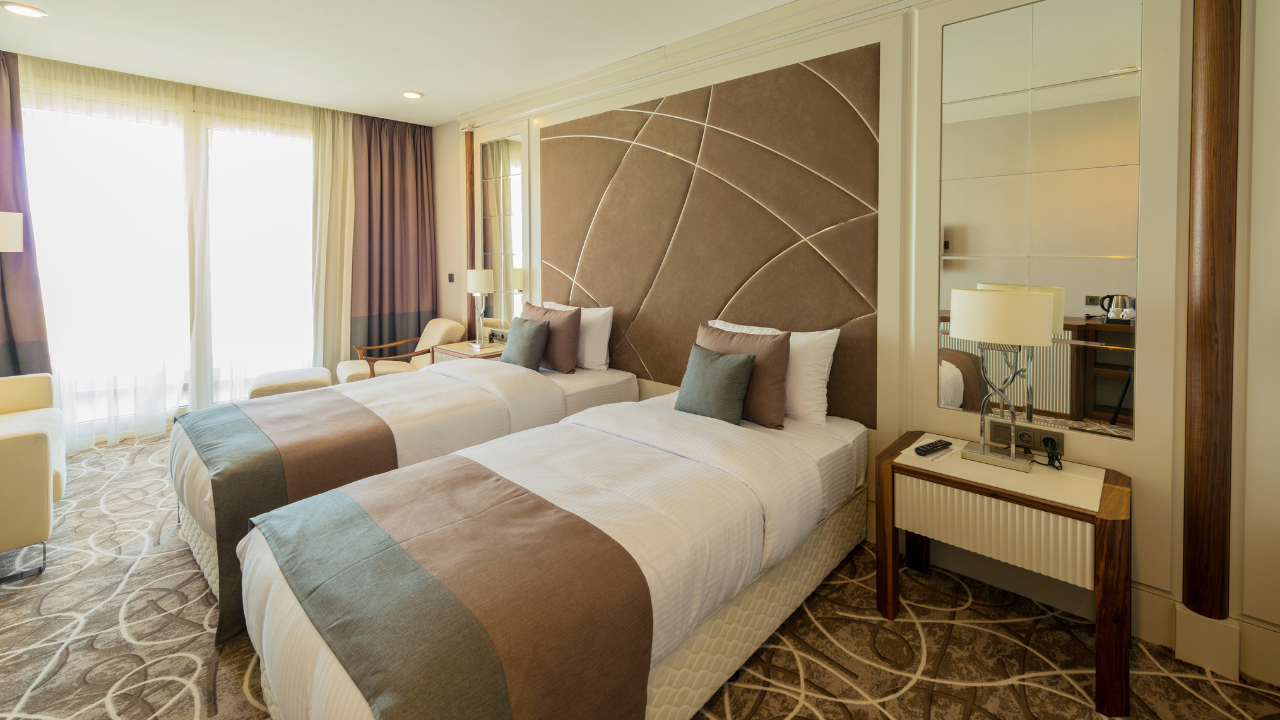
A queen-size bed offers a noticeable upgrade in space compared to a double bed. In the US, a queen bed measures approximately 60 inches wide by 80 inches long (about 152 cm by 203 cm). This extra width and length provide considerably more personal space for couples, making it a very popular choice for those seeking enhanced comfort. In the UK, a queen-size bed might be referred to as a “king” and can be around 59 inches wide by 79 inches long (approximately 150 cm by 200 cm).
King Beds
The king-size bed is the largest standard option available in most hotels, offering the most sleeping space. In the US, a standard king bed (also known as an Eastern King) measures approximately 76 inches wide by 80 inches long (about 193 cm by 203 cm). This provides ample room for couples, families with young children, or anyone who simply desires the utmost in sleeping comfort and space. There is also a California King, which is narrower but longer, measuring around 72 inches wide by 84 inches long (about 183 cm by 213 cm), offering more legroom. In the UK, a king-size bed is typically around 59 inches wide by 79 inches long (150 cm by 200 cm), while a “super king” can be even larger, often around 72 inches wide by 79 inches long (183 cm by 200 cm).
Understanding “Double Room” vs. “Double Bed”
It’s also important to clarify a common point of confusion: the term “double room” versus a room with a “double bed.” A “double room” in hotel parlance most often refers to a room intended for two people, and it can be furnished with one double bed, or it can have two twin beds (often called a twin room, but sometimes still booked as a double room depending on the hotel’s classification). Conversely, a room explicitly advertised with “one double bed” will, as we’ve discussed, contain a single double-sized bed. Always check the room description carefully to ascertain the exact bedding configuration. For example, a booking for a “double room” in Rome might be different from a “double room” in New York City.
Factors to Consider When Booking a Room with a Double Bed
When you’re sifting through accommodation options for your next adventure, be it exploring the historical sites of Machu Picchu or enjoying the vibrant nightlife of Las Vegas, the bed size is a significant detail. Here are some key considerations when a double bed is your primary option:
Room Size and Layout
While the bed itself is a certain dimension, the overall size of the hotel room matters. A double bed in a spacious room with plenty of floor space and perhaps a separate seating area will feel very different from the same size bed in a smaller, more compact room. Some hotels, especially in densely populated cities like London or Hong Kong, are known for offering smaller rooms where a double bed might take up a significant portion of the available space. If you plan to spend a lot of time in your room unpacking, relaxing, or working, consider the overall room dimensions as much as the bed size.
Purpose of Your Stay
The nature of your trip can influence whether a double bed is suitable. For a business traveler on a short trip to Berlin, a double bed might be perfectly fine for a good night’s sleep after a day of meetings. However, for a honeymoon in the Maldives or a week-long family vacation to Disneyland, where comfort and space are paramount, you might opt for a larger bed or a suite. The intent is to maximize your enjoyment and rest, and the bed is a central component of that.
Personal Comfort Preferences and Sleeping Habits
This is perhaps the most critical factor. Do you or your travel companion tend to sprawl out, or are you both comfortable sleeping close together? Do you get easily disturbed by movement? Are you taller individuals who might find a 75-inch length restrictive? Answering these questions honestly will guide you. Many travelers find that even if a double bed technically fits two, a queen bed offers a more comfortable and less compromised sleeping experience, especially for couples. If you’ve previously found double beds to be too small, it’s likely best to seek out rooms with queen or king-size beds.
International Travel Nuances
As touched upon earlier, bed sizing can be a minefield when traveling across borders. A “double bed” in Japan might be closer to what’s considered a twin or single in the United States. Always research the specific dimensions provided by the hotel or the travel booking platform for the country you are visiting. Sometimes, a “double room” might even feature two single beds. If you are arriving in a new country for the first time, like Thailand or Argentina, and have specific bed size requirements, it is always prudent to call the hotel directly to confirm the exact dimensions and setup. Websites like Booking.com or Expedia often provide detailed room specifications, which can be a lifesaver.
Booking Strategy
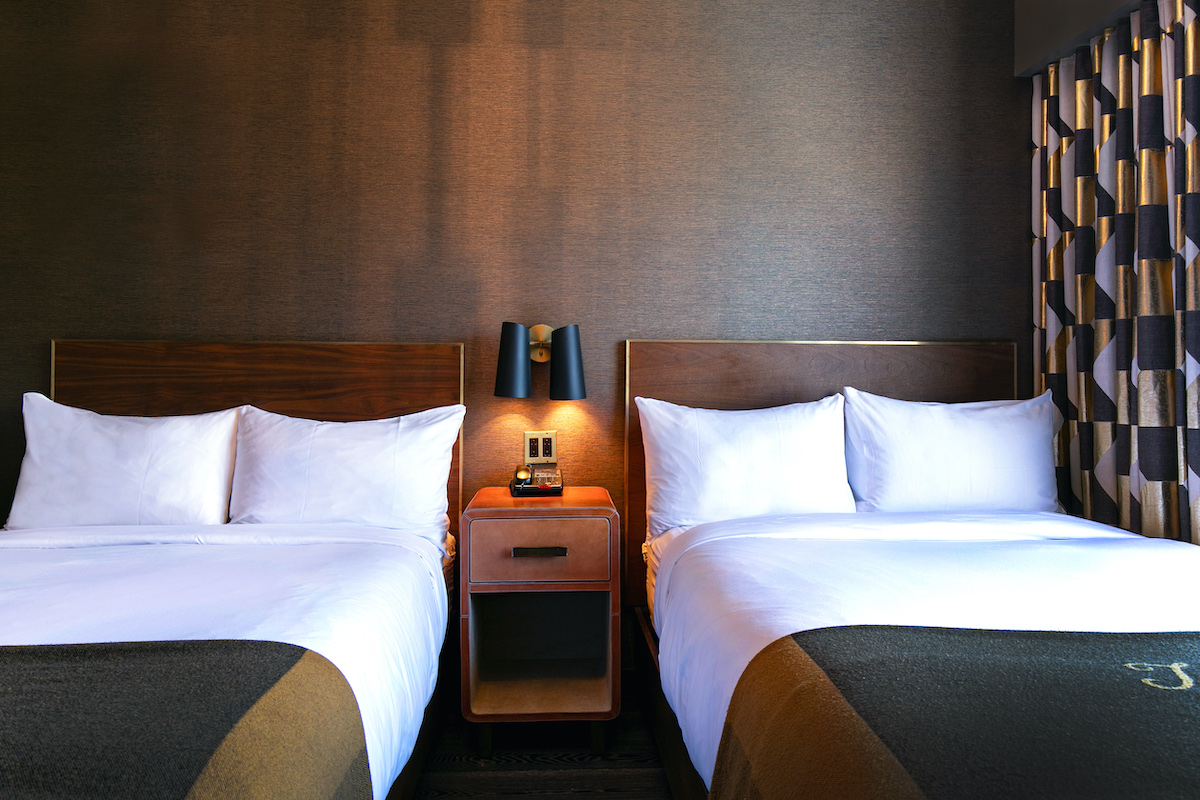
When booking, always read the “room amenities” or “room details” section meticulously. Look for explicit bed dimensions if they are provided. If the description is vague, or if you have concerns, do not hesitate to contact the hotel’s reservations department. You can explain your needs (e.g., “I require a bed that is at least 60 inches wide”) and they can often guide you to the most suitable room type. For instance, if you book a room with “one double bed” at the Four Seasons Hotel George V Paris, you can expect a certain standard of luxury, but the bed size will still adhere to the general definition of a double. Understanding these basics ensures that your expectation aligns with the reality of your accommodation.
In conclusion, a double bed in a hotel is a standard, often cost-effective sleeping solution designed for two people or one person desiring ample space. While its dimensions are generally consistent in the United States, international variations exist, necessitating careful research. Understanding its size relative to other beds like twin, queen, and king, and considering your personal needs, the room’s layout, and the purpose of your trip, will empower you to make the perfect choice for your next hotel stay, whether you are venturing to a bustling metropolis or a tranquil countryside retreat.
LifeOutOfTheBox is a participant in the Amazon Services LLC Associates Program, an affiliate advertising program designed to provide a means for sites to earn advertising fees by advertising and linking to Amazon.com. Amazon, the Amazon logo, AmazonSupply, and the AmazonSupply logo are trademarks of Amazon.com, Inc. or its affiliates. As an Amazon Associate we earn affiliate commissions from qualifying purchases.