
When traversing the winding backroads of New York, travelers often encounter signage that identifies a specific cluster of homes, a singular general store, or a historic intersection as a “hamlet.” Unlike a city, town, or incorporated village, the concept of a hamlet carries a unique legal and cultural weight within the Empire State. Understanding these tiny, often picturesque locales is essential for anyone looking to truly appreciate the depth of American history and the unique administrative geography of the region.
Defining the Administrative Landscape of New York
In the vast majority of United States jurisdictions, the term “hamlet” is merely a descriptive word for a small settlement. However, in New York State, it serves as a distinct, albeit unofficial, form of community identification. To understand why these places exist, one must look at how the state is organized.
The Governance of Towns
New York is divided into counties, and every inch of land within those counties—outside of cities and Indian reservations—is contained within a “town.” These towns are the primary level of municipal government. Because these towns can cover massive geographic areas, they often encompass multiple distinct neighborhoods or smaller community centers that have developed their own names, identities, and historic hubs.
Why Hamlets Are Not Incorporated
Unlike a village—which is an incorporated municipality with its own mayor, police force, and distinct local government—a hamlet is not a legal entity. It has no government of its own. It is an unincorporated area within a town. If you visit a place like Cold Spring Harbor or Bedford, you are technically standing within the jurisdiction of the town government, even though the hamlet possesses a clear, localized identity that locals identify with far more strongly than the town itself.
The Cultural Significance of the Hamlet
While they may lack the bureaucratic overhead of larger municipalities, hamlets are the cultural heart of many rural and suburban New York landscapes. They represent the original settlement patterns that emerged during the colonial era and the subsequent expansion of the 19th century.
Preserving Architectural Heritage
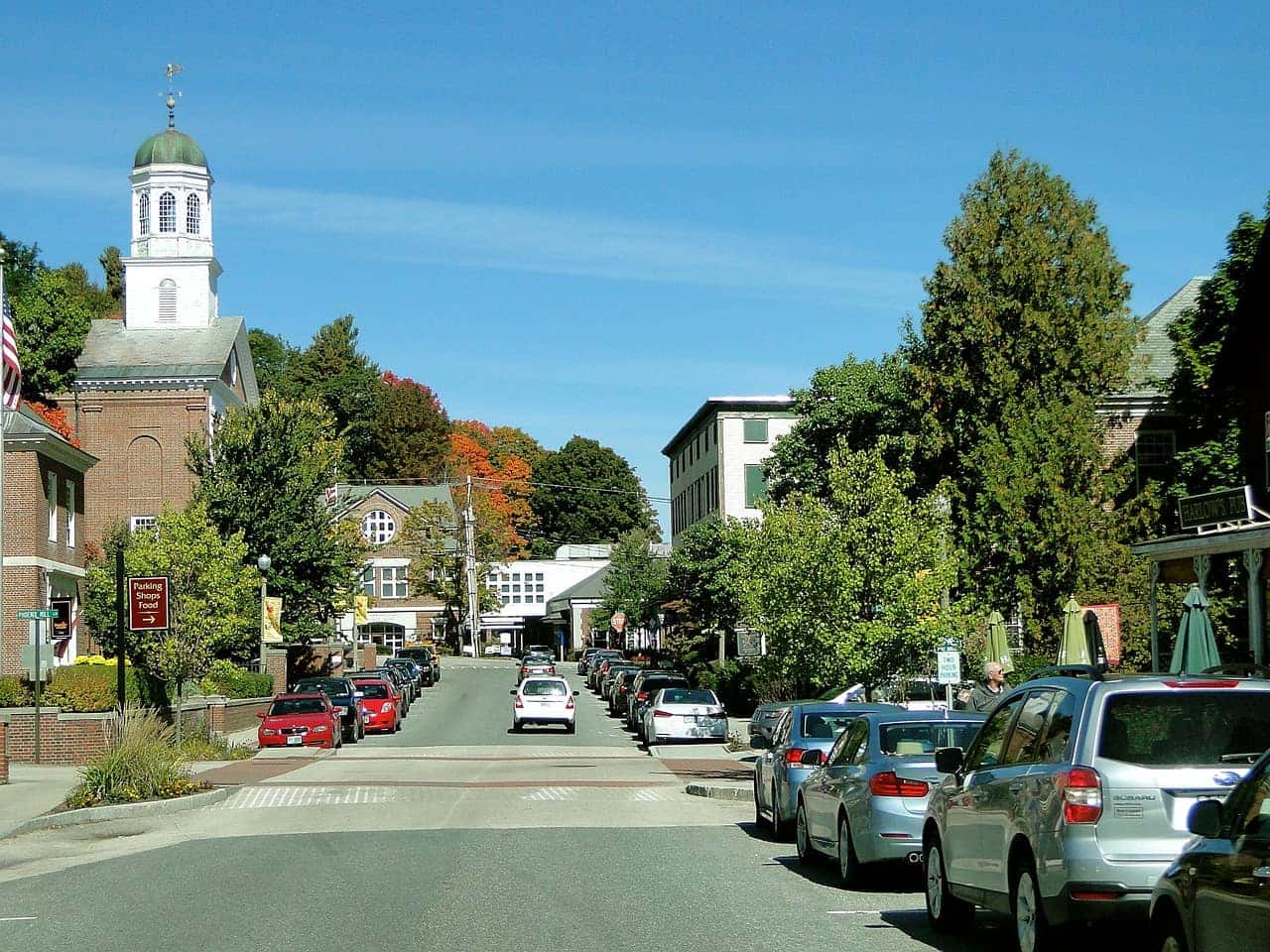
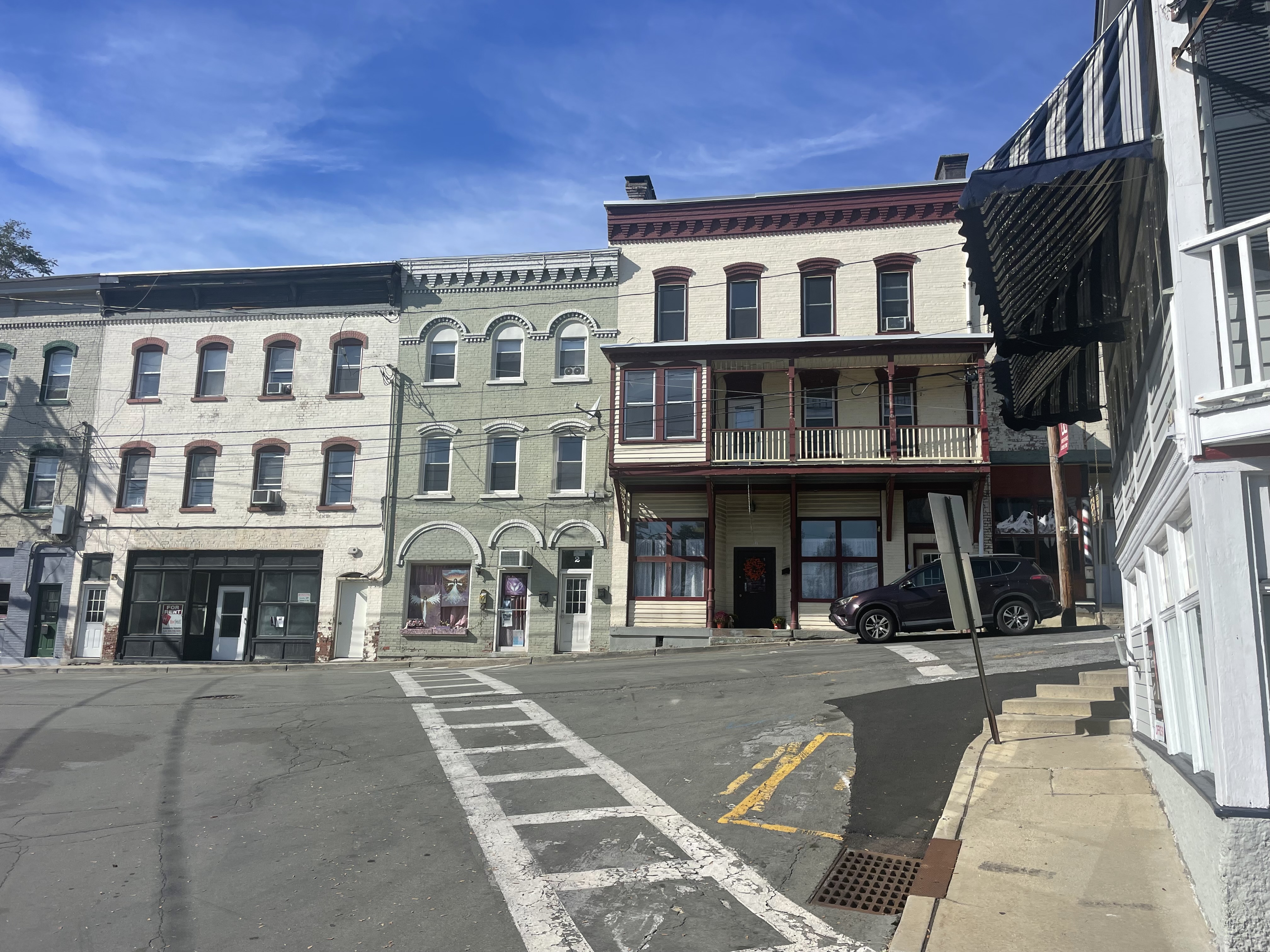
Because hamlets often developed around a specific mill, a crossroad, or a landing along a waterway like the Hudson River, their centers are frequently frozen in time. You will often find colonial-era churches, 19th-century general stores, and historic town greens that have been preserved through strict zoning or local historical societies. In places like Rhinebeck, the hamlet serves as a gateway to the broader agricultural beauty of the Hudson Valley.

Social Hubs and Community Identity
A hamlet usually functions as the “downtown” for the surrounding residential sprawl. It is where the community gathers for the annual fair, where the volunteer fire department is stationed, and where small, family-owned businesses continue to thrive. In regions like the Catskill Mountains, these hamlets provide essential services to hikers and visitors, acting as vital nodes of commerce and social interaction that maintain the character of the region.
Navigating New York’s Hamlets as a Visitor
For the modern traveler, discovering a hamlet can be one of the most rewarding aspects of a road trip through New York. Unlike the tourist traps of major cities, hamlets offer a slower, more authentic glimpse into local life.
The Charm of the “Unincorporated” Experience
When traveling through the Finger Lakes or the Adirondack Park, you will frequently cross into a hamlet without realizing it until you see a wooden sign denoting the community name. These areas are not built for mass tourism. They are built for community longevity. Expect to find:
- Independent Coffee Roasters: Often housed in repurposed barns or brick buildings from the early 1900s.
- Artisanal Crafts: Small shops that feature goods made by local residents.
- Local History Museums: Small, often volunteer-run spaces that detail the specific founding families or industrial history of that exact intersection.
Practical Tips for Exploration
Because hamlets lack the infrastructure of a major New York City borough, visitors should be mindful of a few things:
- Limited Hours: Many local businesses in smaller hamlets operate on “local time,” meaning they may close early or be closed entirely on weekdays. Always check ahead if you have a specific destination in mind.
- Infrastructure Realities: Cell service can be spotty in the more remote hamlets of Upstate New York. Bringing a physical map or downloading offline navigation is highly recommended.
- Respecting Boundaries: Many hamlets are residential. While their historic charm makes them look like living museums, they are private homes and active community spaces. Parking in designated areas and respecting quiet zones is vital to maintaining the relationship between the residents and the tourism industry.
The Future of the New York Hamlet
In an era of rapid urbanization, the hamlet remains a resilient model of decentralized living. As more people seek refuge from the density of Manhattan or Brooklyn, these small, unincorporated communities are seeing a renaissance.
Sustainability and Growth
Many hamlets are currently undergoing a shift where they are becoming focal points for sustainable, community-oriented growth. Because they are not burdened by their own municipal bureaucracy, they often rely on the broader town government to handle infrastructure, which allows the local identity to flourish without the pressure of constant commercial development.
Why They Matter
A hamlet is more than just a name on a map. It is a testament to the way early settlers in the Northeastern United States chose to organize their lives—clustering around essential resources and fostering close-knit bonds. Whether you are driving through the rolling hills of Westchester County or exploring the rugged beauty of the Long Island shoreline, finding a hamlet is like uncovering a piece of the state’s soul. It reminds us that even in a world that is becoming increasingly globalized, there is immense value in the small, the local, and the unincorporated.
The next time you find yourself on a New York backroad, take a moment to look for those quaint signs welcoming you to a “hamlet.” Stop the car, walk the main street, and enjoy the quiet history that defines the true character of the Empire State. It is in these tiny, un-governed, and often overlooked corners where you will find the most genuine spirit of the region, unencumbered by the frantic pace of the modern world.
LifeOutOfTheBox is a participant in the Amazon Services LLC Associates Program, an affiliate advertising program designed to provide a means for sites to earn advertising fees by advertising and linking to Amazon.com. Amazon, the Amazon logo, AmazonSupply, and the AmazonSupply logo are trademarks of Amazon.com, Inc. or its affiliates. As an Amazon Associate we earn affiliate commissions from qualifying purchases.