
In the intricate world of hospitality, where countless transactions occur daily, clarity and precision are paramount. One document stands as the definitive record of a guest’s financial journey during their stay: the hotel folio. Far more than just a receipt, a hotel folio is a comprehensive statement detailing every charge incurred, every payment made, and the final balance due, acting as a transparent ledger between the guest and the hotel. Understanding your hotel folio is not just about financial literacy; it’s about empowering yourself as a guest, ensuring accuracy, and appreciating the operational backbone that supports a seamless stay. From the moment you check into a luxurious Grand Hyatt Hotel in a bustling metropolis or a charming boutique inn, a folio is meticulously maintained, capturing the essence of your patronage. This document is a critical tool for both guests, who need to reconcile their expenses, and hotels, which rely on it for accurate accounting and operational efficiency. Delving into the intricacies of a hotel folio demystifies the financial aspects of your accommodation, turning a potentially confusing list of numbers into a clear, understandable narrative of your experience.
The Anatomy of a Hotel Folio
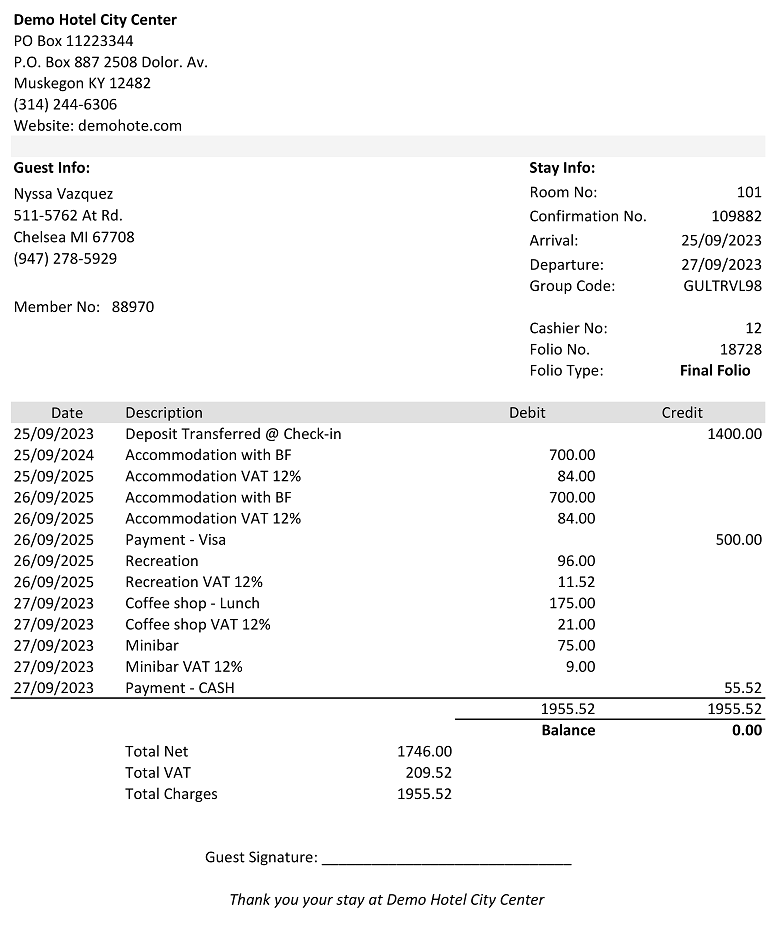
At its core, a hotel folio is a living document that continuously updates from check-in to check-out. It’s designed to provide a comprehensive breakdown of all financial activity related to a guest’s stay, ensuring both parties have a clear record. While formats may vary slightly across different hotel chains, the fundamental components remain consistent, offering a standardized approach to tracking expenditures.
Guest Information and Stay Details
Every folio begins by clearly identifying the guest and their specific reservation details. This section typically includes the guest’s full name, contact information, and the unique reservation number assigned at the time of booking. Crucially, it also specifies the check-in and check-out dates, the room number assigned for the duration of the stay, and the agreed-upon room rate. This foundational information ensures that the folio is attributed to the correct individual and provides a snapshot of the stay’s basic parameters. For business travelers, this section is vital for expense reporting, providing the necessary proof of accommodation and dates of travel, whether staying at a Hilton Worldwide property or an independent resort.
Itemized Charges
This is arguably the most scrutinized section of any hotel folio, as it lists every single charge incurred during the stay. The primary charge, of course, is the room rate, often broken down daily. Beyond this, folios meticulously itemize all incidental expenses. These can range from the seemingly small, like mini-bar refreshments or in-room movie rentals, to more substantial charges such as room service, laundry services, or phone calls made from the room. Furthermore, charges from various hotel outlets – including restaurant meals, drinks from the bar, spa treatments, gift shop purchases, and parking fees – are all individually listed with their respective dates and times of service. Each item is typically accompanied by a brief description, a quantity (if applicable), and the cost, followed by any applicable local, state, or federal taxes. This level of detail is essential for transparency and helps guests understand exactly where their money has been spent.
Payments and Adjustments
To balance the itemized charges, the folio also tracks all payments made and any adjustments applied to the account. This section records pre-payments or deposits made at the time of booking or check-in, as well as any subsequent payments, whether by credit card authorization, cash, or other methods. In many instances, hotels will place a pre-authorization hold on a guest’s credit card upon arrival to cover potential incidentals; these authorizations are also noted. This section also accounts for any adjustments, such as discounts applied, refunds issued, or chargebacks processed. It is crucial for guests to review this part of the folio carefully, ensuring that all their payments have been accurately posted and that any agreed-upon discounts, such as those for loyalty programs or corporate rates, have been correctly applied.
Balance Due
The culmination of the charges and payments sections is the balance due. This figure represents the total outstanding amount that the guest needs to settle upon check-out. It is the net result of subtracting all payments and adjustments from the total itemized charges. A zero balance indicates that the guest has fully settled their account, while a positive balance signifies that an additional payment is required. This final figure is the most critical piece of information for both the guest, who needs to complete their transaction, and the hotel, which needs to ensure all services rendered have been appropriately compensated.
Why the Hotel Folio Matters
The hotel folio is more than just an administrative necessity; it serves as a critical document for both guests and hoteliers, embodying principles of transparency, accountability, and financial integrity. Its importance extends beyond mere transactional record-keeping, impacting guest satisfaction, hotel operations, and even legal compliance.
For the Guest: Transparency and Dispute Resolution
For guests, the hotel folio is their primary tool for understanding and verifying the financial aspects of their stay. It provides an undeniable level of transparency, detailing every single charge and payment. This clarity is invaluable, allowing guests to reconcile their spending against their expectations and track their budget effectively, especially when traveling to major destinations like New York City where expenses can accumulate quickly. Perhaps its most crucial function for guests is as a mechanism for dispute resolution. Should a guest find an unfamiliar charge or an error, the detailed itemization on the folio provides concrete evidence to discuss with hotel staff. Without this itemized record, it would be significantly harder to prove that a charge for, say, a minibar item was incorrectly applied or that a promotional discount was overlooked. For business travelers, the folio is often a mandatory document for expense reimbursement, serving as official proof of expenditures for their employers. Accuracy here is paramount to avoid personal out-of-pocket expenses or delays in reimbursement.
For the Hotel: Accounting and Operations
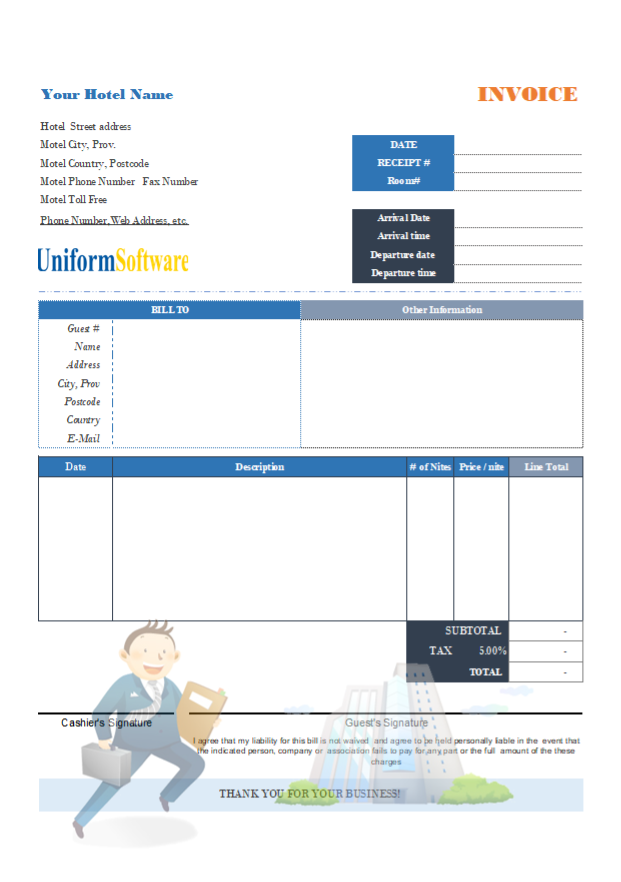
From the hotel’s perspective, the folio is an indispensable operational and accounting instrument. It forms the backbone of revenue tracking, allowing properties to accurately record income from various departments—rooms, food and beverage, spa, and other ancillary services. This granular data is vital for financial reporting, budgeting, and performance analysis. Each folio contributes to the hotel’s overall financial health and strategic planning. Beyond simple revenue, the folio also serves as a crucial legal document. In cases of payment disputes, chargebacks, or audits, the detailed records on a folio provide irrefutable evidence of services rendered and payments agreed upon. It helps protect the hotel against fraudulent claims and ensures compliance with financial regulations. Furthermore, aggregated folio data contributes to guest history profiles, allowing hotels to understand guest preferences, personalize future stays, and build stronger loyalty programs, whether they are a part of Marriott International or a boutique chain. Efficient management of accounts receivable, especially for group bookings or corporate accounts that might use master folios, heavily relies on the precision and comprehensive nature of individual guest folios.
Decoding Your Hotel Folio: A Practical Guide
Understanding your hotel folio doesn’t require an accounting degree, but a little knowledge can go a long way in ensuring a smooth check-out process and peace of mind. Proactive engagement with your folio can prevent surprises and help resolve discrepancies before they become larger issues.
Reviewing Your Folio During Your Stay
Many hotels, particularly larger establishments or those in popular tourist hubs like Las Vegas, offer the convenience of reviewing your folio at any point during your stay. This can be done by simply asking for a printout at the front desk, accessing it through your in-room television, or via a hotel’s mobile app. It’s highly advisable to perform a mid-stay review, especially if your stay is extended or if you anticipate significant incidental charges. Checking daily charges allows you to catch errors or question unfamiliar items promptly, rather than being overwhelmed by a long list at check-out. For instance, if you noticed a charge for a gym session you didn’t attend or a meal from a restaurant you didn’t visit, raising the issue immediately can lead to a quicker resolution while the details are still fresh for both you and the staff.
The Check-out Process and Final Folio
The most critical time to scrutinize your hotel folio is during the check-out process. This is your final opportunity to review all charges and payments before settling your bill. The front desk agent will typically present you with a final printout, either a paper copy or an emailed version. Take a moment to go through each line item. Verify the room rate, check that all expected payments or pre-authorizations have been applied, and look for any discrepancies in incidental charges. If everything looks correct, you can proceed to settle any outstanding balance. Understanding common codes and abbreviations used on folios can also be helpful. For example, “RM” typically stands for room, “FB” for food and beverage, “TAX” for taxes, and “SVC” for service charges. If you encounter an unfamiliar code, don’t hesitate to ask the front desk for clarification.
What to Do If You Spot an Error
Discovering an error on your hotel folio can be frustrating, but knowing the correct steps can lead to a swift resolution.
- Immediate Action: Point out the discrepancy to the front desk staff immediately upon review. Do not wait until you have left the property, as it can be much harder to resolve remotely.
- Provide Documentation: If you have any personal records, receipts, or notes that contradict a charge, present them. For example, if you were charged for an item from the minibar that you didn’t consume, explain the situation. If you have an external receipt for a meal that shows a different amount than what’s on the folio, present that.
- Communicate Clearly: Explain the issue calmly and clearly. Be specific about the charge in question and why you believe it is incorrect. The staff member is there to assist you.
- Request Manager Intervention: If the front desk agent is unable to resolve the issue to your satisfaction, politely request to speak with a duty manager or someone in a supervisory role. They often have more authority to investigate and make adjustments.
- Record Details: If the issue isn’t immediately resolved, record the names of the staff members you spoke with, the date and time of your discussions, and any reference numbers provided. This documentation will be invaluable if further follow-up is required after you leave the hotel. Most hotels, including luxury properties like The Plaza Hotel, prioritize guest satisfaction and will work diligently to correct any legitimate billing errors.
Beyond the Basics: Advanced Folio Concepts
While the core function of a hotel folio remains consistent, the hospitality industry has developed more nuanced applications to cater to diverse guest needs and complex booking scenarios. These advanced folio concepts streamline operations for specific types of stays, ensuring financial accuracy even in more intricate situations.
Master Folios and Split Folios
For group bookings, corporate accounts, or events, the concept of a master folio becomes essential. Instead of each individual guest having a separate folio for all charges, a master folio aggregates certain charges for an entire group onto a single account. For example, a company hosting a conference might have a master folio that covers all room charges and meeting room rental fees for its employees, while each individual employee’s folio only reflects their personal incidental expenses like mini-bar usage or personal meals. This simplifies billing for the organizer and ensures the correct entity is charged for specific services. Conversely, a split folio allows a single guest’s charges to be divided into multiple categories or accounts. This is particularly common for business travelers who need to separate company-billable expenses (like room rate and business meals) from personal expenses (like souvenirs or leisure activities). The hotel can then charge these different categories to separate payment methods, providing distinct records for both corporate and personal accounting. This flexibility is crucial for guests staying at properties ranging from standard business hotels to upscale Four Seasons Resorts.
Digital Folios and Environmental Impact
In an increasingly digitized world, the traditional paper folio is giving way to more sustainable and convenient digital alternatives. Many hotels now offer the option for guests to receive their folio via email, access it through a secure online portal, or view it directly within a hotel’s mobile application. This shift to digital folios offers numerous benefits. From an environmental perspective, it significantly reduces paper waste, aligning with global efforts towards sustainability. For guests, digital folios provide instant access, easy storage, and the ability to forward them electronically for expense reporting. This is particularly beneficial for frequent travelers who appreciate the convenience of paperless transactions and the reduced clutter. The adoption of digital solutions reflects a broader trend in the hospitality industry towards enhancing guest experience through technology while also embracing eco-friendly practices.
Legal and Compliance Aspects
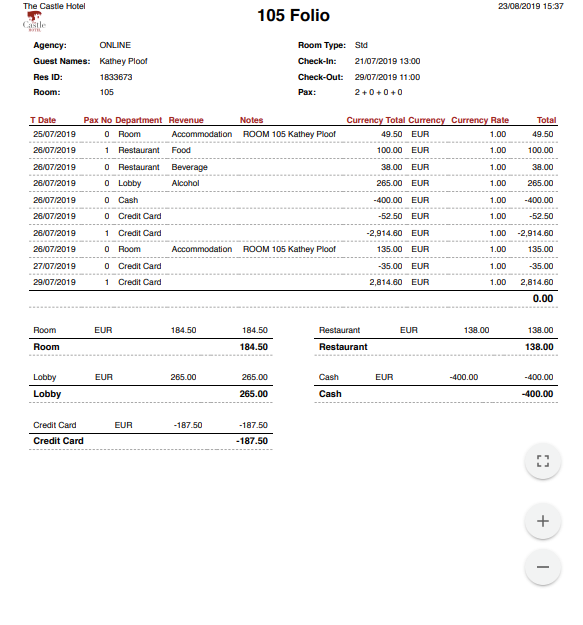
Beyond mere financial record-keeping, hotel folios carry significant legal and compliance implications. Hotels are typically required by law to maintain detailed financial records for a specified period, and folios form a crucial part of these records. They can be subpoenaed in legal disputes or required for tax audits, making their accuracy and completeness paramount. Furthermore, the handling of payment data on folios is subject to strict regulations, such as Payment Card Industry Data Security Standard (PCI DSS) compliance. This ensures that guests’ credit card information and other sensitive financial details are processed, stored, and transmitted securely, protecting against fraud and data breaches. Hotels invest heavily in systems and training to ensure that all folio-related processes adhere to these stringent security and privacy standards, upholding the trust guests place in them with their personal and financial information.
In conclusion, the hotel folio, often perceived as a simple receipt, is in fact a sophisticated and vital document within the hospitality ecosystem. For guests, it serves as an indispensable tool for transparency, budget management, and dispute resolution, offering a clear narrative of their financial interaction with the hotel. For hoteliers, it is the bedrock of accurate accounting, operational efficiency, and legal compliance, enabling seamless management of guest accounts and robust financial reporting. By understanding the components of your folio and knowing how to interpret and verify its details, you empower yourself to navigate the financial aspects of your travels with confidence and ensure that your hotel experience is as clear and straightforward as it is enjoyable. The next time you check out, take a moment to review your hotel folio; it’s more than just a piece of paper—it’s the definitive record of your stay.
LifeOutOfTheBox is a participant in the Amazon Services LLC Associates Program, an affiliate advertising program designed to provide a means for sites to earn advertising fees by advertising and linking to Amazon.com. Amazon, the Amazon logo, AmazonSupply, and the AmazonSupply logo are trademarks of Amazon.com, Inc. or its affiliates. As an Amazon Associate we earn affiliate commissions from qualifying purchases.