
In the intricate world of hospitality, where the seamless orchestration of service and culinary excellence defines the guest experience, certain tools remain hidden from the public eye yet serve as the literal backbone of operations. Among these, the hotel pan is perhaps the most ubiquitous and essential. Whether you are enjoying a lavish morning buffet at the Marriott International or attending a grand gala in the ballroom of the Waldorf Astoria New York, the food you consume has almost certainly spent time in a hotel pan. These standardized containers are the silent workhorses of the global hotel industry, designed to withstand the rigors of high-volume kitchens while maintaining the strict temperature controls required for food safety and quality.

The Essential Foundation of Modern Hospitality Kitchens
A hotel pan, also known as a steam table pan, service pan, or counter pan, is a rectangular container used for food storage, transport, and service in commercial kitchens. The name itself stems from its historical roots in the grand hotels of the late 19th and early 20th centuries, where the need for standardized equipment became apparent as the industry shifted toward mass catering. In cities like London and Paris, iconic establishments such as The Savoy helped pioneer the logistical frameworks that require these versatile vessels today.
What distinguishes a hotel pan from a standard baking dish or domestic container is its strict adherence to universal sizing standards. In the United States, sizes are traditionally measured in inches, while across Europe and much of the rest of the world, the Gastronorm (GN) system is used. This system, which originated in Switzerland and was formalized in Germany, ensures that any pan produced by any manufacturer will fit perfectly into any steam table, oven rack, or refrigeration unit in any hotel across the globe.
Understanding the Sizes and Gastronorm System
The genius of the hotel pan lies in its modularity. The base unit is the “Full-Size Pan,” which measures approximately 12 by 20 inches (or GN 1/1). From this standard dimension, all other sizes are derived as fractions of the whole. This allows kitchen managers at large-scale resorts like the Marina Bay Sands in Singapore to optimize their buffet layouts with mathematical precision.
Common Sizing Ratios
The full-size pan is the anchor, but several variations exist to accommodate different culinary needs:
- Half-Size Pan (GN 1/2): Two of these fit perfectly into the space of one full-size pan. These are often used for side dishes or smaller portions of proteins.
- Third-Size Pan (GN 1/3): Frequently seen in salad bars or for holding sauces, three of these occupy the space of a full-size unit.
- Sixth-Size Pan (GN 1/6): Ideal for condiments, toppings, or garnishes at a cocktail bar in a high-end lounge like the one at The Ritz-Carlton Hong Kong.
- Ninth-Size Pan (GN 1/9): The smallest of the standard set, often used for small quantities of seasonings or herbs.
The Importance of Depth
Beyond the surface dimensions, hotel pans are categorized by their depth. Standard depths range from 2.5 inches to 6 inches. A shallow 2.5-inch pan is perfect for delicate items like poached salmon at a Hilton Hotels brunch, as it prevents the food at the bottom from being crushed by the weight of the food on top. Conversely, a deep 6-inch pan is preferred for soups, stews, or bulky items like salad greens served at a Holiday Inn breakfast station.
Material Science and Durability in High-Volume Resorts
The materials used in the construction of hotel pans are chosen based on the specific demands of the environment. In the intense heat of a kitchen at the Bellagio Hotel and Casino in Las Vegas, durability is paramount.
Stainless Steel: The Industry Standard
The vast majority of hotel pans are made from stainless steel, specifically 18/8 or 18/10 grades. This refers to the ratio of chromium to nickel, which provides excellent corrosion resistance and heat retention. Stainless steel is preferred because it can transition seamlessly from a blast chiller to a high-heat oven and then directly onto a steam table for service. Its non-reactive nature ensures that the flavors of high-acid foods, like tomato-based sauces common in Italy, are not compromised during long periods of holding.

Polycarbonate and Plastic Alternatives
For cold storage and preparation, many hotels, such as the Four Seasons Resort Maui in Hawaii, utilize polycarbonate or polypropylene pans. These clear containers allow chefs to identify contents quickly and are often used for “prep work” where visibility and lightweight handling are more important than heat resistance. However, in the context of a formal banquet at the Palace of Versailles or a luxury catering event in Tokyo, stainless steel remains the visual and functional standard for hot service.
Operational Efficiency and the Guest Experience
In the luxury hospitality sector, the guest experience is the primary metric of success. While a guest at The Peninsula Tokyo may never see the stainless steel pan their meal was prepared in, the efficiency provided by these pans directly impacts the quality and speed of service.
Streamlining Buffet Operations
In massive tourist hubs like Dubai, hotels such as Atlantis The Palm serve thousands of guests daily. The use of hotel pans allows for “batch cooking,” where food is prepared in one pan, cooked, and then moved directly to the buffet line. When a dish runs low, the entire pan is swapped out for a fresh one in seconds. This prevents the “empty dish” syndrome that can detract from a premium dining experience.
Thermal Regulation and Food Safety
Maintaining the correct temperature is not just a matter of taste; it is a critical safety requirement. Hotel pans are designed to sit snugly within “wells” that are heated by water (steam tables) or cooled by ice or refrigeration. This tight seal ensures that heat or cold is distributed evenly across the surface of the pan. For a traveler visiting Australia and staying near the Sydney Opera House, the knowledge that their food has been kept at a safe 140°F (60°C) or higher is a testament to the engineering behind these simple pans.
Specialized Variations and Accessories
The evolution of the hotel pan has led to specialized variations designed for specific tasks. These innovations allow hotels like the Burj Al Arab to maintain their reputation for cutting-edge culinary technique.
- Perforated Pans: These pans feature small holes in the bottom and sides, making them ideal for steaming vegetables or seafood. They allow steam to circulate around the food and permit excess moisture to drain away, preventing items from becoming soggy.
- Anti-Jamming Lugs: Modern hotel pans often feature “lugs” or indentations near the corners. These prevent pans from sticking together when stacked, a crucial feature in a fast-paced environment like the MGM Grand.
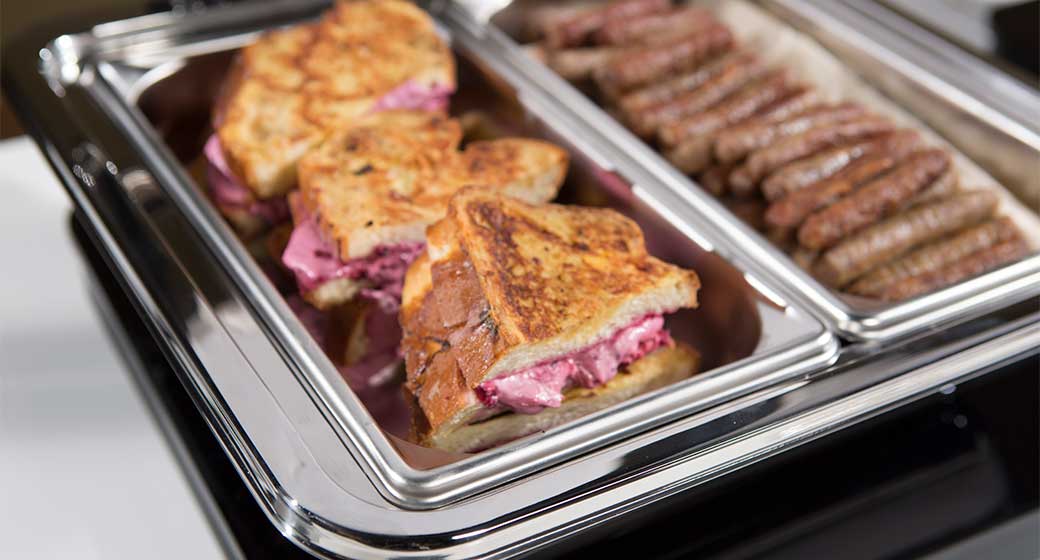
- Lids and Covers: From notched lids that allow a serving spoon to remain in the pan to silicone-sealed lids for spill-proof transport, the accessories associated with hotel pans are as varied as the pans themselves. In a bustling city like Hong Kong, where food often needs to be transported between central kitchens and satellite dining rooms, these lids are indispensable.
Maintenance and Longevity for Large-Scale Accommodations
The lifespan of a high-quality hotel pan can span decades if maintained correctly. For a large resort complex in Mexico, such as those found in Cancun, the sheer volume of pans requires a rigorous sanitation protocol. Because they are made of high-grade steel, they can withstand the high-temperature chemical washes used in industrial dishwashers.
Furthermore, the standardized nature of these pans makes them a sustainable choice for the industry. Unlike specialized equipment that may become obsolete, a full-size hotel pan purchased today will fit into equipment manufactured fifty years from now. This longevity is why you will find the same types of pans in the kitchens of the Adlon Kempinski Berlin as you would in a boutique hotel in Cape Town.
The hotel pan is much more than a simple metal box. It is a masterpiece of industrial design that allows the global hospitality industry to function at scale. From the bustling kitchens of New York City to the serene resorts of the Maldives, these pans ensure that every meal, whether it is a simple continental breakfast or a complex multi-course dinner, is prepared and served with consistency, safety, and efficiency. Next time you see a gleaming buffet line at a Hyatt property, you will recognize the hotel pan for what it truly is: the indispensable anchor of the hotel dining experience.
LifeOutOfTheBox is a participant in the Amazon Services LLC Associates Program, an affiliate advertising program designed to provide a means for sites to earn advertising fees by advertising and linking to Amazon.com. Amazon, the Amazon logo, AmazonSupply, and the AmazonSupply logo are trademarks of Amazon.com, Inc. or its affiliates. As an Amazon Associate we earn affiliate commissions from qualifying purchases.