
The evolution of modern hospitality has transformed the way travelers perceive comfort, privacy, and hygiene. At the heart of this transformation is the “attached bathroom,” a feature so ubiquitous today that many guests take it for granted. Often referred to in the industry as an “ensuite,” an attached bathroom is a private facility located within the guest room, accessible only by the occupants of that specific unit. This architectural standard represents a significant shift from the early days of travel when shared facilities were the norm in Europe and North America.
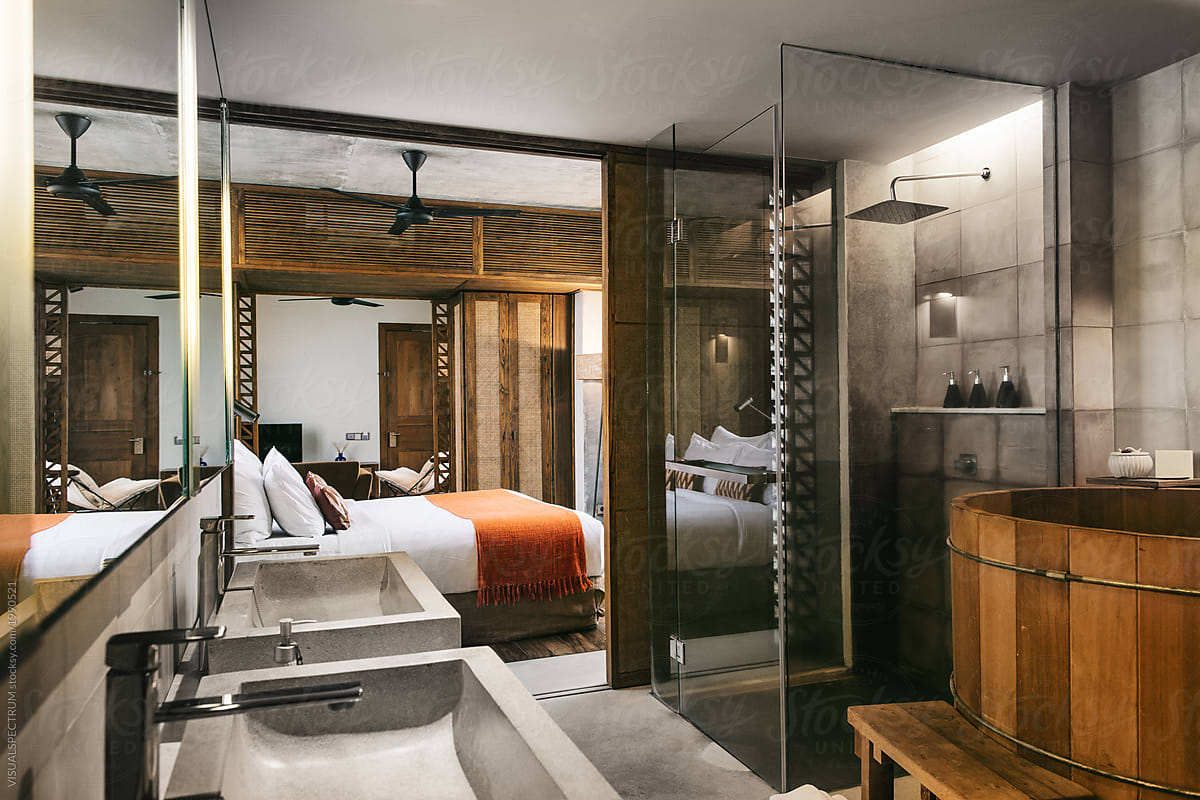
Understanding the nuances of what constitutes an attached bathroom—and the various configurations it can take—is essential for travelers booking everything from budget motels to five-star resorts. Whether you are staying at a Marriott in New York City or a boutique villa in Bali, the layout and quality of these private facilities define the guest experience.
The Evolution and Standardization of Private Bathrooms
The concept of a private bathroom for every guest room was not always the industry standard. In the 19th and early 20th centuries, even grand hotels in London and Paris relied on communal bathrooms located at the end of hallways. It was Ellsworth Statler, a pioneer in the American hotel industry, who revolutionized the sector with his slogan, “A room and a bath for a dollar and a half.” When the Buffalo Statler Hotel opened in the United States in 1908, it was the first to offer a private attached bathroom in every guest room, setting a precedent that the rest of the world would eventually follow.
The Shift from Shared to Private
Before the mid-20th century, the “shared bath” was a necessity of plumbing limitations and architectural design. In historic cities like Rome or Vienna, older buildings often had thick stone walls that made retrofitting individual plumbing systems difficult. However, as global travel increased and the middle class grew, the demand for privacy became paramount. Today, the “attached” status is the primary differentiator between a “hotel” and a “hostel” or a traditional “boarding house.”
Defining “Ensuite”
In professional terminology, the term “ensuite” is derived from the French language, meaning “in sequence” or “following.” In a hospitality context, it indicates that the bathroom is part of the suite of rooms. When a traveler sees a listing for a room with an attached bathroom, it guarantees that they will not need to leave their room or traverse a public hallway to access the toilet, sink, or shower.
Types of Attached Bathroom Configurations
Not all attached bathrooms are created equal. Depending on the star rating of the hotel and the local building codes of the Country, the configuration can vary wildly. From the space-saving designs in Tokyo to the sprawling marble sanctuaries in Dubai, the “attached” bathroom takes many forms.
The Full Bathroom vs. The Half Bath
A standard attached bathroom in a hotel like the Hilton typically includes four pieces: a toilet, a sink (vanity), a bathtub, and a shower. In many modern designs, particularly in North America, the bathtub and shower are combined into a single unit to save space. A “half bath,” or powder room, is rarer in standard hotel rooms but common in luxury suites at the Ritz-Carlton, serving as an additional toilet for guests.
The Wet Room Concept
In many parts of Asia and Europe, especially in boutique hotels or eco-resorts, the “wet room” configuration is popular. In a wet room, the entire bathroom floor is waterproofed and sloped toward a drain. There is often no separate shower tray or curtain; the showerhead simply hangs on the wall. This design is highly efficient for smaller spaces and is frequently seen in urban centers like Hong Kong or London.
Open-Plan and Glass-Walled Bathrooms
A growing trend in luxury boutique hotels, such as those found in Singapore or Berlin, is the open-plan bathroom. Here, the boundaries between the sleeping area and the bathing area are blurred. Designers may use frosted glass or even clear glass walls to separate the shower from the bed, creating a sense of space and modern aesthetics. While visually striking, these designs often include motorized blinds to maintain the privacy inherent in an “attached” facility.
Essential Amenities and Features

The quality of an attached bathroom is often used as a benchmark for a hotel’s overall luxury level. For instance, a stay at the Four Seasons is defined as much by the bathroom amenities as it is by the bedding.
High-End Fixtures
Luxury hotels invest heavily in fixtures from renowned brands like Kohler, Hansgrohe, or Toto. In Japan, for example, even mid-range hotels often feature advanced washlets (electronic bidets) with heated seats and various spray settings, which have become a hallmark of Japanese hospitality.
Toiletries and Personal Care
The “attached” experience is enhanced by the provision of toiletries. While budget hotels might offer wall-mounted dispensers, luxury establishments like The Peninsula provide individual bottles from brands like Le Labo or Hermes. These amenities—shampoo, conditioner, body wash, and lotion—are strategically placed within the attached bathroom to provide a seamless self-care routine without the guest needing to pack their own supplies.
Lighting and Ventilation
Modern attached bathrooms prioritize functional lighting. This includes “Hollywood-style” vanity mirrors for makeup application and motion-sensor nightlights for safety. Ventilation is equally critical; because these bathrooms are enclosed within the room, high-powered exhaust systems are necessary to prevent humidity and mold, ensuring the air quality within the sleeping quarters remains fresh.
Privacy, Hygiene, and Guest Expectations
The primary reason guests prefer an attached bathroom is the psychological comfort of a private “sanctuary.” This is particularly true for business travelers staying at a Sheraton or families vacationing at a Disney Resort.
The Hygiene Factor
Sharing a bathroom with strangers poses significant hygiene concerns for many travelers. An attached bathroom allows the guest to control the cleanliness of their environment. In the post-pandemic era, hotel chains like Hyatt have implemented rigorous cleaning protocols specifically for these private spaces, often placing “sanitized” seals on the toilets to reassure the next occupant.
Accessibility Standards
Attached bathrooms also play a vital role in accessibility. Under the Americans with Disabilities Act (ADA) in the United States, and similar regulations in the United Kingdom, hotels must provide rooms with bathrooms specifically designed for guests with mobility challenges. These include roll-in showers, grab bars, and lowered sinks, all contained within the private room unit.
The Future of the Hotel Bathroom Experience
As technology advances, the attached bathroom is becoming more than just a utility; it is becoming a high-tech wellness center. Hotels in tech-heavy hubs like Seoul or San Francisco are leading the way.
Smart Technology Integration
Imagine a mirror that displays the morning news and weather while you brush your teeth, or a shower that remembers your preferred water temperature. Brands like Marriott International have experimented with “smart mirrors” and voice-controlled lighting. In high-end suites at the Burj Al Arab in Dubai, the attached bathrooms are equipped with gold-plated fixtures and digital interfaces that allow guests to control every aspect of their environment.
Sustainability and Eco-Friendly Design
With a global shift toward sustainability, the hotel bathroom is being redesigned to minimize waste. This includes low-flow toilets, aerated showerheads to reduce water consumption, and the elimination of single-use plastic bottles in favor of refillable ceramic dispensers. Hotels in Scandinavia, particularly in countries like Sweden, are at the forefront of this movement, proving that an attached bathroom can be both luxurious and environmentally responsible.

The Spa-Like Retreat
The ultimate goal for modern hotel design is to turn the attached bathroom into a mini-spa. This involves the use of natural materials like slate, teak, and marble. Deep soaking tubs, rainfall showerheads, and heated towel racks are no longer exclusive to the world’s most expensive hotels; they are increasingly found in upscale boutique properties in Italy and Greece, catering to the “wellness traveler” who views the bathroom as a place for rejuvenation.
In conclusion, a hotel room with an attached bathroom is the cornerstone of the modern lodging industry. It represents the successful marriage of plumbing engineering and the human desire for privacy and comfort. From its humble beginnings as a revolutionary concept in the United States to its current status as a tech-enabled wellness sanctuary, the ensuite continues to be the most critical amenity for travelers worldwide. Whether you are booking a stay in France, Australia, or Canada, the presence of an attached bathroom is your guarantee of a private, hygienic, and dignified stay.
LifeOutOfTheBox is a participant in the Amazon Services LLC Associates Program, an affiliate advertising program designed to provide a means for sites to earn advertising fees by advertising and linking to Amazon.com. Amazon, the Amazon logo, AmazonSupply, and the AmazonSupply logo are trademarks of Amazon.com, Inc. or its affiliates. As an Amazon Associate we earn affiliate commissions from qualifying purchases.