
The allure of the Maine Coon breed, often dubbed the “gentle giants” of the feline world, begins long before these magnificent cats reach their full impressive size. It starts with their kittens – bundles of fluff and burgeoning personality that hint at the majestic adults they will become. Understanding what a Maine Coon kitten is, involves delving into their unique characteristics, care requirements, and the early stages of their development, all while keeping in mind the broader context of responsible pet ownership and the enriching experiences they bring to a household. For those considering adding a Maine Coon kitten to their family, or simply appreciating the breed, this exploration offers insight into their remarkable journey from tiny furball to a beloved companion.

The Genesis of a Gentle Giant: Early Development and Characteristics
A Maine Coon kitten is, at its core, a miniature version of the breed’s defining traits, albeit in a more compact and energetic form. From birth, these kittens are distinguishable by certain physical markers that, while subtle, are indicative of their lineage. They are typically born larger than average kitten breeds, with parents who themselves are known for their substantial size. This early size difference is a key indicator, though their growth curve is more pronounced over a longer period than many other cat breeds.
Physical Traits in Infancy
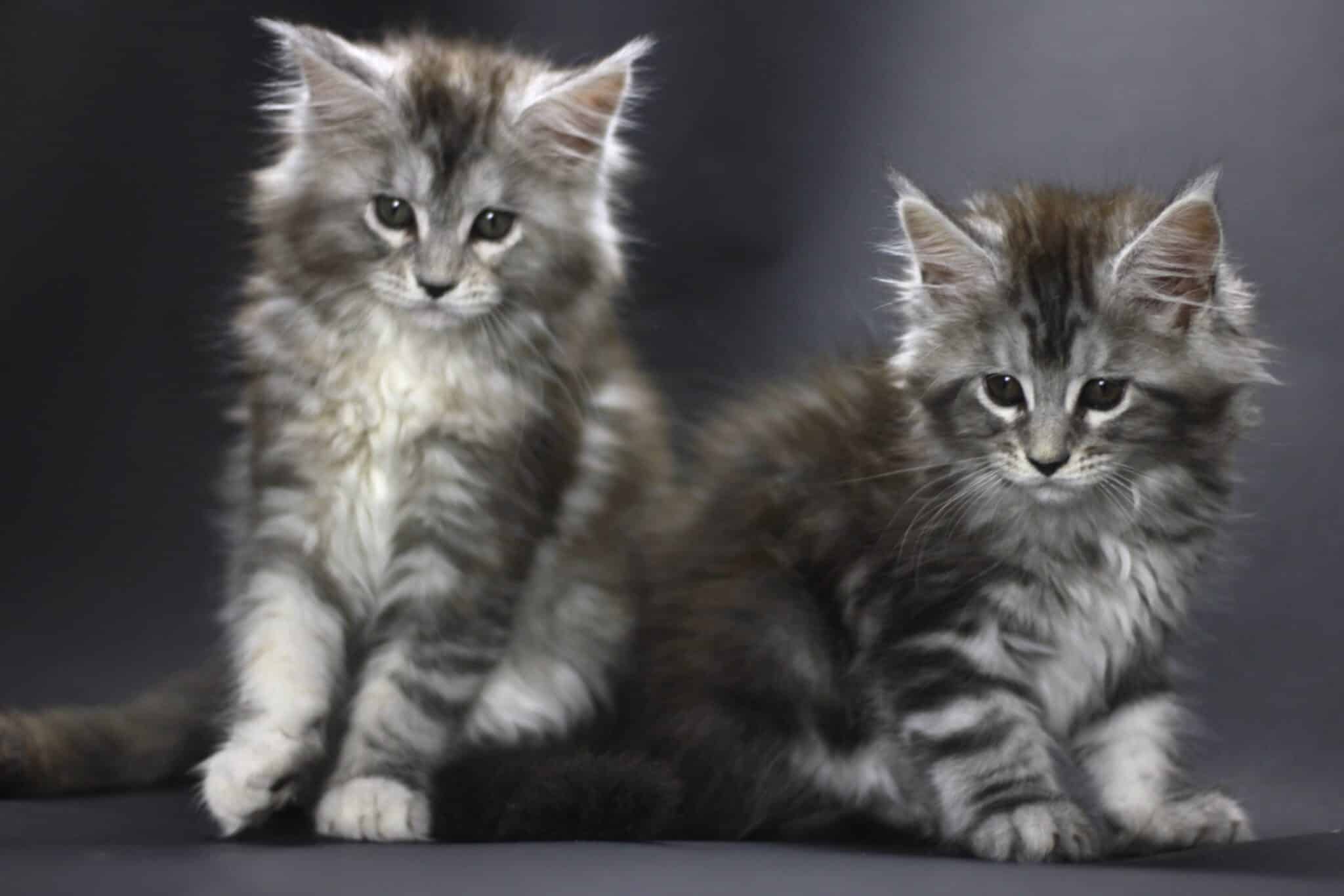
Even in their earliest weeks, Maine Coon kittens exhibit a robust build. Their paws are noticeably large and well-furred, hinting at the snowshoe-like feet their ancestors developed for traversing the harsh winters of Maine. Their heads are broad, with a squared-off muzzle, and their ears are often large and set high on their heads, frequently adorned with tufts of fur that will become more prominent as they mature. The fur itself is often a bit shaggier and less dense than in adulthood, but its texture and characteristic water-repellent quality are already present.
Temperament and Socialization
Beyond physical attributes, the hallmark of a Maine Coon kitten is its inherent sociability and intelligence. Unlike some breeds that can be shy or aloof in their early stages, Maine Coon kittens are typically outgoing, curious, and playful. They often exhibit an almost dog-like demeanor, eager to interact with their human families and other pets. Early socialization is crucial during this period, as it profoundly shapes their future temperament. Exposure to a variety of sights, sounds, and gentle handling from a young age helps them grow into confident, well-adjusted adult cats. This playful curiosity means that Maine Coon kittens are highly engaged with their environment, often exploring their surroundings with an inquisitive nature that can lead to charming, and sometimes mischievous, antics.
Growth and Maturation Timeline
It’s important to note that Maine Coon kittens mature much slower than other cat breeds. While many cats reach full physical and sexual maturity around one year of age, Maine Coons can take up to three to five years. This extended maturation period means that a “kitten” in the Maine Coon sense can extend well into their second or third year, a factor to consider when assessing their energy levels and developmental needs. Their kittenhood is characterized by rapid growth spurts interspersed with periods of slower development, making their transition into adulthood a gradual and fascinating process to observe.
Essential Care for a Thriving Maine Coon Kitten
Bringing a Maine Coon kitten into your home is a commitment that requires understanding and catering to their specific needs, particularly during their formative months. Their unique genetic makeup and breed predispositions necessitate a tailored approach to nutrition, grooming, and health management. This is not just about providing basic necessities; it’s about nurturing the foundation for a long, healthy, and happy life.
Nutritional Requirements for Growth
The rapid growth of a Maine Coon kitten, even compared to other large breeds, demands a diet rich in high-quality protein and essential nutrients. Kitten-specific formulas designed for large breeds are often recommended. These foods are typically higher in calories and contain the right balance of calcium and phosphorus to support strong bone and muscle development, crucial given their predisposition to certain orthopedic conditions. It’s advisable to feed kittens multiple small meals throughout the day, gradually transitioning to fewer meals as they age. Consulting with a veterinarian about the best feeding schedule and specific food brands is paramount, as individual needs can vary. Ensuring constant access to fresh, clean water is also non-negotiable for overall health and proper kidney function, which can be a concern in larger breeds.
Grooming: A Partnership from Kittenhood
While Maine Coons are known for their luxurious, semi-longhaired coats, their grooming needs are often less demanding than one might initially assume. Their fur is less prone to severe matting than some other long-haired breeds due to its texture and the presence of guard hairs. However, regular grooming from kittenhood is essential to get the kitten accustomed to the process and to prevent mats from forming as their coat grows thicker. Weekly brushing, increasing to several times a week as they get older or during shedding seasons, helps to remove loose fur, distribute natural oils, and minimize hairballs. Specific attention should be paid to the areas around their ruff, belly, and hindquarters, which can be more prone to tangles. Nail trimming and occasional ear cleaning, performed gently and with positive reinforcement, also become routine parts of their care from a young age, making these necessary tasks less stressful for both kitten and owner.
Health Considerations and Veterinary Care

Responsible breeders will have already screened their breeding cats for common genetic health issues prevalent in the Maine Coon breed, such as hypertrophic cardiomyopathy (HCM) and hip dysplasia. However, ongoing veterinary care is vital for any kitten. The initial veterinary visits for a Maine Coon kitten will involve vaccinations, deworming, and a general health assessment. Establishing a relationship with a veterinarian who is knowledgeable about feline breeds, and ideally familiar with larger breeds, is highly recommended. They can provide guidance on preventative care, parasite control, and early detection of any potential health concerns. Spaying or neutering, typically recommended between 4-6 months of age, is also a critical part of their health management, contributing to a longer lifespan and reducing the risk of certain behavioral issues and diseases.
The Personality of a Maine Coon Kitten: A Glimpse into the Future
The charm of a Maine Coon kitten lies not just in its endearing appearance but in the burgeoning personality that promises a unique and engaging companion. These kittens are often characterized by their playful intelligence, their affectionate nature, and their ability to integrate seamlessly into family life. They are not just pets; they are often considered active participants in household dynamics.
Playfulness and Intelligence
Maine Coon kittens are renowned for their high level of intelligence and their inquisitive nature. They are often fascinated by interactive toys, puzzle feeders, and games of fetch, a trait that sets them apart from many feline counterparts. This intelligence means they can be trained to perform tricks, respond to their names, and even learn to walk on a leash, offering a wealth of engagement for their owners. Their playfulness is not just a phase; it’s a core aspect of their personality that continues well into adulthood. Providing them with ample opportunities for mental and physical stimulation is crucial to prevent boredom and destructive behaviors. Cat trees, scratching posts, and a variety of toys are essential elements of their environment.
Affectionate and Sociable Companions
Despite their large size as adults, Maine Coon kittens are incredibly affectionate and form strong bonds with their human families. They are known to follow their owners from room to room, “help” with household chores by supervising, and enjoy simply being in the presence of their people. Their vocalizations are also distinctive, ranging from gentle chirps and trills to more pronounced meows, often used to communicate their needs and desires. This sociability extends to other pets in the household, provided they are properly introduced. Maine Coon kittens are generally good with children and other animals, contributing to their reputation as excellent family pets. Their desire for companionship means they thrive in homes where they receive plenty of attention and interaction.
The “Gentle Giant” Embodiment
Even in their kittenhood, the “gentle giant” moniker begins to manifest. While they are playful and can exhibit bursts of energy, there is an inherent gentleness and a laid-back nature that often emerges. They are not typically known for being hyperactive or destructive in a way that causes significant damage, though like all kittens, they require supervision and appropriate outlets for their energy. This blend of playfulness, intelligence, and gentle affection is what makes the Maine Coon kitten such a sought-after addition to many homes, offering a fulfilling and heartwarming companionship experience that continues to grow as they do.
Finding Your Maine Coon Kitten: Responsible Sourcing and Selection
The decision to bring a Maine Coon kitten into one’s life is an exciting one, and finding the right kitten from a reputable source is paramount to ensuring the health and well-being of the animal and a positive experience for the adopter. This involves understanding the ethical considerations and the importance of thorough research.
The Role of Reputable Breeders
When seeking a Maine Coon kitten, prioritizing reputable breeders is essential. A good breeder will be knowledgeable about the breed, health test their breeding cats, and be committed to the well-being of their kittens. They should be transparent about their breeding practices, allow potential adopters to meet the mother cat and sometimes the father, and provide health clearances for genetic conditions common to the breed. They will also be a valuable resource for advice on kitten care and development. Visiting the breeder’s facilities, if possible, allows one to observe the living conditions of the cats and kittens, ensuring they are clean, safe, and stimulating. A reputable breeder will also ask questions of potential adopters to ensure their kittens are going to suitable homes.
Adopting from Rescues and Shelters
While purebred Maine Coons are often sought from breeders, it’s also worth considering adoption from breed-specific rescues or general animal shelters. While finding a purebred Maine Coon kitten might be less common in shelters, mixed breeds with Maine Coon characteristics are often available and equally deserving of a loving home. These organizations often have experienced staff who can provide insights into a kitten’s temperament and history. Adopting from a rescue not only gives a deserving animal a second chance but also often involves a thorough veterinary check-up and preliminary vaccinations, contributing to a smoother transition into a new home.
What to Look for in a Healthy Kitten
Regardless of the source, a healthy Maine Coon kitten will exhibit certain signs. They should be alert, active, and curious. Their eyes should be clear and bright, free from discharge. Their nose should be clean and dry. Their coat should be clean and free from fleas or mats. They should have a healthy appetite and be of a good weight for their age. Avoiding kittens that appear lethargic, have ruffled fur, or show any signs of illness is crucial. A responsible breeder or rescue organization will be open about any health concerns and provide information on ongoing care. Ultimately, selecting a Maine Coon kitten is about finding a healthy, well-socialized individual that will thrive in your care.
LifeOutOfTheBox is a participant in the Amazon Services LLC Associates Program, an affiliate advertising program designed to provide a means for sites to earn advertising fees by advertising and linking to Amazon.com. Amazon, the Amazon logo, AmazonSupply, and the AmazonSupply logo are trademarks of Amazon.com, Inc. or its affiliates. As an Amazon Associate we earn affiliate commissions from qualifying purchases.