
When travelers and gem enthusiasts venture into the rugged beauty of the American West, they often discover that the most precious treasures are not merely found in the grand vistas, but beneath the very soil they tread upon. Among these, the Montana sapphire stands as a crown jewel of the state’s natural heritage. Unlike the typical image of deep-blue sapphires associated with far-flung exotic locales, these stones represent a unique intersection of geology, history, and local culture.
The Geological Origins of Montana Sapphires
The story of the Montana sapphire begins millions of years ago, buried deep within the earth’s crust. These gemstones are formed primarily through volcanic activity, which brought them to the surface through kimberlite pipes or river alluvial deposits. Unlike sapphires found in places like Sri Lanka or Madagascar, which are often subjected to extreme heat treatments to achieve their vibrant colors, many Montana sapphires are prized for their “all-natural” appearance.

Primary Deposit Locations
The quest for these stones is focused on specific regions that have become legendary in the lapidary world. The Yogo Gulch is perhaps the most famous, known for producing the iconic “Yogo sapphire.” These specific gems are renowned for their incredible, uniform cornflower blue color and their natural clarity. Unlike other varieties, Yogo sapphires are almost never heat-treated, as they emerge from the earth already exhibiting the ideal saturation that collectors crave.
Other significant locations include:
- Rock Creek – Known for a diverse array of colors.
- Missouri River – Where alluvial deposits offer a rainbow of shades.
- Dry Cottonwood Creek – A historic site for hobbyists and professionals alike.
The Spectrum of Color
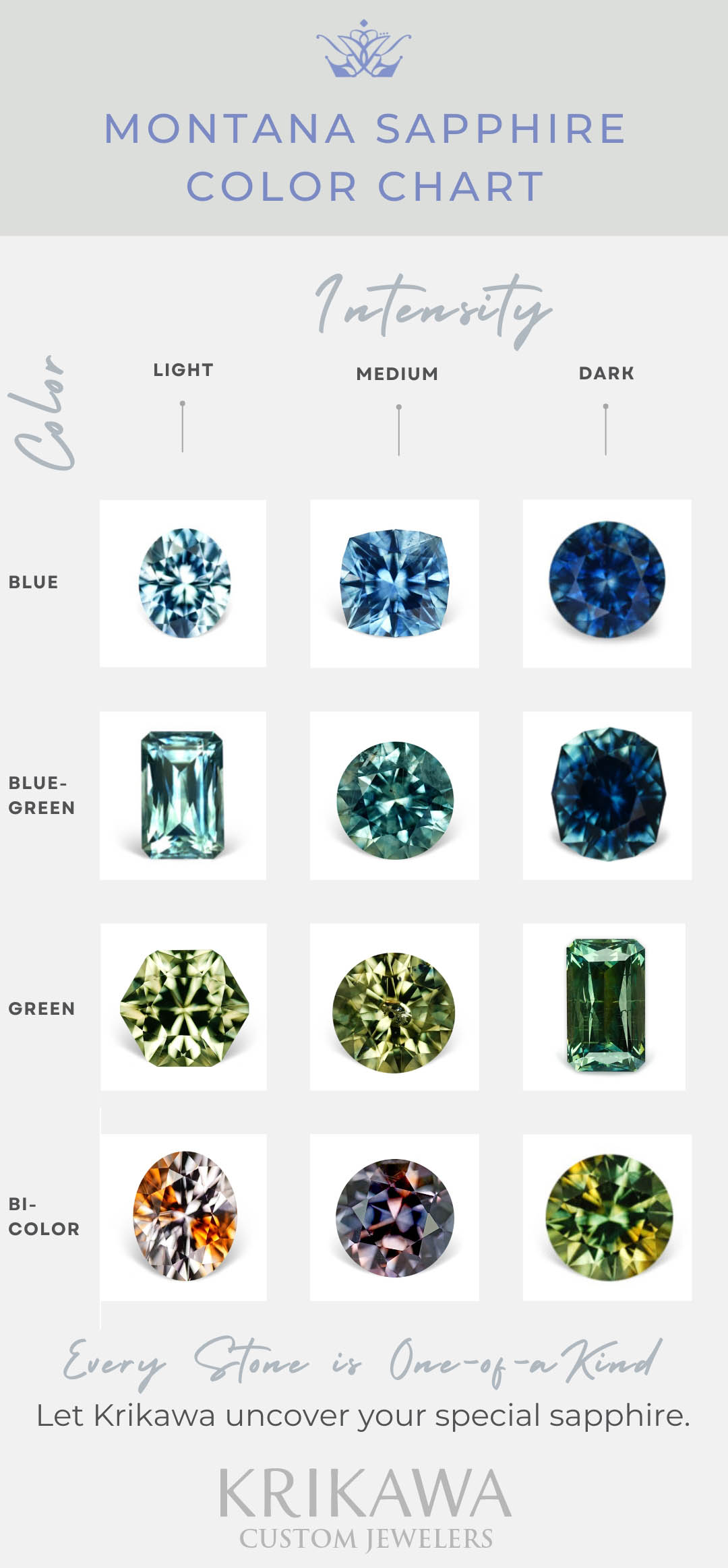
One of the defining characteristics that differentiates a Montana sapphire from its counterparts is the incredible range of hues. While blue is the traditional expectation, these stones are famous for their “parti-colored” nature. It is common to find a single stone that transitions seamlessly from green to teal, yellow, or pink. This color palette is a direct reflection of the mineral composition found in the Rocky Mountains, providing a spectrum that appeals to modern jewelry designers seeking something truly organic and unique.
Exploring the Culture of Gem Mining
Mining for sapphires in Montana is not just an industrial pursuit; it is a fundamental aspect of the state’s tourism and lifestyle. For those visiting the region, the act of “washing” for gems is a quintessential activity that connects tourists to the land.
The Tourist Experience
Many mines have transitioned into commercial operations that welcome the public, allowing visitors to purchase buckets of gravel to sift through in search of their own fortune. This tactile experience, often held against the backdrop of the Big Sky Country, offers a different pace of travel. It is a slow, methodical activity that encourages patience and rewards the sharp-eyed visitor with a souvenir far more personal than any mass-produced trinket from a gift shop.
The Local Lapidary Industry
The local culture is deeply intertwined with the processing of these gems. Cities like Helena and Philipsburg are home to skilled artisans who specialize in cutting and polishing these rough stones. When a traveler finds a stone, they often take it to a local expert who can evaluate the clarity, carat, and cut potential. This support of the local economy ensures that the craft of jewelry making remains a vibrant, community-based trade.
Collecting and Investing in Montana Sapphires
Whether you are a casual traveler or a serious collector, understanding the value of these stones is essential. Because they are finite resources, Montana sapphires have seen an increase in interest among those who value ethically sourced and domestically mined gemstones.
Understanding Quality and Value
When evaluating a stone, experts look for specific criteria:
- Clarity: Unlike many sapphires that contain significant inclusions, high-quality Montana gems are celebrated for their brilliance and transparency.
- Color Saturation: While “Yogo” blue remains the gold standard for value, the market for fancy-colored Montana sapphires—especially the sought-after “teal”—has skyrocketed in the bridal and fashion jewelry sectors.
- Origin Authenticity: Due to the surge in popularity, there are many imitation stones on the market. Genuine Montana sapphires often come with documentation regarding their specific mine of origin, which adds significant value for the collector.
Conservation and Sustainability
Mining in the United States is subject to strict environmental regulations, making Montana sapphires a preferred choice for eco-conscious consumers. Compared to large-scale international mining operations that may have questionable labor practices or significant environmental footprints, purchasing a stone mined from the hills of North America offers a transparent supply chain. Visitors who engage in mining activities are also contributing to the preservation of these historical sites, ensuring that the legacy of the Wild West remains intact for future generations.

Beyond the Gem: A Journey Through the Landscape
While the sapphire is the primary attraction for many, the journey to find them is an invitation to explore the broader wonders of the region. A trip to the Bitterroot Valley or the sprawling areas surrounding Yellowstone National Park is often paired with gem hunting.
The geography of Montana is vast and unforgiving, yet breathtakingly beautiful. When you hold a rough sapphire in your palm, you are holding a piece of the mountain itself—a geological artifact that has survived tectonic shifts, erosion, and the passage of eons. It serves as a reminder that the most rewarding travel experiences are those where we slow down to look closer at the world around us.
Whether you leave with a high-grade blue sapphire set in gold or a handful of small, uncut stones that sparkle with the memory of a summer afternoon in the American West, you are taking home a piece of Montana history. The sapphire is more than just a stone; it is a testament to the enduring allure of discovery that continues to draw explorers to this rugged corner of the world. By choosing these local gems, travelers support a tradition that honors the earth, the artisan, and the spirit of adventure that defines this unique region.
LifeOutOfTheBox is a participant in the Amazon Services LLC Associates Program, an affiliate advertising program designed to provide a means for sites to earn advertising fees by advertising and linking to Amazon.com. Amazon, the Amazon logo, AmazonSupply, and the AmazonSupply logo are trademarks of Amazon.com, Inc. or its affiliates. As an Amazon Associate we earn affiliate commissions from qualifying purchases.