
The introduction of Paid Leave Oregon represents a significant advancement in worker benefits, aiming to provide financial stability for Oregonians during important life events. This program, established through the Oregon Family and Medical Leave Insurance (FAMLI) program, allows eligible employees to take paid time off for specific reasons, fostering a more supportive work environment across the state. Understanding how a Paid Leave Oregon claim works is crucial for both employees seeking to utilize these benefits and employers navigating their responsibilities.
Understanding the Core Benefits of Paid Leave Oregon
Paid Leave Oregon is designed to offer financial support during periods when individuals need to step away from work to care for themselves or loved ones, or to bond with a new child. The program is funded through a combination of employee and employer contributions, creating a self-sustaining insurance pool. The primary benefits fall into three key categories:

Family Leave
This aspect of the program allows employees to take time off to care for a family member with a serious health condition. This can include a child, parent, spouse, domestic partner, or any other individual with whom the employee has a qualifying relationship. The definition of “serious health condition” typically aligns with definitions used by federal programs like the Family and Medical Leave Act (FMLA), encompassing conditions requiring inpatient care or continuing treatment by a healthcare provider.
Medical Leave
Employees can utilize Paid Leave Oregon to address their own serious health condition. This could be an illness, injury, or disability that prevents them from performing their job duties. The program provides a financial safety net, ensuring that individuals can focus on their recovery without the immediate stress of lost income.
Bonding Leave
New parents, whether biological, adoptive, or foster, can take paid leave to bond with a new child. This is a critical period for families, and Paid Leave Oregon recognizes the importance of allowing parents to be present during these formative moments without facing financial hardship. The duration of this leave is typically tied to the birth or placement of a child.
Navigating the Claim Process
Filing a Paid Leave Oregon claim involves a structured process designed to ensure fairness and accuracy. Both employees and employers play distinct roles in this procedure.
Employee Responsibilities
For an employee to initiate a claim, several steps are generally required:
- Eligibility Verification: Employees must first confirm their eligibility. This usually involves having worked a certain number of hours in Oregon during a specified base period. The exact requirements are detailed by the Oregon Department of Consumer and Business Services (DCBS).
- Notification to Employer: Employees are typically required to notify their employer of their intent to take leave. The amount of notice required can vary depending on the reason for leave and whether it is foreseeable. For planned medical procedures or birth, advance notice is usually expected.
- Claim Application: The core of the process involves submitting a formal claim application to the Paid Leave Oregon program. This application will require personal information, details about the reason for leave, and supporting documentation.
- Providing Documentation: Depending on the reason for leave, employees will need to provide supporting documents. For medical leave, this might include a medical certification from a healthcare provider. For bonding leave, proof of birth or placement may be necessary. For family leave, documentation of the family member’s serious health condition and relationship is typically required.
- Waiting Period: While not always mandatory, there might be a waiting period before benefits begin to accrue, similar to many insurance programs.
Employer Responsibilities
Employers have a crucial role in facilitating the Paid Leave Oregon claims process for their employees:
- Contribution Compliance: Employers are responsible for ensuring timely and accurate contributions to the Paid Leave Oregon fund based on employee wages.
- Information Dissemination: Employers should inform their employees about the availability of Paid Leave Oregon benefits and how to access them. This includes providing application forms or directing employees to the official Paid Leave Oregon website.
- Verification and Support: When an employee notifies their employer of an upcoming leave, employers may need to verify certain aspects of the claim, such as employment status and hours worked. They might also be asked to provide information to the program to confirm the employee’s employment.
- Job Protection: In many cases, Paid Leave Oregon runs concurrently with FMLA or other state-specific job protection laws. This means that employers must ensure that employees’ jobs are protected during their paid leave, and they are reinstated to their position or an equivalent one upon their return.
- Record Keeping: Maintaining accurate records related to employee leave and contributions is essential for employers.
The Claim Review and Approval Process
Once an employee submits a claim, the Paid Leave Oregon program, managed by the DCBS, reviews the application and supporting documentation.
Initial Review
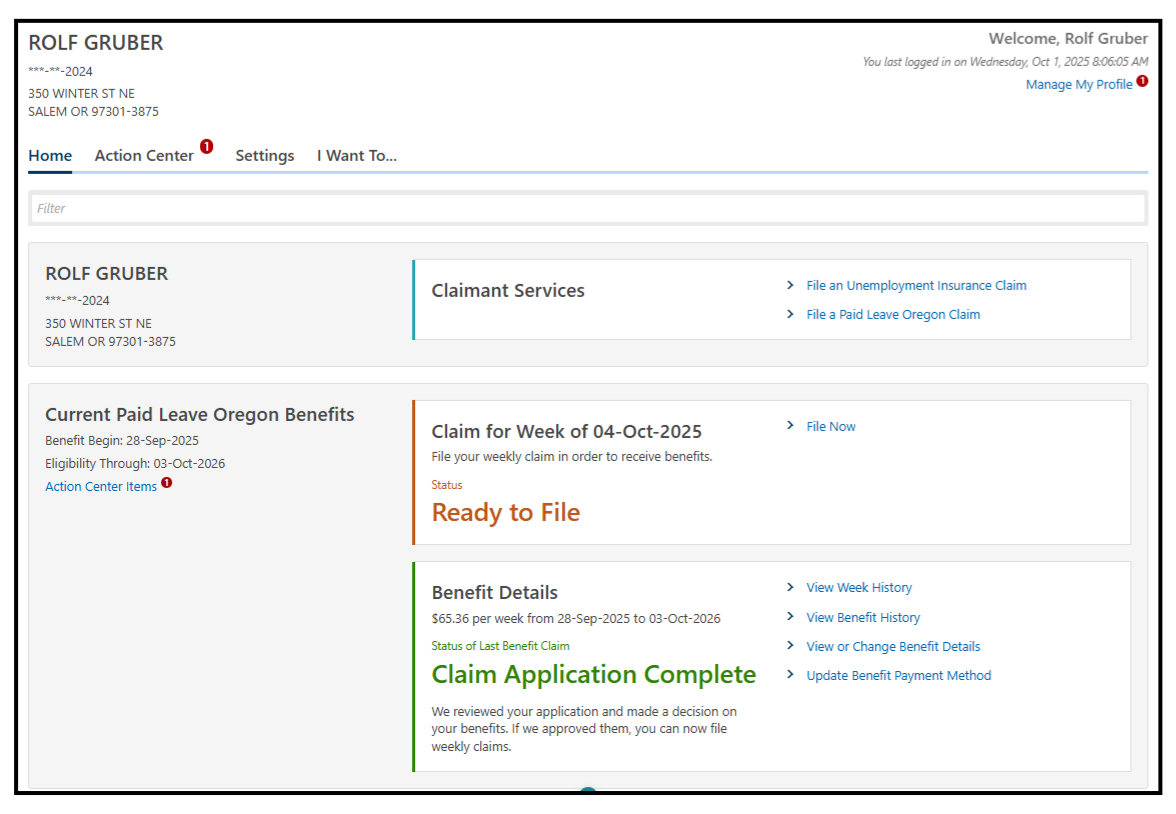
The program administrators will assess the claim for completeness and verify that the employee meets the eligibility criteria. This includes confirming employment history and the reasons provided for the leave.
Documentation Assessment
The submitted documentation is crucial. The program will evaluate medical certifications, proof of relationship, and other supporting evidence to ensure the claim is valid. In cases of ambiguity or missing information, the program may request further details from the employee or their healthcare provider.
Approval or Denial
If the claim meets all the requirements, it will be approved. The employee will then be notified of the approval and the details of their benefits, including the weekly benefit amount and the duration of the paid leave. If a claim is denied, the employee will receive a notification explaining the reasons for the denial and information on how to appeal the decision.
Understanding Benefit Payments
The financial aspect of a Paid Leave Oregon claim is managed through weekly benefit payments.
Calculating Weekly Benefits
The weekly benefit amount is calculated based on the employee’s average weekly wage during their base year. Paid Leave Oregon aims to replace a portion of the employee’s lost wages, with the exact percentage often tiered based on income levels. This structure is designed to provide more substantial support to lower and middle-income workers.
Payment Schedule
Once a claim is approved, payments are typically issued on a regular schedule, often weekly. The funds are usually disbursed directly to the employee via direct deposit or check. The frequency and method of payment are clearly communicated to the claimant.
Duration of Benefits
The maximum duration of paid leave is determined by the reason for the leave and the total contributions made. Generally, Paid Leave Oregon offers a set number of weeks of paid time off per year for eligible reasons. The specific duration can be influenced by the type of leave (family, medical, or bonding) and individual circumstances.
Special Considerations and Recourse
While the Paid Leave Oregon program is designed to be comprehensive, there are specific situations and avenues for recourse that individuals should be aware of.
Appeals Process
If an employee’s claim is denied, they have the right to appeal the decision. The appeal process typically involves submitting a formal appeal within a specified timeframe and providing any additional information or clarification that may support their case. The DCBS outlines the exact procedures for appeals.
Interaction with Other Leave Programs
It’s important to note how Paid Leave Oregon interacts with other leave programs, such as FMLA and employer-provided paid time off policies. In many instances, Paid Leave Oregon can run concurrently with FMLA, meaning that leave taken under Paid Leave Oregon can also count towards FMLA entitlement, and vice-versa. Employers’ paid time off, such as vacation or sick leave, may also be used in conjunction with or alongside Paid Leave Oregon benefits, depending on the employer’s policy and program rules. Understanding these interactions is key to maximizing benefit utilization.

Program Updates and Information
The Paid Leave Oregon program is a relatively new initiative, and as such, its policies and procedures may evolve. It is essential for both employees and employers to stay informed about any updates or changes to the program. The official Paid Leave Oregon website, maintained by the DCBS, is the most reliable source for current information, forms, and claim filing instructions. Consulting with HR departments or program administrators can also provide clarity on specific situations.
By understanding the intricacies of Paid Leave Oregon claims, individuals can better navigate these important life events, ensuring financial security and peace of mind while taking necessary time away from work. The program underscores Oregon’s commitment to supporting its workforce and fostering a more resilient and equitable economic landscape.
LifeOutOfTheBox is a participant in the Amazon Services LLC Associates Program, an affiliate advertising program designed to provide a means for sites to earn advertising fees by advertising and linking to Amazon.com. Amazon, the Amazon logo, AmazonSupply, and the AmazonSupply logo are trademarks of Amazon.com, Inc. or its affiliates. As an Amazon Associate we earn affiliate commissions from qualifying purchases.