
When planning a trip to the Golden State, particularly during its drier months, understanding the nuances of its climate is paramount. Among the many weather phenomena that Californians must contend with, the Red Flag Warning stands out as a critical alert. Issued by the National Weather Service, this warning signifies an elevated risk of wildfire. For travelers and residents alike, knowing what a Red Flag Warning entails is not just about meteorological knowledge; it’s about safety, preparedness, and respecting the delicate balance of California’s natural environment. This article delves into the significance of Red Flag Warnings, their triggers, their impact on travel and outdoor activities, and what individuals should do when one is in effect across California.

Understanding the Triggers and Impact of Red Flag Warnings
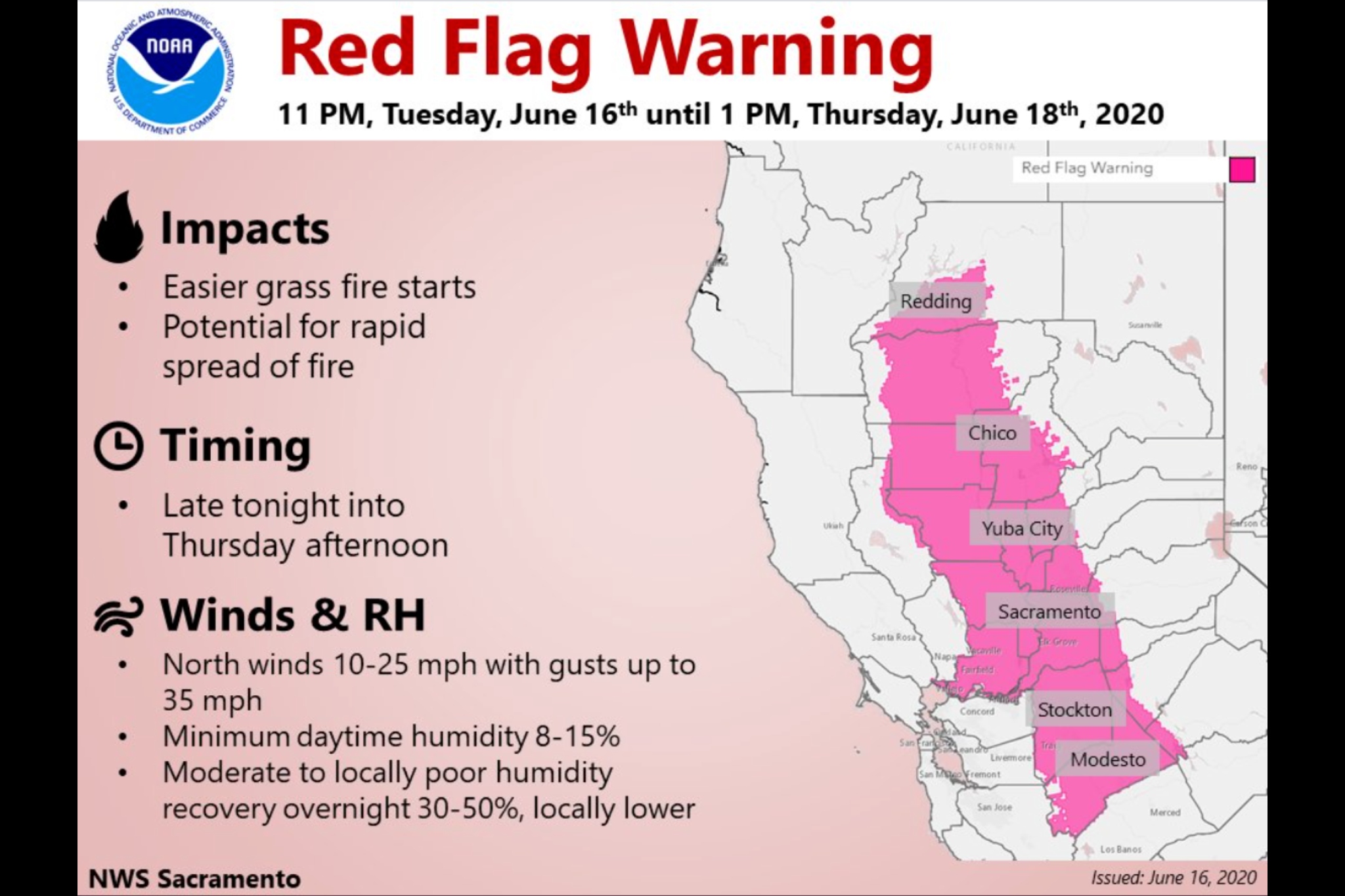
A Red Flag Warning is a specific forecast fire weather warning, indicating that critical fire weather conditions are either occurring or are expected to occur. These conditions are typically a combination of strong winds, low humidity, high temperatures, and dry vegetation. In California, the conditions that lead to a Red Flag Warning are often exacerbated by the state’s Mediterranean climate, characterized by hot, dry summers and mild, wet winters. This natural cycle creates periods of significant fuel dryness, making the landscape highly susceptible to ignition and rapid fire spread.
Key Factors Leading to a Warning
The National Weather Service, in conjunction with local fire agencies, monitors several key meteorological factors to determine when to issue a Red Flag Warning. These include:
- Low Humidity: When relative humidity drops significantly, typically below 15%, vegetation dries out and becomes more flammable. Prolonged periods of dry weather can lower humidity levels dramatically.
- Strong Winds: High winds can fan existing flames, spread embers far ahead of the main fire front, and significantly increase the speed and intensity of fire growth. Wind gusts of 25 mph or higher are often a significant factor.
- High Temperatures: Elevated temperatures contribute to the drying of fuels and can create a more volatile environment for fire ignition and spread.
- Dry Fuels: The availability and dryness of vegetation (grass, brush, trees) are crucial. After periods of drought or in naturally arid regions, fuels become exceptionally combustible. The “10-hour,” “100-hour,” and “1000-hour” fuel moistures are often referenced, indicating how quickly different sizes of dead vegetation will respond to changes in humidity.
Geographic Areas and Seasonal Occurrence
Red Flag Warnings are most commonly issued in Southern California and in the mountainous and coastal regions of Northern California. However, any area within the state with sufficient dry vegetation and conducive weather patterns can be affected. The traditional wildfire season in California generally runs from late spring through fall, peaking during the hottest and driest months. However, with changing climate patterns, the season can sometimes extend or become more unpredictable.
Red Flag Warnings and Your California Travel Plans
For travelers planning a visit to destinations like Los Angeles, San Francisco, or exploring national parks such as Yosemite or Joshua Tree National Park, understanding Red Flag Warnings is crucial for ensuring a safe and enjoyable trip. These warnings can directly impact a wide range of activities and access to certain areas.
Impact on Outdoor Activities and Access
When a Red Flag Warning is in effect, certain activities are often restricted or prohibited to minimize the risk of starting a wildfire. These can include:
- Campfire Restrictions: Campfires are almost always banned during Red Flag Warnings, even in designated campgrounds. This is a critical safety measure as an unattended ember can quickly escalate into a major blaze.
- Banning of Open Flame: Beyond campfires, other open flames such as charcoal grills, portable stoves, and even fireworks may be restricted or prohibited in certain areas.
- Vehicle Use Restrictions: In some fire-prone areas, driving off established roads and onto dry grass or brush may be prohibited to prevent sparks from hot exhaust systems.
- Park Closures: In severe cases, state and national parks may implement temporary closures of certain areas or even the entire park to prevent public access and reduce the risk of human-caused ignitions. This can affect popular attractions and hiking trails.
- Air Quality Concerns: Wildfires, even those not directly impacting a traveler’s location, can produce significant smoke. This can lead to poor air quality, affecting outdoor activities, visibility, and potentially causing respiratory issues for sensitive individuals. Travelers should monitor air quality advisories.
Essential Preparedness for Travelers

Being prepared is key when traveling to or within California during wildfire season, especially when a Red Flag Warning is issued.
- Stay Informed: Before and during your trip, actively monitor local news, official government websites (like the California Department of Forestry and Fire Protection or Cal Fire and the National Weather Service) for any Red Flag Warnings or other fire-related alerts.
- Heed All Restrictions: It cannot be stressed enough: strictly adhere to all posted restrictions and local ordinances. These are in place for a reason and are designed to protect lives and property.
- Fire Safety Practices: Even in non-warning conditions, practice extreme fire safety. Ensure any campfires are fully extinguished, never leave vehicles idling on dry grass, and dispose of smoking materials properly and safely.
- Emergency Preparedness Kit: Consider having a basic emergency kit in your vehicle, especially if traveling through remote areas. This could include water, non-perishable food, a first-aid kit, a flashlight, and a portable charger for your phone.
- Alternative Activities: If outdoor activities are restricted, have alternative indoor plans or consider visiting areas less likely to be affected by fire warnings, such as museums,[^1] indoor attractions, or coastal areas that may have different microclimates.
Safety and Responsibility During a Red Flag Warning
The issuance of a Red Flag Warning is a serious matter that necessitates a heightened sense of awareness and responsibility from everyone within the affected area. For the millions of visitors and residents in California, understanding and respecting these warnings is a collective effort in safeguarding the state’s precious natural landscapes and communities.
Individual Actions to Prevent Wildfires
Human activities are a significant cause of wildfires in California. During a Red Flag Warning, the potential for an accidental spark to ignite a devastating fire is dramatically increased. Therefore, extreme caution is warranted.
- No Open Flames: This is the most critical rule. No campfires, no fireworks, and careful use of any permitted outdoor cooking equipment. Many areas will have an outright ban on any sparks or flames.
- Vehicle Safety: Ensure vehicles are in good working order. Sparks from catalytic converters are a known ignition source. Avoid parking on dry grass and be mindful of dragging chains or other metal parts.
- Equipment Use: If using machinery that can produce sparks (like lawnmowers or chainsaws), postpone such activities until the warning is lifted.
- Discarded Cigarettes: Never discard cigarette butts on the ground, especially in dry, vegetated areas. Ensure they are fully extinguished and disposed of in a proper receptacle.
- Report Suspicious Activity: If you witness any activity that could potentially start a fire, report it immediately to the authorities.
Understanding Evacuation Orders and Procedures
While a Red Flag Warning itself does not trigger an evacuation order, it significantly raises the probability of a wildfire that could lead to evacuations. It is essential for travelers to be aware of evacuation protocols in the areas they are visiting.
- Know Your Evacuation Routes: Many communities in California have designated evacuation routes. Familiarize yourself with these in advance. Inquire at your hotel or local visitor center if unsure.
- Listen to Authorities: If an evacuation order is issued, it is a mandatory directive for your safety. Do not delay. Follow the instructions of law enforcement and fire officials precisely.
- “Go Bags”: For those staying in fire-prone areas for extended periods or who live there, having a pre-packed “go bag” with essential items (medications, important documents, clothing, water) can expedite your departure if an evacuation becomes necessary.
- Communication: Have a plan for how you will communicate with family or travel companions if you become separated during an emergency. Cell service can be unreliable during widespread emergencies.
The Role of Technology and Agencies
California has sophisticated systems in place to monitor and combat wildfires. Understanding these can provide peace of mind and reinforce the importance of official advisories.
- Cal Fire and US Forest Service: These agencies are on the front lines of wildfire prevention and suppression. Their websites and social media channels are vital sources of real-time information.
- Alert Systems: California utilizes various alert systems, including Wireless Emergency Alerts (WEA) and local emergency notification systems, to disseminate critical information, including evacuation orders. Ensure your mobile phone is set to receive these alerts.
- Air Quality Monitoring: Websites like AirNow.gov provide real-time air quality data, which is crucial for understanding the impact of smoke from distant fires.
By understanding what a Red Flag Warning signifies and taking proactive steps to ensure safety and prevent ignitions, travelers can navigate California’s stunning, yet sometimes volatile, landscapes with confidence and respect. The beauty of the Golden State is best enjoyed when experienced responsibly, with a keen awareness of its environmental conditions.
[^1]: This is a placeholder for a potential link to a relevant article on lifeoutofthebox.com about museums in California, if such an article existed. LifeOutOfTheBox is a participant in the Amazon Services LLC Associates Program, an affiliate advertising program designed to provide a means for sites to earn advertising fees by advertising and linking to Amazon.com. Amazon, the Amazon logo, AmazonSupply, and the AmazonSupply logo are trademarks of Amazon.com, Inc. or its affiliates. As an Amazon Associate we earn affiliate commissions from qualifying purchases.