
In the quest for holistic wellness and unique travel experiences, the concept of a salt spa has emerged as a beacon of tranquility and therapeutic benefits. Far more than just a place to relax, a salt spa, often centered around the practice of halotherapy, offers a profound connection to ancient natural remedies, leveraging the power of salt to rejuvenate the body and mind. It’s an increasingly popular attraction for those seeking an escape from the daily grind, offering everything from respiratory relief to skin revitalization in an atmosphere designed for ultimate serenity.
The allure of a salt spa lies in its simplicity and its deep roots in historical practices. For centuries, people have intuitively understood the healing properties of salt-rich environments, from the therapeutic waters of the Dead Sea to the natural salt caves of Eastern Europe. Today, this wisdom is channeled into meticulously designed spaces, offering a controlled environment where the benefits of salt can be harnessed effectively. Whether you’re a seasoned wellness traveler or simply curious about new ways to unwind, understanding what a salt spa entails can open up a new dimension of relaxation and health-conscious exploration for your next getaway.
The Essence of Halotherapy: A Breath of Fresh Air
At the heart of every salt spa experience is halotherapy, a natural and drug-free treatment that involves inhaling microscopic salt particles. The term “halo” comes from the Greek word for salt, underscoring its fundamental role. This isn’t just about being in a room with salt décor; it’s about the active dispersion of pharmaceutical-grade dry sodium chloride into the air, creating a microclimate akin to a natural salt cave.
Understanding the Science Behind Salt Therapy
The scientific principles underpinning halotherapy are surprisingly straightforward yet profoundly effective. When you enter a salt spa environment, a special device called a halogenerator grinds pure sodium chloride into tiny particles, typically less than 5 microns in size. These minuscule particles are then diffused into the air, creating a fine, invisible mist. As you breathe, these particles travel deep into your respiratory system, reaching even the smallest airways.
Once inhaled, the salt particles work their magic in several ways. Salt is naturally antibacterial, anti-inflammatory, and hydrophilic (meaning it attracts water). In the lungs and airways, the dry salt acts as an expectorant, helping to thin mucus and make it easier to expel. It also helps to reduce inflammation in the respiratory tract, opening up airways and making breathing easier. For skin conditions, when these salt particles land on the skin, they absorb impurities, balance pH levels, and promote healthy cell regeneration, offering a natural exfoliation and purification. This dual action on both internal and external body systems is what makes halotherapy a comprehensive wellness treatment.
A Glimpse into the Origins: From Ancient Caves to Modern Spas
The origins of halotherapy can be traced back to the salt mines of Eastern Europe. In the mid-19th century, a Polish physician named Dr. Feliks Boczkowski observed that salt mine workers rarely suffered from respiratory ailments, unlike their counterparts in other mining industries. He attributed this unusual health to the constant exposure to the salty air within the Wieliczka Salt Mine near Kraków, Poland. This observation led to the establishment of the first therapeutic salt sanatorium within the mine itself.
Over the decades, the practice evolved. While natural salt caves and mines remain popular destinations, the advent of modern technology allowed for the creation of artificial salt environments – the salt rooms and caves we see in contemporary spas. This innovation made halotherapy accessible to a much broader audience, transforming it from a niche European treatment into a global wellness trend. Today, you can find sophisticated salt spas in bustling metropolises like New York City and London, as well as serene resorts across Asia and the Middle East, seamlessly integrating ancient wisdom with modern comforts.
Benefits Beyond Relaxation: Health and Wellness Advantages
While the immediate sensation of a salt spa is one of profound relaxation, the benefits extend far beyond simply unwinding. Halotherapy is celebrated for its wide array of potential health advantages, impacting both physical and mental well-being, making it a holistic treatment sought after by those prioritizing their health.
Respiratory Relief and Lung Health
One of the most well-documented benefits of halotherapy is its positive impact on the respiratory system. The micro-salt particles work to cleanse and detoxify the lungs and airways. This makes it particularly beneficial for individuals suffering from various respiratory conditions, including:
- Asthma: By reducing inflammation and thinning mucus, salt therapy can help alleviate symptoms and improve breathing.
- Bronchitis: It aids in clearing bronchial passages, easing congestion and coughs.
- Cystic Fibrosis: While not a cure, halotherapy can provide symptomatic relief by helping to loosen thick mucus.
- Allergies: It can soothe irritated airways and reduce allergic responses by cleansing irritants.
- Sinusitis and Rhinitis: The salt particles help to clear nasal passages and reduce inflammation in the sinuses.
- Common Cold and Flu: Regular sessions can help shorten the duration and severity of cold and flu symptoms by promoting nasal and bronchial clearance.
Many users report experiencing clearer airways, fewer nighttime coughs, and an overall improvement in lung function after regular sessions. This makes salt spas a popular choice for urban dwellers exposed to pollution or anyone looking to support their lung health proactively.
Skin Rejuvenation and Dermatological Benefits
Beyond the respiratory system, the skin is another major beneficiary of halotherapy. When exposed to the fine salt particles, the skin undergoes a natural purification process. The salt acts as a gentle exfoliant, removing dead skin cells and promoting healthy cell turnover. Its antibacterial properties can help cleanse the skin of bacteria and other impurities, while its anti-inflammatory effects can calm irritated skin. This makes salt therapy particularly effective for conditions such as:
- Eczema: It can reduce itching and inflammation, promoting healing.
- Psoriasis: The salt helps to reduce scaling and redness.
- Acne: Its antibacterial action helps to combat acne-causing bacteria and reduce breakouts.
- Dermatitis: It soothes irritated skin and aids in repair.
Many people also find that regular salt spa visits leave their skin feeling softer, smoother, and more radiant, contributing to a healthy glow.
Stress Reduction and Mental Well-being
The serene environment of a salt spa naturally lends itself to mental relaxation and stress reduction. The soft lighting, comfortable seating, and quiet atmosphere encourage mindfulness and deep breathing. The negative ions released by salt are also believed to have a positive effect on mood, similar to the feeling one gets near a waterfall or by the ocean. This can help to:
- Reduce Stress and Anxiety: The calming environment promotes a sense of peace, lowering cortisol levels.
- Improve Sleep Quality: Relaxation induced by the therapy can lead to more restful sleep.
- Boost Mood: The subtle sensory experience can uplift spirits and reduce feelings of lethargy.
- Enhance Focus: By quietening the mind, salt therapy can help improve concentration and mental clarity.

Combining the physical benefits with this profound mental tranquility makes a salt spa visit a truly holistic experience, addressing the interconnectedness of body and mind.
Types of Salt Spa Experiences: Finding Your Serene Escape
Salt spas come in various forms, each offering a distinct atmosphere and experience, catering to different preferences and levels of comfort. Understanding these variations can help you choose the perfect salt-infused retreat for your next travel adventure or local wellness day.
Dedicated Salt Rooms and Salt Caves
The most common form of a modern salt spa is the dedicated salt room or salt cave. These are meticulously designed spaces engineered to replicate the microclimate of a natural salt mine.
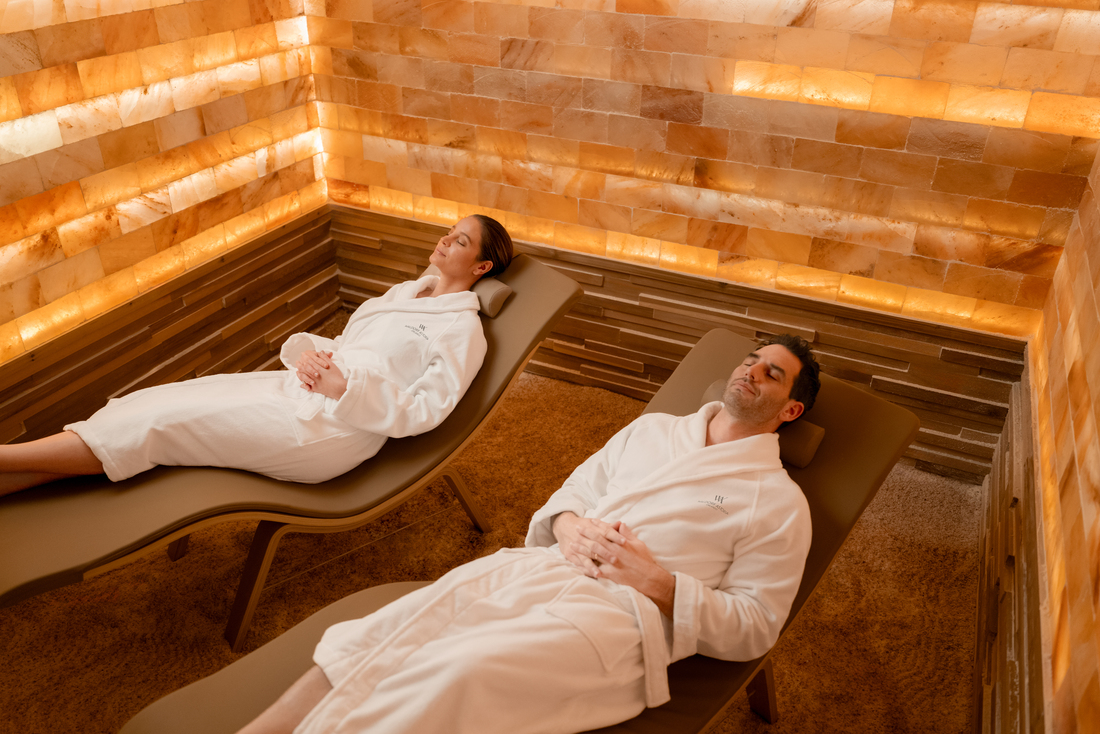
- Salt Rooms: Typically feature walls and floors adorned with various forms of salt – from Himalayan pink salt bricks to granular white salt. They are equipped with halogenerators that disperse fine salt particles into the air. The ambiance is usually tranquil, with soft lighting, comfortable seating (often lounge chairs), and calming music. Sessions usually last between 45 to 60 minutes, during which guests simply relax, breathe deeply, and allow the salt to work its magic.
- Salt Caves: These often aim for a more immersive and authentic experience, sometimes featuring more elaborate salt formations, stalactites, and dim, cave-like lighting. Some establishments even recreate the natural temperature and humidity conditions found in actual salt mines. While aesthetically more dramatic, the core therapeutic mechanism (halogenerator-delivered dry salt aerosol) remains the same as in a salt room.
These environments are perfect for individuals looking for a concentrated halotherapy session, often found in wellness centers, day spas, or dedicated salt therapy clinics. Many luxury hotels and resorts worldwide now incorporate these sophisticated salt rooms into their spa facilities, offering guests a unique amenity.
Himalayan Salt Walls and Lamps
Beyond the immersive rooms, the aesthetic and ambient benefits of salt are also incorporated into spa and home environments through Himalayan salt walls and lamps.
- Himalayan Salt Walls: These are decorative features in many spas, yoga studios, and even private residences. Constructed from large, glowing blocks of pink Himalayan salt, they emit a warm, inviting light. While they don’t provide the same concentrated halotherapy as a dedicated salt room (as they don’t use a halogenerator), they are believed to release negative ions into the air, which can help purify the immediate environment and promote a sense of calm and well-being. They contribute to a beautiful and serene ambiance, enhancing the overall spa experience.
- Himalayan Salt Lamps: Smaller versions of the salt wall concept, these lamps are popular for home use. They are thought to purify the air by attracting water molecules and trapping pollutants, and to emit beneficial negative ions. While their direct therapeutic impact is less scientifically proven than halotherapy in a controlled environment, their soft, warm glow undeniably creates a peaceful and soothing atmosphere, making them a popular lifestyle item for relaxation.
Salt Scrubs and Baths
The external application of salt for therapeutic purposes is also a staple in many spas, even those without dedicated halotherapy rooms.
- Salt Scrubs: These treatments involve exfoliating the skin with a mixture of fine-grained salt (such as sea salt or Epsom salt) combined with essential oils and sometimes other nourishing ingredients. The abrasive texture of the salt helps to remove dead skin cells, improve circulation, and leave the skin feeling incredibly smooth and revitalized. The minerals in the salt are also absorbed by the skin, providing additional benefits.
- Salt Baths: Immersing oneself in salt-infused water, whether at a spa or in a home bathtub, is a time-honored tradition for relaxation and detoxification. Dead Sea salt and Epsom salts are particularly popular for baths due to their high mineral content. Salt baths can help ease muscle aches, reduce inflammation, draw out toxins, and soften the skin. They are a wonderful way to relax the body and mind, making them a perfect addition to any wellness routine or spa day.
These various applications mean that even if a full halotherapy room isn’t available, you can still enjoy the numerous benefits of salt therapy in different forms, enhancing your overall spa and wellness journey.
Planning Your Salt Spa Getaway: Tips for Travelers
Incorporating a salt spa experience into your travel itinerary can elevate your trip from a simple vacation to a profound wellness journey. Whether you’re seeking a dedicated wellness retreat or simply a refreshing break during a city tour, here’s how to plan your salt spa getaway.
Choosing Your Destination: Where to Find Salt Spas
Salt spas are becoming increasingly prevalent globally, often found in diverse settings, from bustling urban centers to tranquil natural landscapes.
- European Charm: The historical roots of halotherapy mean that Europe is replete with fantastic salt spa options. The Wieliczka Salt Mine in Poland remains an iconic destination, offering an authentic underground experience. Other natural salt caves can be found in Germany (like the Berchtesgaden Salt Mine), Austria, and Romania (such as Salina Turda), often integrated into wellness centers or as standalone tourist attractions. Major cities like Berlin, Budapest, and Prague also boast numerous modern salt rooms within their day spas and luxury hotels.
- North American Wellness: In the United States and Canada, salt spas are a rapidly growing trend, with dedicated halotherapy centers emerging in almost every major city, from New York City and Los Angeles to Toronto and Vancouver. Many high-end wellness resorts, like Miraval Arizona or Canyon Ranch, have incorporated salt rooms as part of their extensive spa offerings.
- Asian Retreats: Asia offers a blend of traditional healing practices with modern spa innovations. Destinations like Thailand, Bali in Indonesia, and the Maldives feature breathtaking luxury resorts that often include state-of-the-art salt rooms, sometimes even built with views of the ocean or lush landscapes. Singapore and Dubai are also hubs for sophisticated urban spas incorporating halotherapy.
When selecting a destination, consider whether you prefer a natural cave experience, a high-tech modern salt room, or a resort that combines halotherapy with other wellness treatments.
Integrating Salt Spas into Your Trip
A salt spa experience can be a standalone wellness day or seamlessly integrated into a broader travel itinerary.
- Wellness-Focused Trips: For those planning a trip primarily focused on health and rejuvenation, consider booking a stay at a wellness resort that offers extensive spa facilities, including halotherapy. These resorts often provide multi-day packages that combine salt therapy with yoga, meditation, healthy cuisine, and other holistic treatments.
- City Breaks and Cultural Tours: Even during a busy city break exploring landmarks and local culture, a salt spa session can offer a much-needed respite. Look for day spas in major cities; a 45-minute session can re-energize you for more sightseeing. It’s a perfect way to de-stress after a long day of walking or before a big evening out.
- Family Travel: Some salt spas offer family-friendly sessions or dedicated children’s salt rooms, making it a unique and healthy activity for all ages. It can be a great way to help children with respiratory issues or simply introduce them to a relaxing, healthy activity. Always check with the spa about their policies regarding children.

What to Expect and How to Prepare
Preparing for your salt spa visit is straightforward, ensuring you maximize its benefits.
- What to Wear: Typically, you’ll want to wear comfortable, loose-fitting clothing. The salt is dry and won’t stain, but you’ll want to be at ease for the duration of the session. Some spas may provide robes or blankets.
- During the Session: Most salt spa rooms are designed for quiet relaxation. Expect to sit or recline in a comfortable chair, breathing normally. You can read, meditate, or simply close your eyes and relax.
- Etiquette: Silence is often encouraged to maintain a peaceful environment for all guests. Phones are usually not permitted or should be on silent.
- Hydration: It’s always a good idea to stay hydrated, especially after a halotherapy session.
- Duration and Frequency: A typical session lasts between 45 to 60 minutes. For chronic conditions, a series of regular sessions (e.g., 10-15 sessions over a few weeks) is often recommended for optimal results, but even a single session can provide noticeable relief and relaxation. Discuss your specific needs with the spa staff.
- Contraindications: While generally safe, halotherapy is not recommended for individuals with severe hypertension, active tuberculosis, acute stages of respiratory diseases, or active cancer. Always consult with your doctor if you have any serious health concerns before trying halotherapy.
Embracing the salt spa experience is more than just a trend; it’s a testament to the enduring power of natural remedies in our modern world. Whether you’re drawn by the promise of clearer breathing, healthier skin, or simply a deep sense of calm, a salt spa offers a unique and enriching addition to any wellness-focused lifestyle or travel experience. It’s an invitation to pause, breathe, and reconnect with your inner balance, one salty breath at a time.
LifeOutOfTheBox is a participant in the Amazon Services LLC Associates Program, an affiliate advertising program designed to provide a means for sites to earn advertising fees by advertising and linking to Amazon.com. Amazon, the Amazon logo, AmazonSupply, and the AmazonSupply logo are trademarks of Amazon.com, Inc. or its affiliates. As an Amazon Associate we earn affiliate commissions from qualifying purchases.