
The term “Sooner” is intrinsically linked to the state of Oklahoma. It’s a moniker that whispers tales of bold ambition, of swift action, and of a pioneering spirit that shaped the very fabric of this American heartland state. But what does it truly mean to be a “Sooner”? And how did this distinctive name become synonymous with Oklahoma? Delving into the history and culture of Oklahoma reveals a rich narrative woven with threads of land rushes, enduring resilience, and a unique identity that resonates far beyond its borders. This exploration will unpack the origins of the term, its historical significance, and its modern-day manifestations, offering a comprehensive understanding for travelers, culture enthusiasts, and anyone curious about the soul of Oklahoma.
The Echoes of the Land Rush: Birth of the Sooners
The genesis of the “Sooner” identity is deeply rooted in a pivotal moment in Oklahoma’s history: the Land Run of 1889. This event, a dramatic and unprecedented distribution of federal land, set the stage for the creation of the state and etched the “Sooner” moniker into its collective consciousness. Prior to 1889, much of what is now Oklahoma was designated as the Indian Territory, home to various Native American tribes who had been forcibly relocated from their ancestral lands. The Unassigned Lands, a significant tract within this territory, remained unclaimed by any specific tribe and became a focal point of intense interest.
The Land Run of 1889: A Frenzied Beginning
In an effort to open these lands for settlement, the U.S. government declared that a portion of the Unassigned Lands would be available for homesteading. The official opening date was set for April 22, 1889, at noon. A signal, typically a gunshot, would mark the moment when prospective settlers, known as “Boomers” for their boisterous anticipation, could legally stake their claims. However, the allure of fertile land and the promise of a fresh start proved too potent for some.
A segment of the eager settlers, unwilling to wait for the official start, crossed into the Unassigned Lands before the designated time. These individuals, who illegally “jumped the gun” and staked their claims prematurely, became known as “Sooners.” While initially considered lawbreakers by some, their actions inadvertently highlighted the immense desire to settle and develop the territory. The term, born out of this act of haste and defiance, soon evolved from a descriptor of an illegal act to a badge of honor, representing initiative and a proactive spirit.
The Boomers vs. The Sooners: A Defining Conflict
The distinction between “Boomers” and “Sooners” was more than just a matter of timing; it represented a fundamental difference in approach. The “Boomers,” led by figures like Charles Curtis, were organized lobbyists who advocated for the opening of the lands through legal channels. They believed in adherence to the law and orderly settlement. The “Sooners,” on the other hand, embodied a more impetuous and perhaps even more determined approach. They saw the opportunity and seized it, regardless of the immediate legal implications.
Over time, the narrative surrounding the Land Run began to shift. The “Sooner” spirit of seizing opportunity and forging ahead, even in the face of established rules, started to be viewed with a degree of admiration. The pioneers who were “sooners” were often those who were willing to take risks, to be bold, and to get a head start in building their lives in a new frontier. This underlying characteristic became a celebrated aspect of the Oklahoma identity.
Sooner Spirit: Beyond the Land Rush
The legacy of the “Sooner” extends far beyond the historical context of the Land Run. It has permeated Oklahoma‘s culture, influencing its identity, its people, and even its most recognizable symbols. The spirit of being a “Sooner” has evolved into a broader concept encompassing ambition, resilience, and a distinctive sense of place.

Oklahoma‘s Identity and the “Sooner” Moniker
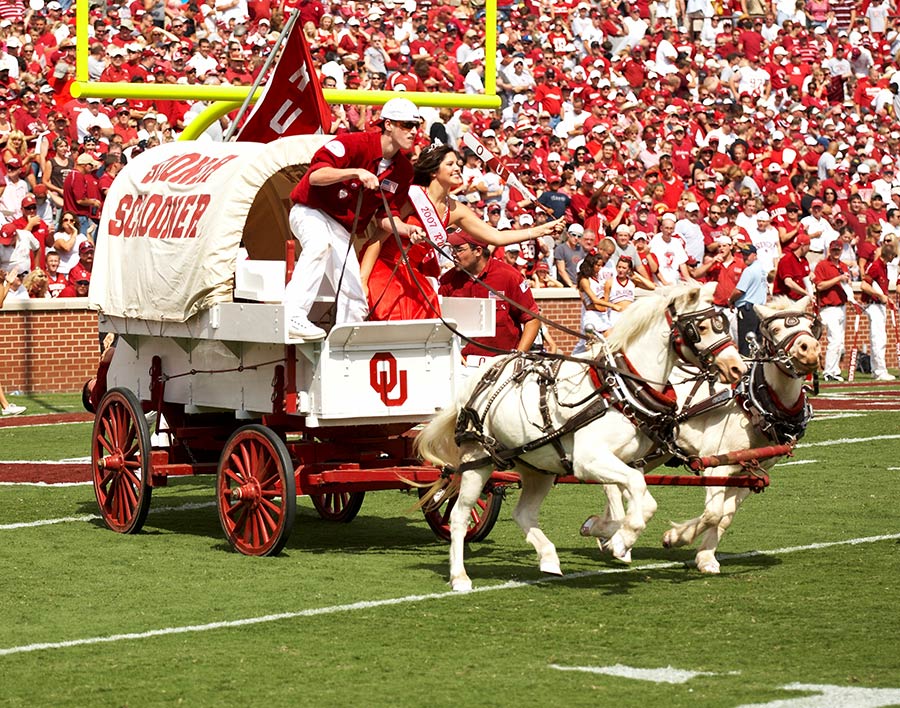
The term “Sooner” officially became intertwined with the state’s identity when the University of Oklahoma adopted “Sooners” as the nickname for its athletic teams in the early 20th century. This was a deliberate choice, reflecting the university’s desire to embrace the pioneering spirit and the unique heritage of the state. The iconic “Boomer Sooner” chant, a staple at University of Oklahoma sporting events, encapsulates this dual heritage, acknowledging both the initial push to settle the land and the determined spirit that followed.
The “Sooner State” is now a widely recognized nickname for Oklahoma, a testament to the enduring influence of this historical term. It signifies a state that was settled rapidly, by people eager to make their mark. This sense of urgency and initiative has been attributed to the character of Oklahoma‘s residents, fostering a reputation for hard work, independence, and a can-do attitude.
Modern Interpretations: Travel, Tourism, and Lifestyle
For visitors to Oklahoma, understanding the “Sooner” spirit can enrich their travel experience. It provides a lens through which to view the state’s attractions, its local culture, and the narratives of its people.
Exploring Oklahoma‘s Attractions: A Sooner’s Approach
When planning a trip to Oklahoma, embracing the “Sooner” spirit can mean venturing off the beaten path and discovering the state’s hidden gems. Beyond the well-known landmarks, there are countless experiences that reflect the ingenuity and resilience of its inhabitants.
- Landmarks: From the imposing Oklahoma City National Memorial & Museum, a poignant reminder of the 1995 Oklahoma City bombing, to the natural beauty of the Wichita Mountains National Wildlife Refuge, Oklahoma‘s landmarks tell stories of both tragedy and triumph, of natural wonders and human endeavor. The historical significance of places like the Woolaroc Museum & Wildlife Preserve near Bartlesville further underscores the state’s rich past.
- Attractions and Experiences: Travelers can immerse themselves in the vibrant local culture by visiting Oklahoma City‘s Bricktown Entertainment District, exploring the historic Blue Whale of Catoosa, or experiencing the charm of small towns like Tulsa‘s Philbrook Museum of Art. The Pioneer Woman Mercantile in Pawhuska offers a taste of modern ranch life and a nod to the enduring spirit of the prairie.
- Local Culture and Food: The culinary scene in Oklahoma is a delicious reflection of its diverse history, with influences from Native American, Southern, and Western traditions. From classic barbecue and chicken-fried steak to Native American frybread and innovative farm-to-table restaurants, a “Sooner” approach to food involves savoring the authentic flavors of the region. Exploring local diners and markets is a great way to connect with the community.

Accommodation and Lifestyle: A Sooner’s Stay
Whether seeking luxury or a budget-friendly adventure, Oklahoma offers a range of accommodation options that cater to every traveler. The “Sooner” spirit can also influence the choice of lodging and the overall travel lifestyle.
- Hotels and Resorts: From upscale hotels in Oklahoma City and Tulsa, such as the Ambassador Hotel Oklahoma City, Autograph Collection, to charming bed and breakfasts and rustic cabins, travelers can find a perfect base. For those seeking a more immersive experience, exploring resorts that highlight Oklahoma‘s natural beauty or historical significance can be particularly rewarding.
- Apartments and Long-term Stays: For extended visits, Oklahoma provides numerous apartment rental options, allowing visitors to truly live like a local. This approach aligns with the “Sooner” spirit of settling in and making the most of a place.
- Budget and Luxury Travel: The “Sooner” ethos isn’t confined to one end of the economic spectrum. Budget travelers can discover the state’s treasures through affordable motels, camping, and exploring free attractions like the Tallgrass Prairie Preserve. Conversely, luxury travelers can indulge in fine dining, upscale hotels, and exclusive experiences that showcase the refined side of Oklahoma. Family trips can be enhanced by visiting attractions like the Oklahoma City Zoo or the Discoveryland! Children’s Museum.
The term “Sooner Oklahoma” is therefore not just a historical footnote; it’s a living, breathing aspect of the state’s identity. It speaks to a legacy of ambition, courage, and a pioneering drive that continues to shape Oklahoma today. For anyone visiting or curious about this captivating corner of the American landscape, understanding the “Sooner” is key to unlocking the true spirit of Oklahoma. It’s an invitation to be bold, to explore with enthusiasm, and to embrace the unique journey that this remarkable state offers.
LifeOutOfTheBox is a participant in the Amazon Services LLC Associates Program, an affiliate advertising program designed to provide a means for sites to earn advertising fees by advertising and linking to Amazon.com. Amazon, the Amazon logo, AmazonSupply, and the AmazonSupply logo are trademarks of Amazon.com, Inc. or its affiliates. As an Amazon Associate we earn affiliate commissions from qualifying purchases.