
Securing a long-term stay or purchasing a permanent residence in Florida involves navigating various legal documents and processes. Among the most critical instruments in this journey is the warranty deed. For anyone looking to invest in property, whether for a vacation home, a rental income opportunity, or a primary residence, understanding what a warranty deed entails is paramount to ensuring secure accommodation and protecting one’s investment. This document stands as a cornerstone in property transactions, offering the highest level of protection to the buyer regarding the property’s title.
Understanding the Foundation of Property Ownership in Florida
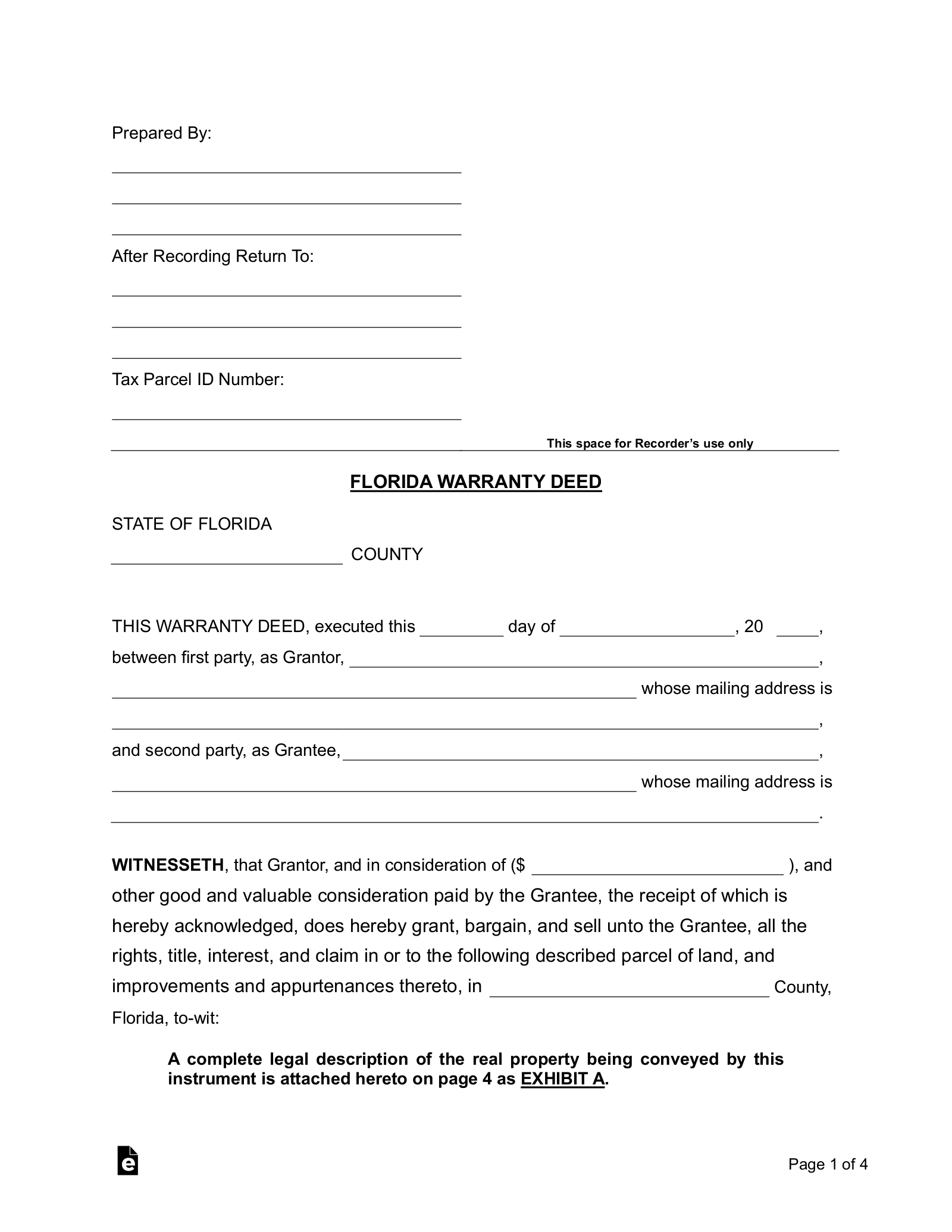
A warranty deed in Florida is a legal document used to transfer ownership of real estate from one party (the grantor, or seller) to another (the grantee, or buyer). What sets it apart from other types of deeds is the comprehensive set of guarantees, or “warranties,” the grantor provides to the grantee. These guarantees essentially assure the buyer that the seller owns the property, has the right to sell it, and will defend the buyer against any future claims to the property’s title. For those establishing long-term accommodation, this assurance is invaluable, offering peace of mind that their new home or investment property is truly theirs, free from hidden complications.
Differentiating Deed Types for Secure Accommodation
While a warranty deed offers maximum protection, it’s helpful to briefly understand why it’s preferred over other deeds in many property transactions, particularly when securing a significant accommodation investment:
- Quitclaim Deed: This deed transfers whatever interest the grantor has in the property, without any warranties regarding the title’s validity. It’s often used between family members or in situations like divorces, not typically for arm’s length transactions for new accommodation.
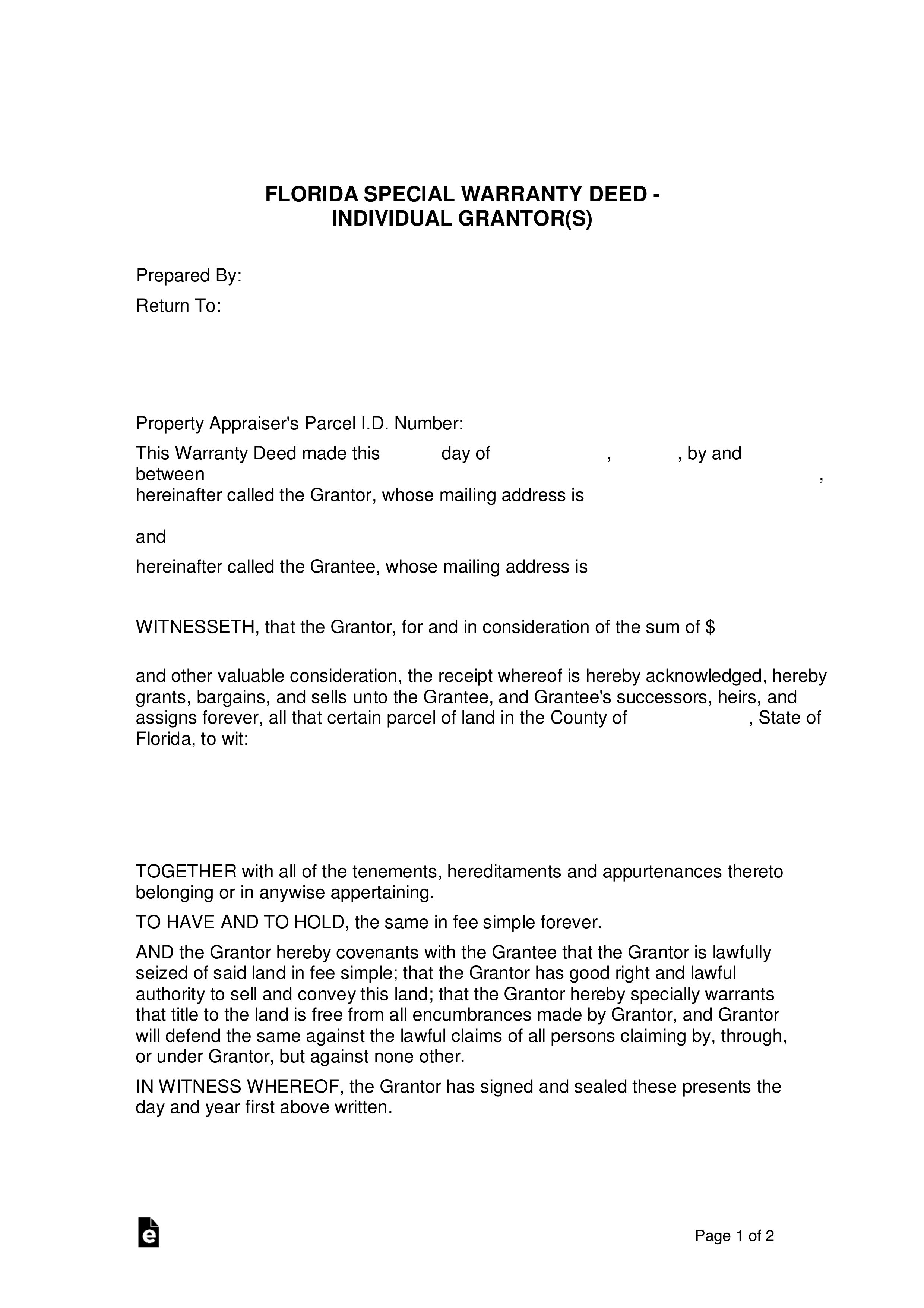
- Special Warranty Deed: Here, the grantor warrants the title only against defects that arose during their ownership of the property, not for issues that existed before their tenure. While offering more protection than a quitclaim, it’s less comprehensive than a general warranty deed.
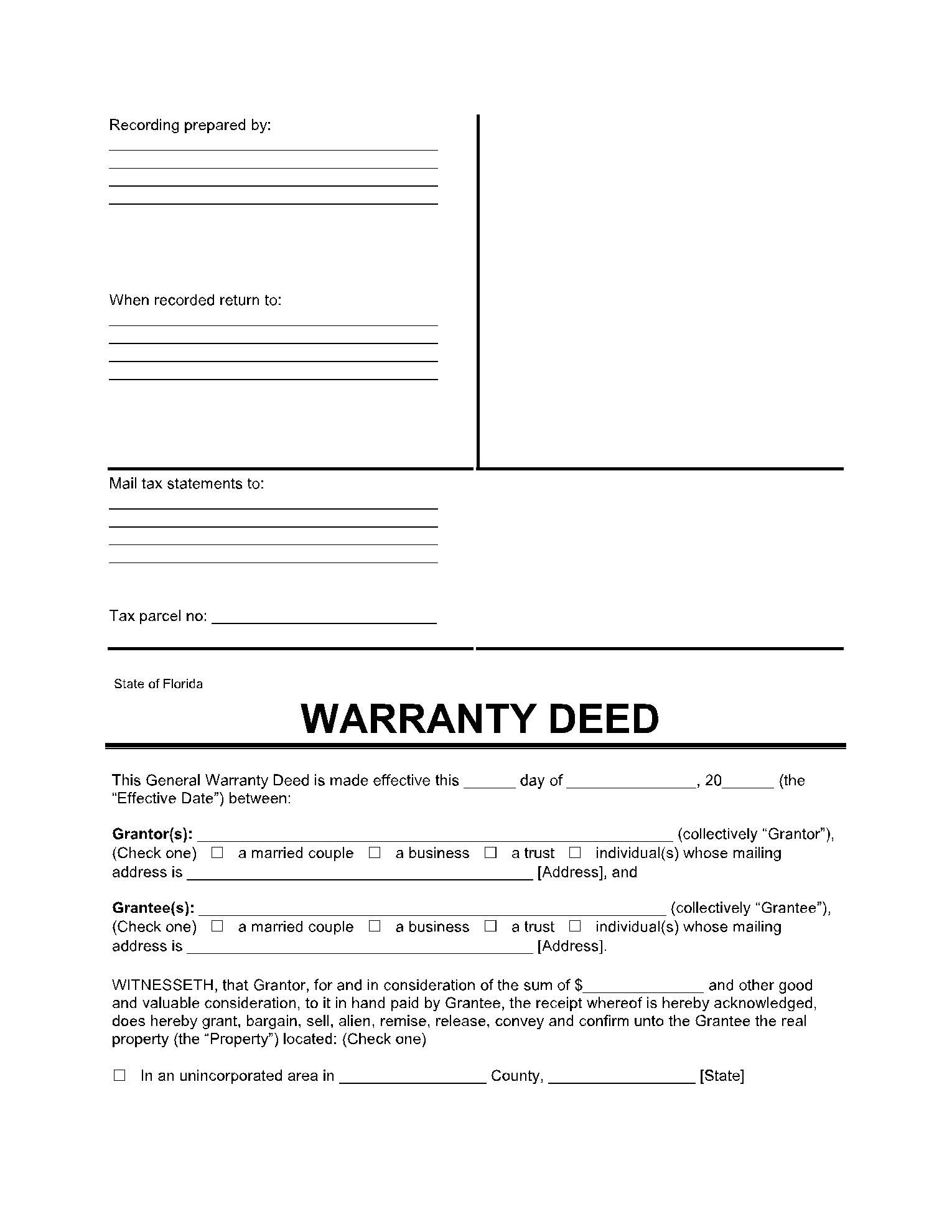
The general warranty deed, by contrast, provides a broad shield, protecting the buyer against title defects that may have arisen at any point in the property’s history, not just during the seller’s ownership. This extensive protection makes it the preferred instrument for most residential and commercial property purchases in Florida, vital for those looking to establish truly secure and unencumbered accommodation.
Key Covenants and Guarantees for Your Florida Accommodation
The strength of a warranty deed lies in its specific covenants, which are legally binding promises made by the grantor to the grantee. These covenants are critical for anyone securing accommodation, as they define the extent of protection offered. Understanding these five primary covenants is essential:
1. Covenant of Seisin
This covenant guarantees that the grantor holds rightful ownership of the property and possesses the legal right to convey (transfer) the title to the grantee. Essentially, the seller is assuring the buyer they are the true owner and can legally sell the Florida accommodation. If it turns out the grantor did not have full ownership, the grantee has recourse.
2. Covenant Against Encumbrances
Here, the grantor warrants that the property is free from any hidden encumbrances (liens, mortgages, easements, unpaid taxes, etc.) that were not disclosed to the grantee. This is crucial for buyers, as undisclosed encumbrances could severely impact their enjoyment or future sale of the accommodation. The grantor promises to defend against any claims arising from such undisclosed issues.
3. Covenant of Quiet Enjoyment
Perhaps one of the most reassuring covenants for new property owners, the covenant of quiet enjoyment guarantees that the grantee will not be disturbed in their possession or use of the property by any third party asserting a lawful claim to the title. This means that if someone later challenges the title and it’s found they have a superior claim, the grantor is obligated to defend the grantee’s ownership. This directly ensures the buyer’s peace of mind regarding their long-term Florida accommodation.
4. Covenant of Further Assurances
This covenant obligates the grantor to perform any reasonable act necessary to perfect the title if a defect is discovered. Should issues arise after the transfer that require additional paperwork or actions to fix the title, the grantor is legally bound to assist. This ensures that the buyer’s ownership of their Florida accommodation can be fully solidified.
5. Covenant of Warranty Forever
This is the most comprehensive promise, where the grantor agrees to defend the grantee’s title against any and all lawful claims and demands of all persons, perpetually. This extends the protection of the other covenants indefinitely into the future. It’s the ultimate safeguard for anyone purchasing property for long-term accommodation, ensuring continuous protection against title challenges.
The Process of Transferring Florida Accommodation Ownership
The transfer of property ownership via a warranty deed in Florida follows a structured legal process designed to protect both buyer and seller. Understanding these steps is vital for anyone preparing to secure their accommodation.
1. Sale Agreement and Due Diligence
The journey begins with a legally binding purchase and sale agreement. Following this, the buyer typically conducts extensive due diligence, which includes inspections and, crucially, a comprehensive title search. A title search examines public records to uncover any liens, encumbrances, or defects in the property’s chain of title. This step is critical to ensure that the accommodation being purchased is as represented and that the seller indeed has clear title.
2. Title Insurance
While a warranty deed offers significant protection, title insurance provides an additional layer of security. It protects the buyer (and often the lender) against losses arising from undiscovered title defects that may exist despite a thorough title search. For those making a substantial investment in Florida accommodation, title insurance is a highly recommended safeguard.
3. Preparation and Signing of the Deed
Once the title is clear and all conditions of the sale agreement are met, the warranty deed is prepared, usually by an attorney or title company. The deed must accurately describe the property, identify the grantor and grantee, and state the consideration (purchase price). The grantor then signs the deed in the presence of two witnesses and a notary public, as required by Florida law.
4. Recording the Deed
The final and crucial step in the transfer process is recording the warranty deed with the County Clerk’s office in the county where the property is located. Recording the deed provides public notice of the change in ownership, protecting the grantee’s interest against subsequent claims. Until the deed is recorded, the transfer of ownership is not officially recognized, leaving the buyer’s claim to their new accommodation vulnerable.
Why a Warranty Deed is Paramount for Florida Home Buyers
For anyone purchasing property in Florida with the intent of long-term accommodation, whether as a primary residence, a seasonal retreat, or an investment rental, the warranty deed offers an unparalleled level of security and peace of mind. It’s more than just a piece of paper; it’s a legal shield against potential future disputes over ownership.
Securing Your Investment
Property is often the largest financial investment an individual makes. A warranty deed protects this significant investment by ensuring that the buyer receives clear and marketable title. Without the comprehensive guarantees provided by a warranty deed, a buyer could find themselves facing expensive legal battles to defend their ownership against claims that predate their purchase, potentially jeopardizing their accommodation.
Long-Term Peace of Mind
The covenants within a warranty deed extend protection well beyond the closing date. Knowing that the seller stands behind the title for perpetuity offers immense psychological and financial comfort. This allows property owners to fully enjoy their Florida accommodation without the underlying worry of historical title defects surfacing. This certainty is especially valuable for those planning an extended stay or retirement in the Sunshine State.
Ease of Future Transactions
When the time comes to sell the property, having originally received it via a warranty deed simplifies the process. A clean and well-documented chain of title, established through a warranty deed, makes the property more attractive to future buyers and lenders, ensuring smoother transactions down the line. It verifies that the current owner has a solid foundation for conveying ownership to the next buyer.
Navigating Common Concerns and Ensuring Secure Accommodation
While a warranty deed offers robust protection, buyers should remain diligent throughout the property acquisition process to ensure their Florida accommodation is truly secure.
The Importance of Legal Counsel
Engaging a qualified real estate attorney in Florida is highly advisable. An attorney can review the warranty deed, conduct or oversee the title search, and ensure all legal requirements are met. Their expertise can uncover potential issues before they become costly problems, providing an extra layer of protection for your investment.
Understanding the Exceptions
It’s important to note that even a warranty deed may include specific “exceptions” to the warranties. These are typically disclosed and agreed-upon items, such as existing easements for utilities or restrictive covenants in a community. Buyers should carefully review these exceptions to understand any limitations on their property rights and ensure they align with their plans for accommodation.
Recording Timeliness
The prompt recording of the warranty deed is not merely a formality; it is a critical step in establishing legal precedence. Delays in recording can leave the property vulnerable to other claims that might be filed before the deed is made public. Therefore, ensuring the deed is recorded immediately after closing is crucial for securing your interest in the Florida accommodation.
In conclusion, for anyone navigating the property market in Florida with the goal of securing long-term accommodation, understanding and insisting on a warranty deed is fundamental. It provides the strongest assurance of clear title, backed by the seller’s comprehensive guarantees, thereby safeguarding one of life’s most significant investments.
LifeOutOfTheBox is a participant in the Amazon Services LLC Associates Program, an affiliate advertising program designed to provide a means for sites to earn advertising fees by advertising and linking to Amazon.com. Amazon, the Amazon logo, AmazonSupply, and the AmazonSupply logo are trademarks of Amazon.com, Inc. or its affiliates. As an Amazon Associate we earn affiliate commissions from qualifying purchases.