
In the world of high-end hospitality, the distinction between a standard room and a premium suite often lies in the details of the amenities. One feature that frequently appears in the descriptions of luxury accommodations is the wet bar. While the term might sound straightforward, its presence signifies a specific level of convenience and sophistication that caters to a certain type of traveler. A wet bar at a hotel is essentially a small bar area designed for preparing drinks, characterized primarily by the inclusion of a sink with running water. This plumbing element is what distinguishes it from a standard “dry bar” or a simple minibar setup.

For guests staying at renowned properties like the Four Seasons Hotel or the Ritz-Carlton, the wet bar serves as a functional centerpiece for in-room entertaining. It transforms a hotel room from a mere place to sleep into a space that facilitates social interaction and personal comfort. Understanding the nuances of this amenity helps travelers better evaluate their booking options, especially when planning extended stays or business trips in major cities like New York City or London.
The Anatomy of a Hotel Wet Bar
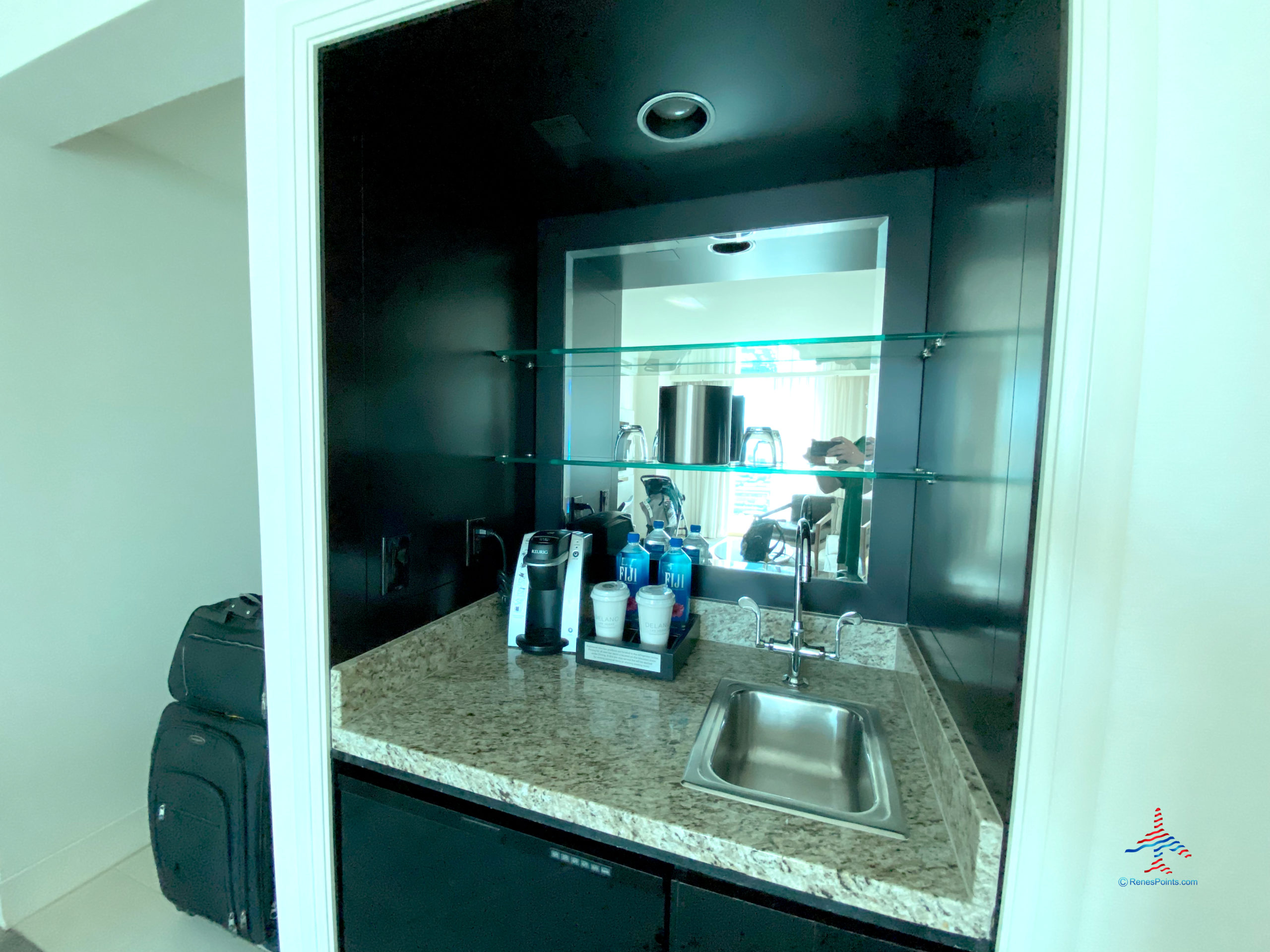
The primary defining feature of a wet bar is the sink. Having a dedicated faucet and basin within the living area of a suite allows guests to rinse glassware, dispose of excess liquids, and prepare garnishes without needing to use the bathroom sink. However, a well-appointed hotel wet bar is much more than just a plumbing fixture; it is a curated station designed for the modern mixologist or the guest who appreciates a well-crafted beverage.
Essential Components
A typical wet bar in a luxury suite at the St Regis or a similar high-end establishment will usually include several key components. Beyond the sink, you will find a compact refrigerator—often separate from the automated minibar—which allows guests to store their own beverages and perishables. There is usually a dedicated countertop space made of premium materials like marble or granite, providing an easy-to-clean surface for preparing cocktails or pouring wine.
Storage is another critical element. Wet bars often feature cabinetry or shelving stocked with a variety of glassware, including highball glasses, wine glasses, and sometimes even specialized crystal for whiskey. You will also find tools of the trade: ice buckets, tongs, bottle openers, and corkscrews. In some tech-forward hotels in Tokyo or San Francisco, the wet bar might even include built-in espresso machines or wine climate-controlled storage.
The Evolution of In-Room Dining
The wet bar represents an evolution in how hotels view in-room dining and beverage service. In the past, guests were limited to whatever was available in the refrigerated minibar. Today, the focus has shifted toward autonomy. Hotels like the Park Hyatt recognize that luxury guests often prefer to host small gatherings or enjoy a nightcap prepared to their specific tastes. The wet bar facilitates this by providing the “infrastructure” for a private lounge experience within the confines of the suite.
Wet Bar vs. Dry Bar: Understanding the Difference
When browsing room descriptions for a stay in Las Vegas or Dubai, you may see both “wet bar” and “dry bar” listed. While they may look similar at a glance, the functional difference is significant, particularly for guests who plan on spending a fair amount of time in their rooms.
The Functional Divide
As the name suggests, a dry bar lacks the sink and running water. It is essentially a piece of furniture—a cabinet or a dedicated counter—where bottles and glasses are kept. While a dry bar is perfectly adequate for pouring a simple glass of wine or opening a beer, it becomes cumbersome if you are making cocktails that require rinsing tools or if you need to wash out a glass between different types of drinks.
The wet bar, by contrast, is a permanent architectural feature of the room. Because it requires plumbing, it is usually found in larger suites, penthouses, or “residence-style” accommodations. At properties like the Waldorf Astoria, the inclusion of a wet bar is often a signal that the room is designed for longer stays or for guests who intend to entertain visitors.
Space and Layout
Wet bars are frequently positioned near the dining area or the living room section of a suite. This layout is intentional, creating a flow that encourages social use. In contrast, a dry bar or a standard minibar might be tucked away in a corner or integrated into a television console. When you see a wet bar in a floor plan at a resort like the Bellagio, you can assume the room has been designed with a “hosting” mindset, offering more square footage for guests to move around.
The Strategic Importance of Wet Bars in Hotel Categories
Not every hotel room needs a wet bar, but for certain categories of accommodation, it is considered an industry standard. The presence of this amenity often dictates the “class” of the room and influences the nightly rate.
Luxury Suites and Penthouses
In the top-tier suites of the Mandarin Oriental or the Peninsula Hotel, a wet bar is rarely absent. These rooms are often used by high-profile travelers, celebrities, or corporate executives who require a level of privacy that public hotel bars cannot provide. For these guests, the wet bar acts as a private sanctuary where they can enjoy a drink without the prying eyes of the public.
Extended Stay and Apartment-Style Hotels
For travelers staying in Paris or Singapore for several weeks, the wet bar serves a more practical purpose. In apartment-style hotels like Marriott Executive Apartments, the wet bar often serves as a bridge between a full kitchen and a standard room. It allows for light food preparation and easy cleanup, making the hotel room feel more like a home and less like a temporary living space.
Business and Hospitality Suites
Large-scale hotels in cities like Chicago or Hong Kong often feature “Hospitality Suites.” These are rooms specifically designed for small meetings or cocktail hours. In these settings, the wet bar is the most important feature, providing the workspace for a hired bartender or for the host to serve guests efficiently. It prevents the need for service staff to constantly run back and forth to a kitchen, as the basic cleaning and preparation can happen right there in the room.
The Guest Experience: Why a Wet Bar Matters
For the discerning traveler, the value of a wet bar lies in the convenience and the “lifestyle” it enables. It is about more than just water; it is about the autonomy of the guest experience.
Hosting and Socializing
If you are traveling with a group or as part of a wedding party in a destination like Miami, the suite with a wet bar becomes the natural gathering point. It allows the group to enjoy pre-dinner drinks or late-night snacks in a comfortable, private setting. The sink makes it easy to handle multiple guests, as used glasses can be quickly rinsed or placed aside without cluttering the main living area.
Hygiene and Convenience
Using a bathroom sink to wash out a wine glass or fill a coffee maker is often seen as a drawback in luxury travel. A wet bar provides a designated, hygienic area for food and drink tasks, keeping them separate from personal grooming areas. This is particularly appreciated in family-friendly resorts like the Aulani Disney Resort in Hawaii, where parents might need to wash baby bottles or prepare snacks for children without occupying the bathroom.
The DIY Mixology Trend
In recent years, there has been a surge in guests who enjoy “DIY” mixology. Many boutique hotels in Los Angeles now offer “cocktail kits” as part of their room service menu. These kits often include premium spirits, fresh bitters, and garnishes. Having a wet bar makes these kits much more enjoyable to use, providing the necessary space and water source to create a high-quality drink without the mess.
Design Trends in Modern Hotel Wet Bars
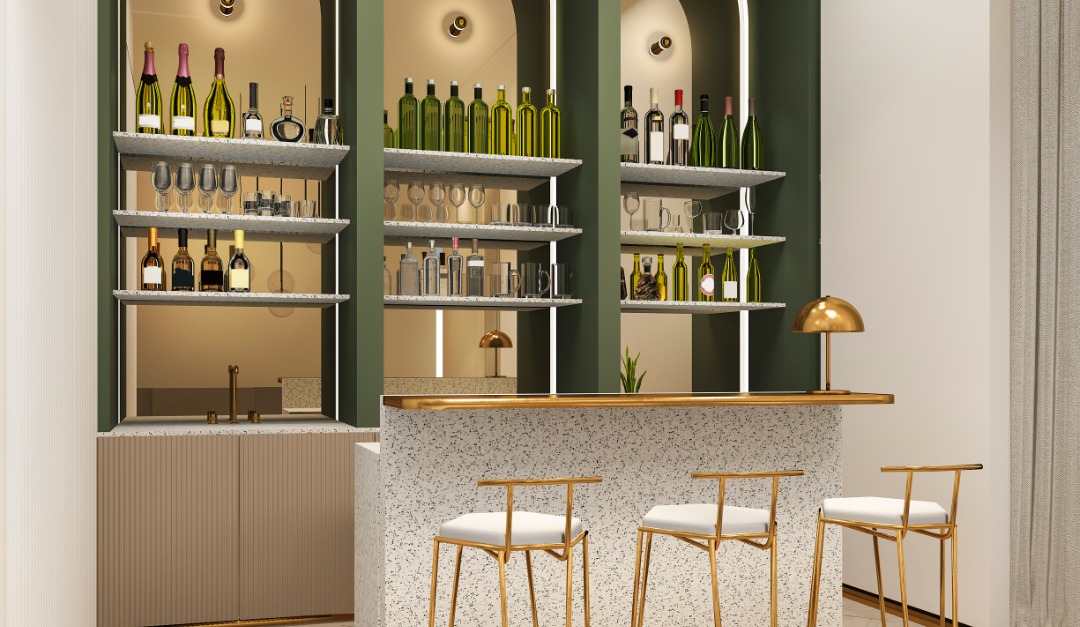
As hotel design evolves, the wet bar is also seeing a transformation. No longer just a functional cabinet, it is becoming a focal point of room aesthetics. Interior designers for brands like W Hotels or Edition Hotels are putting significant thought into the lighting, materials, and placement of these bars.
Integrated Tech and Premium Finishes
Expect to see under-counter lighting that highlights the glassware, touchless faucets for improved hygiene, and integrated sound systems that allow the wet bar area to have its own “vibe.” In London or Milan, high-end suites might feature wet bars with custom-made cabinetry that matches the room’s unique architectural heritage, blending historical charm with modern utility.
Sustainability and the Wet Bar
Interestingly, the wet bar is also playing a role in the sustainability efforts of many hotel chains. By providing a high-quality sink and filtered water tap, hotels can encourage guests to use reusable bottles and glassware instead of single-use plastic bottles. Properties in Sydney and Vancouver are increasingly using the wet bar as a “hydration station,” providing filtered water as a standard amenity, which appeals to eco-conscious travelers.
In conclusion, while a wet bar might seem like a small addition to a hotel room, its presence is a clear indicator of luxury, convenience, and thoughtful design. Whether you are at the Grand Hyatt Hotel for a business convention or enjoying a romantic getaway at the Ritz-Carlton, the wet bar enhances the stay by providing a dedicated space for refreshment and social connection. It remains one of the most sought-after amenities for those who view their hotel room as more than just a place to sleep, but as an integral part of their travel experience.
LifeOutOfTheBox is a participant in the Amazon Services LLC Associates Program, an affiliate advertising program designed to provide a means for sites to earn advertising fees by advertising and linking to Amazon.com. Amazon, the Amazon logo, AmazonSupply, and the AmazonSupply logo are trademarks of Amazon.com, Inc. or its affiliates. As an Amazon Associate we earn affiliate commissions from qualifying purchases.