
Florida, a peninsula renowned for its pristine beaches, vibrant cities, and year-round sunshine, is also inherently exposed to the realities of its coastal geography and unique hydrological features. For anyone considering accommodation in the Sunshine State, whether for a short vacation rental, a seasonal stay, or a long-term relocation, understanding the nuances of flood zones is not merely advisable—it’s essential. Among the various classifications used to delineate flood risk, the AE flood zone stands out as one of the most common and significant for accommodation seekers. Delving into what an AE flood zone entails, its implications, and how to navigate accommodations within these areas is paramount for safety, financial prudence, and peace of mind.
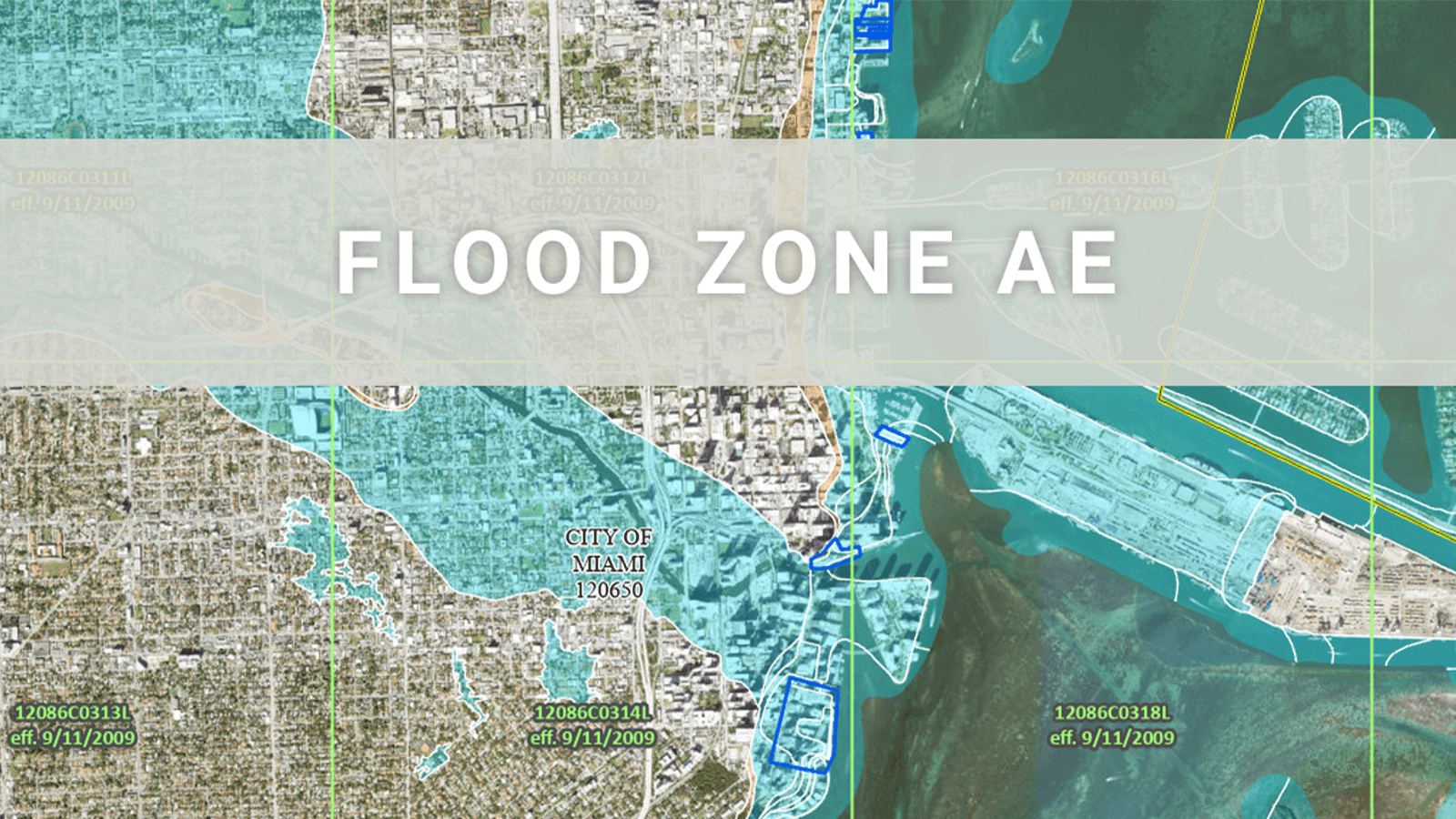
Understanding Florida’s Flood Landscape and AE Zones
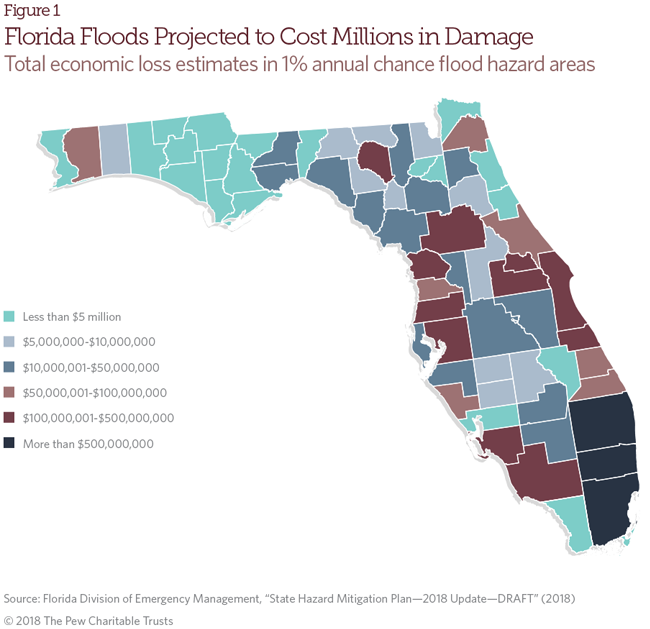
Florida’s low elevation, extensive coastline along the Gulf of Mexico and Atlantic Ocean, and numerous inland waterways make it particularly susceptible to flooding. This vulnerability is exacerbated by heavy rainfall, tropical storms, hurricanes, and rising sea levels. To help residents, property owners, and visitors assess and mitigate these risks, the Federal Emergency Management Agency (FEMA) develops and maintains detailed flood maps. These maps categorize areas into different flood zones, each reflecting a specific level of flood risk and regulatory requirement.
Defining the AE Flood Zone
The AE flood zone is a Special Flood Hazard Area (SFHA) identified by FEMA. It represents an area that has a 1% annual chance of flooding, also known as the 100-year flood event. This means there’s a one-in-a-hundred chance of a flood occurring in any given year, not that a flood will only happen once every 100 years. What distinguishes AE zones from other SFHAs like Zone A (which also has a 1% annual chance of flooding but lacks detailed flood elevation data) is the availability of Base Flood Elevations (BFEs).
BFEs are critical because they define the elevation to which floodwater is anticipated to rise during a 100-year flood event. For properties located within an AE zone, these BFEs dictate specific building and construction standards designed to elevate structures above the anticipated flood level, thereby reducing flood damage. This information is vital not just for new construction but also for understanding the risk associated with existing accommodations.
The Role of FEMA in Flood Zone Mapping
FEMA flood maps are the authoritative source for flood risk information across the United States, and Florida relies heavily on them. These maps are dynamic, regularly updated to reflect new data, changing environmental conditions, and coastal alterations. They are produced through extensive hydrological and hydraulic analyses, incorporating data from sources like the United States Geological Survey (USGS) and local government surveys.
For accommodation seekers, understanding how to access and interpret these maps is a foundational step. FEMA’s Flood Map Service Center is a public resource where anyone can search for a specific address to determine its flood zone designation. This direct access to information empowers individuals to make informed decisions about where they choose to stay, whether in Miami, Tampa, Orlando, or any other part of the state.
Implications of AE Zones for Accommodation Seekers
Identifying that a potential accommodation lies within an AE flood zone carries several significant implications that extend beyond simply understanding the flood risk. These factors directly influence safety, financial obligations, and the overall experience of staying in Florida.
Safety and Risk Assessment for Stays
The primary implication of an AE zone is the inherent, elevated risk of flooding. While modern building codes often mandate elevated construction for new properties in these areas, older structures may not meet current standards. For those renting accommodations, it’s crucial to assess the property’s elevation and flood-proofing measures. A ground-level unit in an AE zone, for example, carries a significantly higher risk during a flood event than an elevated one. This risk is not just to property but to personal safety. Floodwaters can be fast-moving, carry debris, and contain unseen hazards, making evacuation potentially dangerous. Understanding the specific risks helps in choosing a safer location and formulating personal safety plans.
Insurance Considerations for Renters and Owners
One of the most significant financial implications of an AE flood zone is the requirement for flood insurance. Property owners with mortgages from federally regulated or insured lenders are mandated to carry flood insurance if their property is in an SFHA, including AE zones. This coverage is typically obtained through the National Flood Insurance Program (NFIP), which is managed by FEMA.
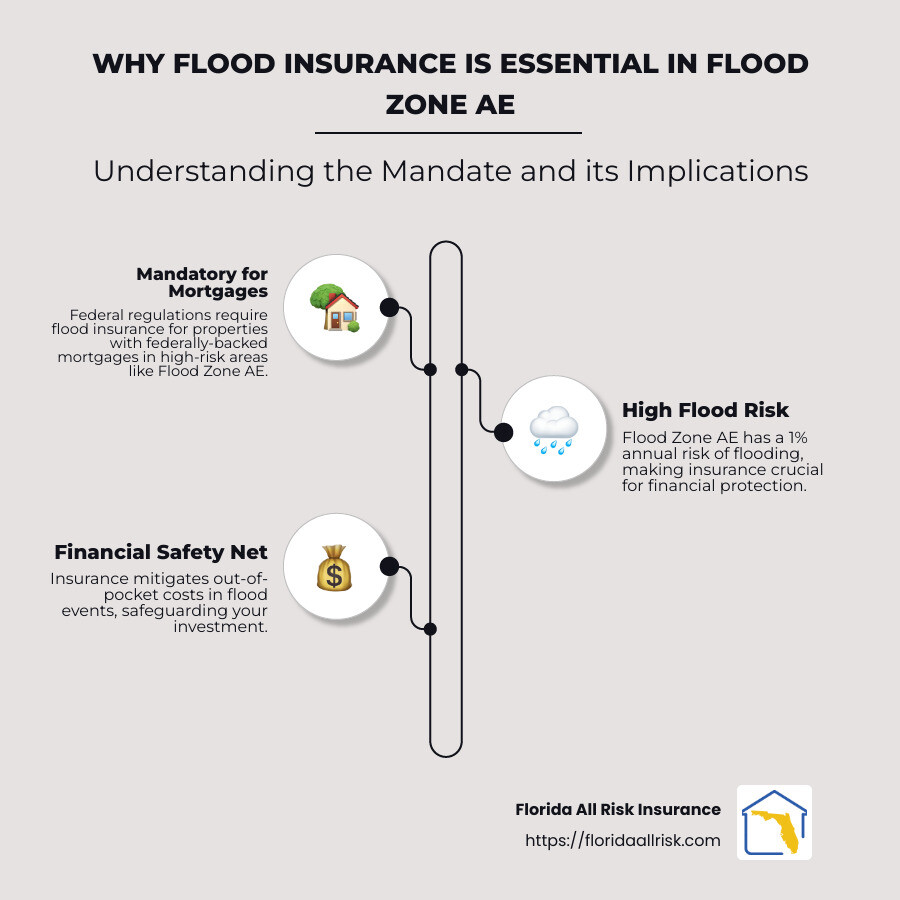
For renters, while flood insurance for the structure itself is the owner’s responsibility, personal belongings are usually not covered by the landlord’s policy. Renters should consider obtaining a renter’s flood insurance policy through the NFIP to protect their possessions. The cost of these policies varies based on the property’s flood risk, elevation, and other factors. Being aware of these potential costs, whether directly through premiums or indirectly through higher rental rates due to owner’s insurance expenses, is a key part of financial planning for accommodation in Florida.
Property Values and Rental Rates
Properties in AE flood zones often have complex market dynamics. While the increased risk and insurance requirements can sometimes temper property values compared to non-flood zone equivalents, many desirable coastal areas in Florida are in AE zones. This means that demand can still drive up prices, especially for well-mitigated or elevated properties. For long-term stays or vacation rentals, the rental rates for properties in AE zones can reflect the owner’s increased operating costs (insurance, maintenance, floodproofing) and the perceived desirability of the location. Prospective renters should be prepared for these factors to influence the overall cost of their stay.
Navigating Accommodation in AE Zones
Given the prevalence of AE flood zones in Florida, avoiding them entirely might mean sacrificing access to many desirable locations. Instead, a proactive approach to understanding and managing the associated risks is the most practical strategy for accommodation seekers.
Due Diligence Before Booking or Renting
Before committing to any accommodation in Florida, especially for extended periods, thorough due diligence is paramount.
- Check the Flood Zone: Utilize FEMA’s Flood Map Service Center to confirm the property’s flood zone designation.
- Inquire About Elevation: Ask the landlord, property manager, or real estate agent about the property’s elevation certificate. This document provides official information about the lowest floor’s elevation relative to the BFE. A property built above the BFE is generally safer.
- Review Insurance Details: Understand who is responsible for flood insurance (owner vs. renter) and what is covered. If renting, consider a personal flood insurance policy.
- Inspect Floodproofing Measures: Look for features like elevated utilities, flood vents, or breakaway walls, which indicate efforts to mitigate flood damage.
- Read Reviews and Ask Locals: Gain insights from previous occupants or local residents about past flood events or common issues in the area.
Emergency Preparedness and Evacuation Plans
Staying in an AE flood zone necessitates a robust emergency preparedness plan. Florida is well-versed in hurricane season, and local authorities regularly issue warnings and evacuation orders.
- Know Your Evacuation Zone: Familiarize yourself with the local county’s evacuation zones and routes. These are often separate from flood zones and are based on storm surge risk.
- Develop a Family Emergency Plan: Outline communication strategies, meeting points, and what to do in case of an evacuation.
- Prepare an Emergency Kit: Stock essential supplies, including water, non-perishable food, medications, flashlights, and important documents.
- Stay Informed: Monitor local weather forecasts and heed instructions from emergency management officials. Many Florida counties offer alert systems for residents and visitors.
Building Standards and Mitigation Efforts
For properties within AE zones, strict building standards are enforced to minimize flood risk. New construction and substantial improvements often require elevating the lowest floor (including basements) to or above the BFE. Other mitigation techniques include using flood-resistant materials, installing flood vents, and properly anchoring structures. When selecting accommodation, understanding whether a property adheres to these standards, especially if it’s a newer build or has undergone recent renovations, provides an extra layer of confidence in its resilience against potential flooding.
Making Informed Accommodation Choices in Florida
Navigating the complexities of AE flood zones in Florida requires a commitment to informed decision-making. While the lure of beachfront properties and waterfront living is strong, balancing this desire with an understanding of flood risk is crucial for a secure and enjoyable stay.
Resources for Flood Zone Information
Beyond FEMA’s Flood Map Service Center, several other resources can aid in gathering information:
- Local Government Websites: Most Florida cities and counties provide detailed flood information, emergency preparedness guides, and links to local flood plain managers. For instance, the City of Miami or Tampa often have dedicated sections on their official sites.
- Department of Homeland Security (DHS) and NOAA: These federal agencies provide broader climate and weather-related data that can complement flood zone understanding.
- Real Estate Professionals: Licensed real estate agents and property managers in Florida are typically knowledgeable about flood zones and can provide specific details about properties.
Consulting Local Experts
For long-term accommodation decisions or property investments, consulting local experts is invaluable. Floodplain managers, insurance agents specializing in flood coverage, and experienced real estate professionals in Florida can offer tailored advice based on specific locations and property types. They can help interpret complex flood maps, explain insurance intricacies, and provide insights into local mitigation efforts and community resilience plans. This personalized guidance ensures that accommodation choices are not only comfortable and desirable but also resilient and secure against the unique environmental challenges of Florida’s beautiful yet flood-prone landscape.
LifeOutOfTheBox is a participant in the Amazon Services LLC Associates Program, an affiliate advertising program designed to provide a means for sites to earn advertising fees by advertising and linking to Amazon.com. Amazon, the Amazon logo, AmazonSupply, and the AmazonSupply logo are trademarks of Amazon.com, Inc. or its affiliates. As an Amazon Associate we earn affiliate commissions from qualifying purchases.