
Florida, often dubbed the Sunshine State, is a magnet for travelers worldwide, drawing millions to its pristine beaches, world-famous theme parks, vibrant cities, and unique natural landscapes. From the magical allure of Walt Disney World Resort in Orlando to the bustling nightlife of Miami and the historic charm of St. Augustine, there’s an experience for every age and interest. However, like any travel destination, understanding the local laws and regulations is paramount for a safe, enjoyable, and hassle-free trip. Among these, age-related legalities are often nuanced and can sometimes lead to confusion, especially for younger travelers or families traveling with minors.
The phrase “age of consent” itself can be multifaceted, carrying different implications depending on the context – from legal definitions of sexual consent to age restrictions for hotel check-ins, car rentals, or even simply entering certain venues. This article aims to clarify what “age of consent” means in Florida and, more importantly, to explore its practical implications for various types of travelers. While we will touch upon the legal definition, our primary focus is on providing comprehensive insights relevant to tourism, accommodation, and general lifestyle considerations for anyone planning a visit to this beloved state. It is crucial to remember that this article provides general information for travel purposes and should not be considered legal advice. Always consult official sources or legal professionals for specific legal guidance.
Demystifying “Age of Consent” in the Context of Florida Travel
Understanding the specific legal terminology and its broader application is the first step towards navigating Florida’s regulations effectively. The term “age of consent” has a very particular legal meaning, but for travelers, other age-related laws often come into play, influencing everything from where you can stay to what activities you can participate in.
The Legal Definition: Understanding Florida’s Statutory Rape Laws
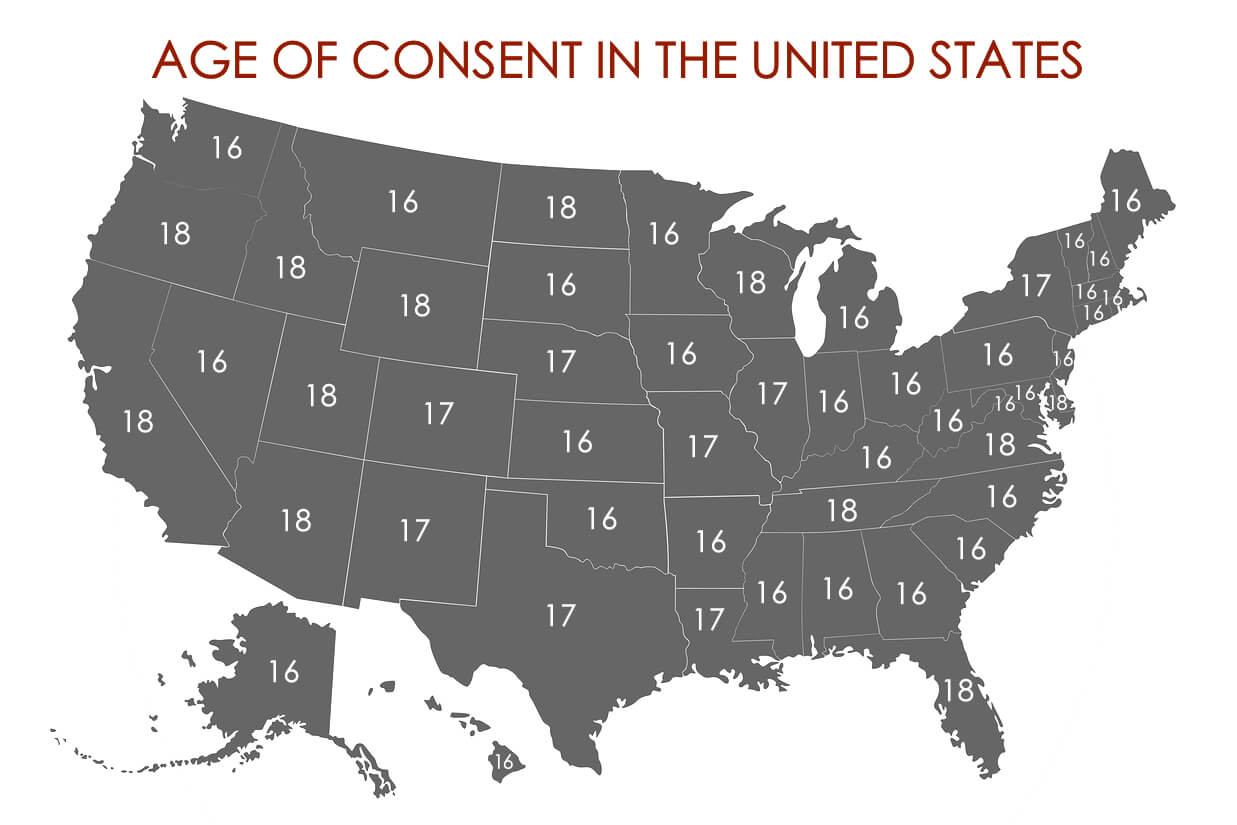
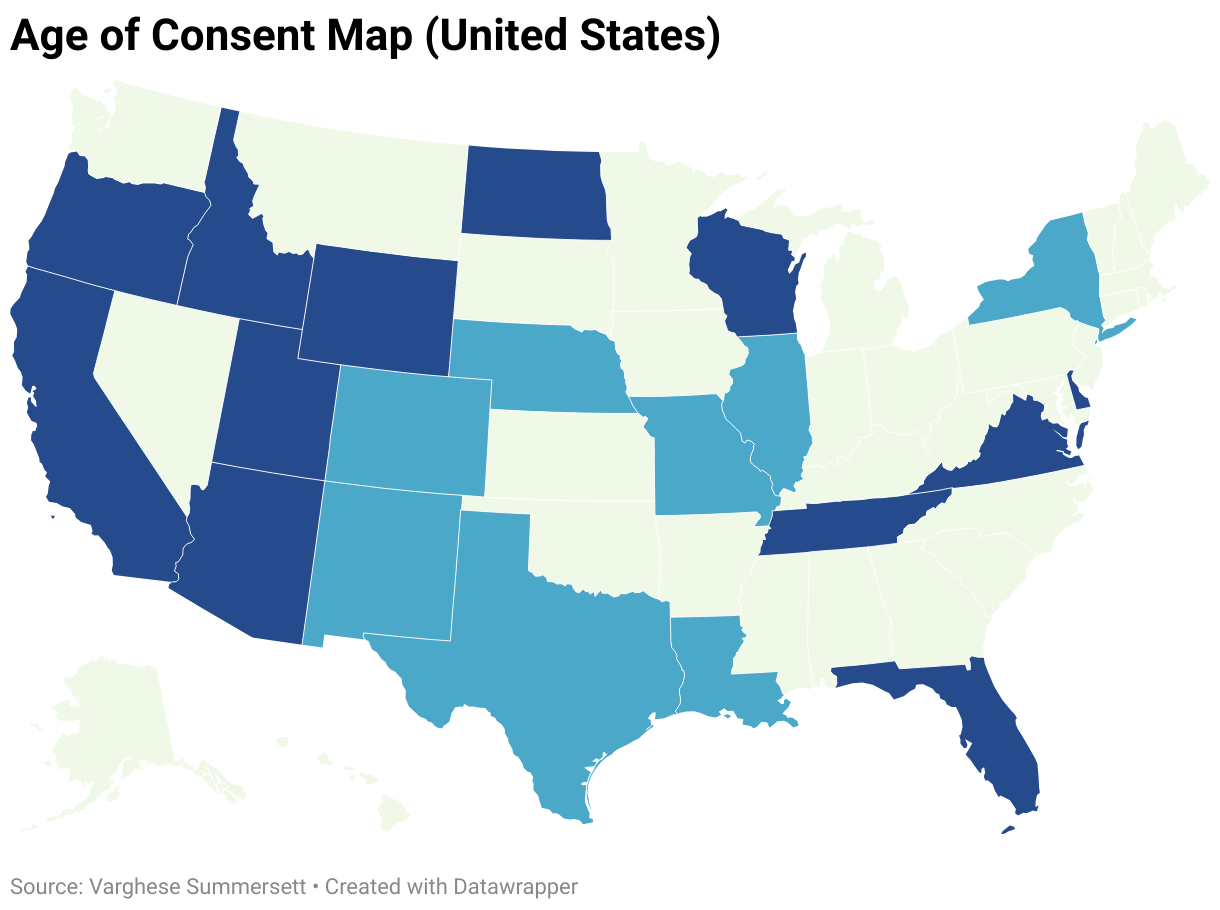
In the state of Florida, the legal age of consent is 18 years old. This means that any sexual activity between an adult and someone under the age of 18 is legally considered statutory rape, regardless of whether the minor seemingly consented. This law is in place to protect minors and is taken very seriously by state authorities. There are some limited exceptions, such as “close-in-age” exemptions (often referred to as “Romeo and Juliet laws”), where if both individuals are under a certain age (e.g., both 16 or 17) and there isn’t a significant age gap, penalties might be reduced or charges handled differently. However, these are complex legal nuances and do not change the fundamental age of 18 as the standard.
For travelers, especially those who are young adults themselves, it is paramount to be aware of and respect these laws. Ignorance of the law is not a defense, and legal consequences for violating age of consent laws can be severe, including imprisonment and registration as a sex offender, which would have profound and lasting impacts far beyond your travel plans. The safety and well-being of all individuals, particularly minors, are protected by these statutes. Therefore, exercising caution, clear judgment, and ensuring all interactions are respectful and legal is always the best approach when traveling. This emphasis on safety and legal adherence is a cornerstone of responsible tourism.

Age of Majority vs. Age for Specific Activities and Contracts
While the age of consent for sexual activity is 18, it’s essential for travelers to distinguish this from the age of majority and other age-specific restrictions that govern various activities and contractual agreements in Florida.
In Florida, the age of majority is also 18. This means that at 18, an individual is legally considered an adult and can:
- Vote in elections.
- Enter into legally binding contracts (e.g., apartment leases, purchasing property).
- Serve in the military.
- Purchase firearms (with some federal exceptions).
- Get married without parental consent.
However, being 18 doesn’t automatically grant access to all adult privileges. Numerous age restrictions are specifically designed for public safety, consumer protection, or social policy reasons. For example:
- Alcohol Consumption: The legal drinking age in Florida, as in all U.S. states, is 21. This means individuals under 21 cannot purchase, possess, or consume alcoholic beverages.
- Gambling: While some lottery games might be available at 18, most casino gambling, including slots and table games at establishments like the Seminole Hard Rock Hotel & Casino Hollywood, requires individuals to be 21 years old.
- Hotel Check-in: Many hotels, especially larger chains and resorts, have a minimum check-in age of 21, even if the legal age to sign a contract is 18. This is a common point of confusion and frustration for young adult travelers.
- Car Rentals: Most car rental agencies require drivers to be at least 21 years old, and often impose significant surcharges for renters under 25. Some luxury vehicles might even require the driver to be 25 or older.
These distinctions are critical for planning any trip to Florida, as they directly impact accommodation choices, transportation options, and leisure activities, shaping the overall lifestyle experience for young adult visitors.
Practical Implications for Travelers in The Sunshine State
Navigating Florida’s vibrant tourism landscape requires more than just a sense of adventure; it demands an awareness of how age-related laws and policies can affect your itinerary. Whether you’re a young adult embarking on your first solo trip or a family vacationing with children, understanding these practical implications is key to a smooth experience.
Booking Accommodation and Travel as a Young Adult (18-20)
One of the most frequent challenges for travelers aged 18-20 is securing accommodation. While 18 is the age of majority, many hotels and resorts in popular destinations like Miami, Orlando, and Key West enforce a minimum check-in age of 21. This policy is primarily due to liability concerns, particularly regarding alcohol consumption and potential damages. Major hotel brands such as Marriott, Hilton, and Hyatt often adhere to this 21+ rule, though policies can vary by individual property.
For young adult travelers facing this restriction, several strategies can help:
- Call Ahead: Always call the specific hotel property directly before booking to confirm their check-in age policy. Policies can differ even within the same brand.
- Independent Hotels/Motels: Smaller, independent hotels or motels might have more flexible policies, often accepting guests at 18. This is more common in less tourist-heavy areas or specific niche markets.
- Parental Assistance: If traveling with parents or guardians who are 21+, they can book and check into the room, listing the young adult as an additional guest. Some hotels may also allow a parent to book and provide a letter of authorization for an 18-20 year old to check in, but this is less common and should be confirmed directly with the hotel.
- Vacation Rentals: Platforms like Airbnb and VRBO have their own age policies. Airbnb generally requires guests to be 18 to book, but individual hosts can set stricter rules. Always verify the host’s specific requirements before booking, especially if you are under 21. This can be a more flexible accommodation option for young adults.
Beyond accommodation, car rentals pose another hurdle. Most major rental companies (e.g., Enterprise, Hertz, Avis) typically require renters to be at least 21 years old. For those aged 21-24, a significant “underage driver fee” often applies, which can sometimes double the cost of the rental. To avoid these fees, some companies might require drivers to be 25 or older. Public transportation, ride-sharing apps (like Uber/Lyft which usually require riders to be 18+), or taxis might be the primary modes of transport for younger travelers. Planning ahead for these logistical challenges is crucial for a smooth Florida itinerary, whether you’re exploring the historic streets of St. Augustine or the vibrant nightlife of South Beach.
Traveling with Minors: Parental Consent and Safeguards
For families and guardians traveling with minors, particular attention must be paid to child protection laws and consent requirements. While the focus isn’t on the age of consent for sexual activity, it’s about legal guardianship and the authority to make decisions for a child.
-
Parental Consent Letters for Travel: If a minor is traveling internationally with only one parent, or with grandparents, other relatives, or school groups, it is highly recommended to carry a notarized parental consent letter. This letter should clearly state that the non-traveling parent(s) consent to the child’s travel. While primarily for international travel, carrying such a letter for domestic trips within Florida can prevent misunderstandings, especially in emergencies or if questions arise from authorities or service providers. This is particularly relevant if traveling to attractions like Universal Orlando Resort or Busch Gardens Tampa Bay, where staff might need to confirm guardianship.
-
Medical Consent Forms: In the event of a medical emergency, having a pre-signed medical consent form from parents or legal guardians is invaluable if the minor is traveling with anyone other than their parents. This form grants temporary authority to seek medical treatment for the child and can prevent critical delays. Hospitals and clinics in cities like Jacksonville, Tampa, or Fort Lauderdale will need clear authorization before administering significant treatment.
-
Supervision Requirements: Many attractions, particularly theme parks like Legoland Florida Resort or SeaWorld Orlando, and even certain hotel amenities (e.g., pools, kids’ clubs), have specific age-based supervision requirements. Always check these rules in advance to ensure your minors can participate safely and legally. For instance, some activities within Everglades National Park might have age restrictions or require adult accompaniment.
-
Child Protection Laws: Florida has stringent child protection laws, and tourists should be aware of behaviors that could be misinterpreted or raise concerns. Always ensure that interactions with minors are appropriate and transparent. These safeguards are in place to ensure children’s safety and well-being, aligning with broader responsible tourism practices.
Enjoying Your Florida Trip Responsibly and Safely
Florida offers an endless array of experiences, from thrill rides and natural wonders to cultural events and serene beaches. To make the most of your trip, combining a spirit of adventure with a commitment to responsible and safe travel is key, especially when considering age-related regulations.
Age-Restricted Activities and Venues
Beyond the foundational legal ages, many specific activities and venues in Florida implement their own age restrictions, often higher than the general age of majority. Being informed about these helps prevent disappointment and ensures smooth access to your desired experiences.
- Alcohol: As mentioned, the legal drinking age is 21. This is strictly enforced across bars, restaurants, liquor stores, and event venues. Expect to be asked for a valid photo ID (driver’s license, state ID, or passport) if you appear under 30. Places like Daytona Beach and Clearwater Beach, popular for spring break, are particularly vigilant about enforcing this. Attempting to use a fake ID or purchasing alcohol for someone under 21 carries significant legal penalties.
- Gambling: Casinos, such as the aforementioned Seminole Hard Rock Hotel & Casino Hollywood or facilities in Tampa, require individuals to be 21 to participate in casino games. This includes slot machines, poker, and table games. Some pari-mutuel wagering (horse or dog racing) might allow 18-year-olds, but always verify specific venue policies.
- Nightclubs and Bars: Many nightclubs, especially in popular nightlife districts of Miami, Orlando, and Fort Lauderdale, enforce a 21+ entry policy, even if they theoretically could allow 18-year-olds to enter but not drink. This streamlines their operations and reduces liability. Always check the venue’s specific entry requirements before planning a night out.
- Adult Entertainment: Venues categorized as adult entertainment typically have a strict 18+ or 21+ entry policy.
- Vehicle Rentals (Beyond Cars): Renting motor scooters, jet skis, or certain types of boats might have age requirements that differ from car rentals, sometimes allowing younger individuals (e.g., 16 or 18 with a valid boating safety education ID) but often requiring 21+ for unsupervised rentals.
Always carry a valid, government-issued photo ID when exploring Florida, as age verification is a common practice across a wide range of services and establishments.
Navigating Social Interactions and Personal Safety
Beyond the legal frameworks, responsible travel also encompasses personal safety and respectful social interactions. For young travelers, in particular, understanding the nuances of communication and boundaries is vital.
- Be Aware of Your Surroundings: Florida is generally safe for tourists, but like any popular destination (from Naples’ upscale shopping to Jacksonville’s urban core), petty crime can occur. Always be mindful of your belongings, avoid walking alone in poorly lit areas at night, and exercise caution in unfamiliar neighborhoods.
- Protect Personal Information: Be judicious about sharing personal details, especially online or with strangers. This includes your age, travel itinerary, and accommodation details.
- Understand Local Social Norms: While Florida is diverse, basic etiquette and respect for others go a long way. When meeting new people, ensure that all interactions are consensual, respectful, and appropriate, understanding that cultural differences in communication styles can exist. The importance of mutual consent extends to all personal interactions, not just the legal definition of sexual consent.
- Seek Reputable Advice: For any uncertainties regarding age-related restrictions or safety concerns, consult official tourism boards, your hotel concierge, or trusted local guides. Reputable tour operators and accommodation providers in places like Sarasota or Tallahassee can provide valuable local insights.
- Stay Informed: Keep an eye on local news or travel advisories that might impact your trip, ensuring you’re up-to-date on any changes to laws or public safety recommendations. The Kennedy Space Center Visitor Complex, for example, might have specific guidelines for younger visitors or those traveling with school groups.
By approaching your Florida adventure with an informed mindset about age-related laws and a commitment to personal responsibility, you can ensure a safer, more enjoyable, and enriching experience in the Sunshine State.
Understanding the age of consent and other age-related legalities in Florida is an integral part of responsible travel. By being informed about the legal definitions, practical implications for accommodation and activities, and general safety guidelines, travelers – whether young adults or families – can navigate the state with confidence. Prioritizing legal compliance and personal safety will undoubtedly lead to a more memorable and enjoyable journey through Florida’s diverse offerings.
LifeOutOfTheBox is a participant in the Amazon Services LLC Associates Program, an affiliate advertising program designed to provide a means for sites to earn advertising fees by advertising and linking to Amazon.com. Amazon, the Amazon logo, AmazonSupply, and the AmazonSupply logo are trademarks of Amazon.com, Inc. or its affiliates. As an Amazon Associate we earn affiliate commissions from qualifying purchases.