
When planning a trip to Alabama, understanding the local financial landscape, particularly sales tax, is a crucial step for any savvy tourist. While often overlooked in the excitement of itinerary planning, sales tax can significantly impact your travel budget, from the cost of your morning coffee to your nightly accommodation. This guide aims to demystify Alabama sales tax, offering insights and tips specifically tailored for visitors looking to explore the Heart of Dixie without unexpected financial surprises. From the bustling streets of Birmingham to the serene shores of Gulf Shores, knowing what to expect will help you budget effectively and enjoy your journey through this vibrant Southern state to the fullest.
Understanding Alabama’s Sales Tax for Tourists
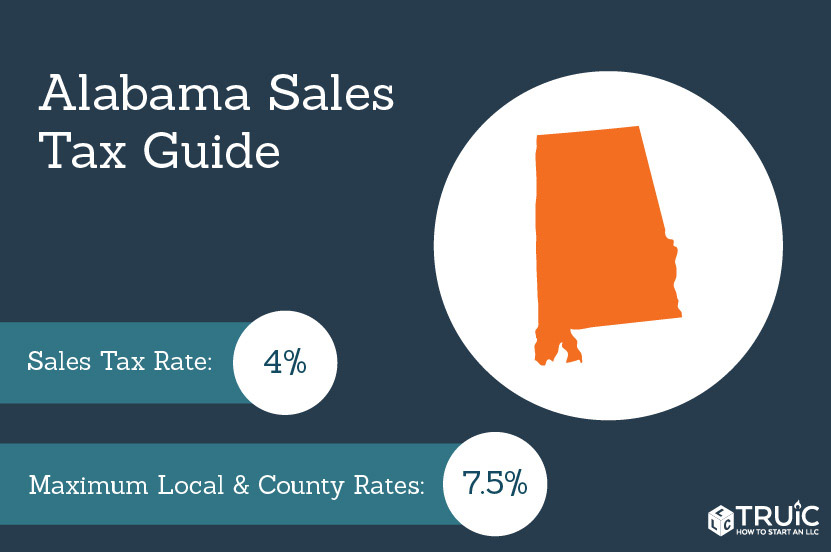
Alabama’s sales tax system is a blend of state and local rates, making it somewhat complex for first-time visitors. Unlike some states with a single, uniform sales tax, Alabama features a state-level sales tax that is then augmented by county and city sales taxes. This layered approach means that the actual sales tax rate you pay can vary significantly depending on where you are in the state. For tourists, this variability underscores the importance of a little pre-trip research to avoid any surprises when making purchases.
The State-Wide Base Rate
At its foundation, Alabama levies a consistent state sales tax rate across the entire state. This base rate applies to most tangible personal property sold at retail, as well as specific services. This state rate provides a baseline for understanding the minimum tax you’ll encounter on taxable goods. However, it’s crucial to remember that this is just the starting point, and rarely the final percentage you’ll see on your receipt. For budget-conscious travelers, factoring in this base rate for general purchases like souvenirs or snacks is a good preliminary step, but a more comprehensive understanding requires delving into local variations.
Local Sales Taxes: The Crucial Variable
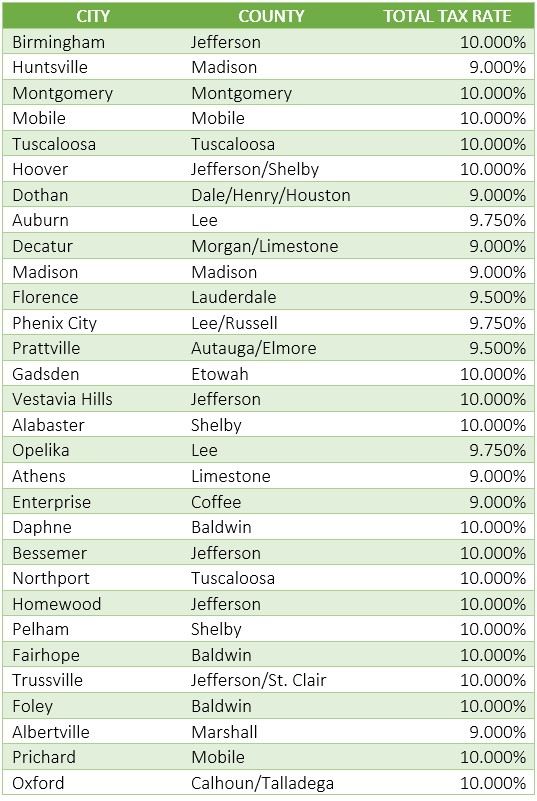
Where Alabama’s sales tax system truly diverges is in its robust system of local sales taxes. Each county and municipality in the state has the authority to impose its own sales tax, which is added on top of the state rate. This means that purchasing an item in Montgomery might incur a different total sales tax than buying the same item in Huntsville or Mobile. These local rates can range widely, and they are a significant factor in the overall cost of goods and services. For instance, popular tourist destinations often have higher local taxes to help fund public services and infrastructure, which can impact everything from your restaurant bill to the price of admission to attractions. Always consider these local variations when estimating expenses for specific parts of your Alabama itinerary.
Combined Rates: What You Really Pay
To determine the actual sales tax rate you will pay as a tourist in Alabama, you must combine the state sales tax rate with the applicable county and city sales tax rates for that specific location. For example, if the state rate is 4%, a county adds 2%, and a city adds 3%, your combined sales tax rate would be 9%. This combined rate is what will appear on your receipts for taxable purchases. This aggregate figure is what truly matters for your travel budget. It’s always wise to check the local tax rates for the cities and counties you plan to visit. Many municipal and county websites provide this information, or a quick search for “sales tax in specific Alabama city” should yield accurate results. Understanding these combined rates helps in making informed decisions, whether it’s about dining out or purchasing gifts.
How Sales Tax Impacts Your Travel Budget in Alabama
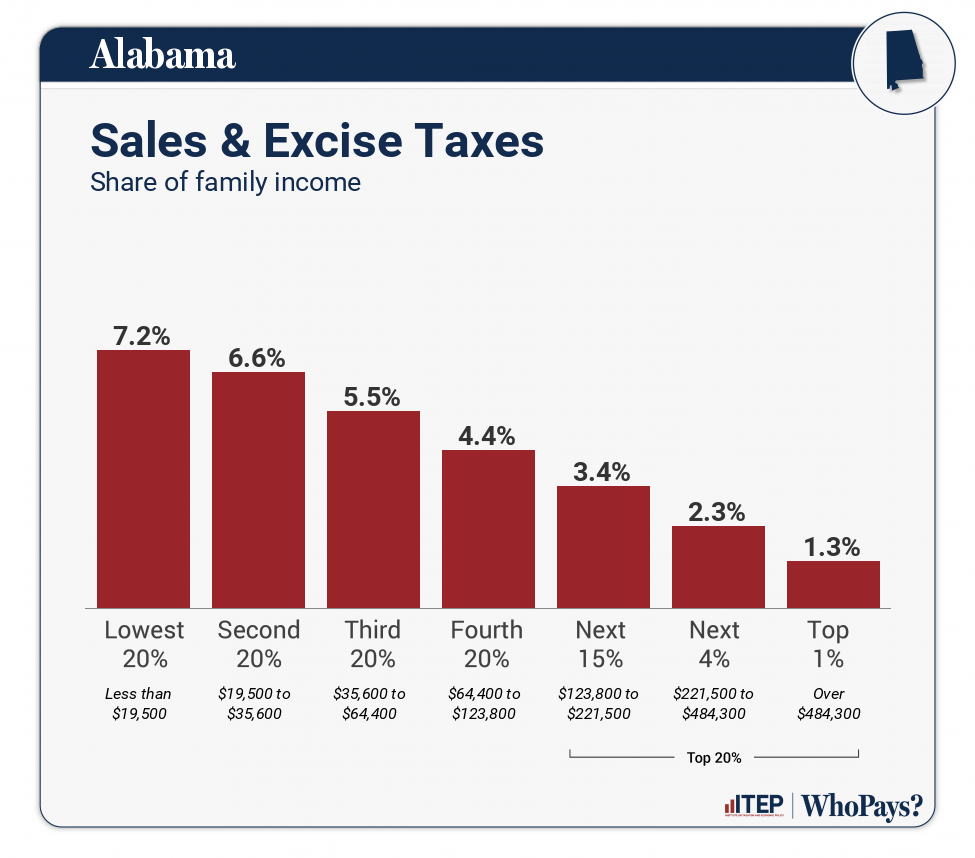
Sales tax, while seemingly a small percentage, can accumulate and noticeably affect your overall travel budget in Alabama. For tourists, it’s not just about the big purchases; even everyday spending on food, souvenirs, and activities contributes to the total tax burden. By understanding where and how sales tax applies, visitors can better plan their expenses and ensure they have enough funds for all the memorable experiences Alabama has to offer.
Everyday Purchases: Souvenirs, Groceries, and More
Nearly every tangible item you purchase in Alabama will be subject to sales tax. This includes the charming souvenirs you pick up from a gift shop in Fairhope, the groceries you buy for a picnic at Cheaha State Park, or even a new pair of flip-flops you grab for the beach in Orange Beach. While individual items might not seem like much, these small charges add up quickly over the course of a trip. For those planning extended stays or aiming for budget travel, factoring in sales tax for daily essentials is crucial. Remember that certain food items, specifically unprepared groceries, might have a lower sales tax rate or even be exempt from a portion of the state sales tax, which can be a minor saving for self-catering tourists.
Activities and Attractions: Hidden Costs
The cost of admission to Alabama’s many attractions is often subject to sales tax. Whether you’re visiting the U.S. Space & Rocket Center in Huntsville, exploring the Civil Rights Institute in Birmingham, or enjoying a day at a theme park, the ticket price you see advertised might not be the final amount you pay. Sales tax will likely be added at the point of purchase. The same applies to various activities like guided tours, equipment rentals (kayaks, bikes), or even tickets to sporting events or concerts. Always assume that sales tax will be applied to these types of purchases and factor it into your activity budget to avoid any surprises.
Rental Cars and Transportation
If your Alabama adventure involves renting a car, be aware that not only is sales tax applied to the rental fee, but there may also be additional state and local rental car specific taxes or surcharges. These can significantly increase the total cost of your vehicle. Similarly, other forms of paid transportation, depending on the service, may also include sales tax. For instance, bus tickets or ride-sharing services often have tax components built into their fares. When comparing rental car prices or transportation options, ensure you look at the all-inclusive cost, including all taxes and fees, to get an accurate picture of your expenditure. This is especially important for multi-day rentals where these fees can compound.
Navigating Sales Tax on Accommodation and Dining
Beyond general purchases, two significant expenditures for most tourists are accommodation and dining. Both categories have specific tax considerations in Alabama that visitors should be aware of to effectively manage their travel expenses.
Hotel and Lodging Taxes
Accommodation in Alabama is subject to sales tax, and often, an additional lodging or occupancy tax. Similar to general sales tax, these lodging taxes can vary significantly by county and city. For example, a stay in a luxury resort in Point Clear might have a different combined lodging tax rate than a quaint bed and breakfast in Dothan. These taxes are typically calculated as a percentage of the room rate and are added to your bill. It’s not uncommon for combined state and local lodging taxes to push the total cost of a room significantly higher than the advertised base rate. When booking your hotel, always check the final price, including all taxes and fees, to get an accurate total. This transparency is crucial for budgeting, especially if you plan an extended stay or are booking multiple accommodations across different parts of the state.
Restaurant Meals and Food Service
Dining out is an integral part of the travel experience, and Alabama’s culinary scene is certainly worth exploring. However, all prepared food and beverages purchased at restaurants, cafes, and other food service establishments are subject to the full combined state and local sales tax rates applicable to that location. This includes everything from a fine dining experience in Orange Beach to a casual lunch at a roadside diner near Muscle Shoals. Even fast food or pre-packaged sandwiches from a convenience store that are intended for immediate consumption will carry the sales tax. When budgeting for meals, remember to factor in this additional percentage on top of menu prices. This also applies to alcoholic beverages purchased at restaurants or bars, which are taxed like other food and beverage items.
Key Sales Tax Exemptions and Special Cases for Visitors
While most purchases in Alabama are subject to sales tax, there are a few notable exemptions and special cases that tourists might encounter. Being aware of these can potentially lead to minor savings, particularly for those planning longer trips or with specific purchasing habits.
Certain Food Items (Unprepared Food)
One significant exemption often relevant to tourists is for unprepared food items. While prepared meals from restaurants are fully taxed, most basic groceries purchased from supermarkets or grocery stores for at-home consumption (or for a picnic) are often subject to a lower state sales tax rate or even complete exemption from certain local sales taxes. Historically, Alabama has had a state sales tax on groceries, though efforts have been made to reduce or eliminate this. Tourists who choose to self-cater some meals, especially those staying in accommodations with kitchenettes, might find a slight cost advantage here. Always check your receipt carefully for the exact tax breakdown on grocery purchases.
Specific Services
Generally, sales tax in Alabama applies to the sale of tangible personal property, not most services. This means that services like haircuts, dry cleaning, or professional consultations are typically exempt from sales tax. However, services that involve the sale of tangible products, such as auto repair where parts are installed, will have sales tax applied to the parts. For tourists, this distinction might be relevant if you encounter an unexpected need for a service during your trip. It’s always a good idea to clarify if any service fee includes or excludes sales tax when in doubt.
Planning Your Alabama Trip: Beyond the Sales Tax
While understanding Alabama sales tax is an important practical step, it’s just one piece of the puzzle for a well-planned and enjoyable trip. Effective budgeting and mindful spending, combined with a spirit of adventure, will ensure your visit to the Heart of Dixie is memorable for all the right reasons.
Researching Local Rates Before You Go
The single most effective way to manage sales tax surprises is to conduct a quick search for local sales tax rates in the specific cities and counties you plan to visit. Websites for the Alabama Department of Revenue or local municipal tax departments often provide up-to-date figures. Knowing these rates for destinations like Auburn, Tuscaloosa, or Florence will allow you to estimate costs more accurately for accommodation, dining, and shopping. This proactive approach ensures that your budget reflects the true cost of your experiences.
Budgeting for the Unexpected
Even with thorough planning, unexpected expenses can arise. It’s always prudent to allocate a small contingency fund within your travel budget for unforeseen purchases or opportunities. This buffer can absorb any higher-than-expected sales tax accumulation or allow for spontaneous splurges on unique Alabama finds. By being prepared for a little flexibility, you can maintain peace of mind and fully immerse yourself in the rich culture and diverse attractions that Alabama offers.
Enjoying the Heart of Dixie Responsibly
Ultimately, sales tax is a small but integral part of the economic fabric of Alabama. The revenue generated helps fund the very infrastructure and services that enhance your tourist experience, from maintaining state parks to supporting local communities. By understanding and accounting for these taxes, you’re not just being a smart traveler; you’re also contributing to the vibrant local economy of the places you visit. So, explore the historic sites of Selma, relax on the white sands of Dauphin Island, and savor the unique flavors of Alabama, all while confidently managing your travel finances.
LifeOutOfTheBox is a participant in the Amazon Services LLC Associates Program, an affiliate advertising program designed to provide a means for sites to earn advertising fees by advertising and linking to Amazon.com. Amazon, the Amazon logo, AmazonSupply, and the AmazonSupply logo are trademarks of Amazon.com, Inc. or its affiliates. As an Amazon Associate we earn affiliate commissions from qualifying purchases.