
Planning a trip to the Heart of Dixie, whether for a relaxing beach getaway, a deep dive into history, or an invigorating business venture, requires attention to detail. Among the most fundamental yet often overlooked aspects for travelers is understanding the local time zone. For those setting their sights on the captivating landscapes and vibrant cities of Alabama, it’s crucial to know that the entire state operates on Central Time. This seemingly simple fact carries significant implications for travel planning, accommodation bookings, and maximizing your overall experience.
Alabama, nestled in the southeastern United States, adheres uniformly to the Central Time Zone, observing Central Standard Time (CST) during the fall and winter months and Central Daylight Time (CDT) in the spring and summer. This means your schedule will align with UTC-6 during CST and UTC-5 during CDT, affecting everything from flight arrivals to dinner reservations. On a website dedicated to travel, hotels, tourism, and lifestyle, understanding this temporal rhythm is the first step to a seamless and enjoyable Alabama experience.
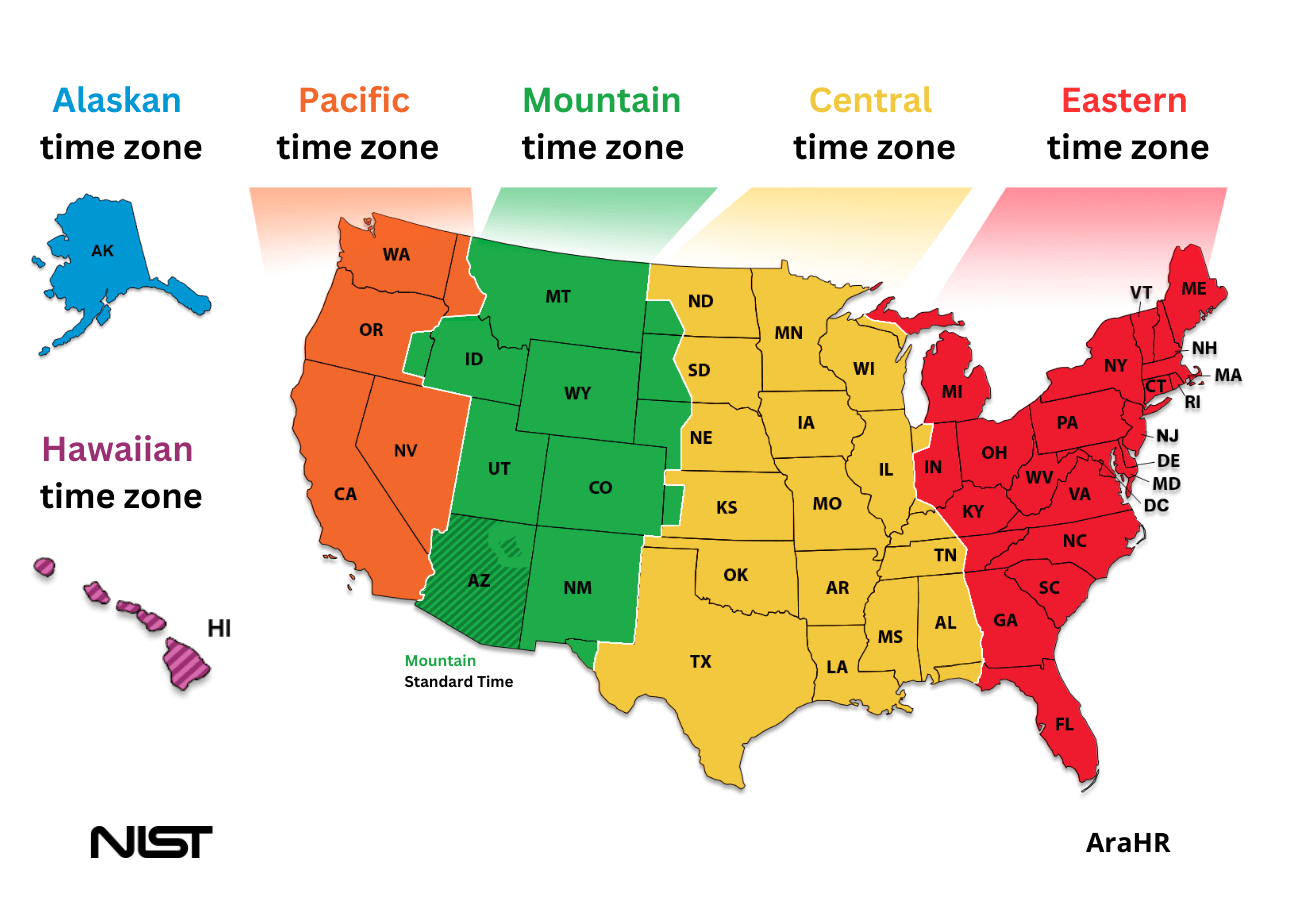
Unveiling Alabama’s Time Zone: Central Standard Time (CST) and Central Daylight Time (CDT)
At its core, the entirety of Alabama falls within the Central Time Zone. This means that when you travel across the state, from the northern mountains to the southern coastline, you won’t encounter any time zone changes. This uniformity is a blessing for travelers, simplifying itineraries and local coordination.
During roughly eight months of the year, from mid-March to early November, Alabama observes Central Daylight Time (CDT). This is when clocks are moved forward by one hour, effectively making it UTC-5. The primary purpose of Daylight Saving Time (DST) is to make better use of daylight, pushing sunsets later into the evening, which can be particularly appealing for tourists looking to enjoy extended outdoor activities and evening dining. Imagine longer days to explore the historic streets of Montgomery or to savor the coastal breezes in Gulf Shores after a delicious meal.
For the remaining four months, from early November to mid-March, the state reverts to Central Standard Time (CST), when clocks are moved back by an hour, aligning with UTC-6. This period brings earlier sunsets and can subtly influence evening plans. Being aware of these shifts is vital, especially when booking flights, making reservations, or planning events that straddle the time change dates. The transition to and from DST occurs on specific Sundays, usually the second Sunday in March and the first Sunday in November, prompting a statewide “spring forward” or “fall back” that affects every clock, from the grand old town clocks to your smartphone.
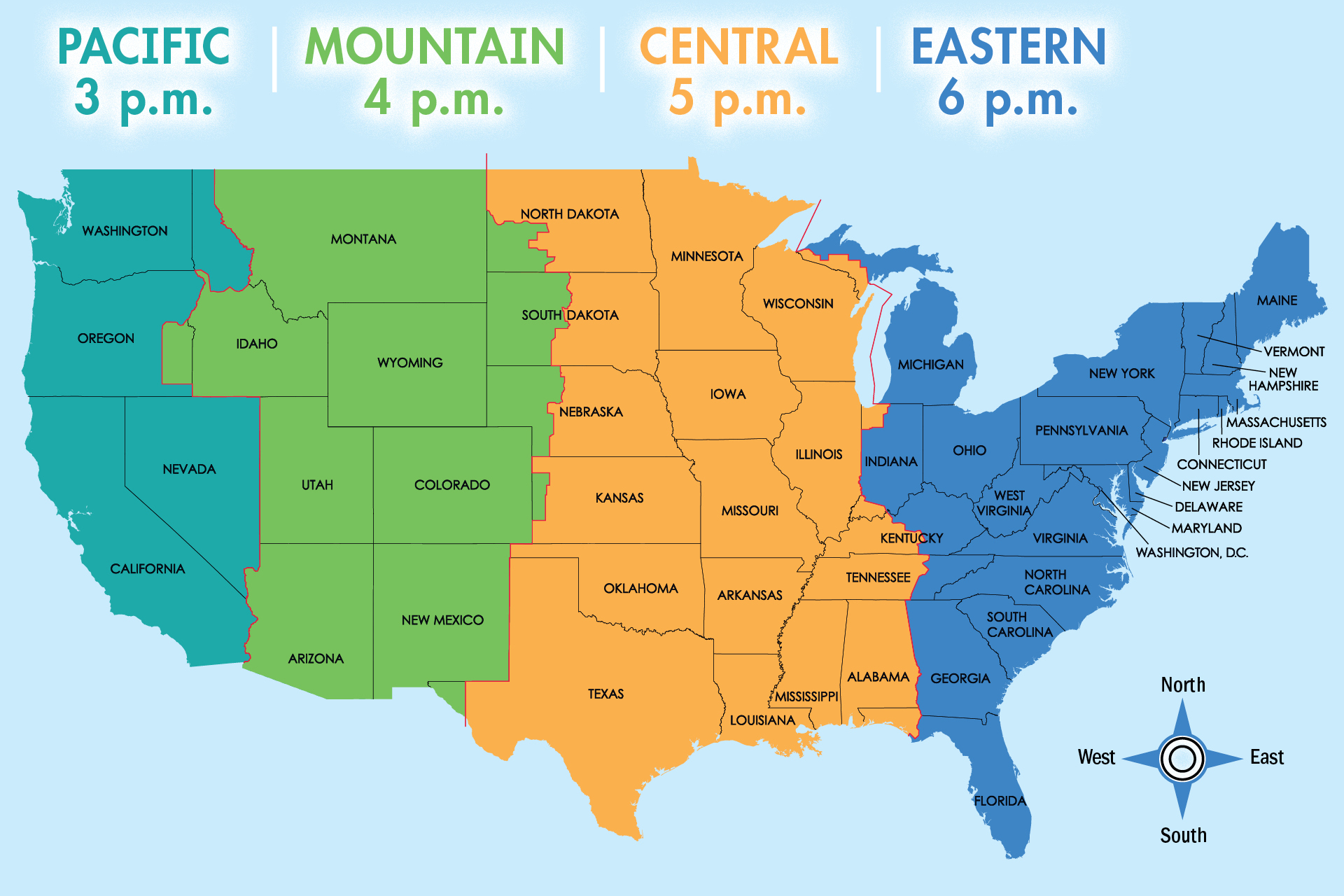
For instance, if you’re flying into Birmingham-Shuttlesworth International Airport from the Eastern Time Zone, you’ll gain an hour upon arrival. Conversely, if you’re coming from the Mountain or Pacific Time Zones, you’ll lose an hour or more, requiring careful adjustment to avoid missing connections or appointments. This foundational understanding of Alabama’s time zone provides a clear framework for all subsequent planning.
Navigating Travel and Tourism Across Alabama’s Clock
The time zone is more than just a number on a clock; it’s a foundational element that shapes the rhythms of travel and tourism in Alabama. From coordinating your arrival to immersing yourself in local culture, every aspect of your trip will interact with Central Time.
Flight Schedules and Arrival Logistics
For many visitors, the journey to Alabama begins with a flight into one of its major hubs, such as Birmingham, Montgomery, Mobile, or Huntsville. When booking flights, especially if you’re traveling from a different time zone, always confirm the arrival and departure times in local time. A flight scheduled to arrive at 2:00 PM Eastern Time will land at 1:00 PM Central Time, giving you an extra hour to settle in or start exploring. Conversely, if you depart from Alabama for an Eastern Time Zone destination, remember you’ll effectively lose an hour.
This impacts not only your personal schedule but also coordination with pre-booked services. Think about your rental car pick-up, shuttle service from the airport to your hotel, or even meeting a local contact. Specifying times in “Central Time” or “local time” for all communications ensures clarity and prevents misunderstandings that could lead to delays or missed connections. For instance, arriving in Mobile for Mardi Gras festivities, a late arrival due to a time zone miscalculation could mean missing out on an early parade.
Maximizing Your Itinerary: Attractions and Activities
Alabama’s diverse attractions range from historical sites to natural landmarks and vibrant cultural venues. Knowing the local time is paramount for planning your daily itinerary and ensuring you make the most of your visit.
In Huntsville, for example, the world-renowned U.S. Space & Rocket Center operates on a precise schedule for its guided tours and simulator experiences. Missing the start of an astronaut training simulator by even 15 minutes due to a time zone miscalculation could mean foregoing a highlight of your trip. Similarly, exploring the profound history at the Birmingham Civil Rights Institute or admiring art at the Birmingham Museum of Art requires adherence to their operating hours, all set in Central Time.
For outdoor enthusiasts heading to coastal areas like Gulf Shores and Orange Beach, or exploring the natural beauty of Lake Guntersville State Park in the north, time zone awareness affects everything from booking sunset dolphin cruises to scheduling guided fishing trips. Knowing when daylight begins and ends in CST or CDT helps optimize your time for hiking, fishing, or simply relaxing on the beach. Even a leisurely drive along the scenic Natchez Trace Parkway into Alabama needs time-zone consideration to ensure you reach your desired stop or accommodation before dark.
Culinary Experiences and Local Culture
Alabama’s culinary scene is as rich and diverse as its history, from fresh seafood in Dauphin Island to Southern comfort food in Florence. Making dinner reservations or planning to catch a live music performance in Muscle Shoals or Fairhope requires precise timing. A reservation for 7:00 PM in the Eastern Time Zone would mean you arrive at 6:00 PM local time if you haven’t adjusted your internal clock, potentially leading to an awkward wait or a missed table during peak hours.
Beyond dining, local events, festivals, and cultural performances, such as those commemorating the Civil Rights Movement in Selma or celebrating the arts in Pike Road, adhere strictly to the local time. Being punctual allows for full immersion in these unique experiences, fostering a deeper connection with Alabama’s vibrant culture and community. Many of these experiences are time-sensitive, and a small miscalculation can mean the difference between witnessing a pivotal moment and simply hearing about it.
Seamless Accommodation and Lifestyle Adjustments
Beyond the itinerary, understanding Alabama’s time zone directly impacts your stay, from checking into your hotel to managing work responsibilities while on the road.
Hotel Check-ins, Check-outs, and Services
Whether you’re booking a luxurious suite at the Renaissance Montgomery Hotel & Spa, a charming apartment in Tuscaloosa, or a family-friendly resort like The Grand Hotel Golf Resort & Spa on Mobile Bay, check-in and check-out times are always presented in local Central Time. Arriving too early or too late due to a time zone oversight could result in extra charges or a delayed start to your relaxation.
Confirming specific amenities and services, such as spa appointments, gym access, or shuttle schedules, also relies on accurate timekeeping. Imagine booking a massage for 10:00 AM Central Time, only to realize your internal clock still thinks it’s 11:00 AM Eastern Time, causing you to miss your slot. Many hotels and resorts offer early check-in or late check-out options, but these are almost always dependent on availability and typically incur an additional fee. Communicating your expected arrival clearly, using local time, can help the front desk anticipate your needs, especially if you foresee a significant time zone adjustment creating an unusual arrival time.
Business Stays and Remote Work
For professionals on a business stay in Birmingham or Huntsville, or remote workers enjoying a long-term stay in a scenic spot like Auburn, coordinating with colleagues and clients in other time zones is a daily challenge. Alabama’s Central Time means a three-hour difference from the Pacific Coast, a two-hour difference from the Mountain West, and a one-hour difference from the East Coast.
Scheduling virtual meetings, submitting deadlines, and engaging in collaborative projects demands constant vigilance regarding time zones. Missing a critical client call because of a simple time calculation error can have significant consequences. Utilizing online tools that convert time zones automatically or maintaining a world clock on your devices becomes indispensable for maintaining professional efficiency while enjoying the flexibility of travel. Many hotels like the Embassy Suites by Hilton Huntsville Hotel & Spa cater specifically to business travelers, offering connectivity and amenities that support seamless remote work, but the onus of time management ultimately rests with the individual.
Family Trips and Leisure
Family trips to Alabama often involve a packed schedule of activities, from visiting Gulf State Park to exploring the USS Alabama Battleship Memorial Park. Managing children’s schedules, particularly their sleep and meal times, is significantly influenced by time zone changes. Young travelers might experience jet lag, even with a one-hour difference, requiring parents to build in buffer time for adjustment.
Planning leisure activities, such as a round of golf on the renowned Robert Trent Jones Golf Trail or a leisurely afternoon exploring the Cahaba River National Wildlife Refuge, needs the local time in mind. Most recreational facilities, tours, and parks, including Cheaha State Park and Cathedral Caverns State Park, have specific operating hours that dictate how much time you have to enjoy them. A seamless and stress-free vacation often comes down to precise planning and being acutely aware of the local time.
The Impact of Daylight Saving Time in Alabama
As mentioned, Alabama observes Daylight Saving Time, a practice common across much of the United States. This transition occurs annually, usually on the second Sunday in March when clocks “spring forward” an hour, shifting from CST to CDT, and on the first Sunday in November when they “fall back” an hour, returning to CST.
For travelers, these transition weekends can be particularly tricky. If you arrive in Alabama on the “spring forward” Sunday, you effectively lose an hour of your day upon arrival, which can impact flight connections or pre-booked activities scheduled shortly after landing. Conversely, on the “fall back” Sunday, you gain an hour, which could lead to arriving an hour early for an appointment if you forget to adjust your clock. Most modern electronic devices automatically update, but relying solely on them can be risky. It’s always a good practice to double-check with a reliable source or explicitly ask locals about the current time during these periods.
The change to CDT means later sunsets, which is a boon for evening outdoor activities, dining al fresco, and enjoying the vibrant nightlife in cities like Birmingham or along the Gulf Coast. The longer daylight hours can extend your opportunities for exploration, whether it’s an extra hour at the beach or a prolonged visit to a historical site. Conversely, when the state reverts to CST, evenings become darker earlier, which might influence plans for outdoor dining or evening strolls. Being aware of these seasonal shifts helps in managing expectations and adjusting your itinerary for the best possible experience.
In conclusion, understanding Alabama’s adherence to the Central Time Zone, including its observance of Daylight Saving Time, is more than a trivial detail; it’s a foundational piece of information for any visitor. From managing flight schedules and hotel bookings to maximizing your time exploring incredible destinations and experiences like the U.S. Space & Rocket Center or the pristine beaches of Orange Beach, a keen awareness of the local time ensures a smoother, more enjoyable, and ultimately more rewarding journey through the captivating state of Alabama. Plan accordingly, set your watches, and prepare to immerse yourself fully in all that Alabama has to offer.
LifeOutOfTheBox is a participant in the Amazon Services LLC Associates Program, an affiliate advertising program designed to provide a means for sites to earn advertising fees by advertising and linking to Amazon.com. Amazon, the Amazon logo, AmazonSupply, and the AmazonSupply logo are trademarks of Amazon.com, Inc. or its affiliates. As an Amazon Associate we earn affiliate commissions from qualifying purchases.