
Understanding the economic landscape of a destination is a critical component of effective lifestyle planning, whether for extended travel, seasonal work, or simply budgeting for an immersive experience. For those considering Alaska as their next adventure, comprehending the state’s minimum wage provides essential insights into the cost of living, potential earnings for seasonal employment, and the overall economic rhythm that shapes the travel and tourism industry. This knowledge empowers individuals to make informed decisions about their budget travel strategies, long-term stays, and even the feasibility of embracing a temporary Alaskan lifestyle.
Understanding the Baseline: Alaska’s Minimum Wage Landscape
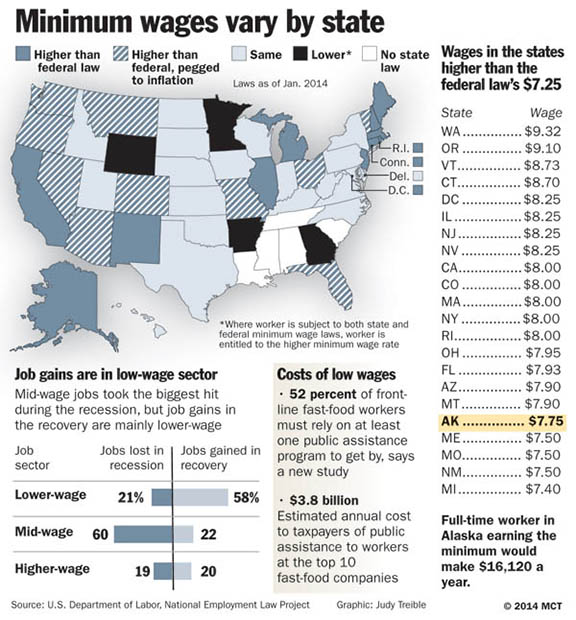
Alaska stands apart from many other U.S. states due to its unique economic drivers, high cost of living in many areas, and reliance on industries like oil, fishing, and tourism. The state’s approach to minimum wage reflects these distinct characteristics, often positioning it higher than the federal standard. For travelers and those contemplating a seasonal stint in the Last Frontier, this baseline income is more than just a number; it’s a foundation for financial planning.

Current Rates and Annual Adjustments
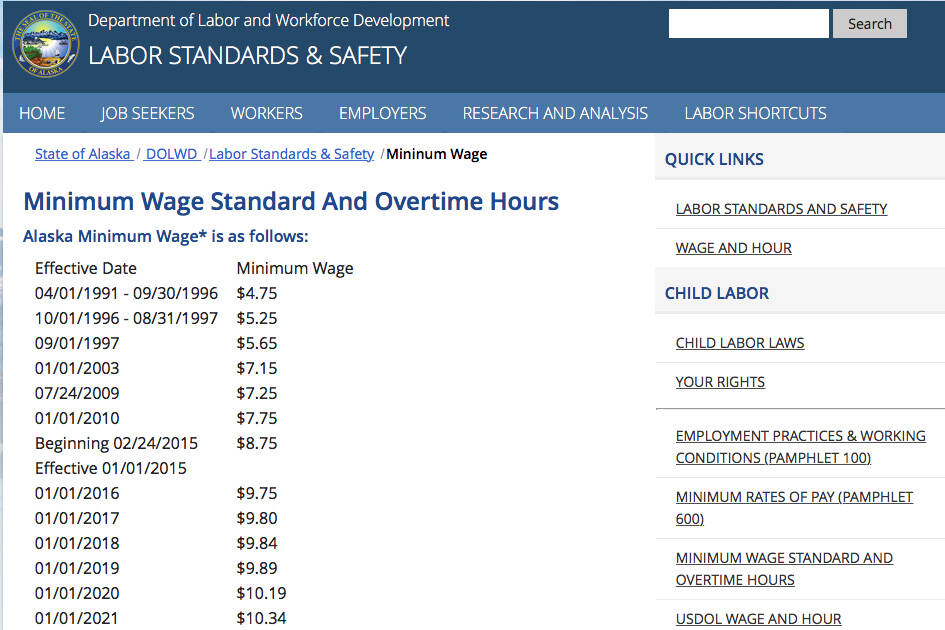
Alaska’s minimum wage is subject to annual adjustments, typically occurring on January 1st. Unlike some states that tie their minimum wage increases to legislative actions, Alaska’s rate is indexed to inflation, specifically the Consumer Price Index for urban consumers in Anchorage (CPI-U for Anchorage). This mechanism ensures that the purchasing power of minimum wage earners keeps pace with the rising cost of goods and services within the state, a crucial factor given Alaska’s generally higher expenses compared to the contiguous United States.
For lifestyle travelers, especially those planning to work in seasonal positions within the tourism or hospitality sectors, staying updated on the current minimum wage is paramount. It directly informs how much income can be expected from entry-level positions often available to transient workers, influencing savings goals and expenditure allocations. While specific figures fluctuate year-to-year, Alaska consistently maintains one of the higher minimum wages in the nation, reflecting the economic realities of operating and living in such a geographically isolated and resource-rich state.
Impact on Local Economies and Visitor Costs
The minimum wage rate in Alaska has a ripple effect throughout its local economies, influencing everything from the price of a coffee in Juneau to the cost of guided tours in Denali National Park. Businesses, especially those in the service and tourism industries, factor labor costs heavily into their pricing structures. Consequently, a higher minimum wage often translates to higher prices for consumers, including visitors.
For budget-conscious travelers, understanding this relationship is vital. When planning a trip to Alaska, it’s important to anticipate that everyday expenses – dining out, transport, certain activities – might be elevated compared to other destinations with lower labor costs. This isn’t necessarily a deterrent, but rather a point of awareness for astute budget management. It also underscores the value of the services provided by the local workforce, who, thanks to a robust minimum wage, can better afford to live and contribute to the vibrant communities that make Alaska such a unique place to visit. Embracing the local economy, while perhaps initially appearing more expensive, supports the very fabric of the Alaskan lifestyle that many travelers seek to experience.
Budgeting for Your Alaska Lifestyle: How Minimum Wage Matters
For those who dream of an extended stay in Alaska, perhaps combining travel with temporary work, the minimum wage becomes a cornerstone of their financial strategy. This is especially true for individuals opting for a “work and travel” lifestyle, which is increasingly popular among younger travelers and those seeking unique cultural immersion without significant upfront savings.
Seasonal Work Opportunities and Earning Potential
Alaska’s tourism industry thrives during the summer months, creating a plethora of seasonal job opportunities across the state. From tour guides and hospitality staff in Anchorage, Juneau, and Fairbanks to cannery workers on Kodiak Island or cruise ship support staff in towns like Skagway and Sitka, these positions often pay at least the state’s minimum wage. For many, these jobs offer a unique way to fund their Alaskan adventure, experience the local culture from an insider’s perspective, and build invaluable professional skills.
The higher minimum wage in Alaska means that even entry-level positions can provide a decent income to cover living expenses and still allow for some savings or travel excursions. Many seasonal employers also offer benefits like dormitory-style housing, meals, or discounted tours, which significantly reduce a worker’s overall cost of living and amplify their effective earning potential. This setup makes the dream of an Alaskan lifestyle more accessible, enabling travelers to offset the state’s higher cost of goods and services with a competitive hourly wage. Planning for these opportunities requires research into specific industries and locations, as demand can be high and competition fierce for certain roles.
Cost of Living Considerations for Travelers and Long-Term Visitors
While the minimum wage sets a baseline for earnings, the cost of living in Alaska dictates how far that income will stretch. Visitors considering an extended stay, even for just a few months, must factor in the higher expenses for housing, groceries, and transportation. Major cities like Anchorage and Juneau, and remote areas like those surrounding Denali National Park, can present significantly elevated costs compared to other parts of the United States.
For long-term visitors, understanding these dynamics is crucial for sustainable budgeting. A strong minimum wage helps, but careful planning around housing is often the biggest hurdle. Shared accommodations, company-provided housing for seasonal workers, or seeking rentals further outside tourist hubs can mitigate costs. Similarly, grocery bills can be managed by opting for local supermarkets over convenience stores and focusing on staples rather than imported specialty items. For those embracing a true Alaskan lifestyle, learning to live resourcefully and taking advantage of the natural environment for recreation (hiking, fishing, wildlife viewing) rather than relying solely on paid attractions becomes a key strategy for making the budget work.
Navigating Expenses: Practical Tips for a Minimum Wage-Minded Trip
Experiencing the grandeur of Alaska doesn’t have to break the bank, even with its higher cost of living. By strategically planning and adopting a budget-conscious lifestyle, travelers can maximize their adventure, whether for a short trip or an extended stay supported by seasonal work.
Accommodation Strategies in High-Cost Areas
Accommodation often represents the largest single expense for any traveler in Alaska. In popular tourist destinations like Anchorage, Juneau, or near Denali National Park, hotel prices can be prohibitive, especially during peak season. Savvy travelers, mindful of the state’s economic landscape, employ several strategies:
- Hostels and Guesthouses: These offer a more affordable option, particularly in larger cities and towns like Fairbanks or Homer, providing a social atmosphere and communal facilities that can help reduce food costs.
- Camping: Alaska boasts an incredible array of public and private campgrounds. Camping allows for significant savings while immersing visitors in the state’s unparalleled natural beauty. Many state and national parks offer designated campsites, often with basic amenities.
- Vacation Rentals (Off-Peak): Websites offering vacation rentals can provide good value, especially for groups or for longer stays during the shoulder seasons. Renting a cabin or apartment with kitchen facilities allows for self-catering, further cutting down on expenses.
- Seasonal Worker Housing: For those taking on temporary jobs, employer-provided housing is a common benefit. This can range from basic dormitories to shared apartments and is often the most cost-effective solution for extended stays.
By diversifying accommodation choices and being flexible with locations, the impact of high lodging costs can be significantly mitigated, allowing more of the budget to be allocated to experiences.
Food and Activity Budgeting
Dining out in Alaska can quickly deplete a budget due to the higher minimum wage impacting labor costs and the expense of importing many food items. Embracing a more localized and self-sufficient approach to food and activities is a key lifestyle adjustment for budget travelers.
- Self-Catering: Prioritize grocery shopping and preparing your own meals, especially for breakfast and lunch. Many rental accommodations, hostels, and campgrounds offer kitchen access. Farmers’ markets in cities like Anchorage or Girdwood can provide fresh, local produce at competitive prices.
- Picnics and Packed Lunches: When exploring Denali National Park or embarking on long drives, pack snacks and lunches. This avoids relying on expensive roadside eateries or national park concessions.
- Free and Low-Cost Activities: Alaska’s greatest attractions are its natural wonders, most of which are free to access. Hiking, wildlife viewing, fishing (with a license), exploring state parks, and simply enjoying the vast landscapes cost very little. Many towns offer free museums, visitor centers, or cultural events during the summer. Focus on these experiences over high-cost guided tours where possible.
- Happy Hour Deals: For those who wish to experience local dining, seek out happy hour specials or lunch menus which are often more affordable than dinner.
Off-Season Travel and Savings
The summer months (June-August) represent Alaska’s peak tourist season, leading to higher prices for everything from flights and accommodation to tours and car rentals. For a budget-minded lifestyle, especially one impacted by understanding the minimum wage’s effect on pricing, considering shoulder seasons (May, September) or even the winter months can unlock significant savings.
- Shoulder Season Benefits: May and September offer milder weather, fewer crowds, and often substantially lower prices for lodging and activities. Many seasonal businesses are still open, providing a great balance between accessibility and affordability. You might also find better deals on car rentals during these periods.
- Winter Wonderland Savings: While winter travel requires different preparation and offers distinct experiences, it is undeniably the cheapest time to visit Alaska. Flights and accommodations are at their lowest rates, and activities like aurora borealis viewing, dog sledding, and skiing are plentiful. This option is perfect for the truly adventurous budget traveler looking for a unique, extended lifestyle experience without the peak-season price tag.
By meticulously planning and adopting these budget-conscious strategies, individuals can fully embrace the Alaskan lifestyle, leveraging their understanding of the state’s minimum wage to navigate expenses effectively and create an unforgettable experience.
LifeOutOfTheBox is a participant in the Amazon Services LLC Associates Program, an affiliate advertising program designed to provide a means for sites to earn advertising fees by advertising and linking to Amazon.com. Amazon, the Amazon logo, AmazonSupply, and the AmazonSupply logo are trademarks of Amazon.com, Inc. or its affiliates. As an Amazon Associate we earn affiliate commissions from qualifying purchases.