
In the vast and intricate tapestry of global cuisine, few ingredients hold as significant and versatile a place as Alaska Pollock. Often overshadowed by its more glamorous salmon and cod relatives, this humble, flaky white fish is, in fact, one of the most widely consumed seafood species worldwide, forming the backbone of countless dishes from fast-food favorites to sophisticated culinary creations. Far from being just another fish, Alaska Pollock represents a remarkable story of ecological abundance, responsible management, and profound economic impact, deeply intertwined with the identity of its namesake state. For anyone exploring the depths of local culture through food, understanding Alaska Pollock is to grasp a fundamental aspect of maritime heritage and sustainable eating. This article delves into what makes this fish so special, tracing its origins, culinary journey, and the sustainable practices that ensure its place on our plates for generations to come.
The Origin and Identity of Alaska Pollock
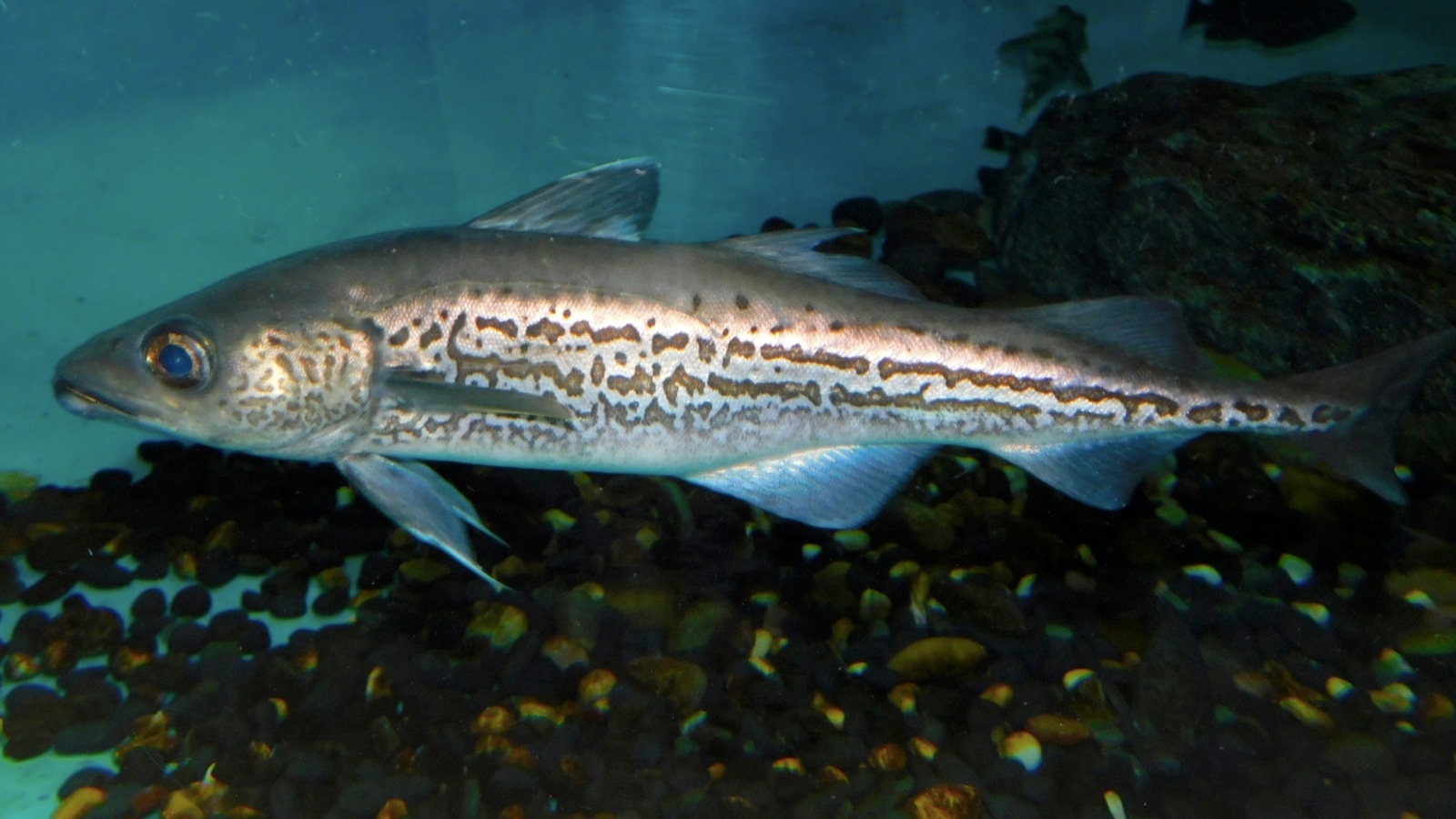
To truly appreciate [Alaska Pollock], one must first understand where it comes from and what distinguishes it. This incredibly abundant fish is intrinsically linked to the cold, nutrient-rich waters of the North Pacific, thriving in an environment that shapes its unique characteristics.
A Deep Dive into its Habitat
[Alaska Pollock] (Gadus chalcogrammus) primarily inhabits the sprawling, frigid expanses of the Bering Sea and the Gulf of Alaska. These immense marine ecosystems, stretching off the coast of Alaska, provide the perfect conditions for this schooling fish to flourish. The cold temperatures ensure slow growth, which contributes to its firm texture, while the abundant plankton and small crustaceans provide a rich food source, allowing massive populations to thrive. These specific regions are not merely fishing grounds; they are dynamic, complex habitats where the delicate balance of marine life is meticulously studied and managed. The pristine nature of these waters is a key factor in the high quality of the fish caught, reflecting the health of its environment. The deep, often turbulent waters are home to immense biomass, making the capture of [Alaska Pollock] a testament to both nature’s generosity and human ingenuity in harvesting it responsibly.Biological Profile and Key Characteristics
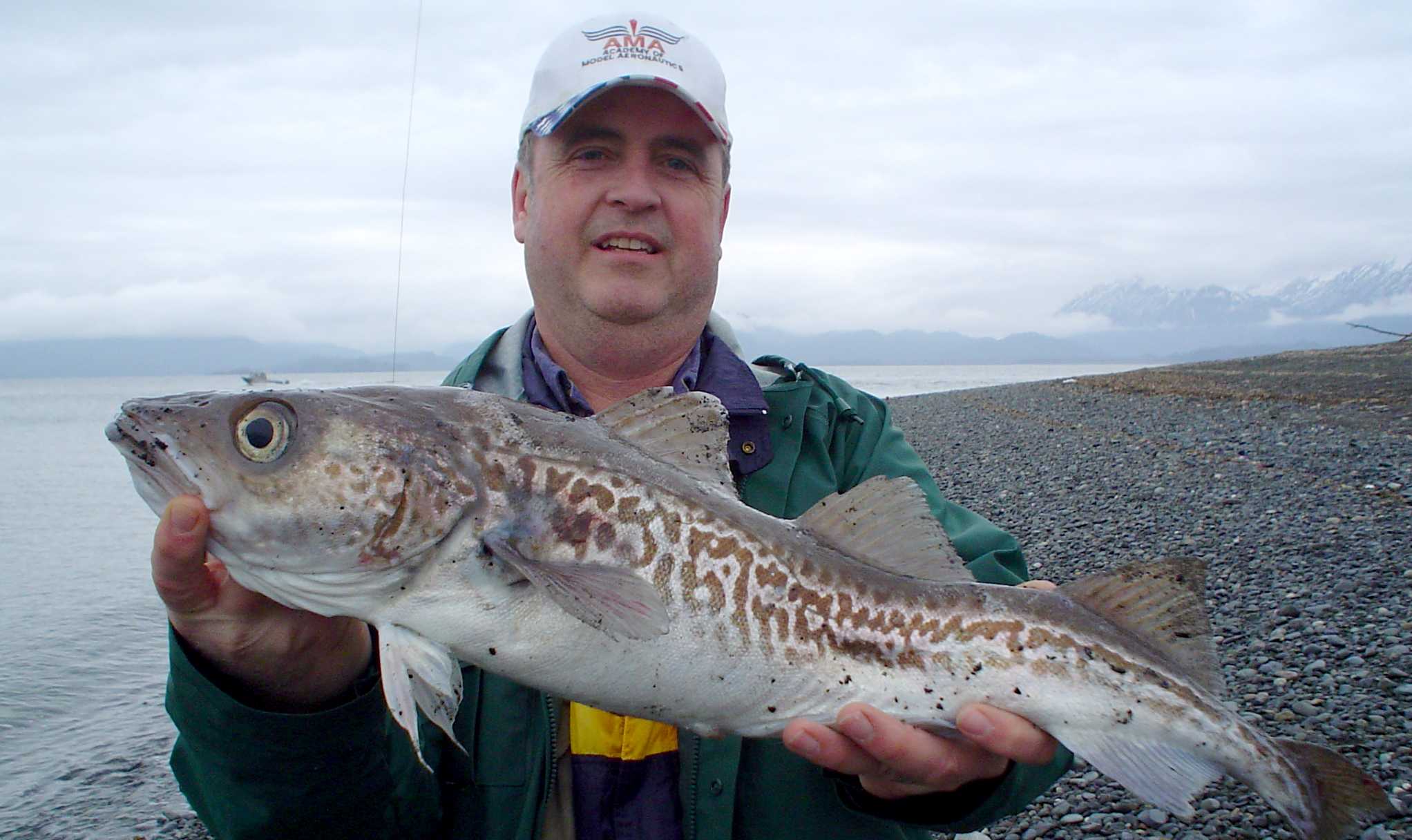
Scientifically known as Gadus chalcogrammus, [Alaska Pollock] belongs to the cod family, sharing many of its cousins’ desirable traits while possessing its own distinct advantages. It is characterized by its lean, white flesh, which cooks up firm yet exceptionally flaky. The flavor profile is remarkably mild and delicate, making it a highly versatile canvas for a wide array of seasonings and culinary applications. This mildness is a significant reason for its global appeal, as it doesn’t overpower other ingredients and is generally palatable to a broad audience, including those who might be less adventurous with stronger-tasting fish. Typically, an adult [Alaska Pollock] can grow to be about two to three feet long and weigh anywhere from two to eight pounds. Its silvery body, often mottled with darker spots, allows it to camouflage effectively in its deep-sea environment. Beyond its physical attributes, its rapid growth rate and prolific spawning habits contribute to its status as one of the most sustainably managed and abundant fish stocks in the world.
Culinary Significance and Versatility
The true global reach of [Alaska Pollock] is best understood through its omnipresence in kitchens and dining tables around the world. Its mild flavor, flaky texture, and affordability have cemented its status as a culinary workhorse.
A Staple in Global Cuisine
[Alaska Pollock]’s neutral taste makes it an ideal ingredient for a myriad of dishes, allowing it to seamlessly integrate into diverse culinary traditions without imposing a dominant flavor. It is perhaps best known as the primary ingredient in surimi, the processed fish paste used to create imitation crab meat, fish balls, and various other seafood extenders popular in Asian cuisine and beyond. This transformative application alone accounts for a significant portion of the global [Alaska Pollock] catch. Beyond surimi, it is the fish of choice for the ubiquitous fish sticks, which have been a childhood staple for generations, and a common component in countless frozen fish fillets and fast-food sandwiches. Its ability to absorb flavors and its consistent texture make it a reliable and preferred option for large-scale food production. This widespread acceptance speaks volumes about its adaptability and appeal to an international palate seeking healthy, accessible protein.Popular Preparations and Dishes
The versatility of [Alaska Pollock] is showcased in the diverse ways it can be prepared. Its lean white flesh holds up well to various cooking methods, making it a favorite for both home cooks and professional chefs. It can be baked with herbs and lemon for a light, healthy meal, or pan-fried to a golden crisp for a comforting classic. Battering and deep-frying it transforms it into the quintessential fish and chips, a beloved dish in many Western countries, where its delicate flakes perfectly complement the crispy coating. Grilling [Alaska Pollock] fillets adds a smoky dimension, while steaming preserves its natural moisture and mildness, often served with a simple sauce. Furthermore, its texture makes it an excellent candidate for fish tacos, salads, and even stews, where it breaks apart beautifully, infusing the dish with its subtle seafood essence. From gourmet restaurants in Anchorage to humble street food stalls, the adaptability of [Alaska Pollock] ensures its enduring presence on menus worldwide.
Sustainable Fishing and Economic Impact
The story of [Alaska Pollock] is also a testament to successful fisheries management and its vital role in the economic well-being of coastal communities. The sheer volume of the catch demands rigorous oversight to ensure long-term viability.

Alaska’s Commitment to Sustainability
The fisheries for [Alaska Pollock] in the [Bering Sea] and [Gulf of Alaska] are renowned globally for their robust and science-based management. Governed by strict quotas and regulations, these fisheries are a prime example of sustainable harvesting. Organizations like the Marine Stewardship Council (MSC) have certified the [Alaska Pollock] fishery, recognizing its commitment to maintaining healthy fish stocks and minimizing environmental impact. This certification assures consumers that the fish they are buying comes from a well-managed and sustainable source. The management regime includes sophisticated stock assessments, limits on total allowable catch, gear restrictions to reduce bycatch, and observer programs to monitor fishing activities. These proactive measures ensure that the populations of [Alaska Pollock] remain healthy and capable of replenishing themselves, securing the future of both the species and the industry that relies upon it. This commitment to sustainability is not just an environmental imperative but also a key factor in the marketability and reputation of Alaskan seafood.
Economic Backbone for Coastal Communities
The [Alaska Pollock] fishery is an economic powerhouse for [Alaska] and the United States as a whole. It supports thousands of jobs, from fishermen and processing plant workers to researchers and administrators. Coastal towns such as Dutch Harbor on Unalaska Island, Kodiak, and other communities along the Alaskan coastline heavily depend on the industry. These towns transform into bustling hubs during the fishing seasons, with docks crowded with vessels and processing plants working around the clock. The revenue generated from the sale and export of [Alaska Pollock] contributes significantly to the state and national economies. It helps fund public services, supports local businesses, and preserves a traditional way of life that has been passed down through generations. Beyond direct employment, the industry fosters innovation in processing technology, cold chain logistics, and environmental monitoring, solidifying [Alaska]’s position as a leader in sustainable seafood production. This economic impact extends far beyond the fishing grounds, touching lives and livelihoods across the globe.
Health Benefits and Nutritional Value
Beyond its culinary appeal and economic importance, [Alaska Pollock] offers a wealth of nutritional benefits, making it an excellent choice for a healthy diet.
A Lean Protein Powerhouse
[Alaska Pollock] is an exceptionally lean source of high-quality protein, crucial for muscle repair, growth, and overall bodily function. A typical serving provides a substantial amount of protein with very few calories and minimal fat, making it an ideal choice for those managing their weight or seeking a heart-healthy diet. While often compared to salmon, [Alaska Pollock] has a significantly lower fat content, which includes fewer Omega-3 fatty acids, but it still contributes to one’s intake of these essential fats. Its low caloric density means one can enjoy a satisfying portion without compromising dietary goals. For individuals seeking a clean, natural protein source, [Alaska Pollock] offers an accessible and affordable option that aligns with various dietary preferences and health objectives. Its ability to be easily incorporated into diverse meal plans further enhances its utility as a nutritional staple.Essential Vitamins and Minerals
In addition to protein, [Alaska Pollock] is packed with an array of essential vitamins and minerals vital for maintaining good health. It is an excellent source of Vitamin B12, which is critical for nerve function and the production of red blood cells. It also provides significant amounts of Phosphorus, a mineral crucial for strong bones and teeth, as well as energy metabolism. Selenium, a powerful antioxidant that supports immune function and thyroid health, is also abundant in [Alaska Pollock]. Furthermore, it contains potassium, which helps regulate blood pressure, and magnesium, important for muscle and nerve function, blood glucose control, and blood pressure regulation. These nutrients collectively contribute to a robust nutritional profile, supporting everything from cardiovascular health to cognitive function. Incorporating [Alaska Pollock] into a balanced diet offers a simple yet effective way to boost one’s intake of these vital micronutrients, promoting overall well-being.
Experiencing Alaska Pollock as a Tourist
For those visiting [Alaska], the opportunity to experience [Alaska Pollock] transcends mere consumption; it becomes an immersion into the state’s vibrant culinary culture and a deeper appreciation for its natural resources.
Seafood Experiences in Alaska
When traveling through [Alaska], particularly in coastal towns, tourists will find abundant opportunities to enjoy fresh [Alaska Pollock]. While salmon might hog the spotlight, [Alaska Pollock] holds its own, especially when prepared with local flair. Restaurants in cities like Juneau, [Anchorage], and [Kodiak] often feature it on their menus, offering everything from crispy fish and chips made with freshly caught pollock to more refined preparations that highlight its delicate flavor. Visiting local seafood markets, especially in places like [Dutch Harbor], can provide a direct connection to the source, allowing travelers to see the fresh catch and understand the scale of the fishing operations. These culinary experiences are not just about eating; they are about connecting with the local economy, the fishing heritage, and the pristine environment that yields such high-quality seafood. Engaging with local fishermen or seafood vendors can also offer insightful stories about their trade and the importance of sustainable practices to their livelihoods and the Alaskan way of life.
Cooking with Pollock: Bringing Alaska Home
The allure of [Alaska Pollock] doesn’t have to end with a restaurant meal; tourists can easily bring a piece of their Alaskan culinary experience home. Fresh or frozen [Alaska Pollock] fillets are readily available in supermarkets across the [United States] and globally, often at an accessible price point. When purchasing, look for certifications like the MSC label to ensure sustainability. Once home, the fish’s versatility makes it incredibly easy to prepare. Consider recreating a classic baked pollock with a simple lemon-dill sauce, or experimenting with fish tacos, a favorite way to enjoy its flaky texture. For those feeling adventurous, trying a homemade version of fish sticks or a light seafood curry can be a rewarding culinary endeavor. Sharing these dishes with friends and family not only extends the enjoyment of an Alaskan journey but also promotes awareness of this remarkable and responsibly sourced seafood. It’s a delicious way to keep the spirit of [Alaska] alive in your kitchen long after your travels.
In conclusion, [Alaska Pollock] is far more than just a ubiquitous ingredient; it is a marvel of nature and a triumph of sustainable human endeavor. From the icy depths of the [Bering Sea] and [Gulf of Alaska] to dining tables across the globe, its journey is one of abundance, ecological stewardship, and profound economic impact. Its mild flavor, flaky texture, and impressive nutritional profile make it a culinary cornerstone, while the rigorous sustainability practices governing its harvest ensure it remains a responsible choice for consumers. For tourists, experiencing [Alaska Pollock] offers a tangible connection to [Alaska]’s rich maritime culture and a taste of its commitment to preserving its natural heritage. Understanding what [Alaska Pollock] is, where it comes from, and why it’s important enriches our appreciation for sustainable seafood and the vital role it plays in our global food system and the unique allure of [Alaska].
LifeOutOfTheBox is a participant in the Amazon Services LLC Associates Program, an affiliate advertising program designed to provide a means for sites to earn advertising fees by advertising and linking to Amazon.com. Amazon, the Amazon logo, AmazonSupply, and the AmazonSupply logo are trademarks of Amazon.com, Inc. or its affiliates. As an Amazon Associate we earn affiliate commissions from qualifying purchases.