
The culinary world is a vibrant tapestry, woven with threads of tradition, innovation, and regional flair. Within this vast landscape, sushi has carved out a significant niche, captivating palates across the globe. While many associate sushi with the delicate artistry of raw fish and vinegared rice, the evolution of this Japanese staple has led to fascinating cross-cultural adaptations. One such adaptation, often sparking curiosity among diners and food enthusiasts alike, is the Alaska Roll. This popular sushi creation, while bearing a name that evokes the rugged beauty and icy expanses of the Last Frontier, has a story and a composition that are distinctly its own, offering a delightful blend of familiar and unexpected flavors.
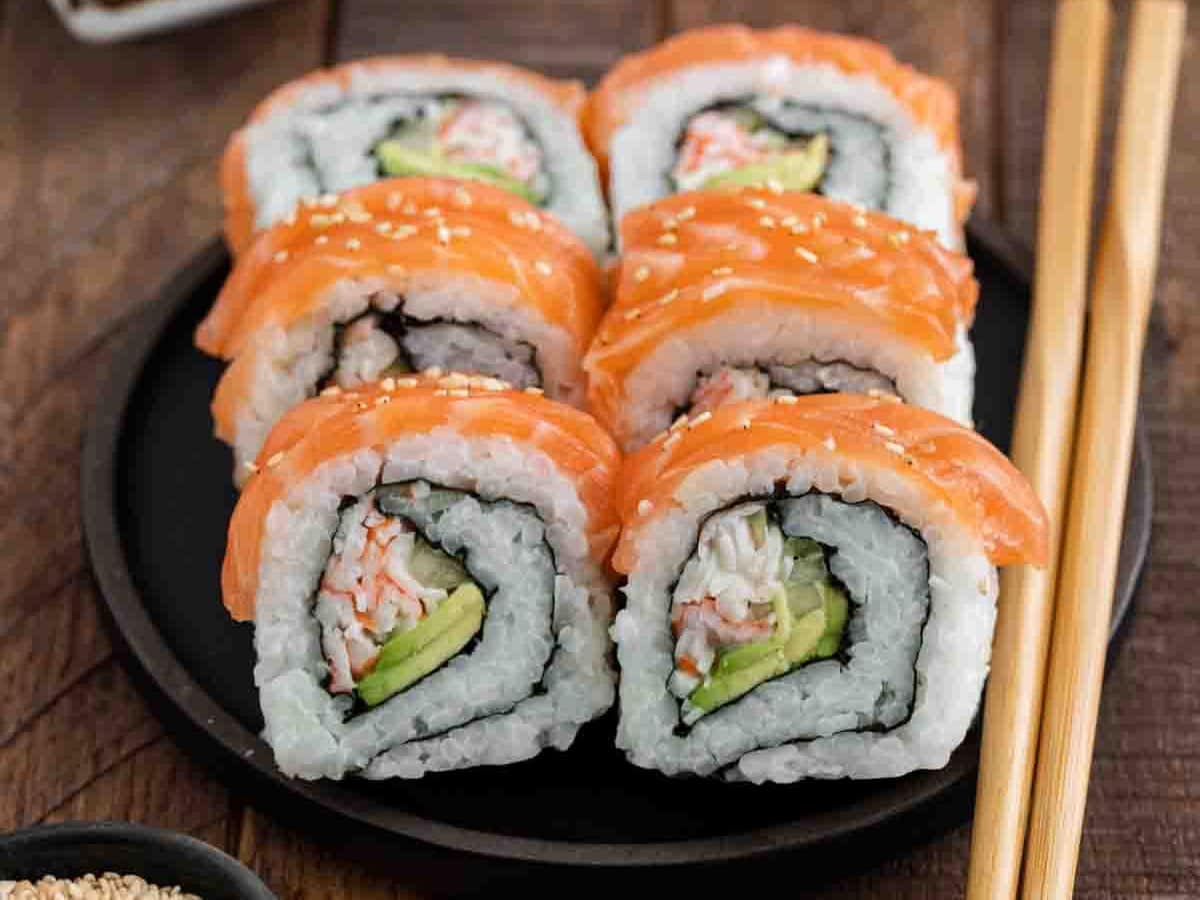
The genesis of the Alaska Roll is rooted in the broader trend of “Westernization” of sushi, particularly within the United States, during the latter half of the 20th century. As sushi gained popularity beyond its native shores, chefs began experimenting with ingredients and flavor profiles that resonated with local tastes. This led to the development of rolls that incorporated cooked ingredients, cream cheese, and a wider array of vegetables, moving away from the strictly traditional. The Alaska Roll is a prime example of this culinary fusion, presenting a more approachable entry point for those new to sushi, while still offering a nuanced and satisfying experience for seasoned sushi aficionados.
Unpacking the Alaska Roll: Key Ingredients and Flavors
At its core, the Alaska Roll is defined by a harmonious interplay of textures and tastes. Understanding its constituent parts is key to appreciating its appeal.
The Foundation: Rice and Nori
Like virtually all sushi rolls, the Alaska Roll begins with a bed of perfectly cooked sushi rice, seasoned with a delicate mixture of rice vinegar, sugar, and salt. This rice provides a slightly sweet and tangy base that balances the other ingredients. The rice is then spread thinly over a sheet of roasted seaweed, known as nori, which forms the outer wrapper of the roll. The nori, with its subtle oceanic umami, adds another layer of complexity and acts as a functional binder.
The Star: Salmon
The defining ingredient of the Alaska Roll, and the source of its name, is salmon. However, the preparation of the salmon can vary. Most commonly, it is fresh, raw salmon. This allows the natural richness and buttery texture of the fish to shine through, offering a pure taste of the sea. The quality of the salmon is paramount; a well-prepared Alaska Roll will feature high-grade salmon that is succulent and free from any “fishy” odor. The vibrant pink or orange hue of the salmon is visually appealing and hints at its nutritional richness.
In some interpretations, particularly for those who are hesitant about raw fish or seeking a different textural experience, smoked salmon is used. Smoked salmon imparts a deeper, more complex flavor profile with smoky undertones, adding a savory dimension that complements the rice and other fillings. This variation can be a gateway for individuals who might otherwise shy away from traditional sushi.
The Creamy Counterpoint: Avocado
A crucial element that lends the Alaska Roll its signature creamy texture and mild, nutty flavor is avocado. Slices of ripe avocado are typically incorporated alongside the salmon. The avocado’s soft, yielding consistency contrasts beautifully with the slightly firmer texture of the salmon and the sticky rice. Its subtle sweetness also helps to round out the overall flavor profile, making the roll exceptionally palatable and luxurious.
The Umami Boost: Cucumber and Sometimes Cream Cheese
Often, thinly sliced cucumber is added to the roll. The cucumber provides a refreshing crunch and a clean, watery crispness that cuts through the richness of the salmon and avocado. This textural contrast is essential for a well-balanced roll, preventing it from becoming too heavy or monotonous.
While not always a standard ingredient in every rendition, cream cheese is a frequent addition, particularly in American-style sushi. For those accustomed to flavors found in dishes like Philadelphia Rolls, the inclusion of cream cheese in an Alaska Roll adds an extra layer of indulgence and a distinct creamy, tangy profile. It further softens the texture and introduces a familiar richness that appeals to many Western palates. The combination of salmon, avocado, and cream cheese is a popular triumvirate in fusion sushi, creating a mouthfeel that is both decadent and satisfying.
Variations and Accompaniments: Elevating the Alaska Roll Experience
The beauty of the Alaska Roll lies not only in its core ingredients but also in the potential for variation and the thoughtful selection of accompaniments that enhance the overall dining experience. This adaptability allows it to cater to a wide range of preferences and culinary explorations.
Beyond the Basics: Popular Twists on the Alaska Roll
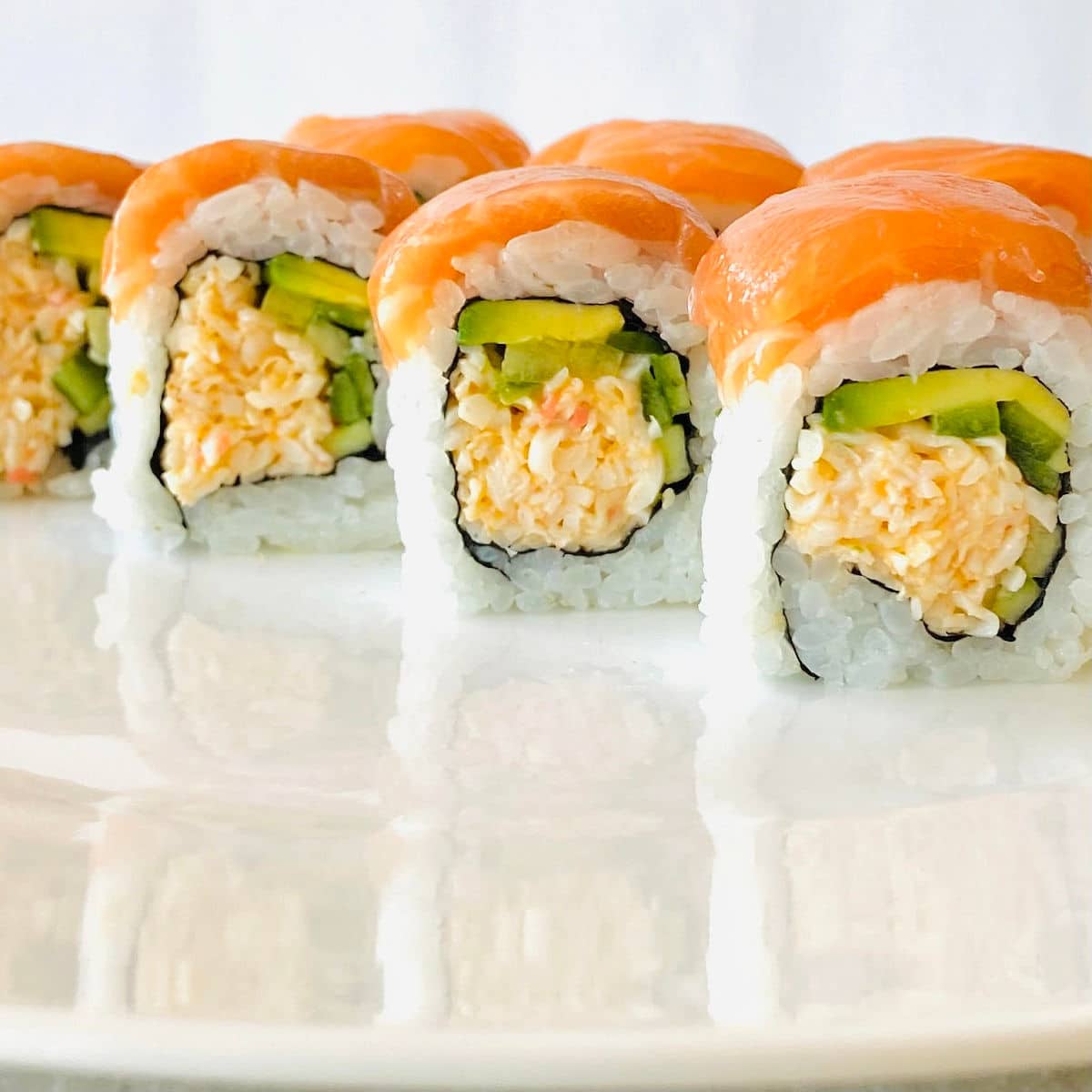
While the classic combination of salmon, avocado, and cucumber forms the backbone of the Alaska Roll, creative chefs and home cooks have introduced numerous delightful variations. One common adaptation involves a technique called “uramaki,” or “inside-out roll,” where the rice is on the outside and the nori is on the inside. This often allows for toppings to be added, further enhancing the visual appeal and flavor.
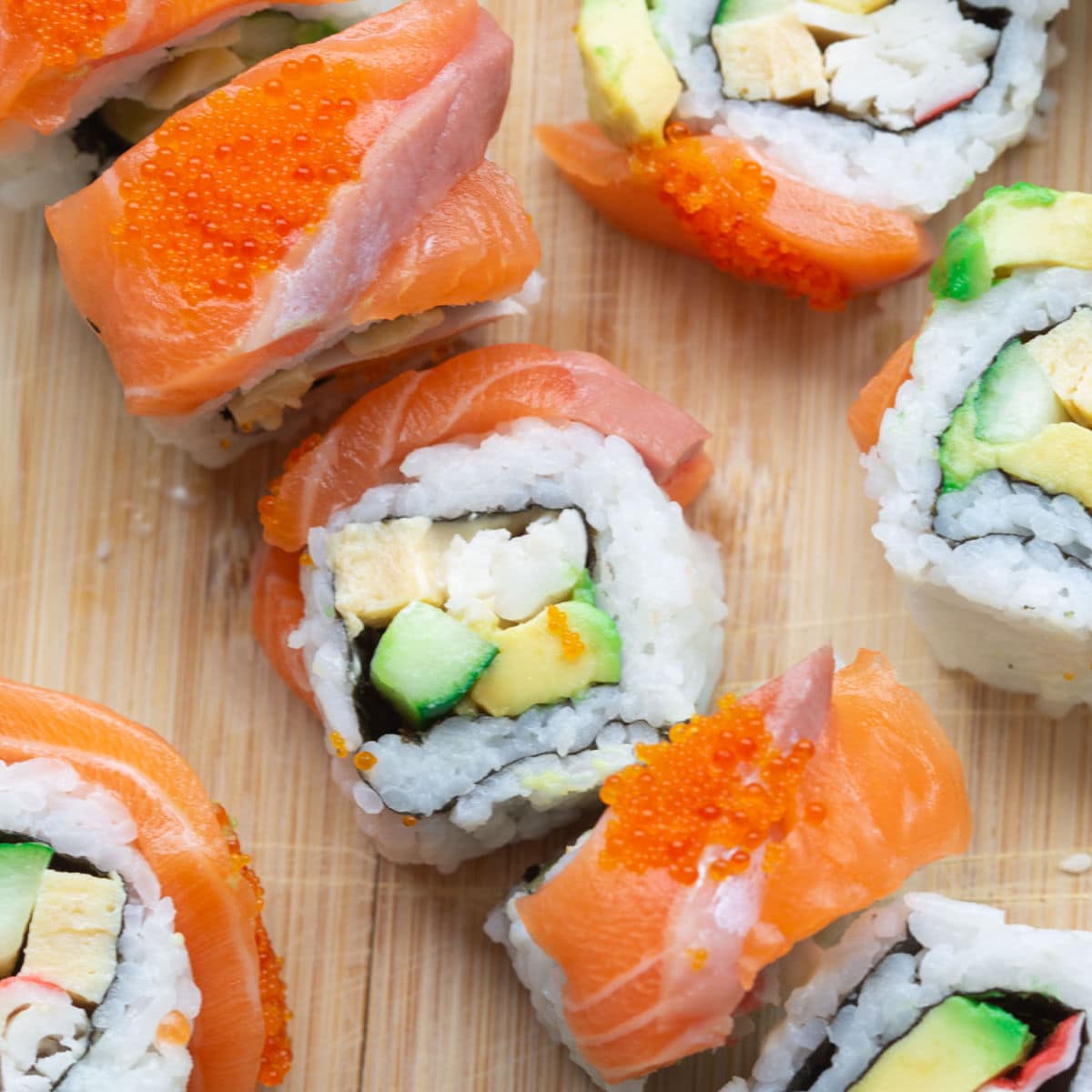
Some restaurants might offer an Alaska Roll with a spicy mayonnaise drizzle, adding a kick of heat that contrasts with the cool, creamy elements. Others might incorporate elements like tobiko (flying fish roe) or masago (capelin roe) on the outside of the rice for a pop of color, texture, and a burst of subtle oceanic flavor. Even the type of salmon can be varied; while fresh and smoked are most common, seared or lightly grilled salmon can also be found, offering a different depth of flavor and a more cooked texture.
For those seeking an even more luxurious experience, some establishments might offer a “double salmon” Alaska Roll, featuring both raw and cooked salmon. The inclusion of ingredients like tempura-fried salmon or grilled salmon skin can add a delightful crispness and a more intense, savory flavor.
The Perfect Pairings: Sauces and Sides
The accompaniments to an Alaska Roll are as important as the roll itself in creating a complete culinary journey. The traditional accompaniments provided with most sushi orders serve to enhance, balance, and cleanse the palate.
- Soy Sauce: A staple for any sushi, soy sauce provides a salty, umami-rich base for dipping. The depth of flavor can range from light and delicate to dark and robust, depending on the brand and style. A light dip is usually recommended to avoid overpowering the subtle flavors of the salmon and avocado.
- Wasabi: This fiery green paste, made from the Japanese horseradish plant, offers a potent kick of heat and pungency. Its sharp bite can cut through the richness of the salmon and avocado, providing a refreshing counterpoint. A small dab is usually sufficient to awaken the senses.
- Pickled Ginger (Gari): Thinly sliced ginger, pickled in vinegar and sugar, is served to cleanse the palate between different pieces of sushi or rolls. Its sweet and slightly spicy nature prepares the mouth for the next flavor sensation, allowing each bite to be fully appreciated.
- Dipping Sauces: Beyond soy sauce, many restaurants offer specialized dipping sauces. A ponzu sauce, a citrus-based soy sauce, can add a bright, tangy zest. Spicy mayonnaise, as mentioned, is a popular choice for adding heat and creaminess.
The choice of accompaniments can significantly influence the perception of the Alaska Roll. Experimenting with different levels of soy sauce, the amount of wasabi, and even the addition of a complementary dipping sauce can reveal new dimensions of flavor and texture.
The Alaska Roll in the Culinary Landscape: Beyond a Simple Sushi Dish
The Alaska Roll transcends its identity as merely a sushi item; it represents a broader narrative of culinary globalization and adaptation. Its popularity speaks volumes about the evolving tastes of diners and the innovative spirit of chefs who are adept at bridging cultural divides through food.
A Gateway to Sushi Exploration
For many individuals, the Alaska Roll serves as an accessible and enjoyable introduction to the world of sushi. Its use of familiar and comforting ingredients like salmon and avocado, often prepared in a way that is less intimidating than fully raw preparations, makes it an excellent starting point. The inclusion of cream cheese, a globally recognized and beloved ingredient, further lowers the barrier to entry for those who might be hesitant about trying traditional sushi. This welcoming nature has undoubtedly contributed to sushi’s widespread appeal and has helped to foster a greater appreciation for Japanese cuisine in non-Japanese contexts.
The Influence of Global Palates on Traditional Cuisine
The Alaska Roll is a testament to how traditional cuisines can be reimagined and adapted to suit diverse culinary landscapes. The fusion of Japanese sushi-making techniques with ingredients commonly found in Western kitchens, such as avocado and cream cheese, highlights a dynamic exchange of culinary ideas. This process of adaptation is not unique to sushi; many global dishes have undergone similar transformations as they have traveled across borders, incorporating local ingredients and flavor preferences. The Alaska Roll, therefore, is more than just a sushi roll; it is a symbol of culinary evolution and the creative ways in which food can connect different cultures.
Where to Experience the Alaska Roll
The Alaska Roll can be found on the menus of sushi restaurants worldwide, from bustling metropolises to smaller towns. Its ubiquity is a testament to its enduring popularity. Whether you are exploring the vibrant culinary scene in Tokyo, seeking out a quick bite in New York City, or enjoying a meal in a charming coastal town, you are likely to encounter this delightful roll. Many hotels also offer sushi bars or in-room dining options that include rolls like the Alaska Roll, making it convenient for travelers to sample this popular dish. For those who prefer to dine in luxury, high-end resorts often feature exquisite sushi creations, with the Alaska Roll being a frequently requested item.
If you find yourself traveling in Alaska itself, the experience of enjoying an Alaska Roll might take on a special significance. While the roll’s origins are not strictly tied to the geographical location, sampling a dish named after a place known for its abundant salmon can offer a unique connection to the region’s culinary heritage and natural resources. Imagine enjoying a meticulously prepared Alaska Roll at a fine dining establishment in Juneau or Anchorage, perhaps with views of the stunning Alaskan landscape. Many hotels and resorts in these areas, such as the Hotel Captain Cook or the Westmark Hotel, may offer such culinary experiences. The tourism industry in Alaska often highlights its fresh seafood, and enjoying a salmon-based dish like the Alaska Roll can be a perfect way to immerse oneself in the local gastronomy.
For travelers seeking a broader understanding of local food scenes, exploring the tourism and food sections of websites dedicated to travel can offer valuable insights. Discovering how different cultures embrace and adapt sushi can be a fascinating aspect of exploring new destinations. Whether you are planning a luxurious getaway or a budget-friendly adventure, the Alaska Roll provides a consistent and enjoyable culinary option that bridges continents and cultures. It’s a reminder that food is a universal language, capable of surprising, delighting, and uniting us all.
LifeOutOfTheBox is a participant in the Amazon Services LLC Associates Program, an affiliate advertising program designed to provide a means for sites to earn advertising fees by advertising and linking to Amazon.com. Amazon, the Amazon logo, AmazonSupply, and the AmazonSupply logo are trademarks of Amazon.com, Inc. or its affiliates. As an Amazon Associate we earn affiliate commissions from qualifying purchases.