
The concept of time zones, while seemingly a simple matter of global coordination, plays a pivotal role in the rhythm of daily life, particularly when it comes to travel, tourism, and lifestyle choices. For travelers planning a trip to the United States, understanding the intricacies of its various time zones is crucial, none more so than the New York Time Zone. Often regarded as the financial and cultural epicenter of America, New York City operates within the Eastern Time Zone (ET). This zone profoundly impacts everything from flight schedules and hotel check-ins to the operating hours of world-famous landmarks and the vibrant pace of local culture.
This guide delves into the specifics of the Eastern Time Zone, exploring its geographical reach, its significance for travelers, and how best to navigate its nuances to ensure a memorable and seamless experience across some of the nation’s most iconic destinations. Whether you’re flying across continents or simply planning a road trip from a neighboring state, a clear grasp of the New York Time Zone is your first step towards an impeccably planned adventure.
Understanding the Eastern Time Zone (ET)
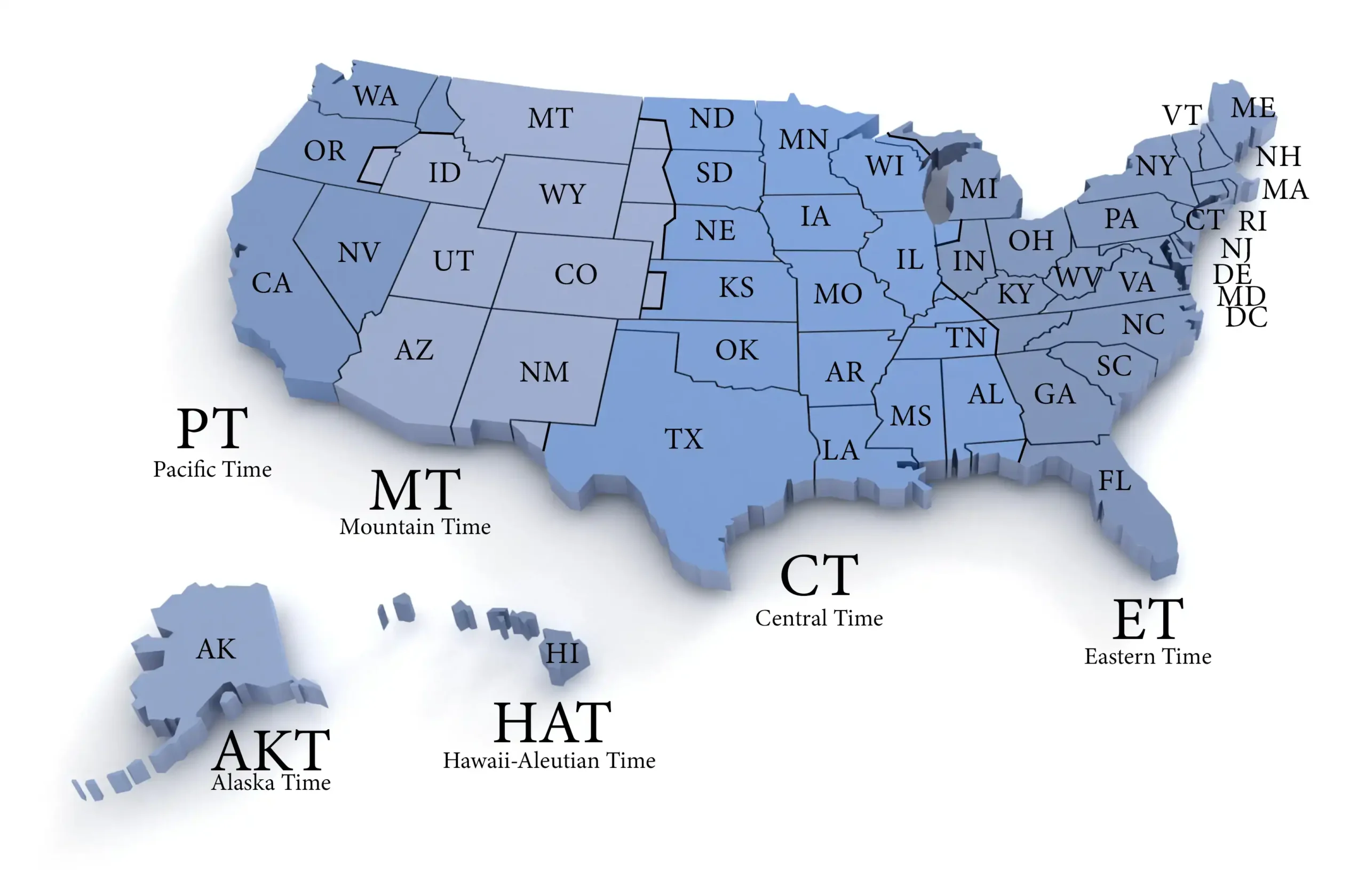
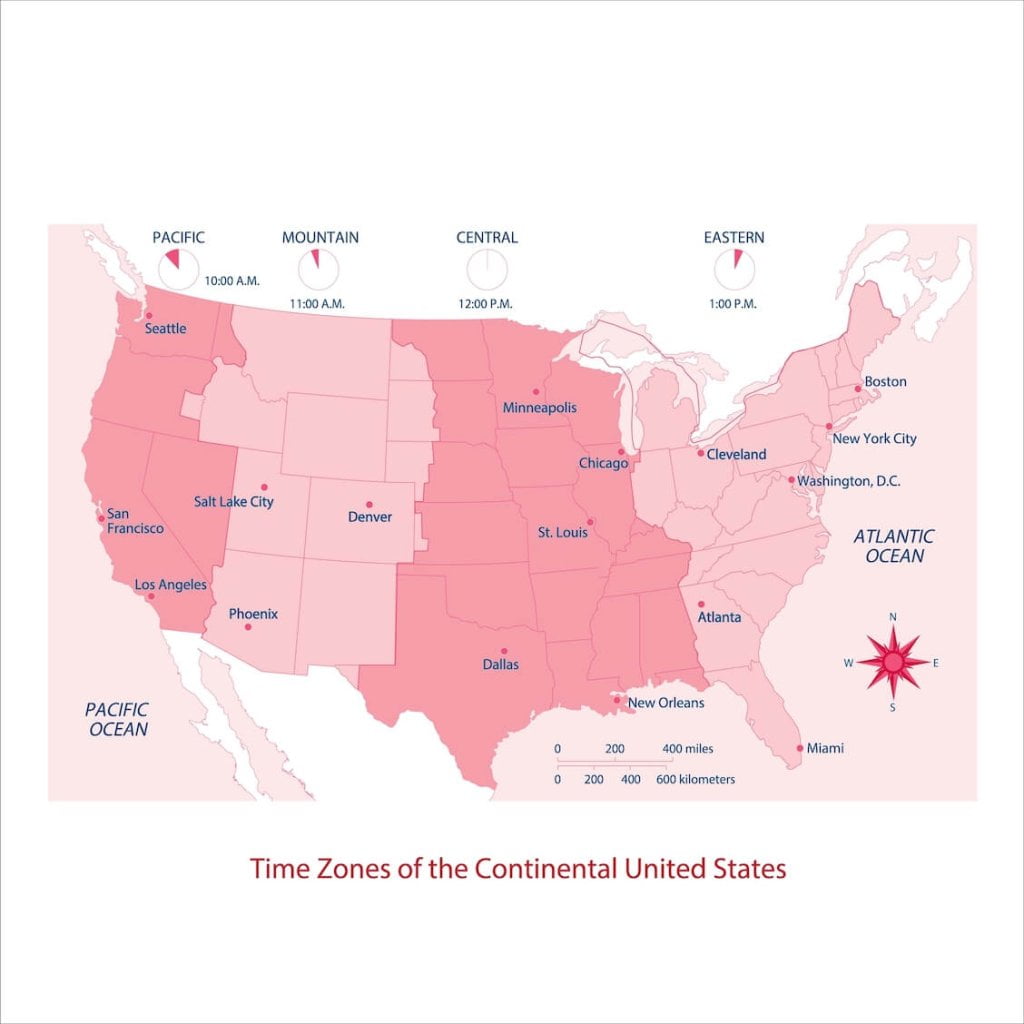
The Eastern Time Zone is one of the most populous and influential time zones in North America, stretching along the Atlantic coast and extending inland. Its reach encompasses major metropolises, picturesque coastal towns, and significant historical sites, making it a critical axis for travel and commerce.
Geographic Scope and Standard Time (EST) vs. Daylight Saving (EDT)
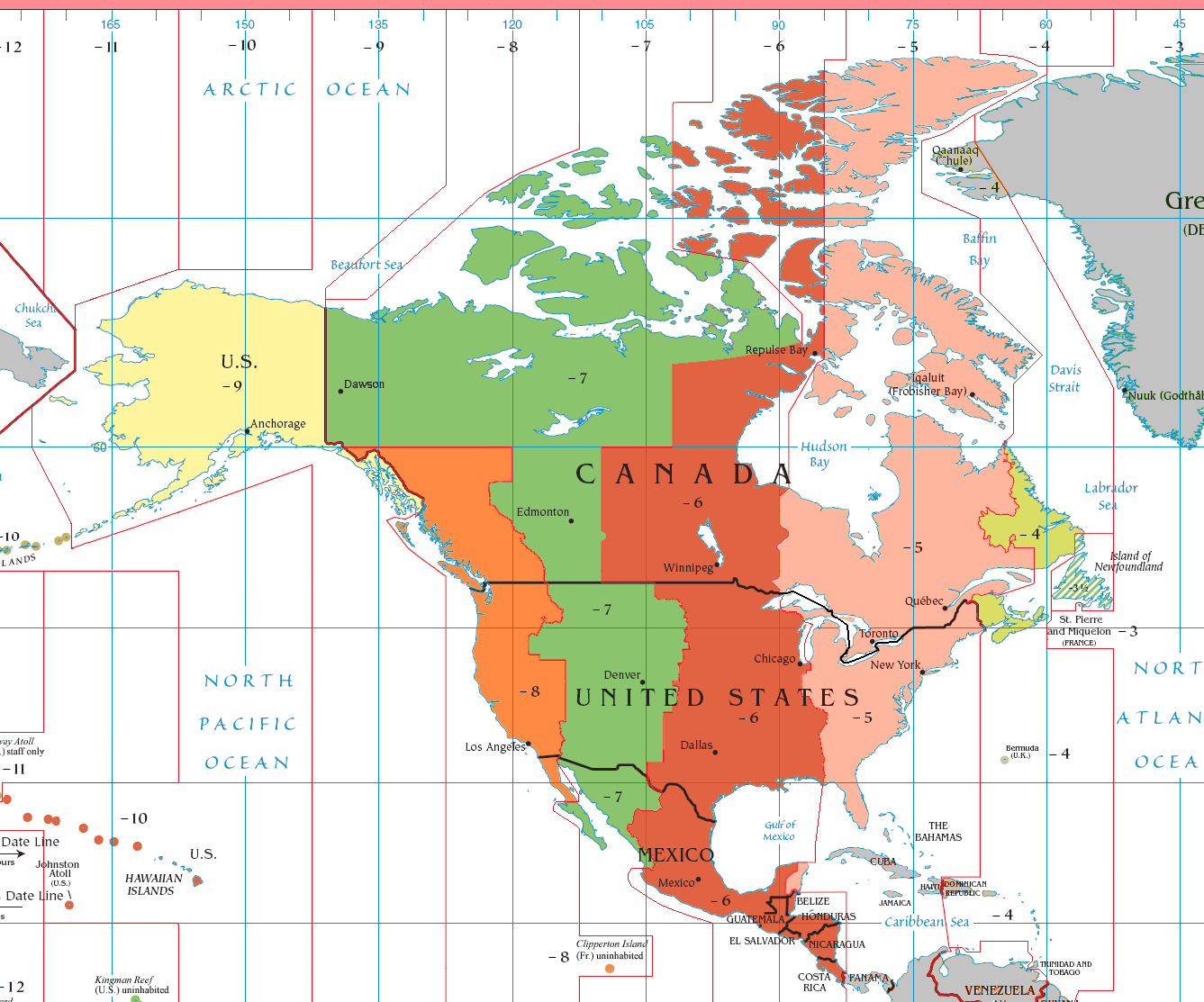
The Eastern Time Zone primarily observes Eastern Standard Time (EST) during the winter months, which is five hours behind Coordinated Universal Time (UTC-5). However, a significant portion of the year, from early spring to early autumn, is governed by Eastern Daylight Time (EDT), when clocks are moved forward by one hour, making it four hours behind Coordinated Universal Time (UTC-4). This shift, known as Daylight Saving Time, aims to maximize daylight in the evenings but requires travelers to adjust their schedules accordingly.
States fully within the Eastern Time Zone include Connecticut, Delaware, Georgia, Maine, Maryland, Massachusetts, New Hampshire, New Jersey, New York, North Carolina, Ohio, Pennsylvania, Rhode Island, South Carolina, Vermont, Virginia, and West Virginia. Additionally, parts of Florida, Indiana, Kentucky, and Michigan also adhere to ET. This vast coverage means that a trip planned through these states will consistently follow the same time, simplifying multi-state itineraries. Understanding whether you’re in EST or EDT is paramount for scheduling, especially when connecting flights or making reservations for experiences that are time-sensitive.
The Significance of New York City in ET
New York City’s prominence within the Eastern Time Zone is undeniable. As a global financial capital, its trading hours set the pace for markets worldwide. Its media outlets broadcast to an international audience, and its cultural institutions draw visitors from every corner of the globe. For tourists, this means that the city’s pulse dictates the rhythm of countless attractions and events. Whether you’re hoping to catch a Broadway show, visit the Metropolitan Museum of Art, or simply soak in the vibrant atmosphere of Times Square, all activities are anchored to the local ET.
The concentration of world-class hotels, dining establishments, and entertainment venues in New York City means that time management becomes a key aspect of maximizing your travel experience. From booking a table at a Michelin-starred restaurant to securing tickets for popular tourist attractions, every interaction is synchronized with the local time. This central role solidifies New York’s identity as a benchmark for time-sensitive planning in the region.
Navigating Travel and Tourism in the Eastern Time Zone
Traveling to, from, or within the Eastern Time Zone requires thoughtful planning, especially concerning flights, accommodations, and the timing of your chosen activities. Strategic preparation can turn potential logistical hurdles into a smooth and enjoyable journey.
Planning Your Itinerary: Flights, Check-ins, and Attractions
When booking flights to destinations within the Eastern Time Zone, always confirm the arrival and departure times in local time. For long-haul flights, especially those crossing multiple time zones, the impact of time differences can significantly affect your initial days of travel. Consider flight arrival times that allow for sufficient rest before embarking on intense sightseeing. For example, arriving in New York in the late afternoon might be ideal, giving you time to check into your hotel, unpack, and perhaps enjoy a relaxed evening meal before tackling the city’s highlights the next day.
Hotel check-in and check-out times are strictly adhered to local ET. Most establishments, from luxury resorts to budget apartments, typically offer check-in around 3:00 PM or 4:00 PM and check-out by 11:00 AM or 12:00 PM. If your flight arrives early, inquire about early check-in options or luggage storage services, which can be invaluable. Similarly, if you have a late departure, a late check-out or baggage holding service can allow you to enjoy your final day without the burden of your luggage.
Attractions across the Eastern Time Zone also operate on local time. From the solemn beauty of the Statue of Liberty to the thrilling rides at Orlando’s theme parks, published opening and closing hours are always in ET. It’s wise to double-check these times online, especially during holidays or seasonal changes, as they can fluctuate. Booking tickets for popular attractions or dining reservations well in advance, and noting the exact time in ET, will prevent disappointment. Missing a scheduled entry time at a popular museum like the American Museum of Natural History in New York could mean a long wait or even missed opportunity.
Conquering Jet Lag for a Seamless Experience
Jet lag is an almost inevitable companion for travelers crossing multiple time zones, particularly when heading east into the ET. Symptoms such as fatigue, disorientation, and difficulty sleeping can significantly dampen the initial days of your trip. However, with proactive strategies, you can mitigate its effects.
Before you even depart, try to gradually adjust your sleep schedule to align with your destination’s time zone. For example, if traveling from the Pacific Time Zone, start going to bed and waking up earlier a few days before your flight. During your flight, stay hydrated, avoid excessive alcohol and caffeine, and try to sleep if it aligns with your destination’s nighttime. Upon arrival, immerse yourself in the local time as quickly as possible. Expose yourself to natural light during the day, even if you feel tired, and resist the urge to nap for too long. If you must nap, keep it short (20-30 minutes) to avoid disrupting your nighttime sleep.
Maintaining a normal eating schedule according to local ET can also help reset your internal clock. Embracing the vibrant local culture by engaging in activities, even when feeling a bit groggy, helps distract from the symptoms of jet lag and encourages your body to adapt more quickly. Planning less strenuous activities for your first day can also be beneficial, allowing you to gently ease into your vacation.
Accommodation and Lifestyle within the Eastern Time Zone
The choice of accommodation and the embrace of local lifestyle are deeply intertwined with the prevailing time zone. From securing the best deals on suites to enjoying the rich tapestry of local events, timing is everything in the Eastern Time Zone.
Hotels and Resorts: Timing Your Stay
The availability and pricing of hotels and resorts in the Eastern Time Zone can fluctuate dramatically based on season, events, and day of the week, all of which are anchored to the local clock. Major cities like New York, Boston, Washington D.C., and popular destinations like Orlando and Miami experience peak seasons that coincide with holidays, school breaks, and major conferences. During these times, hotel rates can soar, and availability dwindles. Booking well in advance, sometimes 6-12 months out for popular periods like New Year’s Eve in Times Square or spring break in Florida, is crucial for securing preferred accommodations and potentially better rates.
Whether you’re seeking a luxurious suite overlooking Central Park, a family-friendly resort near Walt Disney World, or a charming boutique hotel in Charleston, understanding the local timing of demand is key. Many hotels offer amenities tailored to travelers adjusting to the time zone, such as 24-hour room service, flexible breakfast options, or even wellness programs designed to combat jet lag. For business travelers, booking a hotel with robust business amenities and access to early morning or late-night services can be crucial for staying productive across time zones.
Experiencing Local Culture and Landmarks by the Clock
The Eastern Time Zone is a treasure trove of cultural experiences and historical landmarks, each with its own rhythm dictated by the clock. From the early morning bustle of fish markets in Boston to the late-night jazz clubs of New Orleans (though New Orleans is in Central Time Zone, it illustrates the point of time impacting culture), every activity is time-bound. Museum opening hours, historical site tours, and performance schedules are all published in local ET, making careful planning essential. For example, visiting the Smithsonian museums in Washington D.C. often requires booking timed entry passes. Similarly, catching a baseball game at Fenway Park in Boston means adhering to the evening game schedule.
Public transportation systems, such as the MTA in New York City, operate on precise schedules that can be affected by peak hours and overnight service changes. Planning your movements around these schedules will save time and ensure you don’t miss out on experiences. Dining experiences are also intrinsically linked to time; early bird specials, traditional lunch rushes, and late-night supper spots each have their own operating hours, offering a glimpse into the local lifestyle. Engaging with the local food scene, whether it’s a gourmet dinner in Manhattan or a casual seafood shack in Maine, becomes part of your time-zone immersion.
Beyond New York: Exploring Other ET Destinations
While New York City is a prominent fixture, the Eastern Time Zone offers a diverse array of travel experiences spanning historical richness, natural beauty, and modern entertainment.
From Coastal Charms to Mountain Retreats
The geographic diversity within the Eastern Time Zone is remarkable, presenting travelers with an endless palette of destinations. Along the coast, you can find the sun-drenched beaches of Miami, the historic cobblestone streets of Philadelphia, and the picturesque lighthouses of New England. Inland, the Appalachian Mountains offer scenic hiking trails and charming small towns in states like West Virginia and North Carolina.
Florida stands out with its world-renowned theme parks in Orlando, making it a top destination for family trips. The ease of staying within the same time zone while traveling from the bustling urban environment of Miami to the magical realms of Disney World simplifies planning and maximizes enjoyment. Similarly, a historical tour from Washington D.C.’s national monuments to Boston’s Freedom Trail seamlessly follows the ET clock, allowing for efficient scheduling of guided tours and site visits. Each destination, though unique in character, shares the common temporal thread of the Eastern Time Zone, facilitating multi-city explorations.
Business Travel and Connectivity
For business travelers, the Eastern Time Zone is a vital corridor. Major business hubs like New York City, Boston, Washington D.C., and Atlanta host countless conferences, conventions, and corporate meetings. Operating within a unified time zone streamlines communication and logistics, making it easier to schedule cross-city meetings, attend industry events, and connect with clients and colleagues.
The convenience of parallel business hours across these important cities means less disruption for companies with offices or partners spread throughout the ET. Early morning meetings can commence simultaneously, and late-day discussions can wrap up without participants needing to adjust significantly for time differences. This connectivity fosters a dynamic and efficient business environment, reinforcing the economic importance of the Eastern Time Zone beyond just tourism.
In conclusion, the New York Time Zone, synonymous with the broader Eastern Time Zone, is far more than just a temporal designation. It is a fundamental framework that shapes travel, accommodation, tourism, and lifestyle across a significant portion of the United States. By understanding its dynamics, from Daylight Saving Time shifts to the operating rhythms of iconic landmarks and vibrant cultural scenes, travelers can unlock a more enriching, stress-free, and truly memorable experience. Careful planning and an awareness of the local clock are the keys to fully embracing the diverse wonders that this bustling and historically rich region has to offer.
LifeOutOfTheBox is a participant in the Amazon Services LLC Associates Program, an affiliate advertising program designed to provide a means for sites to earn advertising fees by advertising and linking to Amazon.com. Amazon, the Amazon logo, AmazonSupply, and the AmazonSupply logo are trademarks of Amazon.com, Inc. or its affiliates. As an Amazon Associate we earn affiliate commissions from qualifying purchases.