
Understanding what constitutes an exempt employee in California is more than just a legal definition; it’s a crucial aspect of managing a professional lifestyle, particularly for those whose careers involve significant business travel, demanding schedules, or the pursuit of leadership roles. For professionals navigating a dynamic career path that often includes “business stays” in various cities or global destinations, deciphering the nuances of exempt status can profoundly impact work-life balance, compensation expectations, and overall career trajectory.
In California, a state known for its progressive labor laws, the distinction between exempt and non-exempt employees is particularly rigorous. This distinction dictates whether an employee is eligible for overtime pay, meal and rest breaks, and other protections afforded by state and federal wage and hour laws. For individuals whose lifestyle includes frequent travel or roles requiring flexibility beyond a traditional 9-to-5, being classified correctly as exempt allows for a different mode of operation – one often characterized by autonomy, responsibility, and results-driven work, rather than hourly tracking.
The California Exempt Employee: A Foundation for the Business-Driven Lifestyle
The classification of an employee as “exempt” in California requires meeting specific tests under both federal law (the Fair Labor Standards Act, or FLSA) and California state law, which are often stricter. This status is typically reserved for professionals, executives, and administrative personnel whose roles demand a certain level of discretion and independent judgment, reflecting a more strategic approach to their work and, by extension, their professional lifestyle.
Defining Exempt Status: Salary Basis Test
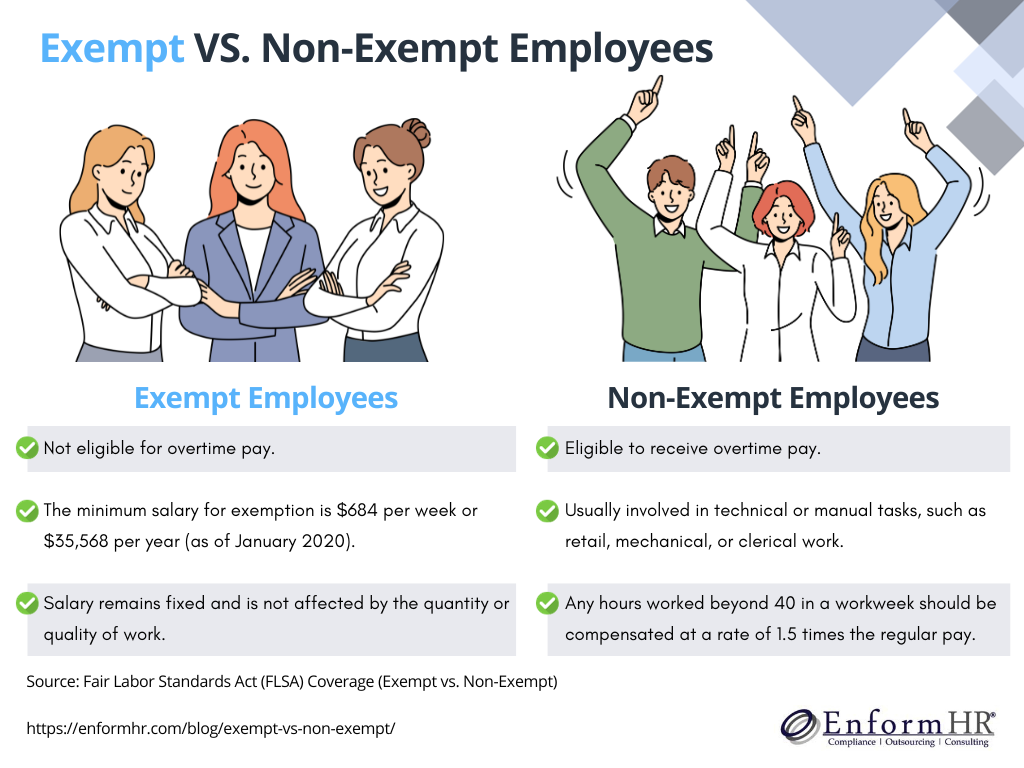
One of the fundamental criteria for an employee to be classified as exempt is the “salary basis test.” This means the employee must be paid a predetermined, fixed salary that does not vary based on the quality or quantity of work performed. Deductions from this salary are generally prohibited, even for absences, except in very specific circumstances. For a professional whose lifestyle might include international business trips, this stable salary provides a consistent financial foundation, irrespective of the fluctuating hours often associated with travel and client meetings across time zones. It offers a predictability that supports long-term financial planning for a travel-heavy career.
Defining Exempt Status: Duties Test
Beyond the salary basis, an employee must also satisfy a “duties test.” This test examines the actual job responsibilities and determines whether they fall into one of the recognized exempt categories: executive, administrative, professional, outside sales, or certain computer professional roles. The essence of the duties test is that the employee’s primary duties must involve advanced knowledge, management, or significant discretion and independent judgment.
For the modern professional engaged in frequent business stays, this duties test is particularly relevant. An executive traveling to open a new market, an administrative professional coordinating complex project logistics across multiple locations, or a professional developing innovative solutions on-site at a client’s San Francisco office are all examples where the nature of their work inherently requires autonomy and strategic decision-making, rather than mere task execution. Their work often extends beyond standard hours, demanding availability that hourly pay structures cannot easily accommodate.
Defining Exempt Status: The California Salary Threshold
California also imposes a specific minimum salary threshold for most exemptions, which is significantly higher than the federal standard. This threshold is typically twice the state minimum wage for full-time employment and is adjusted annually. For employees of large businesses, the minimum wage is higher than for small businesses, leading to a higher exempt salary threshold. This high salary threshold in California underscores the state’s commitment to ensuring that only genuinely high-earning, high-responsibility positions are classified as exempt, further shaping the expectations for those pursuing a professional lifestyle within the state. Meeting this threshold signals a level of compensation that supports a certain quality of life, often including the ability to engage in frequent business or leisure travel.
Navigating Work-Life Balance and Business Travel as an Exempt Employee
The concept of an exempt employee is intrinsically linked to a particular professional lifestyle. It implies a degree of freedom and responsibility that often accommodates, and sometimes necessitates, extensive business travel. However, this flexibility comes with its own set of expectations and challenges regarding work-life integration.
Flexibility vs. Availability: The Impact on Your Travel Schedule
Exempt employees are generally not entitled to overtime pay, regardless of the hours worked. This means that a professional on a multi-day business trip, working long hours to close a deal or manage a project, is compensated by their fixed salary, not by additional hourly wages. While this provides employers with flexibility in demanding complex, time-consuming projects, it requires the employee to manage their schedule and energy effectively. For the professional whose lifestyle involves frequent business stays, this translates into autonomy over how and when tasks are completed, but also the understanding that job demands may extend well beyond a typical 40-hour week, particularly when traveling. The expectation is often that the work gets done, regardless of location or time zone.
This flexibility can be a double-edged sword. It allows for the freedom to manage one’s travel itinerary, perhaps extending a business trip into a leisure stay, or working asynchronously across time zones. However, it also demands constant availability and a proactive approach to workload management, ensuring that professional duties are met while still preserving personal time. Balancing early morning calls from Europe with late-night reports for Asia requires discipline and a clear understanding of personal boundaries.

Compensating the Traveler: Beyond Overtime
While overtime pay is not a factor, employers often compensate exempt employees for business travel in other ways that enhance their professional lifestyle. This can include reimbursement for travel expenses, comfortable accommodations during business stays, per diems for meals, and sometimes access to premium travel services like executive lounges or expedited security. These perks are not just about convenience; they reflect an employer’s recognition of the significant time commitment and disruption that business travel entails for an exempt professional.
For an employee whose career involves extensive travel, these benefits are crucial in maintaining a sustainable and desirable professional lifestyle. They transform potentially arduous trips into more manageable and even rewarding experiences, allowing professionals to focus on their objectives rather than the logistics and discomforts of travel. Understanding these non-monetary benefits is part of assessing the full compensation package for a travel-intensive exempt role.
Common Exempt Classifications and Their Lifestyle Implications
Different exempt classifications cater to distinct types of professional roles, each with unique implications for an individual’s lifestyle, particularly concerning travel and work autonomy.
The Professional Exemption and California’s Unique Rules
The professional exemption typically applies to employees in fields requiring advanced knowledge, usually acquired through specialized intellectual instruction (e.g., doctors, lawyers, engineers, architects). California also recognizes a specific “learned professional” and “creative professional” exemption. For these professionals, their expertise often transcends geographical boundaries. A consultant might travel to New York for a project, an architect might visit a construction site in Sacramento, or a software engineer might collaborate with an international team in London. The exempt status allows them the flexibility to apply their specialized knowledge without being constrained by hourly limitations, fitting a lifestyle where expertise is mobile and in demand across various locations.
Administrative Roles and Strategic Business Stays
The administrative exemption applies to employees whose primary duty involves performing office or non-manual work directly related to the management or general business operations of the employer or the employer’s customers. This work must include the exercise of discretion and independent judgment with respect to matters of significance. An administrative professional overseeing a company merger across states, or managing the logistics for a large-scale event requiring their presence at a conference venue in Las Vegas, exemplifies a role where strategic business stays are integral. Their exempt status supports a lifestyle where their organizational and decision-making skills are deployed flexibly wherever needed to ensure business continuity and success.
Executive Exemptions: Leadership on the Go
Executive exemptions are for employees whose primary duty is managing the enterprise or a recognized department or subdivision, who customarily and regularly direct the work of two or more other employees, and who have the authority to hire or fire (or whose suggestions are given particular weight). For these leaders, business travel is often a core component of their lifestyle. Overseeing regional operations, meeting with international partners in Tokyo, or leading strategic retreats in Palm Springs are all activities that define the executive’s exempt role. Their compensation and exempt status reflect the high level of responsibility and the expectation that they are available to lead and make critical decisions, regardless of where their duties take them.
Understanding Misclassification: Protecting Your Professional Travel Lifestyle
Given California’s stringent rules, misclassification of an employee as exempt carries significant risks for employers. However, it also has profound implications for an employee’s professional lifestyle and financial well-being.
The Risks of Incorrect Status for Companies and Individuals
If an employee is incorrectly classified as exempt, they are denied protections they would otherwise be entitled to, such as overtime pay, meal and rest breaks, and accurate record-keeping of hours worked. For an individual whose role frequently involves long hours and extensive travel, misclassification could mean lost wages that accumulate substantially over time, particularly given the demands of business trips that often require working outside typical business hours or on weekends. From the employer’s perspective, misclassification can lead to costly lawsuits, back pay claims, and significant penalties from state labor authorities. Ensuring proper classification is not just a legal obligation but a cornerstone of fair employment practices that support a sustainable professional lifestyle for all employees.

Ensuring Compliance: What to Know for Your Career in California
For professionals in California contemplating a career path that involves extensive travel or demands significant autonomy, understanding the criteria for exempt status is crucial. It’s important to critically assess whether a role truly meets the salary and duties tests before accepting a position. If you believe you might be misclassified, seeking advice from an employment law professional can help clarify your rights and ensure that your compensation and working conditions align with California law. Proper classification not only protects an employee’s rights but also fosters a transparent and fair professional environment, allowing individuals to pursue challenging and rewarding careers, including those that demand a dynamic lifestyle of business stays and global engagement, with confidence and security.
LifeOutOfTheBox is a participant in the Amazon Services LLC Associates Program, an affiliate advertising program designed to provide a means for sites to earn advertising fees by advertising and linking to Amazon.com. Amazon, the Amazon logo, AmazonSupply, and the AmazonSupply logo are trademarks of Amazon.com, Inc. or its affiliates. As an Amazon Associate we earn affiliate commissions from qualifying purchases.