
For visitors exploring the sunny beaches, vibrant cities, and unique attractions of Florida, understanding local laws and emergency protocols is an essential part of responsible tourism. While most trips proceed without incident, being informed about key state provisions like the Baker Act can provide peace of mind and preparedness. This legislation, formally known as the Florida Mental Health Act of 1971, is a critical component of public safety and mental health care in the state, designed to provide temporary, involuntary examination for individuals who may pose a danger to themselves or others due to mental illness.
Understanding Mental Health Provisions for Visitors in Florida
Florida, a state renowned for its hospitality and diverse experiences, also maintains a robust framework for addressing public health and safety. While enjoying world-class theme parks in Orlando, the vibrant nightlife of Miami, or the tranquil natural beauty of its state parks, tourists might encounter or even require emergency services. Among these services are those related to mental health crises, which the Baker Act specifically addresses. For international visitors, understanding that different countries and states have distinct legal approaches to mental health can be particularly important. Knowing about the Baker Act isn’t just about potential personal encounters; it’s also about recognizing the legal landscape of the destination you are visiting, offering insight into how Florida manages such sensitive situations. This knowledge empowers tourists to react appropriately should they observe someone in distress or need to seek help for themselves or a travel companion.
The Baker Act: A Cornerstone of Florida Law
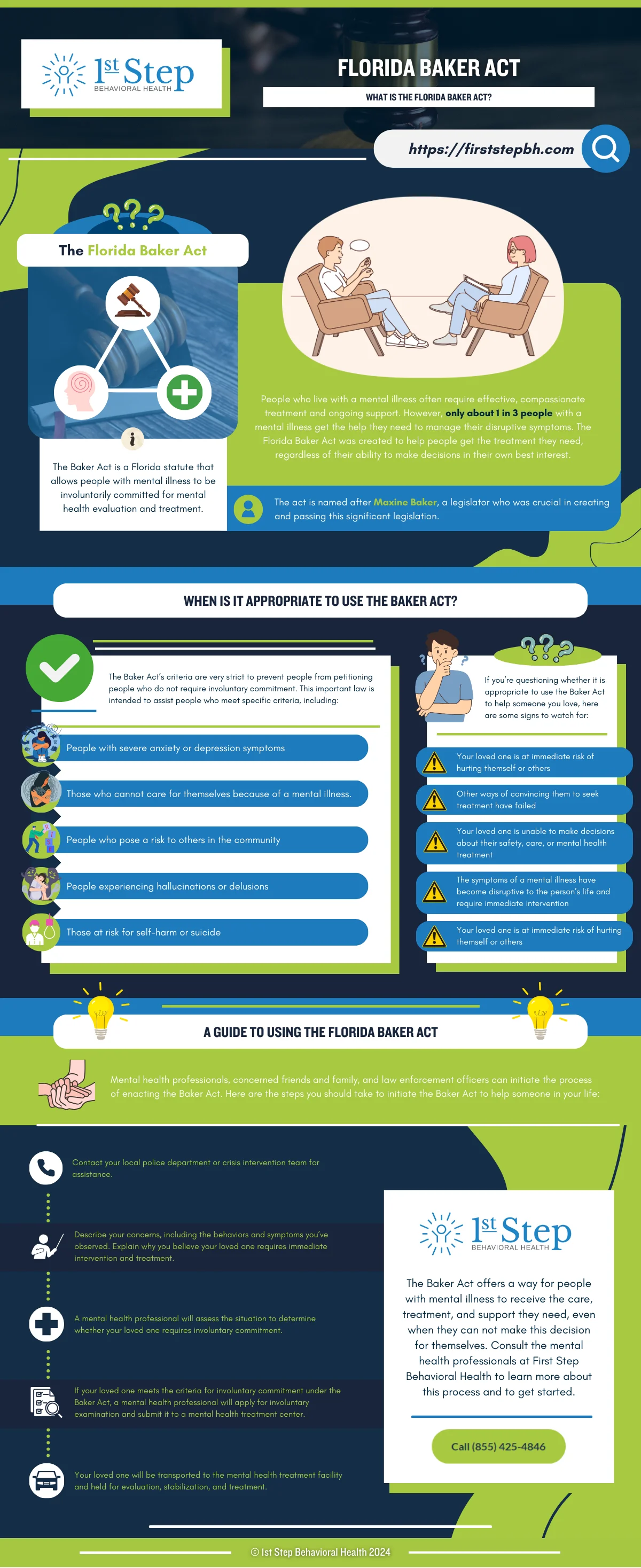
The Baker Act empowers law enforcement, physicians, mental health professionals, and judges in Florida to initiate an involuntary psychiatric examination for an individual. The primary goal is not punitive but rather protective: to assess if a person has a mental illness and, if so, whether they meet specific criteria for involuntary detention and treatment to prevent harm. This act reflects a societal commitment to intervene during acute mental health crises when an individual’s judgment may be severely impaired.
Criteria for Initiating a Baker Act
For a Baker Act to be initiated, specific conditions must be met. These criteria are designed to ensure that involuntary examinations are used only when absolutely necessary and to protect individual liberties. Tourists should be aware that these are serious conditions that trigger legal intervention.
- Mental Illness: There must be reason to believe the person has a mental illness. This is generally defined as an impairment of the mental or emotional processes that exercise conscious control of one’s actions or of the ability to perceive reality or to reason or understand, which significantly interferes with the person’s capacity to meet the ordinary demands of life. It explicitly excludes intellectual disability or substance abuse alone, although co-occurring conditions are common.
- Danger to Self or Others: Due to the mental illness, the person is unwilling or unable to determine for themselves whether examination is necessary and, without care or treatment, is likely to suffer from neglect or refuse to care for themselves; or there is a substantial likelihood that the person will cause serious bodily harm to themselves or others in the near future, as evidenced by recent behavior.
- Neglect or Refusal of Self-Care: If the person’s mental illness leads them to severe neglect of self-care (e.g., refusing food, shelter, or medication to the point of imminent harm), this can also be grounds for initiation.
These criteria are strictly interpreted. The act is not a tool for minor disagreements or inconveniences but for situations where immediate professional assessment is deemed critical for safety. For a tourist, recognizing these signs in a travel companion or even witnessing such a situation involving a stranger underscores the importance of knowing who to contact (e.g., local authorities by dialing 911).
Who Can Initiate a Baker Act?
The authority to initiate a Baker Act examination rests with a few key groups, ensuring that such a serious intervention is not taken lightly and is typically handled by trained professionals.
- Law Enforcement Officers: Police officers and sheriff’s deputies are frequently the first responders to situations where a Baker Act may be necessary. They can take an individual into custody and transport them to a designated Baker Act receiving facility if they observe behavior meeting the criteria.
- Licensed Physicians or Clinical Psychologists: These professionals, if they have examined the individual, can also initiate an involuntary examination.
- Court Orders: A judge can issue an ex parte order for an involuntary examination based on sworn testimony or affidavits from individuals who have observed the person’s behavior. This pathway is less immediate but provides a judicial oversight for situations not requiring an on-the-spot intervention.
- Mental Health Professionals: Certain specifically designated mental health professionals, authorized by a receiving facility, can also initiate an examination.
For tourists, this means that if a mental health crisis arises, law enforcement is the most likely initial point of contact for an involuntary examination. It’s crucial to cooperate with authorities and understand their role in these protective measures.
Navigating the Baker Act Process as a Visitor
Should a Baker Act be initiated, whether for oneself, a travel companion, or someone observed in public, understanding the process is vital. It’s important to remember that the system is designed to provide help and assessment, not punishment.
Initial Examination and Transport
Once the criteria for a Baker Act are met, the individual is transported to a designated Baker Act receiving facility. These facilities are often acute care hospitals with psychiatric units or specialized mental health centers located across Florida. The transport is typically conducted by law enforcement or emergency medical services. Upon arrival, the individual will undergo an initial assessment by medical and mental health professionals. This assessment helps determine the immediate needs of the person and whether the criteria for an involuntary hold are still present.

Duration and Rights
An individual brought under the Baker Act can be held for up to 72 hours for examination and assessment. During this period, the facility’s staff will conduct psychiatric evaluations, observe behavior, and attempt to stabilize the individual if necessary. Critically, individuals under a Baker Act retain certain rights:
- Right to Due Process: They have the right to challenge their involuntary examination.
- Right to Communication: They have the right to communicate with attorneys, family members, or friends, unless such communication poses a threat of harm to themselves or others, or substantially interferes with treatment. For a tourist, this is especially important for contacting family back home or consular services.
- Right to Legal Representation: Individuals can seek legal counsel to advocate on their behalf.
- Right to Humane Treatment: All individuals are entitled to humane treatment.
It’s important to distinguish between an involuntary examination and involuntary treatment. While the Baker Act allows for involuntary examination, actual involuntary treatment (like medication) requires a separate court order, unless there is an emergency that necessitates immediate intervention to prevent serious harm.
After the Examination
At the conclusion of the 72-hour period (or sooner if deemed appropriate by the medical team), several outcomes are possible:
- Voluntary Admission: The individual may agree to voluntary admission for continued treatment, recognizing their need for help.
- Petition for Involuntary Placement: If the individual still meets the criteria for involuntary commitment and refuses voluntary treatment, the facility can petition a court for an extended period of involuntary treatment (usually for up to six months). This involves a court hearing where the individual has the right to legal representation.
- Release: If, after the examination, the individual is determined not to meet the criteria for involuntary placement, they must be released.
For tourists, understanding these outcomes is crucial. If a travel companion is Baker Acted, knowing these potential paths can help in planning for their care and return travel.
Tourist Safety and Mental Well-being in Florida
Visiting Florida should be a joyous experience, but like any travel, it can sometimes be stressful. Awareness of the Baker Act contributes to a safer and more informed visit.
Recognizing Signs of Distress (in oneself or others)
Travel can sometimes exacerbate existing mental health conditions or create new stressors. Long flights, time zone changes, unfamiliar environments, or even simply the pressures of vacation can take a toll. Tourists should be mindful of signs of distress in themselves and their companions, such as extreme irritability, withdrawal, unusual agitation, paranoia, or expressions of hopelessness. If you or someone you know begins exhibiting behavior that aligns with the Baker Act criteria, seeking immediate help is paramount.
Accessing Support and Resources
Should you or a travel companion experience a mental health crisis in Florida, help is available.
- Emergency Services: For immediate and severe crises, always call 911. Law enforcement and emergency medical personnel are trained to respond.
- Crisis Hotlines: Florida has various local and state-wide mental health crisis hotlines that can offer support, advice, and referrals to services. A quick internet search for “mental health crisis hotline Florida” can provide relevant numbers.
- Consular Services: International visitors facing a mental health crisis, especially one involving a Baker Act, should contact their country’s embassy or consulate for assistance and guidance. They can often provide support, help with legal referrals, and assist with communication.
Legal Protections and Knowing Your Rights
Even during a mental health crisis, individuals retain rights. For tourists, this means being aware that you are protected by Florida law and have access to legal avenues. If you are subjected to a Baker Act, or a travel companion is, understanding the 72-hour limit, the right to communication, and the right to legal counsel is fundamental. Do not hesitate to ask for your rights to be explained and to request contact with family, friends, or legal assistance.

Distinguishing Baker Act from Other Laws
It’s important for visitors to understand that the Baker Act is distinct from criminal detention or general medical holds. It is specifically designed for mental health crises and is not a criminal charge. An individual under a Baker Act is not being arrested but is being taken for a protective examination. This distinction is crucial for tourists who may be unfamiliar with U.S. legal systems and ensures that mental health emergencies are handled through appropriate medical and psychological channels rather than punitive measures. Understanding this difference can alleviate fear and confusion, allowing individuals to cooperate with the process knowing it is intended for their well-being.
LifeOutOfTheBox is a participant in the Amazon Services LLC Associates Program, an affiliate advertising program designed to provide a means for sites to earn advertising fees by advertising and linking to Amazon.com. Amazon, the Amazon logo, AmazonSupply, and the AmazonSupply logo are trademarks of Amazon.com, Inc. or its affiliates. As an Amazon Associate we earn affiliate commissions from qualifying purchases.