
Big Bend Florida is a captivating and often overlooked region situated along the northwestern coast of the Florida peninsula. Unlike the bustling, well-trodden tourist paths of South Florida or the theme park capitals, Big Bend represents a pristine, undeveloped stretch of the Gulf Coast where nature reigns supreme. It’s a place defined by its vast marshes, wild rivers, crystal-clear springs, and a slower pace of life that harkens back to an earlier era of the Sunshine State. For those seeking authentic natural experiences, solitude, and a deep connection with untouched ecosystems, Big Bend Florida offers an unparalleled escape. It’s not just a destination; it’s an immersive journey into Florida’s wild heart, far removed from the high-rises and crowded beaches that characterize much of the state’s coastline. This region provides a vital sanctuary for diverse wildlife and offers a unique opportunity for travelers to explore a truly untamed segment of the American coastline.

Discovering Florida’s Untamed Coastline
The allure of Big Bend Florida lies in its remarkable preservation and ecological significance. It stands as a testament to what much of Florida once was, a landscape dominated by natural processes rather than human development. Understanding the geographical and ecological foundations of this region is key to appreciating its unique charm and its profound importance to the state’s natural heritage.
Defining the Big Bend Region
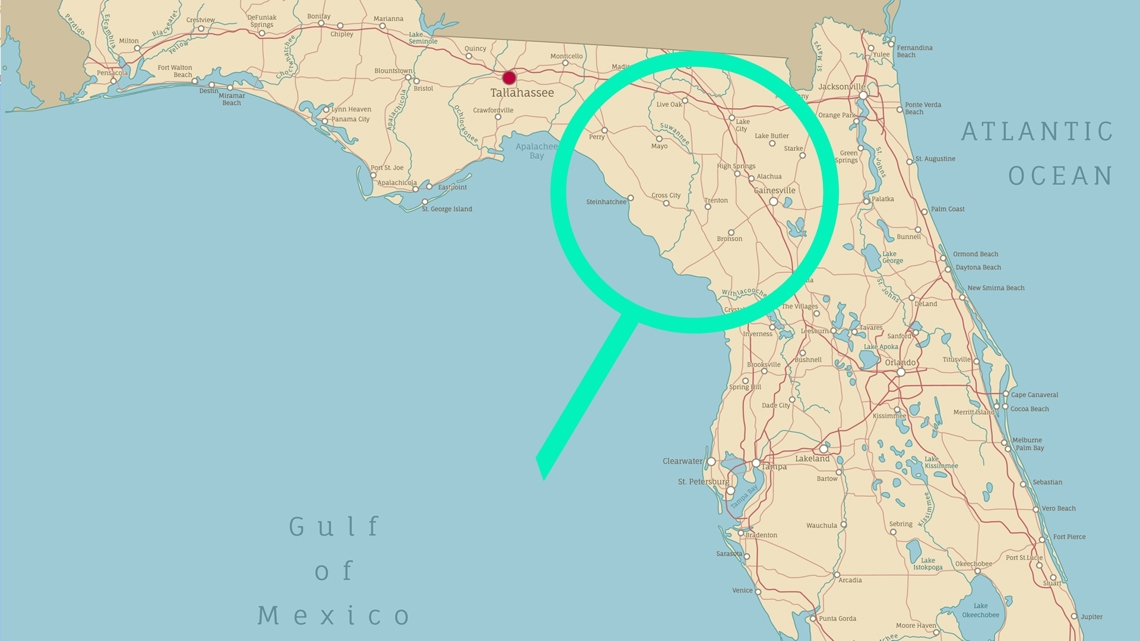
Geographically, the Big Bend stretches approximately 200 miles from the Apalachee Bay area in the west, near St. Marks, eastward to areas around Cedar Key and Crystal River, encompassing portions of more than half a dozen counties. What defines this ‘bend’ is the absence of barrier islands and sandy beaches that are typical of other Florida coasts. Instead, the shoreline is primarily a low-lying, marshy expanse, often referred to as the “marsh coast.” This distinctive feature means that the land gradually slopes into the Gulf of Mexico, creating an intricate mosaic of salt marshes, tidal flats, and estuaries that are incredibly rich in biodiversity. The region is sparsely populated, with small, historic fishing towns dotting the coastline rather than sprawling urban centers. This demographic characteristic contributes significantly to its preserved status, allowing natural processes to dominate and thrive. The name itself, Big Bend, accurately describes the significant curve the Florida peninsula makes at this point, marking a transition from the panhandle’s east-west orientation to the peninsula’s north-south direction.
A Geographic and Ecological Overview
The ecology of Big Bend Florida is profoundly influenced by its karst topography, characterized by soluble bedrock like limestone. This geological feature is responsible for the abundance of freshwater springs that bubble up from the Floridan Aquifer, feeding numerous rivers and streams that flow into the Gulf. These spring-fed rivers, such as the Suwannee River, are often tannin-stained, appearing dark, but are incredibly clear at their source. The coastal marshes, primarily composed of salt-tolerant grasses like smooth cordgrass, act as natural filters, nurseries for marine life, and crucial buffers against storm surges. Inland, the landscape transitions to pine flatwoods, cypress swamps, and hardwood hammocks, creating a diverse array of habitats. This ecological diversity supports an astonishing variety of flora and fauna, making it a critical area for conservation and scientific study. The undeveloped nature of the coast allows for natural processes like erosion and sedimentation to occur unhindered, contributing to the health and resilience of the ecosystem. It’s a living laboratory of natural Florida, showcasing the intricate web of life that depends on a healthy coastal environment.
Natural Wonders and Biodiversity
The heart of the Big Bend Florida experience lies in its extraordinary natural environment. This region is a sanctuary for an incredible array of plant and animal life, making it a paradise for nature enthusiasts, wildlife photographers, and anyone seeking to reconnect with the wild. The extensive network of protected areas ensures that these natural treasures are preserved for generations to come.
The Big Bend Greenway and Coastal Marshes
Central to the region’s natural appeal is the concept of the Big Bend Greenway, a vision for a continuous corridor of protected lands that runs along the coast. While not a single, unified entity, it represents numerous state parks, wildlife management areas, and national wildlife refuges like the vast St. Marks National Wildlife Refuge. These protected lands safeguard the expansive coastal marshes, which are arguably the most defining feature of the Big Bend. These marshes are dynamic ecosystems, constantly shaped by the tides and the influx of freshwater from inland rivers. They serve as critical spawning grounds and nurseries for fish, shrimp, and crabs, forming the base of a rich marine food web. The dense vegetation and shallow waters also provide shelter and foraging opportunities for countless species of birds, mammals, and reptiles. Exploring these marshes, whether by kayak or on designated boardwalks, offers an intimate glimpse into the hidden life of this unique coastal environment.
Springs, Rivers, and Aquatic Life
Beneath the surface of Big Bend Florida lies one of the most remarkable natural wonders: the Floridan Aquifer and its outpouring of freshwater springs. The region boasts one of the highest concentrations of freshwater springs in the world. Parks like Fanning Springs State Park, Manatee Springs State Park, and Ichetucknee Springs State Park offer opportunities to swim, snorkel, and dive in these crystal-clear, 72-degree Fahrenheit waters. These springs feed into the larger river systems, including the iconic Suwannee River, which eventually empties into the Gulf. The confluence of fresh and saltwater creates unique brackish environments, supporting species adapted to both. The cooler, constant temperature of the springs provides a vital winter refuge for endangered Florida manatees, especially in areas like Crystal River and Homosassa Springs Wildlife State Park, which are considered part of the broader Nature Coast overlapping with the Big Bend.
Wildlife Viewing Opportunities
Big Bend Florida is a haven for wildlife observers. Birdwatchers will be particularly delighted by the sheer number of species, from migratory waterfowl and shorebirds that flock to the coastal marshes to resident wading birds like roseate spoonbills, great blue herons, and egrets. Raptors such as ospreys and bald eagles are also common sights. On land, white-tailed deer, wild turkeys, and even elusive Florida black bears roam the vast forests and natural areas. The waters teem with life, including various fish species, crabs, and the region’s famous bay scallops. Dolphins are frequently spotted offshore, and alligators are common inhabitants of the freshwater rivers and swamps. The undeveloped nature of the region means that encounters with wildlife are frequent and often spectacular, offering visitors a chance to witness these creatures in their natural, undisturbed habitats.
Activities and Experiences for the Nature Enthusiast
For those drawn to the outdoors, Big Bend Florida presents a plethora of activities that immerse visitors in its wild beauty. The focus here is on low-impact, nature-based recreation, reflecting the region’s commitment to preservation and ecological integrity.
Kayaking, Canoeing, and Boating Adventures
The intricate network of rivers, creeks, and coastal marshes makes Big Bend Florida an paddler’s paradise. Kayakers and canoeists can explore serene spring runs, paddle through dense cypress swamps, or navigate the vastness of the coastal marsh, often encountering manatees, otters, and countless birds along the way. Outfitters in towns like Steinhatchee and Cedar Key offer rentals and guided tours, providing access to areas that larger boats cannot reach. For motorboaters, the major rivers offer excellent access to the Gulf for fishing and offshore excursions, while the more adventurous might explore the expansive, shallow Apalachee Bay. The relatively calm waters and stunning scenery make for unforgettable aquatic adventures, whether you prefer a peaceful paddle or a thrilling boat ride.
Fishing and Scalloping in the Gulf
Fishing is a way of life in the Big Bend, attracting anglers from across the country. The rich estuarine system provides abundant opportunities for both inshore and offshore fishing. Redfish, trout, snook, and flounder are popular catches in the shallow grass flats and oyster bars. Offshore, charter boats target grouper, snapper, and king mackerel. However, perhaps the most iconic seasonal activity is bay scalloping. During the summer months, families flock to the clear, shallow waters of the Gulf to snorkel and collect these delectable shellfish. Towns like Steinhatchee and Crystal River become buzzing hubs for scalloping enthusiasts, offering a unique, family-friendly underwater treasure hunt. It’s a truly immersive experience that combines recreation with harvesting fresh, local seafood.
Hiking, Biking, and Birdwatching Trails
For those who prefer to explore on solid ground, Big Bend Florida offers a network of trails suitable for hiking and biking. Sections of the Florida Trail, a National Scenic Trail, traverse parts of the region, offering long-distance hiking opportunities through diverse ecosystems. Shorter trails can be found in various state parks and wildlife refuges, providing access to pine forests, cypress swamps, and scenic overlooks of the coastal marsh. St. Marks National Wildlife Refuge is particularly renowned for its extensive trail system and is a prime location for birdwatching, especially during migratory seasons. Observation decks and blinds are strategically placed for optimal viewing of the countless species that inhabit or pass through the refuge. The peaceful, unspoiled nature of these trails allows hikers and bikers to experience the sounds and sights of wild Florida at their own pace.
Charming Towns and Local Culture
Beyond its natural splendor, Big Bend Florida is home to a collection of quaint, historic towns that embody a distinct Florida culture. These communities offer a glimpse into the region’s past and provide a welcoming, laid-back atmosphere for visitors.
Coastal Communities and Their Heritage
Towns like Cedar Key, Steinhatchee, and St. Marks are the cultural anchors of the Big Bend. Cedar Key, a historic island town, is famous for its clam farming industry and charming Victorian architecture, offering art galleries, boutiques, and waterfront dining. Steinhatchee, often called the “Scallop Capital of the World,” retains its identity as a working fishing village, with a vibrant marina and a focus on marine recreation. St. Marks, home to the impressive St. Marks National Wildlife Refuge and a historic lighthouse, boasts one of the oldest settlements in Florida, rich with history from early Spanish exploration to its role in the Civil War. These communities pride themselves on their heritage, which is deeply intertwined with the Gulf and its resources. Festivals, such as the Cedar Key Seafood Festival, celebrate this connection, offering visitors a taste of local traditions and hospitality.
Embracing the Slow Pace of Life
One of the most appealing aspects of the Big Bend is its unhurried rhythm. Life here moves at a slower pace, dictated by the tides and the seasons rather than the rush of modern life. This creates an atmosphere of relaxation and tranquility that is increasingly rare in today’s world. Visitors are encouraged to unplug, unwind, and simply enjoy the moment, whether it’s watching a sunset over the marsh, sharing stories with locals, or savoring a meal overlooking the water. The lack of major commercial development means fewer crowds and a more intimate experience, allowing for genuine connections with the environment and the community. This slow pace is a deliberate choice, preserving the unique character of the region against the tide of rapid development seen elsewhere.
Local Cuisine and Fresh Seafood
No visit to Big Bend Florida would be complete without indulging in its fresh, locally sourced seafood. Given its strong fishing heritage, the region’s restaurants offer an abundance of freshly caught fish, shrimp, oysters, and, of course, the famous Big Bend bay scallops during their season. From rustic seafood shacks to charming waterfront eateries, dining experiences often feature simple preparations that allow the quality of the ingredients to shine. Cedar Key is particularly known for its clam dishes, while Steinhatchee excels in preparing fresh catches from the Gulf. Beyond seafood, local cuisine also incorporates influences from Florida’s Southern roots, with comfort food and regional specialties widely available. Dining in Big Bend is not just about the food; it’s about experiencing the local culture and the bounty of the Gulf of Mexico.
Planning Your Big Bend Adventure
A trip to Big Bend Florida requires a different approach than planning a typical Florida vacation. With its focus on nature and outdoor activities, careful consideration of timing and lodging will enhance your experience.
Best Time to Visit
The best time to visit Big Bend Florida largely depends on your desired activities. The cooler, drier months from late fall through spring (October to May) are ideal for hiking, biking, birdwatching, and exploring the springs, as temperatures are mild and insects are less prevalent. Winter is perfect for spotting manatees in the springs and migratory birds in the refuges. Summer (June to September) brings warmer temperatures and higher humidity, but it’s also the prime season for bay scalloping, a truly unique Big Bend experience. Summer afternoons can bring thunderstorms, so morning activities are often preferred. Always check weather forecasts and be prepared for changing conditions, especially if engaging in water-based activities.
Where to Stay
Accommodation options in Big Bend Florida reflect its rural, nature-oriented character. You won’t find large chain resorts here. Instead, visitors can choose from charming local inns, bed and breakfasts, vacation rentals (houses or cabins), and numerous campgrounds. Towns like Cedar Key and Steinhatchee offer boutique lodging options that provide a personalized touch. Many outdoor enthusiasts opt for camping in state parks or private campgrounds, allowing for direct access to trails and waterways. For those seeking a more rustic experience, primitive camping is available in certain wilderness areas. Booking in advance is recommended, especially during peak seasons like scalloping season or major local festivals, as options can be limited. The emphasis is on comfort and convenience that integrates with the natural surroundings, rather than luxury amenities.
Responsible Tourism and Conservation
Visiting Big Bend Florida comes with a responsibility to protect its delicate ecosystems. Practicing responsible tourism is paramount to preserving this unique region for future generations. This means adhering to “Leave No Trace” principles, respecting wildlife by maintaining a safe distance and not disturbing their habitats, and staying on marked trails and designated areas. When on the water, be mindful of manatee zones and propeller scar avoidance. Support local businesses that demonstrate a commitment to sustainability and conservation. By being a mindful traveler, you contribute to the ongoing efforts to protect the pristine beauty and rich biodiversity of Big Bend Florida, ensuring that its untamed spirit remains intact for all who seek its quiet wonders.
LifeOutOfTheBox is a participant in the Amazon Services LLC Associates Program, an affiliate advertising program designed to provide a means for sites to earn advertising fees by advertising and linking to Amazon.com. Amazon, the Amazon logo, AmazonSupply, and the AmazonSupply logo are trademarks of Amazon.com, Inc. or its affiliates. As an Amazon Associate we earn affiliate commissions from qualifying purchases.