
When exploring the vibrant food scene of Boston, travelers often encounter discussions about local produce, and one name frequently surfaces: Boston Lettuce. Far more than just a leafy green, Boston Lettuce represents a distinct culinary experience, offering a delightful texture and subtle flavor that elevates numerous dishes. For culinary tourists and food enthusiasts alike, understanding this particular variety of lettuce provides a deeper appreciation for the nuances of local cuisine and the broader agricultural heritage that shapes a destination’s gastronomic identity. Its name, while evocative of its potential origins or popularity in Boston, belies a history that stretches beyond the city limits, making it a fascinating subject for anyone keen to delve into the story behind their plate.
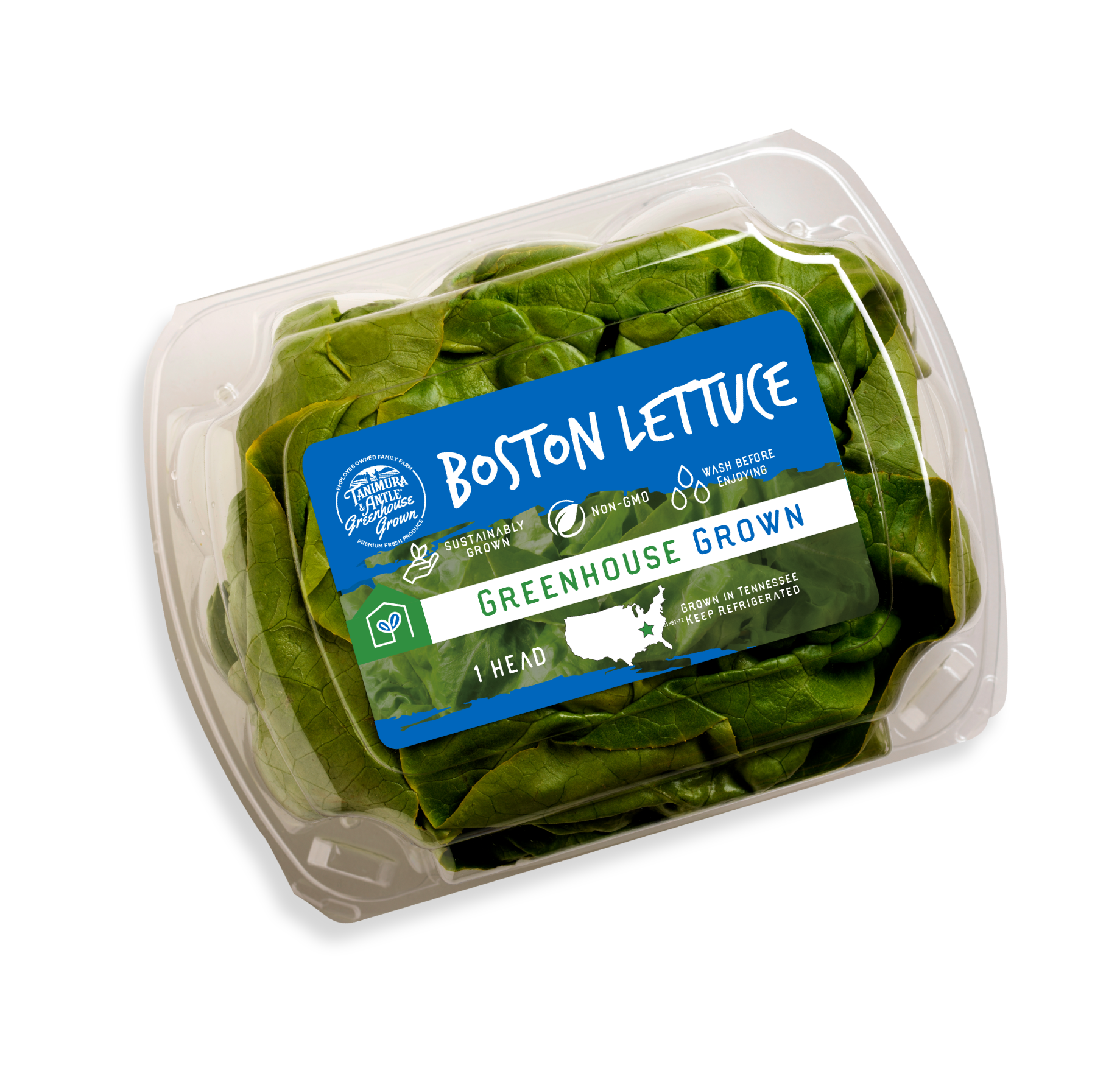
Unpacking the Identity of Boston Lettuce
Boston Lettuce belongs to the butterhead family of lettuces, a classification that immediately hints at its most defining characteristics. Unlike the crisp crunch of romaine or the firm bite of iceberg, butterhead lettuces are renowned for their delicate, almost velvety texture, which indeed evokes the sensation of butter melting in the mouth. For those on a culinary journey, recognizing and appreciating these subtle differences in texture and flavor is key to truly experiencing the local food landscape.
A Culinary Gem with a Distinct Profile
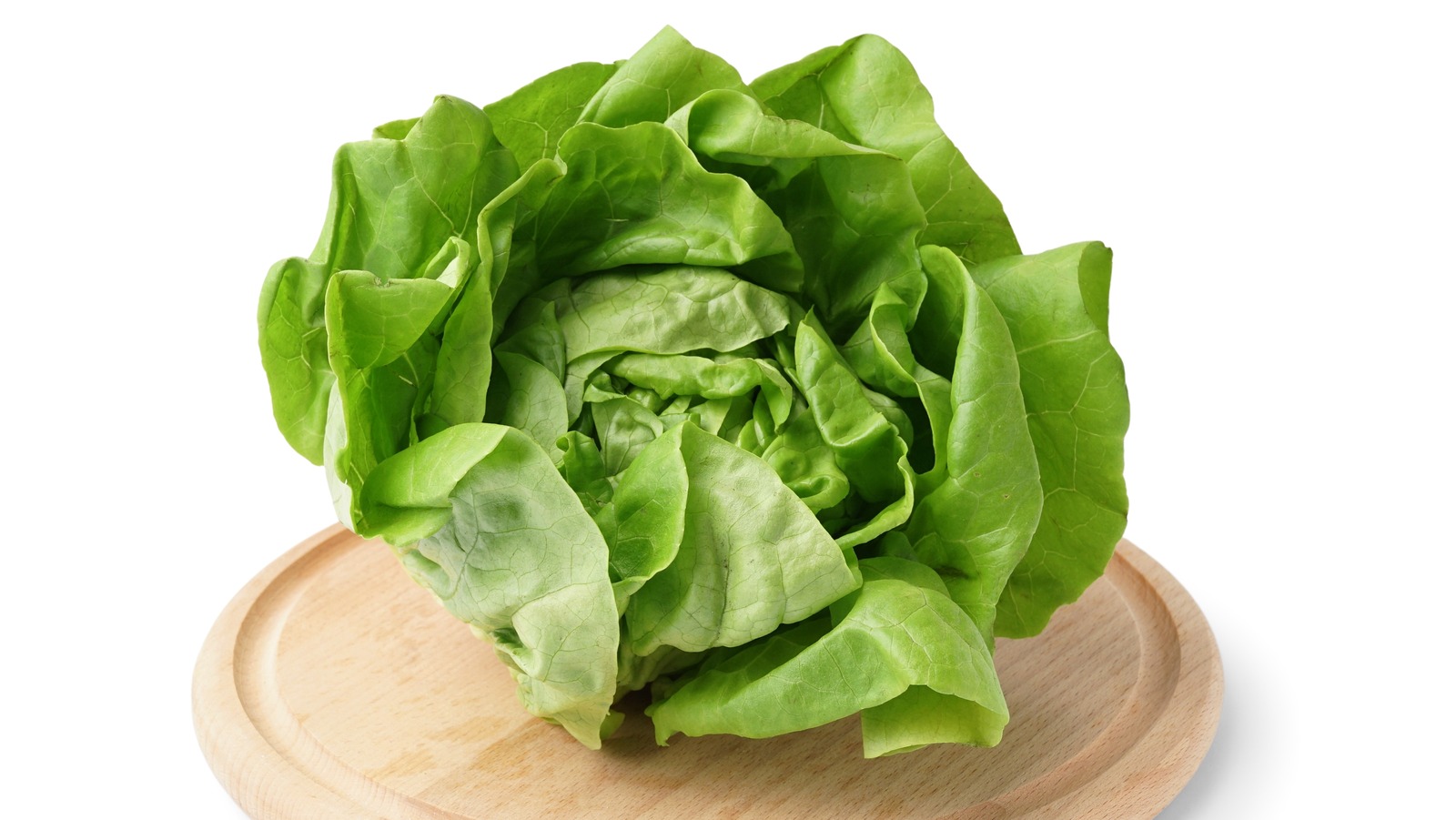
At first glance, Boston Lettuce forms a loose, open head, rather than the tightly packed structure of some other varieties. Its leaves are broad, gently ruffled, and boast a beautiful gradient of color, typically transitioning from a pale yellow-green heart to a richer, darker green on the outer leaves. This visual appeal makes it a favorite for plating, adding an elegant touch to any dish.
The true magic, however, lies in its texture and flavor. Each leaf is remarkably soft and pliable, yet robust enough to hold its shape. The flavor is mild, subtly sweet, and entirely devoid of the bitterness sometimes found in other greens. This delicate profile makes Boston Lettuce exceptionally versatile, allowing it to complement a wide array of dressings and accompanying ingredients without overpowering them. Tourists seeking authentic food experiences will often find that local chefs cherish such ingredients for their ability to harmonize with other flavors, letting the quality of each component shine through.
Origins and Nomenclature
While its moniker proudly proclaims “Boston,” the origins of this lettuce type are, in fact, rooted in Europe. Boston Lettuce is a variety of butterhead lettuce, a group that has been cultivated for centuries across the continent, notably in France where varieties like ‘Bibb’ and ‘Buttercrunch’ were developed and perfected. The term “Boston Lettuce” likely gained traction in the United States due to its historical popularity and perhaps extensive cultivation or prominent marketing within the Boston area, making it synonymous with quality and freshness in that region’s markets.
This historical journey from European fields to American tables highlights a broader theme in culinary tourism: the global exchange of ingredients and the localization of food culture. An ingredient like Boston Lettuce serves as a testament to how specific regions adopt, adapt, and name produce, shaping not only their agricultural practices but also their unique culinary narratives for visitors to explore.
Its Place in the Culinary Landscape
The mild flavor and tender texture of Boston Lettuce afford it a distinguished position in the culinary world, making it a favorite among chefs and home cooks alike. For tourists, encountering this lettuce often means experiencing dishes prepared with a thoughtful hand, where the freshness and quality of ingredients are paramount.
Versatility in Gastronomy
Boston Lettuce is a star ingredient in fresh salads, providing an ideal base for delicate vinaigrettes and lighter toppings that wouldn’t fare as well with a heartier, more assertive lettuce. Its large, flexible leaves are also perfectly suited for lettuce wraps, offering a healthier, gluten-free alternative to bread or tortillas. Imagine fresh seafood, grilled chicken, or vibrant vegetables cradled within a soft Boston Lettuce leaf—a truly refreshing experience.
Beyond salads and wraps, its tender nature makes it an excellent bed for plating more substantial dishes, providing a subtle counterpoint to richer proteins like pan-seared scallops or a perfectly cooked steak. Some chefs even blanch or lightly sauté it for a warm, wilted salad, showcasing its adaptability beyond raw preparations. For travelers who prioritize fresh, flavorful, and versatile ingredients, discovering the various applications of Boston Lettuce can be a highlight of their culinary exploration. Its presence on a menu often signals a restaurant’s commitment to quality produce and thoughtful preparation, enhancing the overall dining experience for tourists.
Health Benefits and Nutritional Value
Beyond its gastronomic appeal, Boston Lettuce is also a nutritious choice, aligning with the growing trend among travelers for healthier eating options while abroad. Like most leafy greens, it is low in calories and high in water content, contributing to hydration. It is a good source of vitamins A and K, essential for vision, immune function, and blood clotting, respectively. It also provides folate, which is crucial for cell growth and metabolism, and a modest amount of dietary fiber, aiding in digestion.
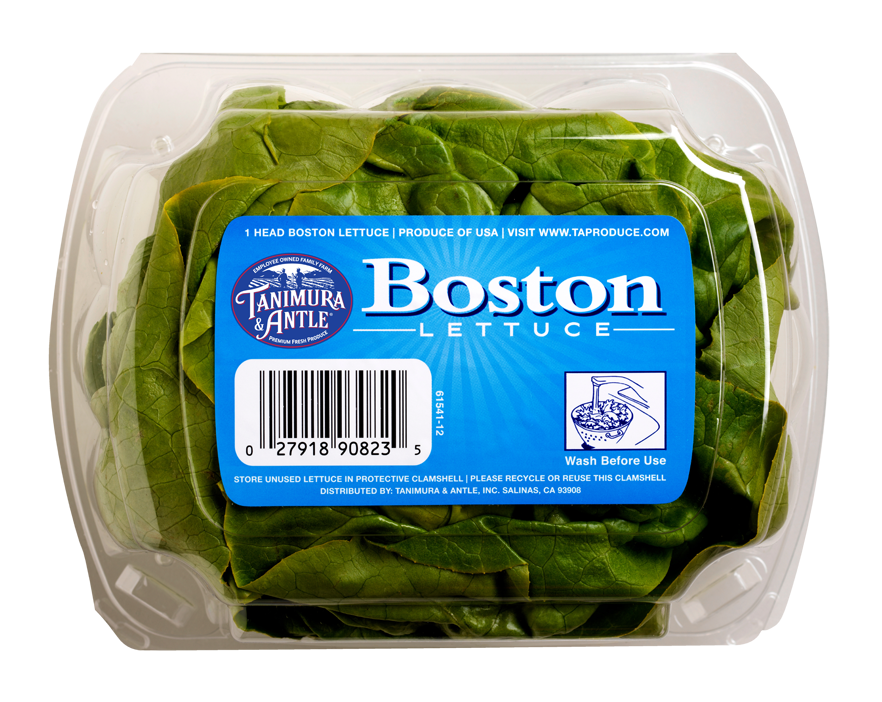
For health-conscious tourists, knowing that they can enjoy a delicious and satisfying meal featuring fresh, nutrient-rich ingredients like Boston Lettuce adds another layer of satisfaction to their travel experience. It underscores the idea that culinary tourism isn’t just about indulgence, but also about discovering wholesome, locally sourced foods that contribute to well-being.
Where to Savor Boston Lettuce in Tourist Destinations
For travelers eager to immerse themselves in local food culture, discovering where and how to enjoy Boston Lettuce can be a rewarding part of their journey. Its presence on menus and in markets often signifies a commitment to fresh, regional ingredients, offering an authentic taste of the destination.
From Farm-to-Table Eateries to Gourmet Restaurants
In cities like Boston and other culinary hubs across the United States, Boston Lettuce is a staple in restaurants that prioritize farm-to-table philosophies. These establishments often highlight the provenance of their ingredients, allowing diners to trace their meal back to local farms. Visitors should look for menus that feature seasonal salads, often simply dressed to let the quality of the lettuce shine. Fine dining establishments might use its delicate leaves as an elegant garnish or as a key component in sophisticated appetizer salads. Even more casual cafes and sandwich shops may feature it in gourmet sandwiches or wraps, offering a step up from more common lettuce varieties.
When planning a culinary tour, seeking out restaurants that explicitly mention local produce or feature seasonal menus is a reliable way to encounter Boston Lettuce. Food blogs, local dining guides, and recommendations from hotel concierges can be invaluable resources for identifying establishments that celebrate such regional ingredients, ensuring tourists experience the freshest and most authentic flavors a destination has to offer.
Experiencing Local Markets
For an even more immersive experience, tourists should make an effort to visit local farmers’ markets or specialty grocery stores. These vibrant hubs are not only places to purchase fresh produce but also cultural centers where visitors can interact with local farmers and vendors. Here, [Boston Lettuce](https://lifeoutofthebox.com/boston-lettuce] is often sold freshly picked, its vibrant leaves a testament to its quality.
Walking through a bustling market, observing the diverse array of seasonal produce, and perhaps even engaging in conversation with a farmer about their growing practices provides a rich, sensory experience. It allows travelers to connect directly with the agricultural backbone of a region, offering insights into the local food system that a restaurant meal alone cannot provide. Purchasing a head of [Boston Lettuce](https://lifeoutofthebox.com/boston-lettuce] from a local market and preparing a simple salad in a rented apartment or villa can be a delightful and memorable part of a culinary vacation, embodying the essence of local living.
The Broader Impact on Culinary Tourism
The presence and appreciation of specific local ingredients like Boston Lettuce play a significant role in shaping a destination’s appeal to culinary tourists. Such ingredients are not merely food items; they are threads in the tapestry of local culture, economy, and identity.
Driving Local Food Experiences
Ingredients with a distinct regional identity, whether by name or by cultivation, contribute immensely to the uniqueness of a destination’s food scene. Boston Lettuce, with its delicate profile and regional association, encourages travelers to delve deeper into local culinary traditions. When a dish features an ingredient with a story, it becomes more than just sustenance; it becomes an experience, a conversation starter, and a memorable part of the journey.
Culinary tourism thrives on these authentic connections to local culture through food. Visitors are increasingly seeking out experiences that go beyond sightseeing, aiming to taste and understand the essence of a place. The pursuit of local delicacies, even something as seemingly simple as a particular type of lettuce, fuels this desire, driving demand for farm-to-table dining, cooking classes featuring local ingredients, and guided food tours that highlight regional specialties.
Sustainability and Local Sourcing
The growing popularity of ingredients like [Boston Lettuce](https://lifeoutofthebox.com/boston-lettuce], particularly when sourced locally, also aligns with broader trends in sustainable tourism. Tourists are becoming more conscious of their environmental footprint and the impact of their travel choices. Opting for restaurants and markets that champion local produce supports regional farmers, reduces transportation emissions, and ensures a fresher, more flavorful product.
By choosing to consume locally grown [Boston Lettuce](https://lifeoutofthebox.com/boston-lettuce], travelers are implicitly supporting local economies and sustainable agricultural practices. This not only enhances the quality of their culinary experience but also contributes positively to the destination they are visiting. Ultimately, understanding “what is Boston Lettuce?” extends beyond its botanical definition; it becomes an exploration of taste, history, culture, and responsible travel, all intertwined within the vibrant world of culinary tourism.
LifeOutOfTheBox is a participant in the Amazon Services LLC Associates Program, an affiliate advertising program designed to provide a means for sites to earn advertising fees by advertising and linking to Amazon.com. Amazon, the Amazon logo, AmazonSupply, and the AmazonSupply logo are trademarks of Amazon.com, Inc. or its affiliates. As an Amazon Associate we earn affiliate commissions from qualifying purchases.