
Planning a trip to a vibrant city like Boston involves meticulous preparation, from securing the perfect accommodation to mapping out your itinerary. Amidst these exciting arrangements, one crucial detail often overlooked is the local time zone. Understanding Boston’s time zone is not just about knowing what time it is; it’s fundamental to smooth travel, effective planning, and a seamless experience in this historic Massachusetts metropolis.
Boston operates on Eastern Time, which means it observes both Eastern Standard Time (EST) and Eastern Daylight Time (EDT). For travelers arriving from different parts of the globe or even across the United States, comprehending this system is key to avoiding jet lag, making timely appointments, and fully immersing yourself in the city’s rich culture and myriad attractions. This comprehensive guide will delve into the specifics of Boston’s time zone, offering insights for every type of traveler looking to make the most of their visit.

Understanding Eastern Time: EST and EDT
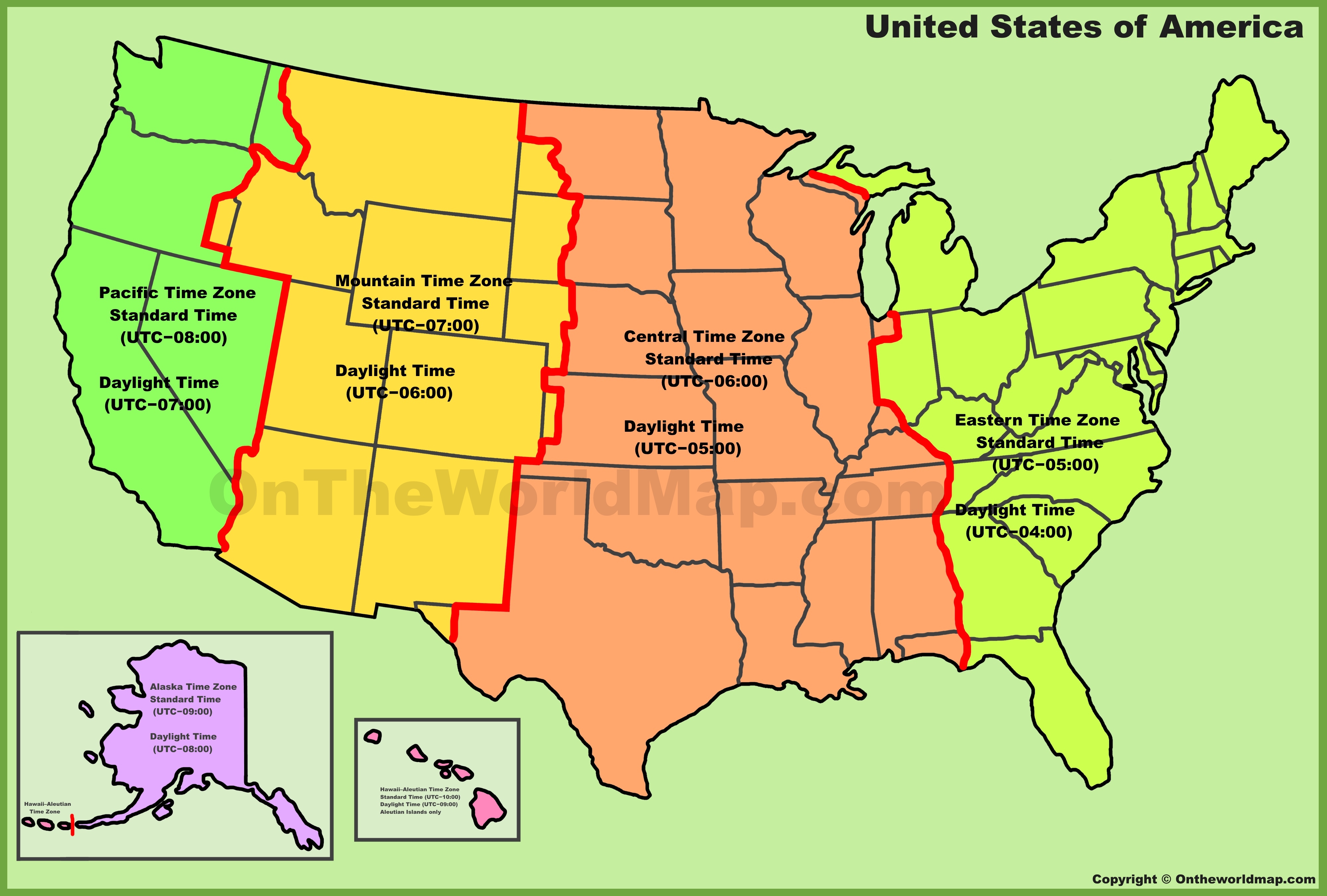
Boston’s time zone falls under the Eastern Time Zone, one of the primary time zones in North America. This zone encompasses the eastern third of the United States and Canada, as well as some parts of Central America and the Caribbean. However, the specific designation of “Eastern Time” fluctuates throughout the year between two states: Standard Time and Daylight Time.
The Basics: Eastern Standard Time (EST)
Eastern Standard Time (EST) is observed during the fall and winter months. It is defined as Coordinated Universal Time minus five hours (UTC-5). This means that when it is noon UTC, it is 7:00 AM in Boston. During EST, the days are shorter, and the sun sets earlier, aligning with the natural rhythms of the colder seasons. For travelers visiting between early November and mid-March, this is the time zone to consider for all your plans. This period often coincides with holiday travel, winter festivals, and academic breaks, drawing visitors to Boston’s cozy cafes, world-class museums, and festive holiday markets. Knowing you’re on EST allows you to plan your indoor activities and evening events without missing a beat.
The Switch: Eastern Daylight Time (EDT)
As spring arrives, Boston, like much of the United States, transitions to Eastern Daylight Time (EDT). This change typically occurs on the second Sunday in March, when clocks “spring forward” by one hour. EDT is defined as Coordinated Universal Time minus four hours (UTC-4). So, when it is noon UTC, it is 8:00 AM in Boston. This shift means that sunrise and sunset occur one hour later than under EST, effectively extending daylight into the evening. The transition back to EST happens on the first Sunday in November, when clocks “fall back” by an hour. This practice, commonly known as Daylight Saving Time, is designed to make better use of natural daylight.
For travelers, the switch to EDT is particularly significant. Longer daylight hours provide more opportunities for outdoor sightseeing, leisurely strolls through the Boston Common or Public Garden, and enjoying waterfront activities along Boston Harbor. It’s crucial to confirm whether your travel dates fall within EST or EDT to avoid confusion, especially with flight schedules, tour bookings, and restaurant reservations. Websites and local businesses will typically adjust automatically, but a quick double-check can save you from an early or late arrival.
Navigating Time Differences as a Traveler
Traveling across time zones can be exhilarating but also challenging, particularly when it comes to adjusting your internal clock. For those arriving in Boston from distant locations, managing the time difference is a key aspect of ensuring a pleasant and productive trip.
Arriving in Boston: Adjusting to Local Time
Jet lag is a common adversary for international travelers or even those coming from California or other western US states. The symptoms can range from fatigue and insomnia to irritability and digestive issues. To minimize its impact, start adjusting your sleep schedule a few days before your departure. If you’re traveling eastward to Boston from, say, London or Paris, try to go to bed and wake up earlier. Conversely, if you’re coming from the west, gradually shift your schedule later.
Upon arrival, immediately switch to Boston local time. Expose yourself to natural light during the day to help reset your circadian rhythm, and avoid napping for extended periods. Stay hydrated and try to eat meals at local mealtimes, even if you don’t feel hungry. If you’ve booked accommodation at a hotel like the Boston Harbor Hotel or The Ritz-Carlton, Boston, take advantage of their amenities, such as a refreshing swim or a workout at the fitness center, which can help combat fatigue. Many hotels also offer excellent dining options, making it easier to adhere to local eating schedules.

Planning Your Boston Itinerary
Effective time management is paramount in a city teeming with attractions. Knowing Boston’s time zone ensures you’re on schedule for everything from early morning historical tours to evening performances. When planning your itinerary, factor in travel time between landmarks and remember that many popular attractions, such as the Museum of Fine Arts or the New England Aquarium, have specific opening and closing hours.
Consider booking popular tours or tickets online in advance, noting their local start times. For instance, a morning walk along the Freedom Trail starting at 9:00 AM will require an early start, especially if you’re battling jet lag. If you’re attending a Boston Red Sox game at Fenway Park, be mindful of game start times, which can vary. For a leisurely evening out in the North End, knowing the time allows you to make dinner reservations at popular Italian restaurants and still catch a post-meal stroll without rushing. Travelers on business stays will find precise time zone awareness critical for meetings and conferences, often held during standard business hours.
Boston’s Iconic Landmarks and Their Timeless Allure
Boston’s rich history and vibrant present offer a compelling blend of experiences for every visitor. From Revolutionary War sites to modern architectural marvels, the city’s attractions are deeply intertwined with its identity, irrespective of the time of year or time zone.
Historical Gems and Modern Marvels
The city is a living museum, and many of its most famous landmarks are concentrated along the Freedom Trail, a 2.5-mile red-lined path that winds through historic Boston. This trail leads you to 16 significant sites, including the Massachusetts State House, Old North Church, Paul Revere House, and Faneuil Hall Marketplace. Walking the trail is an immersive experience that can take several hours, so planning your start time is essential, especially to avoid crowds at popular spots like Quincy Market.
Beyond the Freedom Trail, Boston boasts other incredible sites. Explore the elegant streets of Beacon Hill, visit the historic USS Constitution at Charlestown Navy Yard, or delve into art and history at the Isabella Stewart Gardner Museum. For those interested in academia, a visit to Harvard University in nearby Cambridge or the Massachusetts Institute of Technology (MIT) offers a glimpse into the intellectual heart of the region. These institutions often have public tours or events, so checking their schedules against Boston’s local time is crucial.
Accommodations for Every Traveler
Boston’s diverse range of accommodations caters to every budget and travel style. For a luxury travel experience, hotels like the Four Seasons Hotel Boston or the Mandarin Oriental, Boston offer unparalleled service and amenities, often located near key landmarks. These establishments are ideal for those seeking opulent suites, gourmet dining, and spa services, providing a serene escape from the bustling city. Their concierge services can also be invaluable for planning activities and making reservations in accordance with local time.
Mid-range options include comfortable hotels such as the Omni Parker House, renowned for its historical significance, or the modern Revere Hotel Boston Common, which offers contemporary design and excellent views. For budget travel, there are numerous guesthouses and boutique hotels, especially in areas like the Theater District or close to public transport hubs, offering practical and affordable stays. Additionally, for long-term stay options or family trips, serviced apartments and vacation rentals through platforms that offer comparisons and reviews can provide the comforts of home. Booking accommodation that suits your lifestyle is as important as understanding the local time zone, as it forms the base for your entire experience.
Embracing Boston’s Lifestyle and Culture
Beyond its historical sites, Boston offers a vibrant lifestyle scene, rich with culinary delights, dynamic entertainment, and diverse cultural experiences. Adapting to the local time allows you to fully engage with this aspect of the city.
Culinary Delights and Evening Entertainment
Boston’s food scene is as diverse as its population. From classic New England seafood, like clam chowder and lobster rolls, to a burgeoning international cuisine, there’s something for every palate. The North End is famous for its Italian restaurants and pastry shops, while the Seaport District offers trendy eateries with stunning waterfront views. Dinner reservations often start around 5:00 PM or 6:00 PM, extending late into the evening. Being on local time ensures you don’t miss out on these gastronomic adventures.
Evening entertainment options are equally varied. Catch a Broadway show in the Theater District, enjoy live music at a jazz club, or explore the lively bar scene in areas like Faneuil Hall Marketplace. Sports enthusiasts can take in a Boston Celtics basketball game or a Boston Bruins hockey match at the TD Garden. All these activities operate on Boston’s local time, making it essential to synchronize your watch and internal clock.
Making the Most of Your Boston Experience
Ultimately, understanding “What Is Boston Time Zone?” is more than just a logistical detail; it’s a gateway to a richer, more relaxed travel experience. Whether you’re a first-time visitor or a seasoned traveler, being mindful of EST and EDT will help you seamlessly transition into the city’s rhythm. It enables you to maximize your sightseeing, enjoy local culture without feeling rushed, and make the most of every moment.
From the first morning coffee in Beacon Hill to a late-night stroll by the illuminated Boston Public Library, every activity in Boston operates according to its Eastern Time schedule. Embrace this awareness, and your trip to this historic and vibrant city will be not just timely, but truly unforgettable. Remember to check local time as you plan your journey, and prepare to immerse yourself fully in all that Boston has to offer, from its revolutionary past to its dynamic present.
LifeOutOfTheBox is a participant in the Amazon Services LLC Associates Program, an affiliate advertising program designed to provide a means for sites to earn advertising fees by advertising and linking to Amazon.com. Amazon, the Amazon logo, AmazonSupply, and the AmazonSupply logo are trademarks of Amazon.com, Inc. or its affiliates. As an Amazon Associate we earn affiliate commissions from qualifying purchases.