
Nestled along the picturesque Charles River in one of America’s most historic and vibrant cities, Boston University (BU) stands as a prominent institution renowned for its academic prowess, diverse community, and profound integration into the urban fabric of Boston, Massachusetts. For travelers, prospective students, and curious visitors alike, understanding what makes BU special often means exploring its unique blend of scholarly excellence, cultural richness, and its strategic location that opens doors to countless travel and lifestyle experiences. From its pioneering research to its iconic campus architecture, and its role as a cultural anchor, BU offers a multifaceted identity that goes far beyond the traditional university stereotype.
A Hub of Academic Excellence and Urban Exploration
Boston University has carved out a global reputation not just for its sprawling campus, but for the caliber of its academic programs and the significant contributions of its faculty and alumni to various fields. Its status as an R1 research institution underscores a commitment to groundbreaking discovery, making it a dynamic environment for learning and innovation. But what truly sets BU apart is how this academic intensity is seamlessly woven into the tapestry of a major international city, offering an urban exploration experience unlike any other.
Pioneering Programs and Research
At its core, Boston University is celebrated for an impressive array of top-ranked programs across its 17 schools and colleges. Its School of Communications is consistently lauded for its cutting-edge journalism, film, and public relations programs, attracting aspiring media professionals from around the globe. The Questrom School of Business is recognized for its innovative curriculum and strong ties to Boston’s thriving business and tech sectors, producing leaders who shape industries. Engineering, particularly biomedical engineering, and computer science at the College of Engineering are at the forefront of technological advancement, fostering a culture of discovery and problem-solving.
Beyond these, the College of Arts & Sciences boasts robust programs in everything from neuroscience and political science to economics and history, demonstrating the university’s commitment to a broad-based liberal arts education. The College of Fine Arts nurtures talent in music, theater, and visual arts, adding a vibrant creative dimension to the university. Even the School of Hospitality Administration stands out, preparing students for leadership roles in the global tourism and hotel industries – a testament to the website’s very focus on travel and accommodation. This diversity ensures that BU is a magnet for bright minds and contributes significantly to the intellectual capital of Boston and beyond. Visitors interested in academic tourism or attending conferences will find BU’s offerings particularly compelling.
A Riverside Campus with City Views
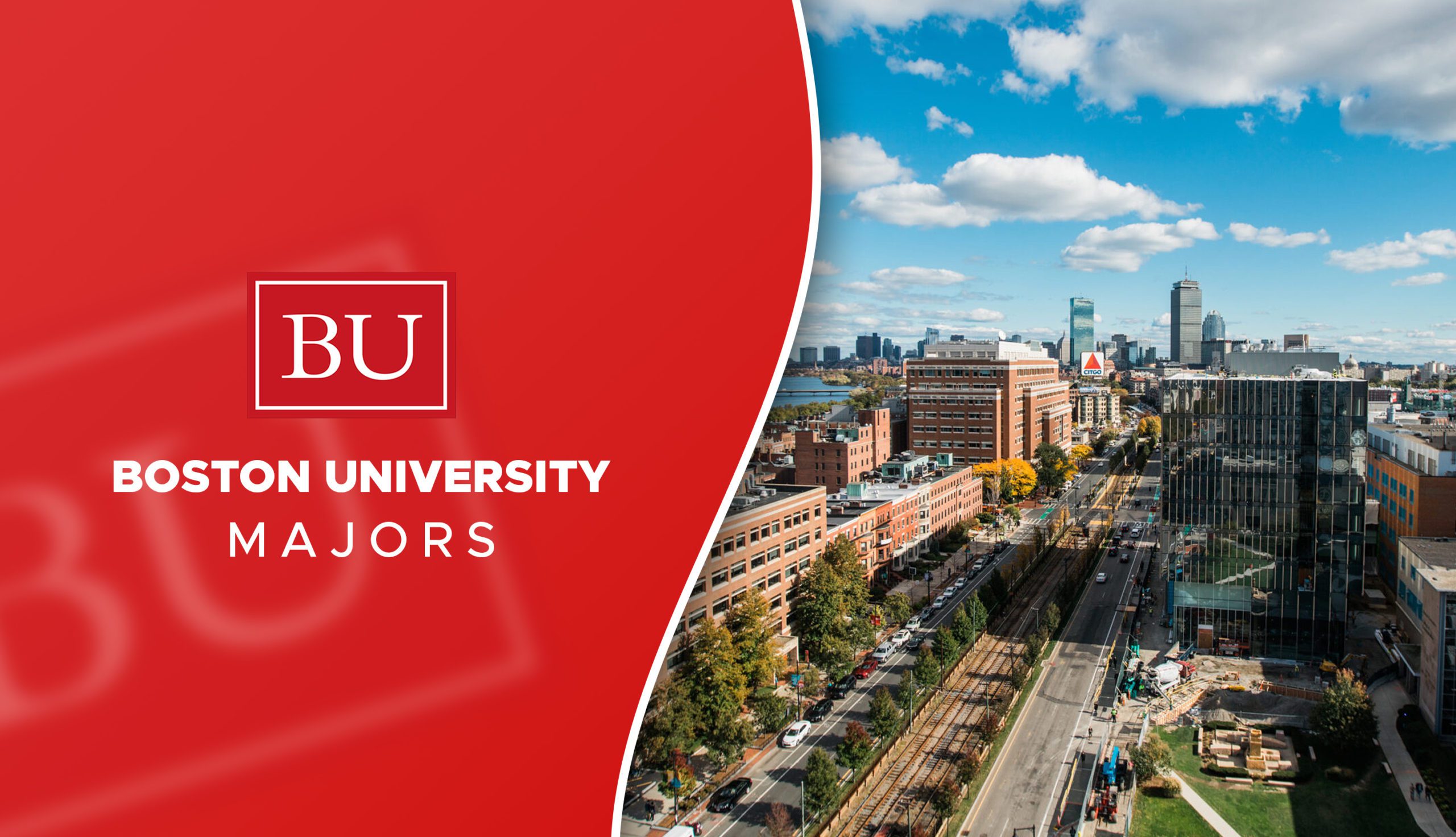
One of BU’s most distinguishing features is its sprawling urban campus, which stretches for over a mile and a half along Commonwealth Avenue in the heart of Boston. This linear campus design, hugging the scenic Charles River, offers stunning views and unparalleled access to city life. Unlike many secluded universities, BU is inextricably linked to its urban environment. The campus itself is a landmark, with a blend of historic brownstones, modern academic buildings, and state-of-the-art facilities like the Agganis Arena, a multi-purpose sports and entertainment complex.
Visitors can stroll along the Charles River Esplanade, a popular spot for jogging, biking, and enjoying the city skyline. From the campus, it’s a short walk or subway ride to iconic Boston landmarks such as Fenway Park, the historic home of the Boston Red Sox, and Kenmore Square, a bustling hub of activity. The campus effectively serves as a gateway to exploring Boston’s diverse neighborhoods and attractions, making it a prime location for travelers who wish to experience both academic gravitas and metropolitan vibrancy.
Experiencing Boston Through the BU Lens
Boston University’s integration into the city means that experiencing BU is often synonymous with experiencing Boston. The university’s presence amplifies the city’s appeal, providing a unique vantage point for cultural immersion, culinary exploration, and participation in a lively student lifestyle that infuses the surrounding areas with youthful energy.
Cultural Immersion and Historical Sites Nearby
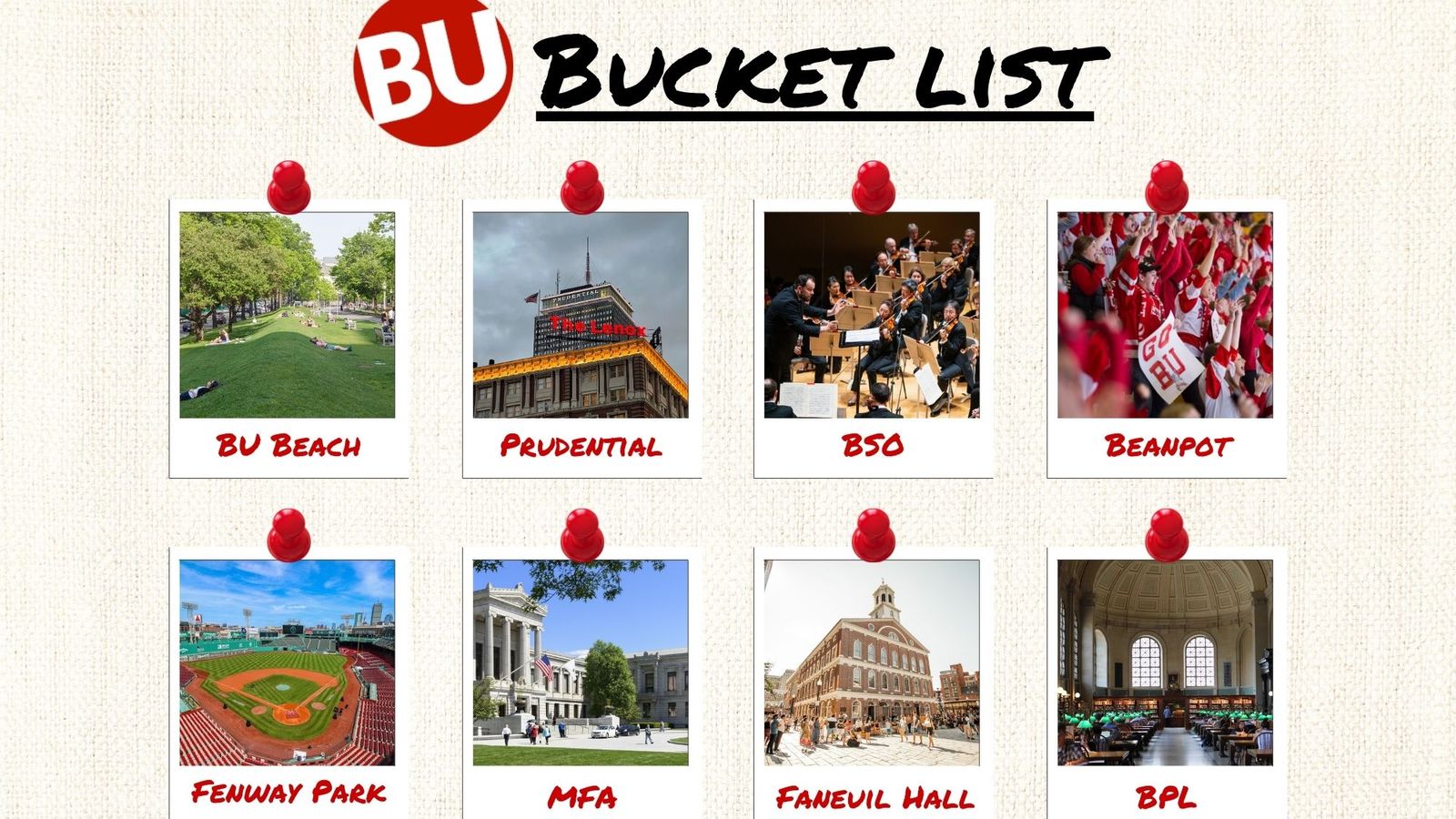
BU’s prime location offers visitors immediate access to some of Boston’s most significant cultural and historical sites. Just a short distance from campus are world-class museums like the Museum of Fine Arts, housing an encyclopedic collection of art, and the enchanting Isabella Stewart Gardner Museum, known for its Venetian palace-like architecture and intimate courtyard. For music lovers, Symphony Hall, home to the renowned Boston Symphony Orchestra, is easily reachable. These institutions provide rich opportunities for cultural tourism, offering a deeper dive into art, history, and music.
Furthermore, BU’s proximity to areas like Back Bay and Beacon Hill means that visitors can easily explore architectural gems, upscale shopping on Newbury Street, and the historic grandeur of Copley Square, which features the Boston Public Library and Trinity Church. For those seeking to delve into Boston’s revolutionary past, a short trip will lead to the Freedom Trail, a walking tour of 16 historically significant sites including the Massachusetts State House, Faneuil Hall Marketplace, and the Old North Church. The Boston Common and Public Garden offer beautiful green spaces for relaxation and people-watching, connecting the academic hustle with serene urban oases. This blend of accessibility to major landmarks and ongoing cultural events makes a visit to BU a comprehensive tourism experience.
Culinary Adventures and Student Life Vibrancy
The area surrounding Boston University buzzes with the energy of thousands of students, faculty, and staff, creating a vibrant scene for dining and entertainment. From casual eateries catering to student budgets to upscale restaurants in Back Bay or the Italian delights of the North End, there’s a culinary adventure for every palate. The neighborhoods immediately adjacent to BU, particularly Kenmore Square, offer a plethora of cafes, bars, and diverse restaurants reflecting Boston’s multicultural identity.
Visitors can enjoy a pre-game meal before catching a Boston Red Sox game at Fenway Park or explore the eclectic offerings near the campus’s various schools. The university itself contributes to the local food scene, with a variety of dining halls and smaller cafes that often feature locally sourced ingredients. Beyond food, the lively atmosphere extends to numerous cultural events, performances, and public lectures hosted by the university, many of which are open to the community. This creates a dynamic lifestyle for students and a lively environment for visitors, reflecting both budget travel and experiential tourism options.
Accommodation and Travel: Making Your Visit to BU Seamless
For anyone planning a visit to Boston University, whether for admissions, alumni events, academic conferences, or simply to explore Boston with BU as a central point, understanding the local accommodation and travel landscape is key. Boston is a major tourist destination, and its infrastructure is well-equipped to handle visitors, offering a range of options to suit various needs and preferences.
Hotels and Lodging Options Near Campus
Given BU’s central location, there’s a wide selection of hotels and lodging options available nearby, catering to different budgets and styles of travel. For those seeking luxury travel, numerous upscale hotels and resorts can be found in Back Bay, a short distance from the campus, offering premium suites, concierge services, and high-end amenities. These might include renowned chains or elegant boutique hotels that provide a more personalized experience.
Mid-range options are plentiful in areas like Kenmore Square and along Commonwealth Avenue, providing comfortable stays within easy walking or public transit distance to the university. Many of these hotels are popular choices for families visiting students or attending university events. For budget travel, there are also more economical hotels and guesthouses a bit further out, still easily accessible via Boston’s excellent public transportation system. Additionally, the rise of apartments and villas available for short-term rental offers alternatives for those looking for more space, self-catering options, or planning a long-term stay. Websites specializing in accommodation booking and reviews can help in comparing prices and features to find the perfect fit.
Navigating Boston and Reaching BU
Boston is a highly walkable city, especially around the BU campus and its immediate surroundings. However, for longer distances, the city boasts a comprehensive public transportation system operated by the MBTA (Massachusetts Bay Transportation Authority), colloquially known as “the T.” The MBTA Green Line runs directly through the Boston University campus, with multiple stops making it incredibly convenient to access various parts of the university and connect to downtown Boston, Cambridge, and other neighborhoods where other notable institutions like Harvard University and the Massachusetts Institute of Technology (MIT) are located.
For those arriving by air, Logan International Airport (BOS) is just a few miles from the campus. Multiple ground transportation options are available, including taxis, ride-sharing services, and the MBTA Silver Line bus, which connects directly to the Red Line subway, offering an affordable and efficient route into the city. Given Boston’s often congested streets and limited parking, utilizing public transit is frequently the recommended method for visitors looking to maximize their exploration and minimize stress during their stay.
Beyond Academics: BU’s Impact on Boston’s Landscape and Lifestyle
Boston University’s influence extends far beyond its lecture halls and research labs. As one of Boston’s largest employers and a significant landowner, it plays a vital role in shaping the city’s physical landscape, economic development, and overall lifestyle. Its presence contributes to the vibrant, intellectual, and forward-thinking ethos that defines modern Boston.
Architectural Gems and Green Spaces
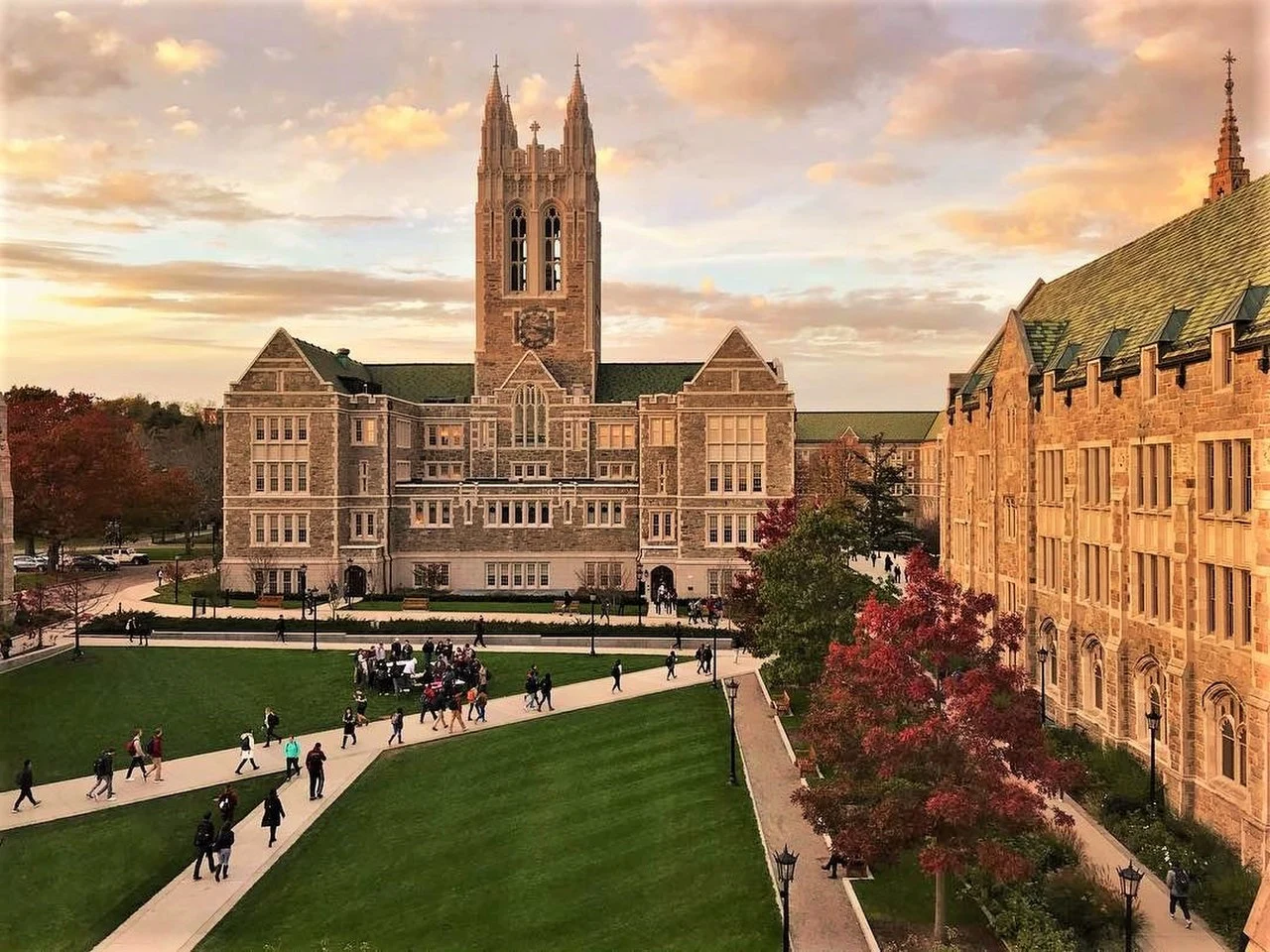
The campus of Boston University itself is a collection of architectural interest, ranging from the historic brownstones that characterize much of Commonwealth Avenue to more modern, striking buildings that reflect contemporary design. Significant landmarks on campus include the Daniel L. Marsh Chapel, with its iconic Gothic spire, and the Mugar Memorial Library, a central hub for academic resources. The Student Village, an integrated residential and athletic complex, showcases modern urban planning. These structures, while serving academic functions, also contribute to Boston’s rich architectural tapestry, appealing to those interested in urban design and history.
Furthermore, BU leverages its riverside location to offer green spaces and recreational opportunities. The proximity to the Charles River Esplanade provides residents and visitors with miles of scenic pathways for walking, running, and cycling. These natural areas interspersed with urban development enhance the quality of life and provide invaluable amenities for outdoor enthusiasts, blending seamlessly with the university’s commitment to holistic well-being. These green spaces offer peaceful retreats amidst the bustling city, contributing to the overall appeal of visiting Boston.
A Catalyst for Innovation and Community Engagement
Boston University is not merely an academic institution; it’s a powerful catalyst for innovation and a cornerstone of community engagement in Boston. Its extensive research endeavors, particularly in areas like biotechnology, healthcare, and information technology, fuel the city’s knowledge economy and contribute to its reputation as a global hub for scientific and technological advancement. Many startups and research initiatives spin out of BU, creating jobs and fostering economic growth, making the city a compelling destination for business stays and networking.
Beyond economic impact, BU actively engages with the local community through numerous outreach programs, public events, and partnerships with local organizations. Students and faculty contribute to various social causes, volunteer efforts, and cultural initiatives, enriching the lives of Boston residents. This deep integration means that the university’s pulse is felt throughout the city, contributing to a dynamic and intellectually stimulating lifestyle. For travelers seeking to understand the true spirit of Boston, exploring the impact and influence of institutions like Boston University provides invaluable insights into the city’s character and ongoing development. It’s a testament to how an educational institution can be a true landmark in its own right, shaping not just minds, but entire urban landscapes and their collective way of life.
LifeOutOfTheBox is a participant in the Amazon Services LLC Associates Program, an affiliate advertising program designed to provide a means for sites to earn advertising fees by advertising and linking to Amazon.com. Amazon, the Amazon logo, AmazonSupply, and the AmazonSupply logo are trademarks of Amazon.com, Inc. or its affiliates. As an Amazon Associate we earn affiliate commissions from qualifying purchases.