
Embarking on a journey to a new destination is always an exciting prospect, filled with anticipation for exploring new sights, savoring local flavors, and immersing oneself in a different culture. However, even the most meticulously planned travel itineraries can unravel if a fundamental aspect is overlooked: the local time zone. For those planning to visit Boston, understanding its time zone isn’t just a matter of curiosity; it’s a crucial component for seamless planning, efficient tourism, and an enjoyable stay.
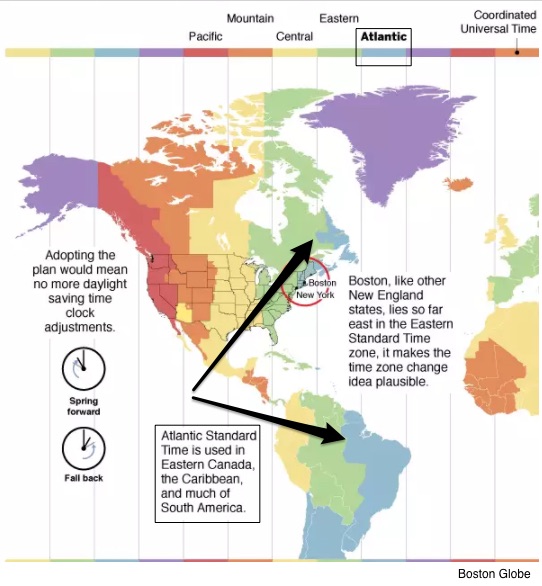
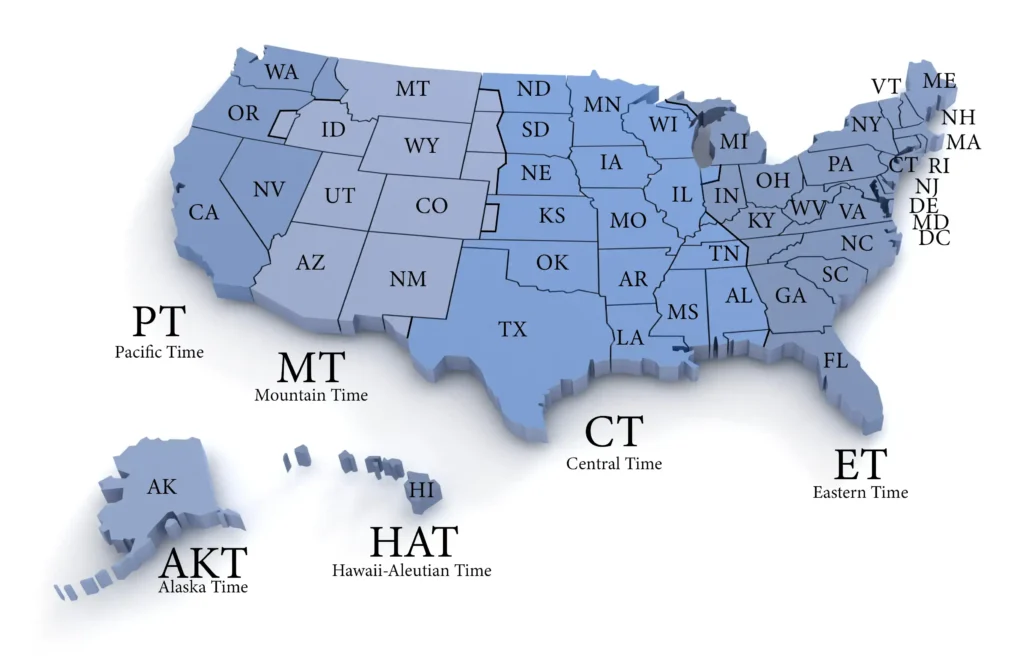
Boston, the vibrant capital of Massachusetts and one of America’s oldest cities, operates within the Eastern Time Zone. This designation, while seemingly straightforward, carries significant implications for everything from catching your flight to making dinner reservations and managing the inevitable effects of jet lag. Whether you’re a first-time visitor or a seasoned traveler returning to the Hub, a clear grasp of Boston’s time will ensure your experience is as smooth and stress-free as possible. From coordinating business meetings to ensuring you don’t miss the opening hours of a historical landmark, the clock dictates much of your daily rhythm. This comprehensive guide will delve into the specifics of Boston’s time zone, its seasonal variations, and practical tips for optimizing your visit, allowing you to fully embrace the city’s rich history, dynamic lifestyle, and countless attractions.

Understanding Eastern Time: EST vs. EDT
At its core, Boston’s time zone is the Eastern Time Zone. However, this isn’t a static designation throughout the year. Like much of the United States, Boston observes Daylight Saving Time (DST), which means the clock changes twice a year. This seasonal shift is a critical detail for any traveler to note.
From early November to mid-March, Boston operates on Eastern Standard Time (EST). During this period, EST is Greenwich Mean Time (GMT) or Universal Coordinated Time (UTC) minus five hours (UTC-5). This means if it’s noon UTC, it’s 7 AM in Boston on Eastern Standard Time. This is typically the colder part of the year, where shorter daylight hours are more pronounced.
When mid-March arrives, the clocks “spring forward” one hour, ushering in Eastern Daylight Time (EDT). This period lasts until early November. EDT is UTC minus four hours (UTC-4). So, if it’s noon UTC during Daylight Saving Time, it’s 8 AM in Boston on Eastern Daylight Time. This change is implemented to make better use of natural daylight, extending evenings during the warmer months, which is particularly beneficial for outdoor activities and tourism.
The exact dates for these transitions are generally the second Sunday in March (for the “spring forward”) and the first Sunday in November (for the “fall back”). While most modern devices automatically adjust, it is vital for travelers, especially those crossing multiple time zones, to manually confirm their travel documents, hotel bookings, and activity schedules reflect the correct time. Failing to account for this one-hour difference can lead to missed flights, late check-ins, or arriving after a beloved museum has closed its doors. Staying informed about whether Boston is on EST or EDT is the first step toward a meticulously planned and thoroughly enjoyable visit.
Navigating Boston as a Traveler: Time Zone Implications
Understanding Boston’s time zone extends far beyond merely setting your watch. It dictates the rhythm of your entire trip, influencing everything from logistical arrangements to your ability to fully engage with the city’s offerings. For travelers, anticipating and adapting to the local time is paramount for a seamless and rewarding experience.
Travel Planning and Logistics
The most immediate impact of a time zone difference is felt in travel planning. Flight schedules, for instance, are always listed in local time. If you’re flying from a different time zone, accurately calculating your arrival and departure times is crucial. A flight arriving at 3 PM Boston time might feel like 6 PM to someone from the Pacific Time Zone, affecting when you can realistically plan to check into your accommodation or begin exploring. Similarly, connecting flights across multiple time zones require careful attention to layover durations to avoid last-minute dashes or missed connections.
Hotels and other forms of accommodation (be it suites, resorts, or apartments) typically adhere to strict check-in and check-out times, which are always local. Arriving too early or too late without prior arrangement can lead to waiting for your room or incurring extra charges. Confirming your booking times in relation to your actual arrival is a smart practice. For example, if your flight lands at 6 AM EST, a standard 3 PM check-in might mean several hours of waiting. Many hotels offer early check-in for a fee or luggage storage options, which are worth investigating to prevent unnecessary downtime.
Dining also presents a time-sensitive element. Popular Boston restaurants often require reservations, especially for prime evening slots. Missing a reservation due to a time zone miscalculation can lead to disappointment. Beyond formal dining, understanding local meal times helps you integrate more smoothly into the city’s rhythm. You’ll find breakfast spots bustling early, while dinner might typically begin later than what you’re accustomed to in other parts of the world.
Lastly, local transportation like train and bus schedules operates strictly on Boston time. Whether you’re planning a day trip to a nearby town or simply navigating the city via the MBTA, always check schedules with the local clock in mind. This attention to detail ensures you won’t miss your ride or be left waiting unnecessarily.
Experiencing Boston’s Attractions and Activities
Your ability to immerse yourself in Boston’s rich tapestry of attractions and activities is intrinsically linked to time. Most landmarks, museums, and tours have specific operating hours that you must adhere to.
Iconic sites such as the Museum of Fine Arts, the New England Aquarium, or even the self-guided Freedom Trail have set opening and closing times. While the Freedom Trail itself is always accessible, the historical buildings and sites along its path, such as the Old State House or Paul Revere House, have distinct hours. Imagine arriving at the Isabella Stewart Gardner Museum only to find it closed because you misjudged the time. Always check the current operating hours, especially considering that these can sometimes vary by season or day of the week, independent of Daylight Saving Time.
Tours and organized experiences, such as a Boston Duck Tour or a whale watching excursion from Boston Harbor, operate on strict schedules. Meeting points and departure times are non-negotiable. Arriving even a few minutes late could mean missing your group and potentially forfeiting your ticket. Pre-booking these activities and adding them to your itinerary with the correct local times is essential.
For sports enthusiasts, catching a Boston Red Sox game at Fenway Park or seeing the Boston Celtics or Boston Bruins in action is a quintessential Boston experience. Game times are announced in local Eastern Time. Similarly, theater shows in the Theater District, concerts, and other events have fixed start times. Being punctual ensures you don’t miss any part of the performance or the electric atmosphere that characterizes Boston’s vibrant entertainment scene.
For business travel, time zone awareness is even more critical. Scheduling meetings, conference calls, and presentations with clients or colleagues in different time zones requires meticulous calculation to avoid conflicts and ensure everyone is present. A simple oversight can lead to missed opportunities or professional embarrassment. By diligently accounting for Boston’s time zone, travelers can unlock the city’s full potential, ensuring every moment of their trip is spent enjoying, rather than scrambling.
Overcoming Jet Lag: Tips for a Smooth Boston Trip
One of the most common yet often underestimated challenges for travelers crossing multiple time zones is jet lag. Arriving in Boston from the West Coast, Europe, or even further afield can significantly disrupt your body’s natural circadian rhythm, leading to fatigue, disorientation, and difficulty sleeping. However, with a few strategic adjustments, you can minimize the effects of jet lag and maximize your enjoyment of this historic city.
Before You Travel
Preparation is key to mitigating jet lag. A few days before your departure, try to gradually shift your sleep schedule closer to Boston’s time zone. If you’re traveling east, go to bed an hour earlier each night; if traveling west, stay up an hour later. This pre-adjustment can significantly ease the transition. Staying well-hydrated in the days leading up to your flight and avoiding excessive alcohol and caffeine will also prepare your body for the rigors of travel. On the day of your flight, set your watch to Boston’s time as soon as you board the plane. This mental shift helps you immediately begin to adapt to your new schedule, influencing when you choose to sleep or stay awake during the journey.
During Your Trip
Upon arrival in Boston, the most crucial step is to embrace the local time immediately. Even if you feel tired, try to stay awake until the local bedtime. Exposure to natural light is your best ally in resetting your body clock. Spend time outdoors, perhaps with a stroll through Boston Common or along the Charles River Esplanade, especially in the morning. Natural light helps regulate melatonin production, which controls sleep.
While you might be tempted to gorge on comfort food, opt for light, healthy meals. Avoid heavy, rich dishes and excessive alcohol or caffeine, particularly close to bedtime, as these can disrupt sleep. If you absolutely need a nap, keep it short (20-30 minutes) and early in the afternoon to avoid interfering with nighttime sleep. Gentle exercise, like a walk or light jog, can also help alleviate fatigue and promote better sleep, but avoid strenuous workouts right before bed. Listen to your body, but gently push it towards the local schedule.
Best Hotels for Rest and Recovery
Choosing the right accommodation can play a significant role in your recovery from jet lag. When booking your hotel, look for features that promote restful sleep and overall well-being. Luxury hotels and higher-end resorts often boast amenities specifically designed for guest comfort. Blackout curtains are invaluable for blocking out early morning light, allowing you to sleep in if needed, or to nap during the day without bright light disrupting your rest. Soundproofing can protect you from city noise, ensuring an undisturbed sleep environment.
Many establishments offer plush bedding, premium mattresses, and a pillow menu to enhance sleep quality. Spa services like massages or access to heated pools can also help relax your body and mind, aiding in recovery. Some hotels provide in-room fitness amenities or dedicated fitness centers, which are excellent for light exercise to combat fatigue. If you’re planning a long-term stay, consider apartments or villas that offer a more home-like environment, where you can control your schedule and prepare your own light meals, further supporting your jet lag recovery. Reading reviews and doing a thorough comparison of hotel amenities with a focus on rest and recovery will pay dividends for your overall trip enjoyment.
Boston’s Lifestyle and Time-Sensitive Activities
Boston’s unique blend of historical charm and modern vibrancy creates a distinct lifestyle that is, in many ways, driven by the clock. From the gentle awakening of the city at sunrise to its lively evening entertainment, understanding these time-sensitive rhythms allows you to fully engage with the local culture and experiences.
Early Mornings in Boston
As the sun rises over Boston Harbor, the city begins to stir, offering a quieter, contemplative side before the daily rush. Experiencing an early morning sunrise over the water from the Harborwalk or from atop the Bunker Hill Monument offers breathtaking views and a moment of tranquility. This is also the ideal time for early runs or peaceful walks along the Charles River Esplanade, where you’ll see locals embracing the fresh air and stunning cityscapes.
For early risers, Boston’s coffee shops and breakfast spots open early, providing a comforting start to the day. Places in neighborhoods like Beacon Hill or the North End offer a chance to grab a coffee and pastry while observing the city awaken, providing a taste of true local life. If you’re here for business travel, these quiet hours might be perfect for catching up on emails or preparing for the day’s meetings before the city fully comes alive.
Evening Entertainment and Nightlife
As the day transitions to evening, Boston transforms, offering a vibrant array of entertainment and nightlife options. Dinner reservations are essential for many of the city’s acclaimed restaurants, with popular seating times often between 7 PM and 9 PM. From gourmet dining in the Back Bay to authentic Italian food in the North End, securing your spot in advance ensures a memorable culinary experience.
The Theater District comes alive in the evenings, with Broadway shows, plays, and concerts typically starting between 7 PM and 8 PM. Planning your dinner around these show times is crucial to avoid rushing or missing curtain call. For a more casual evening, Boston’s historic pubs and modern bars in areas like Faneuil Hall Marketplace, Beacon Hill, or Seaport District offer a relaxed setting for drinks and conversation, often staying open well into the late hours.
For those seeking a romantic or scenic end to their day, sunset cruises on Boston Harbor provide stunning views of the city skyline as it lights up against the fading sky. These tours have specific departure times dictated by the sunset, so pre-booking and arriving punctually are essential. Whether your lifestyle leans towards luxury travel or budget travel, understanding and integrating into Boston’s daily rhythm, governed by its Eastern Time Zone, will enhance every aspect of your visit, ensuring you capture the essence of this magnificent city.
In conclusion, knowing Boston’s time zone – Eastern Standard Time (EST) in winter and Eastern Daylight Time (EDT) in summer – is more than just a trivial detail; it’s the foundation for a well-orchestrated and deeply satisfying trip. From the moment you begin planning your travel logistics to the last evening you spend enjoying Boston’s vibrant nightlife, every aspect of your journey will be influenced by the clock. By understanding the nuances of Daylight Saving Time, meticulously planning your schedule, and proactively managing jet lag, you set yourself up for an unparalleled experience. So, set your watch, embrace the local rhythm, and prepare to discover the countless wonders that await you in Boston.
LifeOutOfTheBox is a participant in the Amazon Services LLC Associates Program, an affiliate advertising program designed to provide a means for sites to earn advertising fees by advertising and linking to Amazon.com. Amazon, the Amazon logo, AmazonSupply, and the AmazonSupply logo are trademarks of Amazon.com, Inc. or its affiliates. As an Amazon Associate we earn affiliate commissions from qualifying purchases.