
The California Climate Credit is a significant initiative designed to combat climate change by incentivizing individuals and businesses to reduce their greenhouse gas emissions. This program, part of California‘s broader cap-and-trade system, plays a crucial role in the state’s ambitious environmental goals. Understanding what the California Climate Credit is and how it functions is essential for residents and businesses looking to contribute to a sustainable future and potentially benefit financially from their eco-conscious actions.
The core concept behind the California Climate Credit is to put a price on carbon pollution. California is committed to leading the nation in environmental stewardship, and its cap-and-trade program is a cornerstone of this commitment. This program sets a limit, or “cap,” on the total amount of greenhouse gases that large emitters, such as power plants and industrial facilities, can release into the atmosphere. Companies that can reduce their emissions below the mandated cap are issued allowances, which they can then sell to companies that exceed their cap. This market-based approach encourages innovation and efficiency in emission reduction.
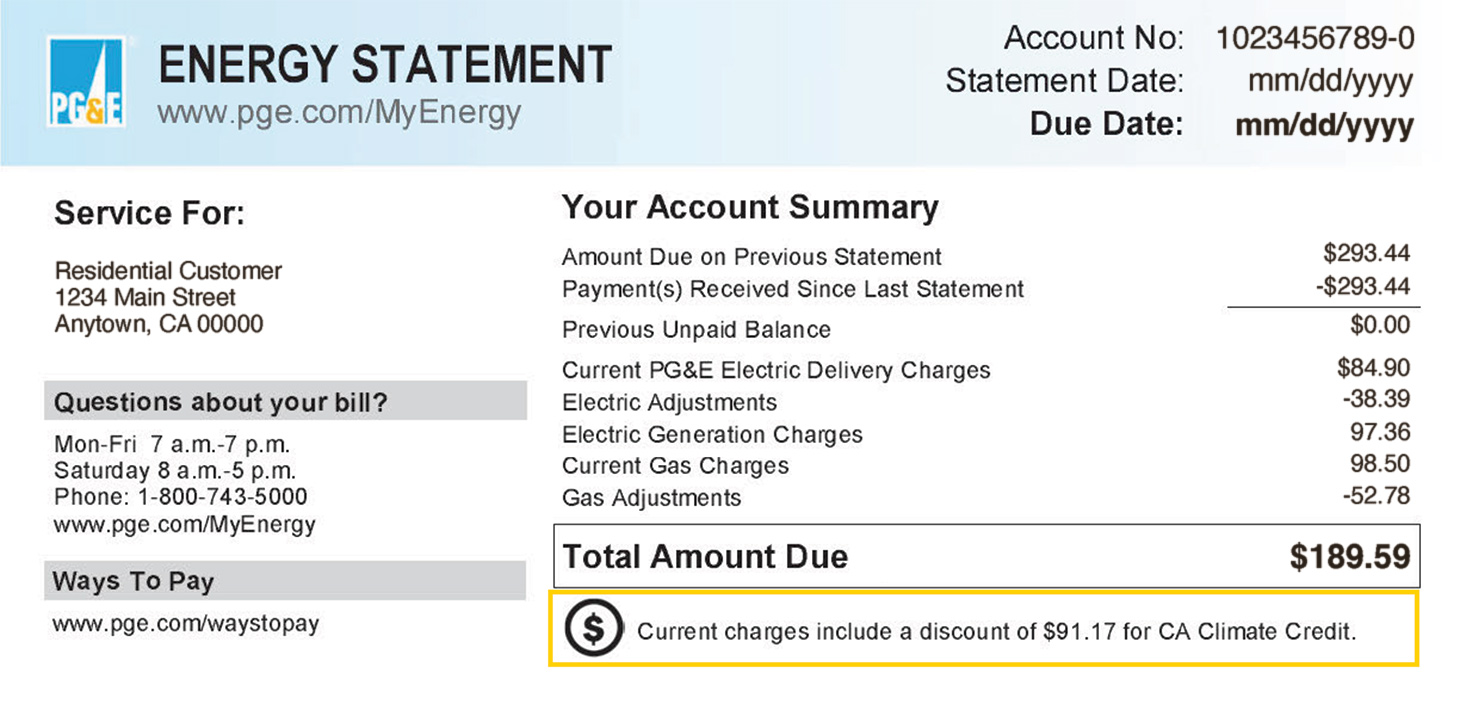
The California Climate Credit specifically refers to a portion of the revenue generated from the sale of these allowances. These funds are then distributed back to Californians in various forms, aiming to offset the potential costs associated with the transition to a lower-carbon economy and to encourage further participation in climate-friendly practices. It’s a direct way for the state to ensure that the benefits of its climate policies are shared with the public.
The Mechanics of California’s Cap-and-Trade Program
The California Climate Credit is intrinsically linked to California‘s cap-and-trade program, officially known as the California Cap-and-Trade Program. Established under Assembly Bill 32 (AB 32), the Global Warming Solutions Act of 2006, this program is the primary mechanism for the state to achieve its greenhouse gas emission reduction targets. The program is managed by the California Air Resources Board (CARB), a key state agency dedicated to improving air quality and protecting public health from the harmful effects of air pollution.
How the Cap-and-Trade System Works
At its heart, the cap-and-trade system operates on a “cap” and “trade” principle. The “cap” is a declining limit on the total greenhouse gas emissions allowed from the largest sources in California. These sources are responsible for approximately 80% of the state’s emissions. Each year, this cap is reduced, pushing industries to find cleaner ways to operate.
The “trade” aspect comes into play through the issuance of emission allowances. For covered entities—those businesses and industries that fall under the cap—they are allocated a certain number of allowances, each representing the right to emit one metric ton of carbon dioxide equivalent. Some allowances are distributed for free, especially to industries that are considered “tradable,” meaning they could potentially relocate to regions with less stringent regulations, thus causing “emissions leakage.” Other allowances are auctioned off by the state.
The revenue generated from these auctions is substantial. A significant portion of this revenue is then directed towards programs that benefit California residents and businesses, directly contributing to the California Climate Credit. These programs are designed to foster investments in clean technologies, support communities disproportionately affected by pollution, and promote climate resilience.
Key Features of the Program
- Allowance Allocation: Allowances are distributed through a combination of free allocation and auctions. The amount of free allocation decreases over time, incentivizing companies to participate in auctions and reduce emissions.
- Compliance Periods: The program operates in multi-year compliance periods. Covered entities must surrender enough allowances to cover their total emissions by the end of each period. Failure to do so can result in significant penalties.
- Offsets: The program also allows covered entities to use a limited number of “offsets” to meet their compliance obligations. Offsets are credits generated from projects that reduce greenhouse gas emissions outside of the capped sectors, such as forest conservation or methane capture from landfills.
- Revenue Investment: The auction revenue is managed by CARB and is invested in a wide array of climate programs. These investments are crucial for the state to meet its emission reduction targets and achieve its climate goals.
The California Cap-and-Trade Program is considered a leading example of a market-based approach to climate change mitigation. Its complexity is balanced by its effectiveness in driving down emissions while generating funds that can be reinvested in further climate action and provide direct benefits to the public.
The California Climate Credit: Direct Benefits for Californians
The California Climate Credit is perhaps the most visible and tangible benefit of the state’s cap-and-trade program for the average resident. While the broader program focuses on large emitters, the Climate Credit ensures that the economic impacts are distributed broadly. The credit typically appears as a reduction on your electricity bill and, in some cases, your natural gas bill.
Understanding the Electricity Credit
For most California residents, the California Climate Credit is primarily seen as a credit on their monthly electricity bill. This credit is provided by electric distribution utilities and electricity service providers. It’s a direct rebate that helps offset the costs of energy, which can be influenced by the state’s carbon pricing policies.
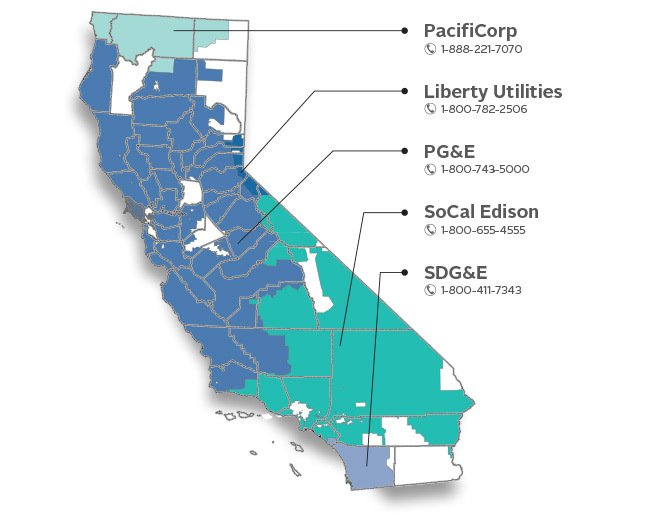
The amount of the credit can vary from year to year and also depends on your specific utility provider. Pacific Gas and Electric (PG&E), Southern California Edison (SCE), and San Diego Gas & Electric (SDG&E) are the major investor-owned utilities that deliver this credit to their customers. Smaller municipal utilities and electricity providers may also pass through similar credits, though the amount and timing might differ.
The credit is typically applied twice a year, often in April and October. The purpose is to distribute the revenue in a way that can help households manage their energy expenses. For example, the credit can help offset the increased costs of electricity that might arise from the state’s efforts to decarbonize its energy supply, such as investing in renewable energy sources and phasing out fossil fuels.
The Natural Gas Credit
In addition to the electricity credit, many California residents also receive a California Climate Credit on their natural gas bill. This credit is provided by the state’s natural gas distribution utilities, such as PG&E, SCE, and SDG&E. Similar to the electricity credit, it aims to offset potential increases in natural gas costs due to the cap-and-trade program.
The natural gas credit is also typically applied twice a year. It serves the same fundamental purpose: to provide a direct financial benefit to consumers and to ensure that the revenue from carbon pricing is returned to the public.
Who is Eligible?
Generally, all residential customers of electric and natural gas utilities participating in the program are eligible to receive the California Climate Credit. This includes households served by investor-owned utilities, as well as many customers of publicly owned utilities and Community Choice Aggregators (CCAs). The credit is applied automatically to eligible accounts, meaning residents do not need to apply for it.
The California Air Resources Board (CARB) oversees the distribution of these credits to ensure that they are implemented according to the goals of the cap-and-trade program. The credit amount is designed to be equitable, with an additional amount provided for low-income households that participate in the state’s energy assistance programs. This is a crucial aspect of the credit, ensuring that the transition to a cleaner economy does not disproportionately burden vulnerable populations.
Broader Impacts and the Future of the California Climate Credit
The California Climate Credit is more than just a bill reduction; it’s a symbol of California‘s commitment to a sustainable future and a mechanism for public engagement in climate action. Its success influences broader climate policies and can inspire other regions to adopt similar strategies.
Promoting Climate-Friendly Behavior
While the credit provides a direct financial benefit, it also implicitly promotes climate-friendly behavior. By seeing a tangible reduction on their bills, residents are reminded of the state’s climate initiatives. This can encourage them to adopt more sustainable practices in their daily lives, such as conserving energy, using public transportation, or considering electric vehicles. The revenue generated by the cap-and-trade program is also reinvested in projects that further promote these behaviors, such as funding for clean transportation infrastructure, energy efficiency upgrades for homes and businesses, and development of renewable energy sources.
Environmental Justice and Equity
A critical aspect of the California Climate Credit is its focus on environmental justice and equity. The program recognizes that low-income communities and communities of color have historically borne a disproportionate burden of pollution. Therefore, a significant portion of the cap-and-trade revenue is directed towards projects and programs that benefit these disadvantaged communities. This includes investments in cleaner transportation options, affordable housing near transit, and improvements in local air quality. The enhanced climate credit for low-income households is a direct reflection of this commitment to equity.
The Future of Carbon Pricing and Climate Action
California‘s cap-and-trade program, and by extension the California Climate Credit, is expected to continue to evolve. As the state sets more aggressive climate targets, the cap will likely be lowered further, potentially increasing the price of carbon allowances and thus the value of the credits distributed to residents.
There is ongoing discussion and research about how to best utilize cap-and-trade revenue to maximize emission reductions and ensure equitable benefits. This includes exploring innovative ways to support the transition to a fully renewable energy grid, encourage the adoption of zero-emission vehicles, and build resilience to the impacts of climate change, such as wildfires and droughts.
The California Climate Credit serves as a vital bridge, connecting the complex policy mechanisms of cap-and-trade with the everyday lives of California residents. It demonstrates that climate action can have direct, positive financial implications for individuals and communities, fostering broader support for the state’s ambitious environmental agenda. As California continues to lead in the fight against climate change, the California Climate Credit will likely remain a cornerstone of its strategy, evolving to meet new challenges and opportunities in pursuit of a healthier, more sustainable future for all.
LifeOutOfTheBox is a participant in the Amazon Services LLC Associates Program, an affiliate advertising program designed to provide a means for sites to earn advertising fees by advertising and linking to Amazon.com. Amazon, the Amazon logo, AmazonSupply, and the AmazonSupply logo are trademarks of Amazon.com, Inc. or its affiliates. As an Amazon Associate we earn affiliate commissions from qualifying purchases.