
California’s Gross Domestic Product (GDP) is a powerful indicator of its economic might, reflecting the total monetary value of all finished goods and services produced within the state in a specific period. It serves as a vital metric for understanding the health, size, and growth trajectory of the Golden State’s diverse and dynamic economy. Far more than just a number, California’s GDP is a reflection of its innovation, its entrepreneurial spirit, and its significant influence on both the national and global economic landscape.
The sheer scale of California’s economy is often compared to that of entire countries, underscoring its outsized impact. This economic prowess is not accidental but is the result of a complex interplay of factors, including a highly skilled workforce, a robust venture capital ecosystem, and a favorable regulatory environment for many burgeoning industries. Understanding the components and trends within California’s GDP provides invaluable insights for businesses, policymakers, and anyone interested in the economic future of one of the world’s most prosperous regions.
The Pillars of California’s Economic Engine
California’s economic landscape is remarkably multifaceted, with several key sectors contributing significantly to its overall GDP. These sectors are not only drivers of current economic activity but also represent areas of future growth and innovation.
Technology and Innovation
The Silicon Valley region is synonymous with technological advancement, and its contribution to California’s GDP is monumental. This hub of innovation is home to some of the world’s largest and most influential technology companies, including giants like Apple Inc., Alphabet Inc. (Google), and Meta Platforms (Facebook). These companies, along with countless startups and venture-backed enterprises, drive massive economic output through software development, hardware manufacturing, cloud computing, artificial intelligence, and more. The presence of leading research universities like Stanford University and the University of California, Berkeley further fuels this innovation by producing top talent and fostering cutting-edge research. The constant influx of venture capital into the region ensures that new ideas can be transformed into successful businesses, creating jobs and generating significant revenue.
Entertainment and Media
Southern California, particularly the Los Angeles metropolitan area, stands as the undisputed global center for the entertainment industry. The film and television production sector is a cornerstone of the state’s economy, generating billions of dollars through box office revenues, streaming subscriptions, and advertising. This industry supports a vast ecosystem of creative professionals, production studios, and related businesses, from special effects houses to costume designers. Beyond traditional media, the rise of digital content creation, social media influence, and gaming has further expanded the entertainment sector’s reach and economic impact. The iconic studios, the bustling film sets, and the vibrant creative communities all contribute to a dynamic economic environment that attracts talent and investment from around the globe.
Agriculture
Despite its image as a tech and entertainment powerhouse, California remains an agricultural titan. The state is the leading agricultural producer in the United States, boasting a diverse range of crops and livestock. From the fertile valleys of the Central Valley to the coastal regions, California’s farms produce a significant portion of the nation’s fruits, vegetables, nuts, and dairy products. Key commodities include almonds, avocados, strawberries, lettuce, and wine grapes, with the wine industry in regions like Napa Valley and Sonoma County being particularly prominent. The agricultural sector not only generates substantial revenue but also supports a significant rural workforce and plays a crucial role in the nation’s food supply. Innovations in agricultural technology and sustainable farming practices are continuously shaping this vital industry.
Tourism and Hospitality
California is a premier travel destination, attracting millions of visitors each year to its diverse attractions. The tourism and hospitality sector is a significant contributor to the state’s GDP, encompassing a wide range of businesses. This includes world-renowned theme parks such as Disneyland Resort and Universal Studios Hollywood, natural wonders like Yosemite National Park and the Pacific Coast Highway, and vibrant urban centers like San Francisco and San Diego. The sector encompasses hotels, resorts, restaurants, transportation services, and retail establishments that cater to tourists. The economic impact extends beyond direct spending by visitors to include job creation and revenue generation for local communities. The state’s appeal lies in its variety, offering everything from beach getaways and wine tasting to cultural experiences and outdoor adventures.
Finance and Professional Services
As a global economic hub, California also boasts a robust financial services sector and a thriving ecosystem of professional services. Major financial institutions and investment firms are headquartered or have significant operations in cities like San Francisco and Los Angeles, managing vast amounts of capital and facilitating economic transactions. The professional services sector includes legal firms, consulting agencies, accounting services, and marketing companies that support the state’s diverse industries. This sector is characterized by high-skilled employment and contributes substantially to the state’s economic output and tax base. The proximity to major industries like technology and entertainment creates a symbiotic relationship, with financial and professional services providing essential support and expertise.
Measuring California’s Economic Output: Understanding GDP
Gross Domestic Product is the standard measure used to quantify the economic output of a region. For California, this figure is tracked and reported by various governmental and economic bodies, most notably the Bureau of Economic Analysis (BEA), a part of the U.S. Department of Commerce.
What GDP Encompasses
California’s GDP is calculated by summing the market value of all final goods and services produced within the state’s borders over a specific period, typically a quarter or a full year. This includes:

- Consumer Spending: Expenditures by households on goods and services.
- Business Investment: Spending by businesses on capital goods, such as machinery and buildings.
- Government Spending: Outlays by federal, state, and local governments on goods and services.
- Net Exports: The difference between the value of goods and services exported from California and the value of those imported. While the BEA primarily focuses on national and state-level GDP, understanding the trade balance of specific industries is crucial for a complete picture.
GDP Growth and Its Significance
The growth rate of California’s GDP is a key indicator of its economic vitality. A positive growth rate signifies an expanding economy, characterized by increased production, job creation, and rising incomes. Conversely, a negative growth rate, or a recession, indicates an economic contraction. Understanding these trends allows for informed decision-making by businesses considering expansion, by policymakers designing economic strategies, and by individuals assessing the economic climate. Factors influencing growth include technological advancements, consumer demand, global economic conditions, and state-level policies.
Nominal vs. Real GDP
It’s important to distinguish between nominal and real GDP. Nominal GDP is calculated using current prices, while real GDP adjusts for inflation, providing a more accurate picture of the actual volume of goods and services produced. Analyzing real GDP growth is essential for understanding the true economic expansion of California, free from the distortion of price changes.
California’s GDP in a Global Context
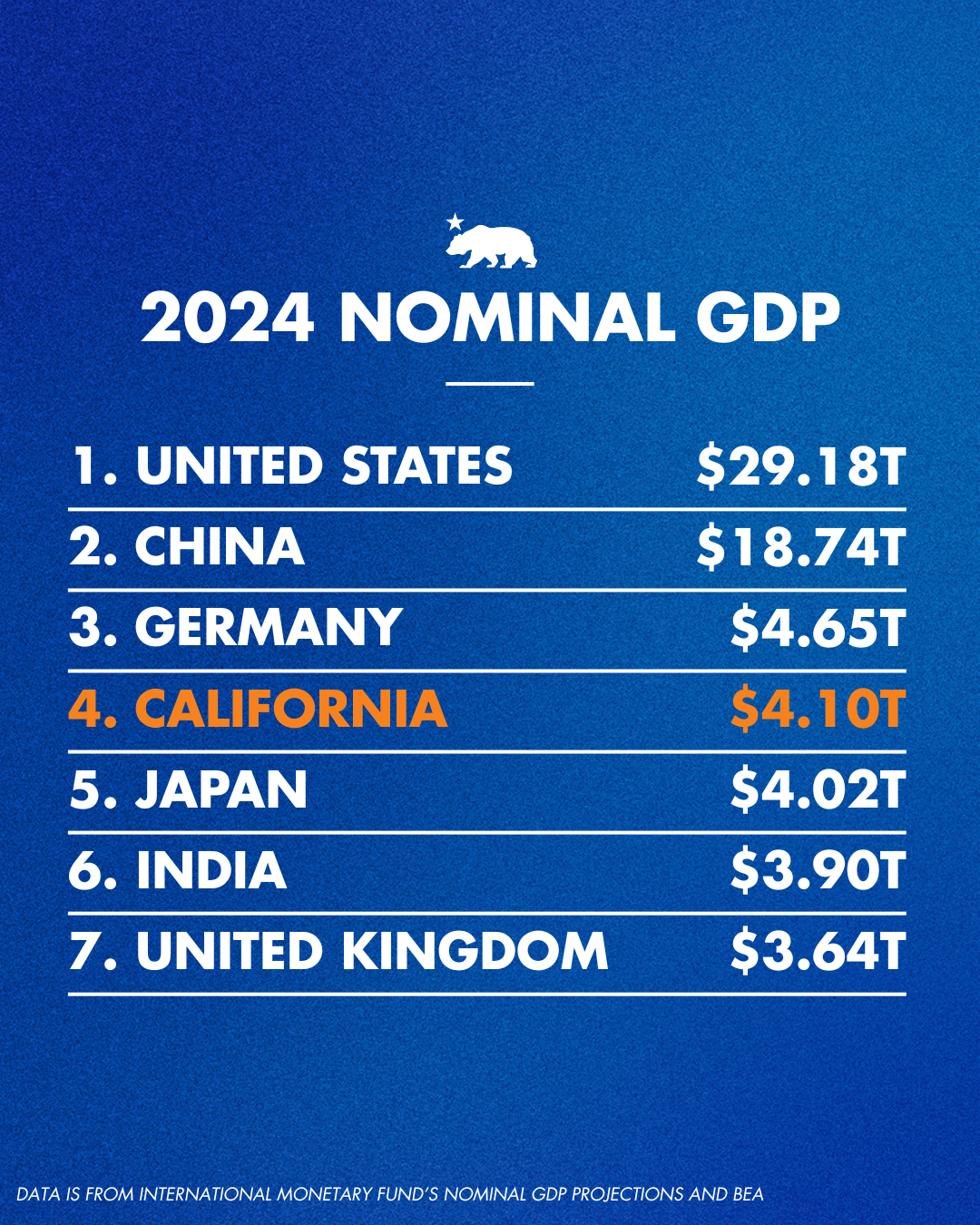
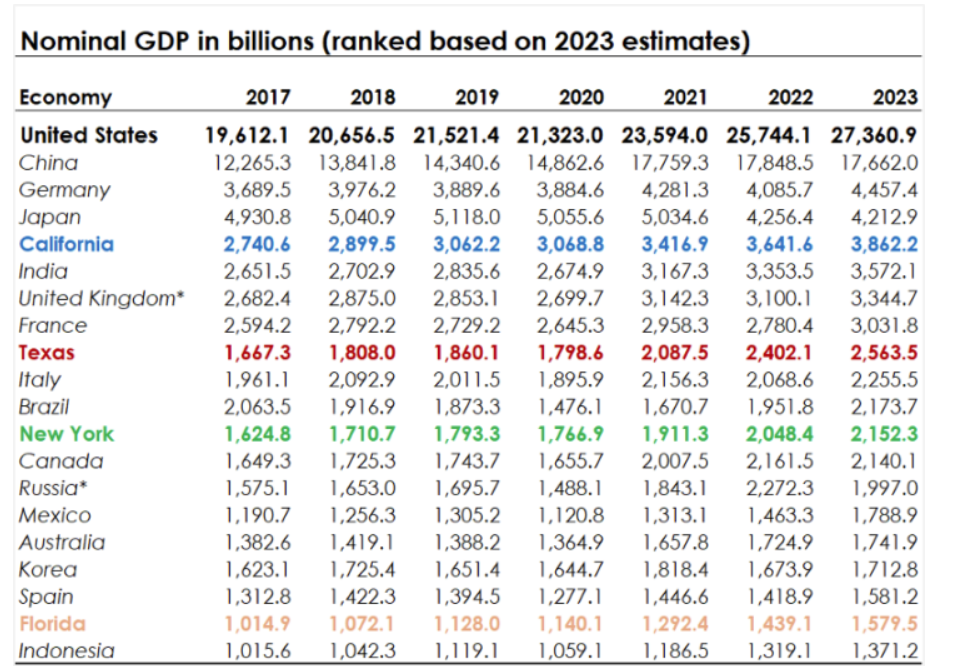
When viewed on a global scale, California’s GDP consistently ranks among the largest economies in the world. Its economic output is often comparable to that of major nations, underscoring its significant influence on international markets and trade.
Ranking Among Nations
Consistently, California’s GDP places it as one of the top economies globally, often ranking within the top 5 or 6 if it were an independent country. This standing highlights the immense scale of economic activity within the state, driven by its diverse industries and its substantial population. This economic might allows California to attract foreign investment, foster international trade relationships, and exert considerable influence in global economic discussions.
Impact on the U.S. Economy
As the most populous state and a leading economic engine, California’s GDP has a profound impact on the overall Gross Domestic Product of the United States. Its robust performance can significantly boost national economic growth, while any downturns can exert a noticeable drag. The state’s innovative industries, particularly in technology and entertainment, often set trends that are adopted nationwide and globally. The sheer volume of goods and services produced in California contributes a substantial percentage to the U.S. GDP, making its economic health a critical factor in the nation’s prosperity.
Trends and Future Outlook for California’s GDP
The economic trajectory of California is shaped by evolving trends and emerging opportunities. Several factors are poised to influence its GDP in the coming years.
Emerging Industries and Innovation
Beyond its established strengths, California is at the forefront of emerging industries that promise to drive future GDP growth. These include:
- Biotechnology and Life Sciences: With leading research institutions and a strong venture capital presence, California is a hotbed for innovation in pharmaceuticals, medical devices, and genomic research.
- Renewable Energy and Cleantech: The state’s commitment to environmental sustainability is fostering significant growth in renewable energy sectors, including solar, wind, and battery storage technologies, as well as electric vehicle manufacturing.
- Space Technology: Companies based in California are leading advancements in the aerospace industry, from satellite technology to private space exploration.
- Artificial Intelligence and Machine Learning: Building on its tech prowess, California continues to lead in AI research and development, with applications across various sectors.
Challenges and Opportunities
While the outlook for California’s GDP remains largely positive, certain challenges could impact its growth. These include:
- Housing Affordability: High housing costs can impact the cost of living and the ability to attract and retain talent, particularly in high-cost urban centers like San Francisco and Los Angeles.
- Regulatory Environment: While generally supportive of business, the complexity of state regulations can sometimes present hurdles for companies.
- Water Resources and Climate Change: California’s reliance on agriculture and its vulnerability to drought and other climate-related impacts pose long-term economic risks that require strategic management.
- Global Economic Volatility: Like any major economy, California’s GDP is subject to fluctuations in the global economic climate, supply chain disruptions, and geopolitical events.
Despite these challenges, California’s inherent strengths – its innovative spirit, diverse economy, skilled workforce, and significant capital markets – position it well for continued economic growth and a sustained strong GDP in the years to come. Its ability to adapt, innovate, and embrace new technologies will be key to maintaining its status as a global economic powerhouse.
LifeOutOfTheBox is a participant in the Amazon Services LLC Associates Program, an affiliate advertising program designed to provide a means for sites to earn advertising fees by advertising and linking to Amazon.com. Amazon, the Amazon logo, AmazonSupply, and the AmazonSupply logo are trademarks of Amazon.com, Inc. or its affiliates. As an Amazon Associate we earn affiliate commissions from qualifying purchases.